


Homeopathic Treatment For
GERD
GERD, or Gastroesophageal Reflux Disease, is a common digestive condition in which stomach acid frequently flows back into the foodpipe, leading to symptoms such as heartburn, chest discomfort, regurgitation, and acidity. GERD treatment typically includes lifestyle modifications and symptomatic relief, along with treatment of an associated H. pylori infection, if present.
Homeopathy offers supportive treatment options that aim to help manage and alleviate GERD symptoms without adverse effects. Homeopathic treatment for GERD focuses on improving digestion, regulating acid secretion, and supporting long-term digestive balance.

 Dr. Rajesh Shah, MD (Homeopathy)
Founder & Chief Consultant, Life Force Homeopathy
Practising since 1985 — 40+ years of clinical homeopathy
Patients treated in 180+ countries; listed in the Limca Book of Records for it
Developed novel nosodes incl. HIV, Hepatitis C & Mycobacterium TB
40 peer-reviewed publications with ~50 scientists across 11 institutions
Patents on new homeopathic medicines in India, USA, Europe & Australia
View More
Dr. Rajesh Shah's Insights on GERD Treatment
Dr. Rajesh Shah, MD (Homeopathy)
Founder & Chief Consultant, Life Force Homeopathy
Practising since 1985 — 40+ years of clinical homeopathy
Patients treated in 180+ countries; listed in the Limca Book of Records for it
Developed novel nosodes incl. HIV, Hepatitis C & Mycobacterium TB
40 peer-reviewed publications with ~50 scientists across 11 institutions
Patents on new homeopathic medicines in India, USA, Europe & Australia
View More
Dr. Rajesh Shah's Insights on GERD Treatment
Dr. Rajesh Shah, MD, observes that GERD is often linked to a weak valve between the stomach and the food pipe (oesophagus), along with lifestyle factors such as stress, irregular eating habits, and certain food choices. Rather than focusing only on acidity or heartburn, the Homeopathic GERD treatment approach aims to identify deeper causes and symptom patterns. In long-term care, strengthening digestion, reducing triggers, and supporting overall balance are important for achieving better, sustained relief.
What is GERD?
GERD (Gastro-Esophageal Reflux Disorder) is one of the commonly observed conditions in youths due to various factors, such as faulty diet and lifestyle, excessive smoking or alcohol consumption, stress, etc. Gastroesophageal refers to a condition involving the stomach and esophagus. Reflux means backflow.
GERD (Gastroesophageal reflux disease) is a common, chronic digestive condition that affects people of all ages, in which acid and food contents reflux (backward flow) from the stomach into the esophagus (food pipe). It is termed gastro-oesophageal because the condition involves the esophagus and stomach.
Understanding GERD

Types of GERD
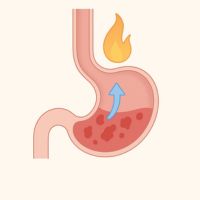
Erosive GERD
Acid reflux symptoms without visible damage to the food pipe lining.
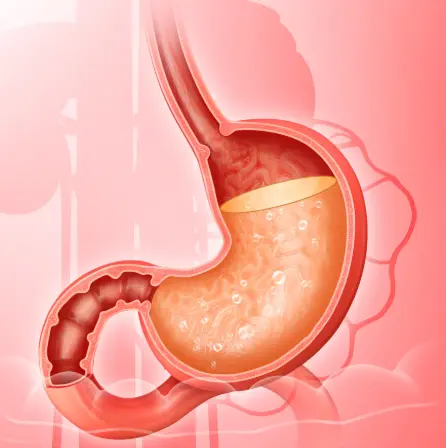
Non-Erosive GERD (NERD)
Frequent acid reflux causing inflammation or injury to the esophagus.
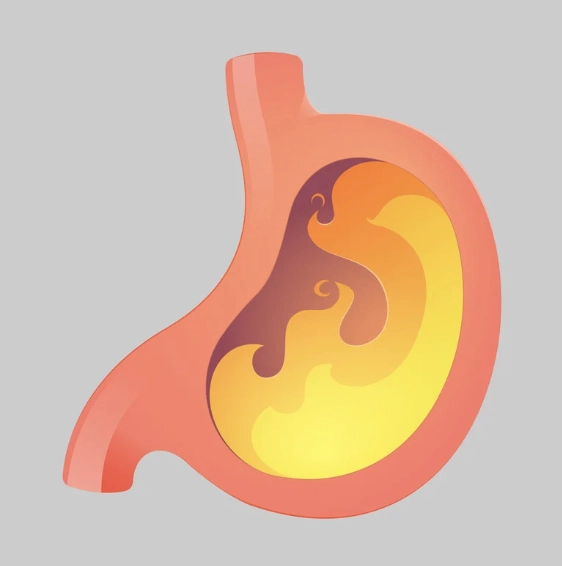
Barrett’s GERD
Long-term GERD leading to abnormal changes in the esophageal lining.
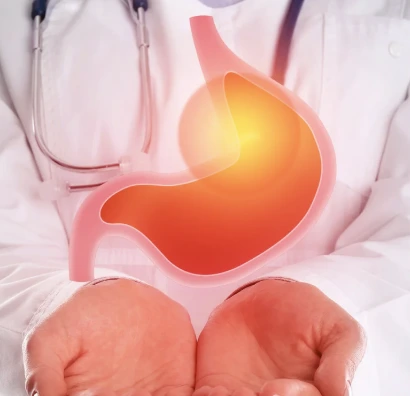
Hypersensitive GERD
Reflux-like symptoms despite normal acid levels and test results.

Our Expertise
• Extensive Clinical Experience and Established Protocol
Dr. Rajesh Shah has over 40 years of experience in treating GERD and other conditions with homeopathy. Having treated patients from more than 180 countries, he has developed a systematic and structured treatment protocol based on long-term clinical observations at Life Force, with a focus on addressing the underlying causes of GERD. Patients seeking guidance from a qualified homeopathic doctor for GERD benefit from individualized assessment and follow-up.
• Observed Scope and Limitations of Homeopathic Treatment
Based on our clinical experience at Life Force, many mild and moderate cases of GERD—especially those of recent onset—show encouraging responses to homeopathic care. Some selected severe cases have also responded well. However, long-standing cases that depend on antacids or are associated with structural abnormalities of the digestive system may require longer treatment durations or show a limited response.
• Holistic Approach and Diverse Patient Profiles
Life Force has also documented successful management of GERD in children and infants using homeopathic medicines. For optimal outcomes, treatment is complemented with appropriate lifestyle changes, dietary guidance, and regular exercise, all of which play an essential role in long-term digestive health.
• New Drug Research
Some of the new drugs developed by Dr. Rajesh Shah have benefited patients. You can read the related research paper on PubMed by clicking here.
Homeopathy for GERD
Homeopathy takes a gentle and personalized approach to managing GERD (acid reflux). The treatment focuses not only on heartburn or acid reflux, but also on related issues such as bloating, sour belching, nausea, and post-meal discomfort. Acidity treatment in homeopathy and homeopathy treatment for acid reflux are tailored after understanding eating habits, stress levels, sleep patterns, and overall health. With regular follow-up, homeopathy may help reduce symptom recurrence and support better digestive balance naturally.



FAQ on GERD (Acid Reflux)
Expert Answers to Common Questions
Homeopathy can play a supportive role in providing symptomatic relief for GERD. It can reduce the symptoms of reflux and those related to acid secretion.
Yes, because they are used at very low doses, homeopathic medicines are safe even when used for a long period.
Symptomatic relief in GERD may be experienced in about two weeks in most cases. Some resistant cases, which are dependent on certain antacid drugs, may take longer.
Yes, chronic acidity or gastritis is often due to internal factors such as stress, lifestyle, or related to food habits. Homeopathy can help with such cases, and lifestyle changes are also addressed.
Dietary changes are required, whereby patients are advised to avoid overeating, deep-fried and spicy foods, and to follow a regular eating schedule. Regular exercise and weight control also help.
Yes, homeopathic medicines have been found to relieve symptoms related to acidity, gastritis, GERD, and flatulence (gas).
If you have recently been diagnosed with GERD and are willing to opt for homeopathic medicines, you may consult a homeopathic doctor who may have relevant experience.
Homeopathic medicines are known to reduce the recurrence of acid reflux and other symptomsof GERD.
Children suffering from GERD may be helped with homeopathy, because homeopathy is not only effective but also safe for growing children.
Related Diseases

Ask Dr. Shah
Dr. Rajesh Shah, MD (Homeopathy), is a renowned Mumbai-based homeopath, recognized for treating patients from 180 countries, including celebrities and underprivileged individuals.
Contact Us