


Homeopathic Treatment For
Urticaria (Hives)
Urticaria (hives) is a skin condition characterized by the sudden appearance of itchy, raised wheals. These patches may be few in number or widespread across the entire body. Urticaria can be triggered by allergies or other factors, but it is always driven by an underlying immune response, making it an immunologically mediated skin disorder.
During an episode, histamine is released as part of this immune reaction, leading to redness, swelling, and intense itching. Conventional urticaria medication often works by blocking histamine, which may provide short-term symptomatic relief. In some long-standing cases, patients may continue to experience repeated flare-ups despite temporary relief, as seen in this documented case study of chronic urticaria managed with homeopathy
Homeopathy aims to address the deeper immunological causes of urticaria, helping reduce the frequency, intensity, and recurrence of episodes. At Life Force, we have managed over 4,000 documented cases of urticaria using a research-based approach that has shown encouraging clinical outcomes.

 Dr. Rajesh Shah, MD (Homeopathy)
Founder & Chief Consultant, Life Force Homeopathy
Practising since 1985 — 40+ years of clinical homeopathy
Patients treated in 180+ countries; listed in the Limca Book of Records for it
Developed novel nosodes incl. HIV, Hepatitis C & Mycobacterium TB
40 peer-reviewed publications with ~50 scientists across 11 institutions
Patents on new homeopathic medicines in India, USA, Europe & Australia
View More
Dr. Rajesh Shah's Insights on Urticaria
Dr. Rajesh Shah, MD (Homeopathy)
Founder & Chief Consultant, Life Force Homeopathy
Practising since 1985 — 40+ years of clinical homeopathy
Patients treated in 180+ countries; listed in the Limca Book of Records for it
Developed novel nosodes incl. HIV, Hepatitis C & Mycobacterium TB
40 peer-reviewed publications with ~50 scientists across 11 institutions
Patents on new homeopathic medicines in India, USA, Europe & Australia
View More
Dr. Rajesh Shah's Insights on Urticaria
Patients with urticaria from across the world have given us valuable insights into understanding and managing this condition more holistically. Urticaria must be viewed as an immunological disorder that requires treatment at the root-cause level. Genetic and hormonal factors can also influence its intensity and recurrence, making it an “immunological storm” in many patients.
While homeopathic medicines may not offer immediate relief in all severe cases, they can help reduce the frequency, severity, and recurrence of urticaria episodes over time. Homeopathy may also help lower dependency on antihistamines and cortisone in many patients. It is safe for children, pregnant women, and the elderly, making it a suitable long-term management option.
What is Urticaria?
Patients with urticaria from across the world have given us valuable insights into understanding and managing this condition more holistically. Urticaria must be viewed as an immunological disorder that requires treatment at the root-cause level.
Genetic, hormonal, and autoimmune factors can influence flare-ups, making urticaria persistent in some individuals. Chronic urticaria treatment in homeopathy focuses on reducing the frequency and intensity of episodes over time.
While homeopathic medicines may not offer immediate relief in every severe case, many patients report gradual improvement and reduced reliance on antihistamines or steroids. Those exploring can homeopathy cure urticaria should understand that outcomes vary and the treatment aims at long-term control and stability rather than instant, short-lasting resolution.
Understanding Urticaria














Types of Urticaria
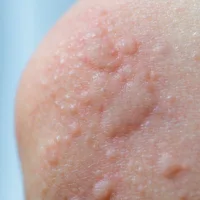
Acute Urticaria
Hives lasting less than six weeks, often linked to infections, foods, or medications.
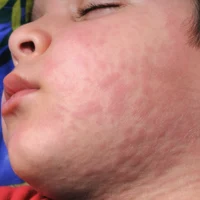
Chronic Urticaria
Hives lasting longer than six weeks, often requiring long-term chronic urticaria treatment in homeopathy or other supportive care.
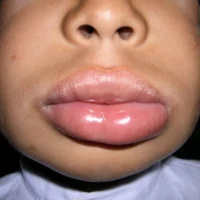
Angioedema
Deeper swelling under the skin, affecting eyes, lips, or throat, lasting longer and sometimes requiring urgent care.

Dermatographism
Hives appearing after firm stroking or scratching the skin, forming raised lines or patterns within minutes.
Learn about all six types of urticaria, including cold and cholinergic urticaria.

Our Expertise
-
With 4,000+ documented urticaria cases from over 180 countries, we have developed a structured homeopathic protocol that has helped many patients reduce the frequency and intensity of hives.
-
Those with long-term use of antihistamines or corticosteroids may take longer to respond, but many can taper these medications under guidance.
-
Dr. Rajesh Shah’s research-based homeopathic medicines have further enhanced treatment outcomes.
-
At Life Force, we follow an integrated approach, combining medical expertise with homeopathic care to manage urticaria safely and effectively.
Homeopathy for Urticaria
Homeopathy for urticaria focuses on internal immune sensitivity rather than only suppressing external symptoms. Treatment is individualized and aims to provide steady, long-term control.
For patients seeking urticaria treatment in homeopathy, this approach may help reduce recurrence, improve symptoms, and support overall immune balance under professional guidance.







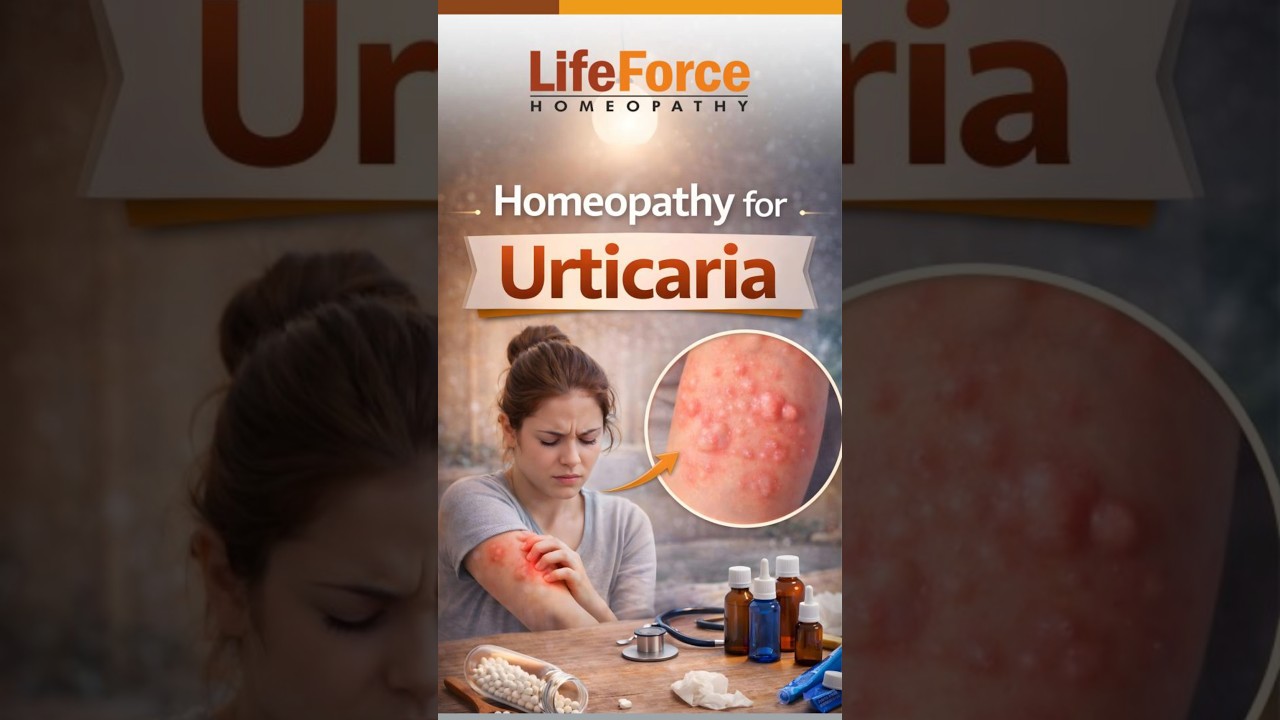







Homeopathic medicines for Urticaria
Apis Mellifica is prepared from the honeybee. What produces the disease, that treats the disease: Apis is an example of this fundamental homeopathic principle! It is one of the most commonly used homeopathic medicines for urticaria (hives), especially when there is intense itching, burning, and stinging sensations. The skin often appears red, swollen, and puffy, resembling a bee-sting reaction. Symptoms usually worsen with heat and improve with cold applications. It is particularly useful in sudden, acute allergic outbreaks. Apis is also helpful in recurrent and chronic urticaria, where swelling is prominent. It works by modulating the body’s hypersensitive immune response. Over time, it helps correct the underlying immunological imbalance.
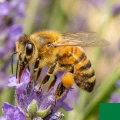
Urtica Urens is prepared from the stinging nettle plant. Nettle plant has the potential to produce urticaria in crude form, so in the potentized form, it can treat acute urticaria. It is highly effective for urticaria with intense itching and burning, especially when the rash resembles nettle stings. The eruptions may appear suddenly and spread rapidly across the body. It is often useful in cases triggered by shellfish, food allergies, or heat exposure. This medicine is commonly used for acute episodes but also helps with recurrent hives. It helps the body reduce hypersensitivity reactions. Addressing immune overactivity helps prevent repeated flare-ups. It may also help in cases of chronic urticaria linked to dietary triggers.
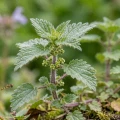
Natrum Muriaticum is prepared from common salt (sodium chloride). It is useful in urticaria associated with emotional stress, grief, or hormonal imbalances. This is a deep-seated constitutional medicine. The skin eruptions may worsen with sun exposure and sweating. Patients often experience dryness along with itching. It is particularly helpful for chronic and recurrent urticaria. This medicine works deeply on the body’s constitution. It helps regulate immune responses linked to stress and internal imbalances. It is also beneficial for individuals with hereditary allergic tendencies. Over time, it helps reduce the frequency and intensity of outbreaks. Suitable for long-standing cases.

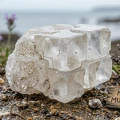
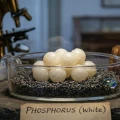
Phosphorus is prepared from the mineral phosphorus. It is indicated in urticaria, with burning sensations and skin sensitivity. The eruptions may bleed easily or appear bright red. Symptoms often worsen in the evening or with warm environments. It is useful in both acute allergic reactions and chronic urticaria. Phosphorus works by strengthening the immune system’s regulation. It helps reduce hypersensitivity to external triggers. It is particularly helpful for individuals who are sensitive, anxious, and easily affected. It addresses deeper immunological disturbances. Over time, it helps prevent recurrence. Also supports overall vitality.
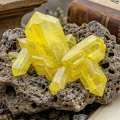
Sulphur is prepared from elemental Sulfur, element 16. It is one of the most widely used remedies in chronic skin conditions, including urticaria. The itching is intense, often worse at night or with heat. The skin may appear dry, rough, and unhealthy. It is especially helpful in long-standing and recurrent urticaria. Sulphur acts deeply on the body’s metabolic and immune processes. It helps detoxify and restore balance in chronic cases. It is also useful where there is a strong genetic tendency to skin disorders. It reduces the frequency of flare-ups over time. Supports long-term healing, which is required in most cases of chronic urticaria during treatment.
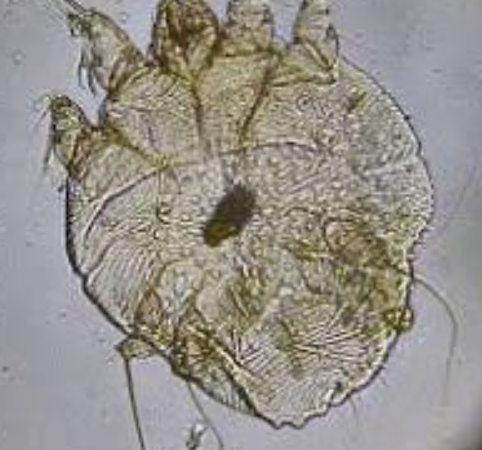
Psorinum is prepared from a homeopathic nosode derived from material from skin diseases. It is used in severe, chronic urticaria with persistent itching and cold sensitivity. The skin condition may worsen in winter or in damp weather. Patients often feel chilly and exhausted. It is especially useful in cases that do not respond to other treatments. Psorinum works at a deep constitutional level. It helps correct inherited tendencies toward skin and allergic disorders. It supports immune system regulation over time. Effective in chronic and recurrent urticaria. Helps reduce dependency on repeated medications. Promotes long-term relief.
Carcinosin is prepared from cancer tissue at a highly dilute concentration. It is used in individuals with a strong family history of chronic diseases, including allergies. Urticaria in such cases may be persistent and resistant to treatment. The person may be sensitive, perfectionistic, and emotionally affected. It is useful in chronic and recurrent urticaria. Carcinosin works by addressing deep-rooted genetic and immunological factors. It helps rebalance the immune system’s abnormal responses. Over time, it reduces the frequency and severity of flare-ups. It is often used as a constitutional remedy. Helps improve overall resilience and health. Dr. Shah has several research papers based on experiments with Carcinosin.

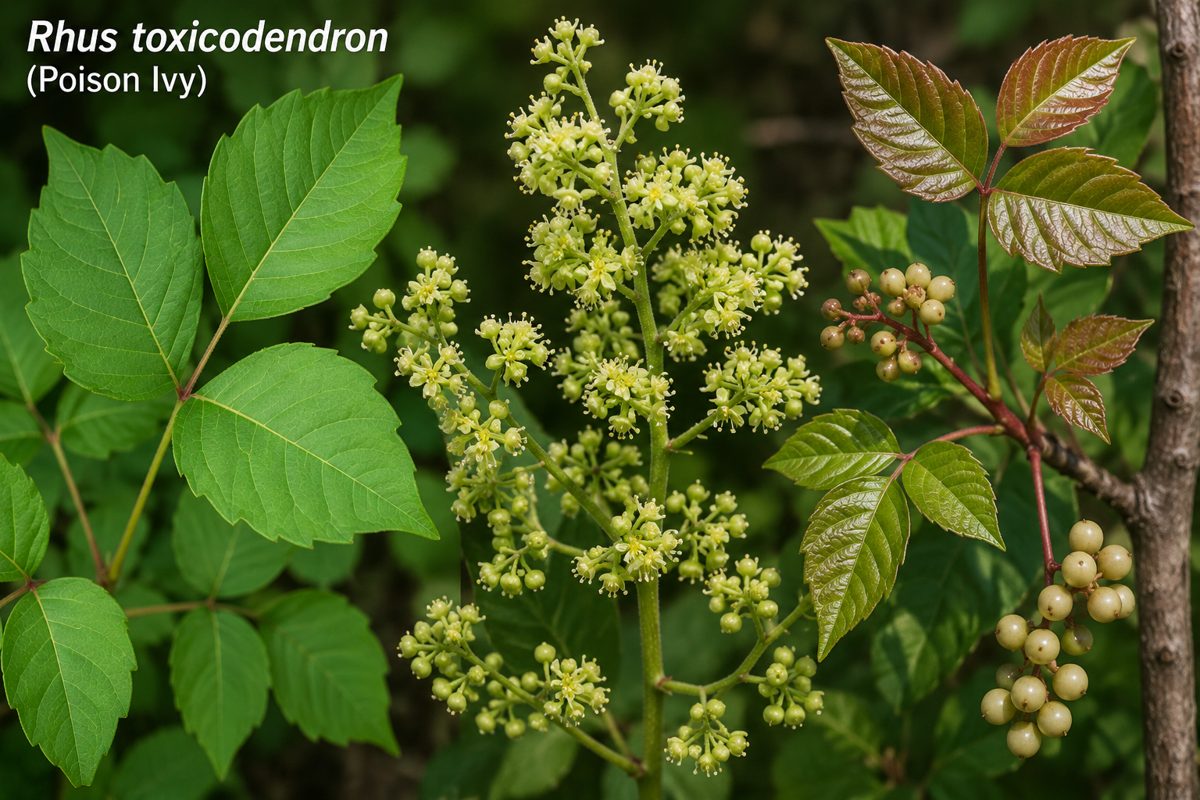
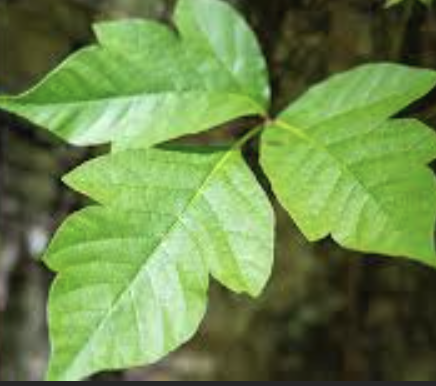
Rhus Toxicodendron is prepared from poison ivy. It is commonly used for urticaria with intense itching and restlessness. The rash may worsen in cold, damp weather and improve with warmth. The skin may show red, raised eruptions with severe irritation. It is effective for acute allergic reactions and recurrent episodes of urticaria. Rhus Tox helps calm skin inflammation. It supports the immune system in reducing hypersensitivity. It is also helpful in urticaria triggered by weather changes. Works well in both short-term and chronic cases. Helps restore skin health over time.
Chloratum (often Natrum Chloratum or related preparations) is derived from chloride compounds. It is used in urticaria associated with fluid imbalance and skin sensitivity. The eruptions may be accompanied by burning and itching. Symptoms may worsen with environmental changes or stress. It is helpful in both acute and recurrent urticaria. Chloratum works by stabilizing cellular and immune responses. It helps reduce exaggerated allergic reactions. It may also address underlying metabolic imbalances. Useful in chronic cases where symptoms persist. Supports gradual improvement in skin health.
Dulcamara is prepared from the woody nightshade plant. It is especially useful in urticaria triggered by cold, damp weather or sudden temperature changes. The rash may appear after exposure to rain or humidity. The itching can be intense, with red, raised eruptions. It is highly effective in acute seasonal urticaria. Dulcamara also helps in recurrent cases linked to environmental triggers. It works by improving the body’s adaptability to climate change. It supports immune regulation against external stressors. Over time, it reduces sensitivity to weather-related triggers. Suitable for both acute and chronic cases.

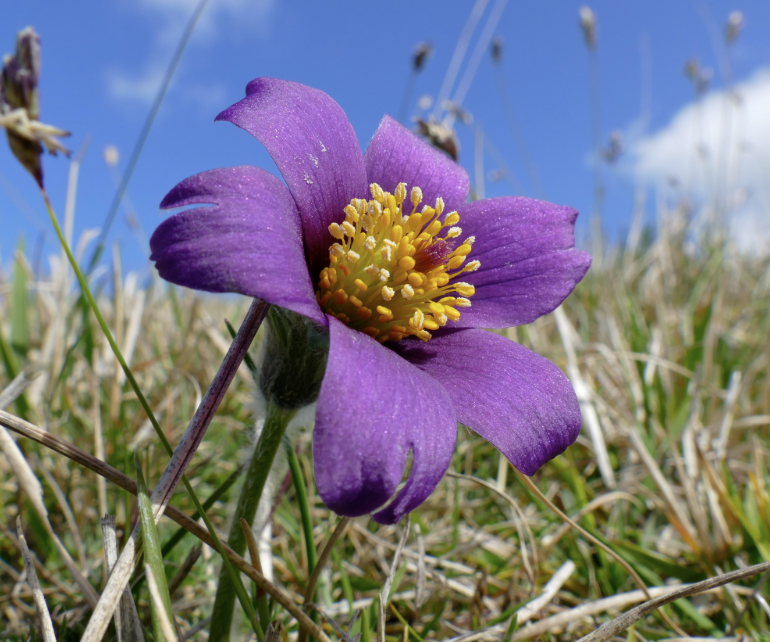
Pulsatilla is prepared from the windflower plant. It is used in urticaria with changing symptoms and mild, weepy individuals. The rash may shift location and is often worse in warm rooms. Fresh air usually brings relief. It is commonly linked to hormonal changes or rich food intake. Pulsatilla is helpful in acute, recurrent, and chronic urticaria. It works by balancing hormonal and immune responses. It is especially useful in children and women. It helps reduce sensitivity to dietary triggers. Addresses deeper emotional and physiological imbalances. Promotes long-term stability.
Apis Mellifica is prepared from the honeybee. What produces the disease, that treats the disease: Apis is an example of this fundamental homeopathic principle! It is one of the most commonly used homeopathic medicines for urticaria (hives), especially when there is intense itching, burning, and stinging sensations. The skin often appears red, swollen, and puffy, resembling a bee-sting reaction. Symptoms usually worsen with heat and improve with cold applications. It is particularly useful in sudden, acute allergic outbreaks. Apis is also helpful in recurrent and chronic urticaria, where swelling is prominent. It works by modulating the body’s hypersensitive immune response. Over time, it helps correct the underlying immunological imbalance.
Urtica Urens is prepared from the stinging nettle plant. Nettle plant has the potential to produce urticaria in crude form, so in the potentized form, it can treat acute urticaria. It is highly effective for urticaria with intense itching and burning, especially when the rash resembles nettle stings. The eruptions may appear suddenly and spread rapidly across the body. It is often useful in cases triggered by shellfish, food allergies, or heat exposure. This medicine is commonly used for acute episodes but also helps with recurrent hives. It helps the body reduce hypersensitivity reactions. Addressing immune overactivity helps prevent repeated flare-ups. It may also help in cases of chronic urticaria linked to dietary triggers.
Natrum Muriaticum is prepared from common salt (sodium chloride). It is useful in urticaria associated with emotional stress, grief, or hormonal imbalances. This is a deep-seated constitutional medicine. The skin eruptions may worsen with sun exposure and sweating. Patients often experience dryness along with itching. It is particularly helpful for chronic and recurrent urticaria. This medicine works deeply on the body’s constitution. It helps regulate immune responses linked to stress and internal imbalances. It is also beneficial for individuals with hereditary allergic tendencies. Over time, it helps reduce the frequency and intensity of outbreaks. Suitable for long-standing cases.
Phosphorus is prepared from the mineral phosphorus. It is indicated in urticaria, with burning sensations and skin sensitivity. The eruptions may bleed easily or appear bright red. Symptoms often worsen in the evening or with warm environments. It is useful in both acute allergic reactions and chronic urticaria. Phosphorus works by strengthening the immune system’s regulation. It helps reduce hypersensitivity to external triggers. It is particularly helpful for individuals who are sensitive, anxious, and easily affected. It addresses deeper immunological disturbances. Over time, it helps prevent recurrence. Also supports overall vitality.
Sulphur is prepared from elemental Sulfur, element 16. It is one of the most widely used remedies in chronic skin conditions, including urticaria. The itching is intense, often worse at night or with heat. The skin may appear dry, rough, and unhealthy. It is especially helpful in long-standing and recurrent urticaria. Sulphur acts deeply on the body’s metabolic and immune processes. It helps detoxify and restore balance in chronic cases. It is also useful where there is a strong genetic tendency to skin disorders. It reduces the frequency of flare-ups over time. Supports long-term healing, which is required in most cases of chronic urticaria during treatment.
Psorinum is prepared from a homeopathic nosode derived from material from skin diseases. It is used in severe, chronic urticaria with persistent itching and cold sensitivity. The skin condition may worsen in winter or in damp weather. Patients often feel chilly and exhausted. It is especially useful in cases that do not respond to other treatments. Psorinum works at a deep constitutional level. It helps correct inherited tendencies toward skin and allergic disorders. It supports immune system regulation over time. Effective in chronic and recurrent urticaria. Helps reduce dependency on repeated medications. Promotes long-term relief.
Carcinosin is prepared from cancer tissue at a highly dilute concentration. It is used in individuals with a strong family history of chronic diseases, including allergies. Urticaria in such cases may be persistent and resistant to treatment. The person may be sensitive, perfectionistic, and emotionally affected. It is useful in chronic and recurrent urticaria. Carcinosin works by addressing deep-rooted genetic and immunological factors. It helps rebalance the immune system’s abnormal responses. Over time, it reduces the frequency and severity of flare-ups. It is often used as a constitutional remedy. Helps improve overall resilience and health. Dr. Shah has several research papers based on experiments with Carcinosin.
Rhus Toxicodendron is prepared from poison ivy. It is commonly used for urticaria with intense itching and restlessness. The rash may worsen in cold, damp weather and improve with warmth. The skin may show red, raised eruptions with severe irritation. It is effective for acute allergic reactions and recurrent episodes of urticaria. Rhus Tox helps calm skin inflammation. It supports the immune system in reducing hypersensitivity. It is also helpful in urticaria triggered by weather changes. Works well in both short-term and chronic cases. Helps restore skin health over time.
Chloratum (often Natrum Chloratum or related preparations) is derived from chloride compounds. It is used in urticaria associated with fluid imbalance and skin sensitivity. The eruptions may be accompanied by burning and itching. Symptoms may worsen with environmental changes or stress. It is helpful in both acute and recurrent urticaria. Chloratum works by stabilizing cellular and immune responses. It helps reduce exaggerated allergic reactions. It may also address underlying metabolic imbalances. Useful in chronic cases where symptoms persist. Supports gradual improvement in skin health.
Dulcamara is prepared from the woody nightshade plant. It is especially useful in urticaria triggered by cold, damp weather or sudden temperature changes. The rash may appear after exposure to rain or humidity. The itching can be intense, with red, raised eruptions. It is highly effective in acute seasonal urticaria. Dulcamara also helps in recurrent cases linked to environmental triggers. It works by improving the body’s adaptability to climate change. It supports immune regulation against external stressors. Over time, it reduces sensitivity to weather-related triggers. Suitable for both acute and chronic cases.
Pulsatilla is prepared from the windflower plant. It is used in urticaria with changing symptoms and mild, weepy individuals. The rash may shift location and is often worse in warm rooms. Fresh air usually brings relief. It is commonly linked to hormonal changes or rich food intake. Pulsatilla is helpful in acute, recurrent, and chronic urticaria. It works by balancing hormonal and immune responses. It is especially useful in children and women. It helps reduce sensitivity to dietary triggers. Addresses deeper emotional and physiological imbalances. Promotes long-term stability.
Case Studies

Urticaria
Four Years of Recurring Itching and Hives: A Patient’s Journey With Chronic Urticaria Management
Introduction For years, a 40-year-old man from Aundh, Pune lived with unpredictable episodes of intense itching, burning sensations, and skin…
Urticaria
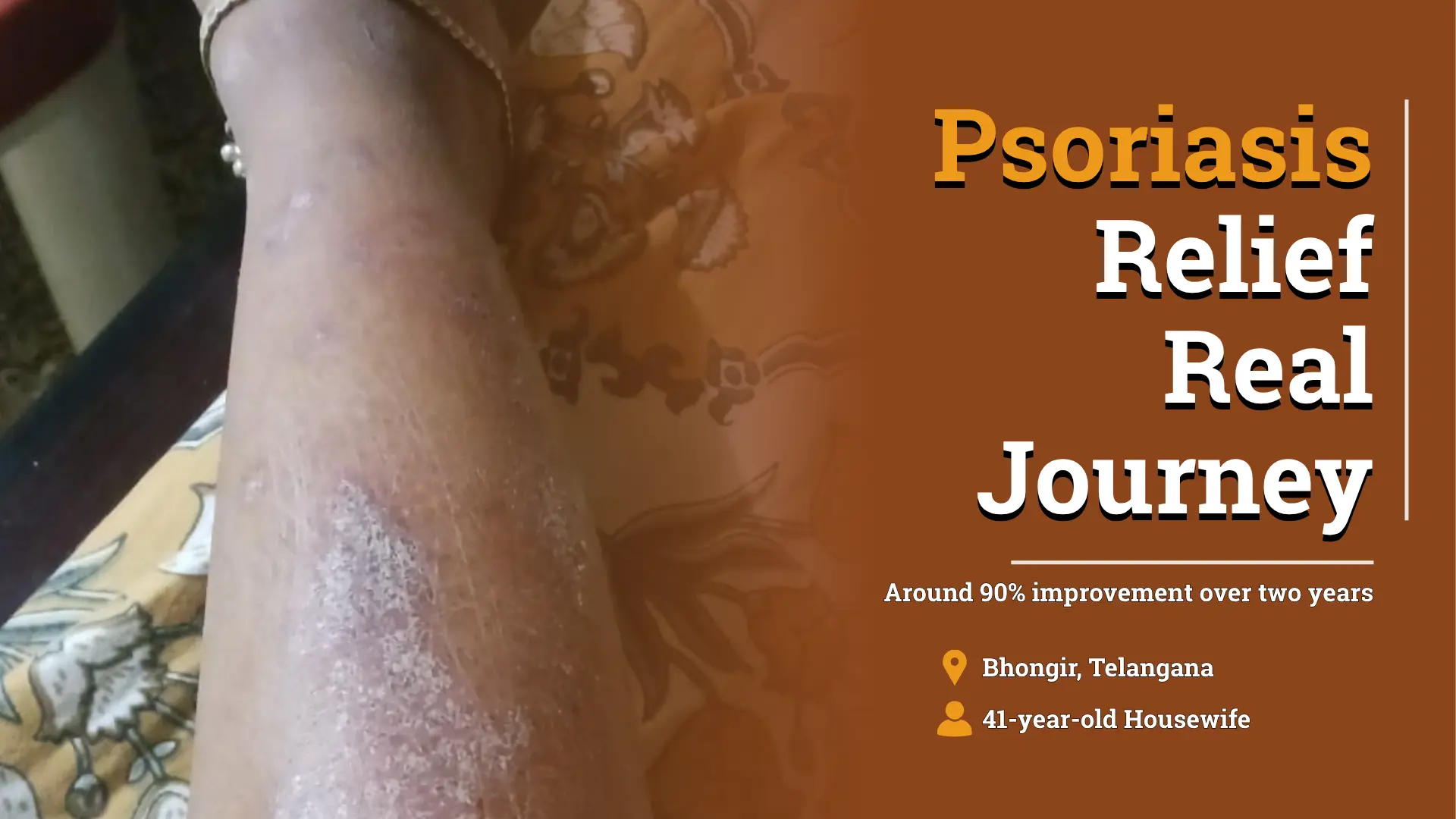
Chronic Psoriasis Improved With Individualized Homeopathic Treatment
A 41-year-old woman(Patient ID 51862) consulted Life Force Homeopathy, Jayanagar Branch, Bengaluru, on 30 June 2023 for chronic psoriasis. She…
Urticaria
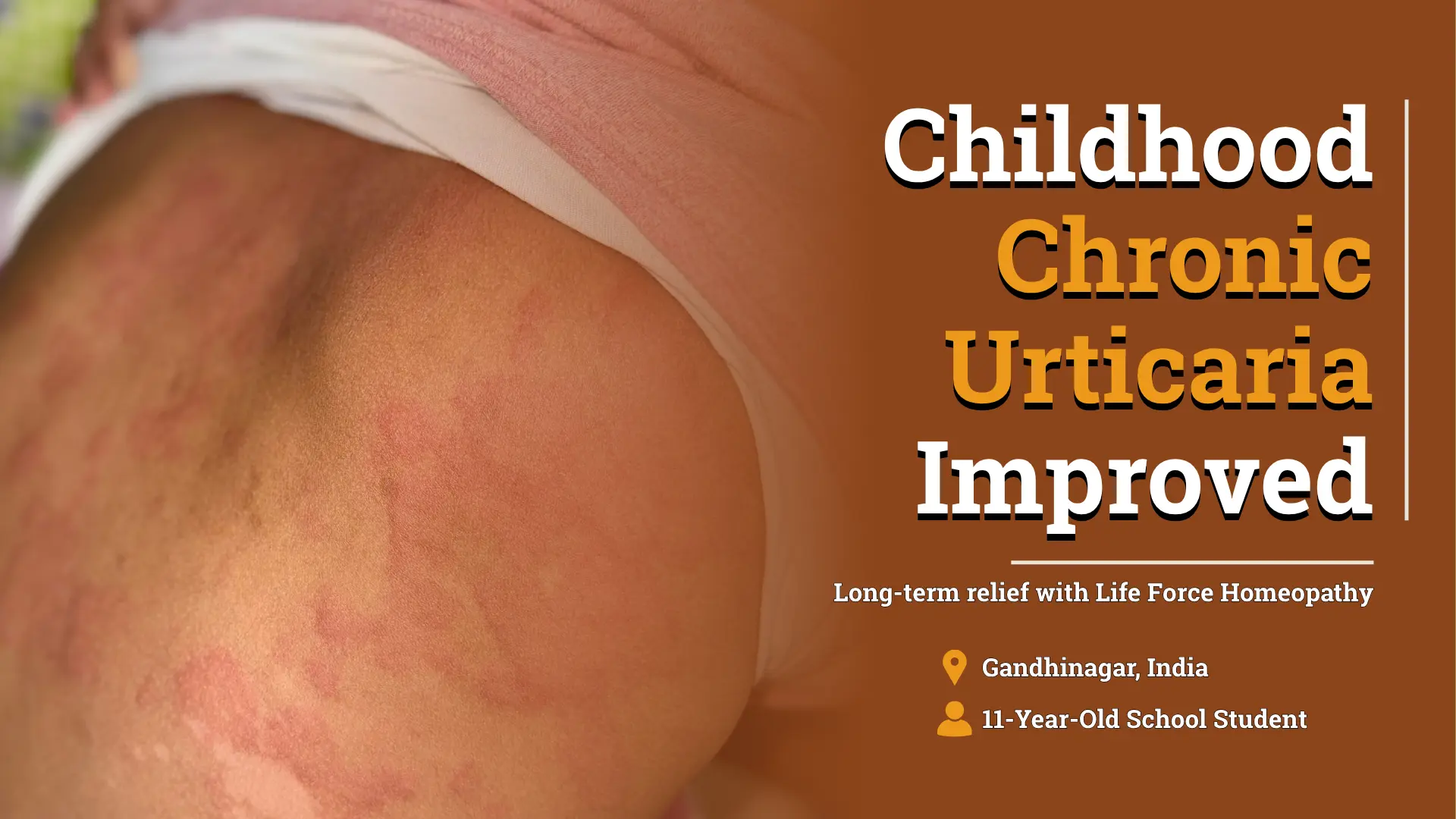
Chronic Urticaria in an 11-Year-Old Improved With Homeopathic Treatment
Mast H.N. (Patient ID: 55963), an 11-year-old school-going boy from Kandivali, Mumbai, consulted Life Force Homeopathy Clinic, Borivali, Mumbai branch,…

Urticaria
Chronic Urticaria Improved With Individualized Homeopathic Treatment
A 25-year-old journalist from Tamil Nadu consulted Life Force Homeopathy through online consultation at the Jayanagar, Bengaluru branch on 17…

Urticaria
Integrative Management of Chronic Urticaria Using Homeopathy, Diet, and Lifestyle Modifications
Introduction Mr. C.K., a male patient registered at Life Force Homeopathy, Mulund branch, presented with chronic urticaria that had been…
Urticaria
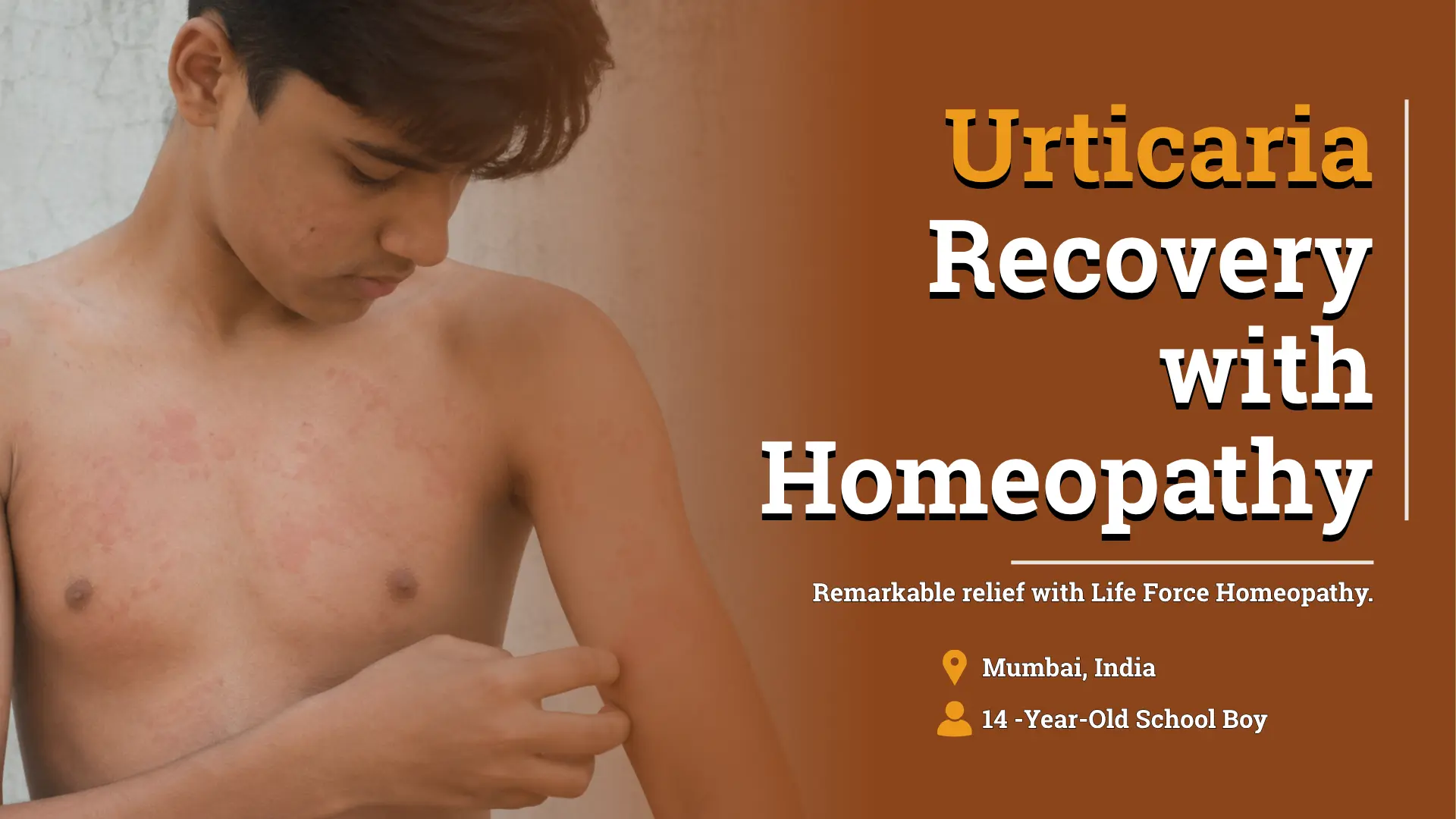
Bathing-Triggered Urticaria Improved Without Antihistamines
Introduction For Mr. A.K., bathing had become an unexpected trigger for skin allergy-like symptoms. For nearly two years, he developed…

Urticaria
Years of Urticaria & Swelling Finally Settled with Homeopathy
Introduction For Mrs. S.T., a 65-year-old woman from Goregaon, Mumbai, urticaria was not just a skin complaint. It was an…
Urticaria
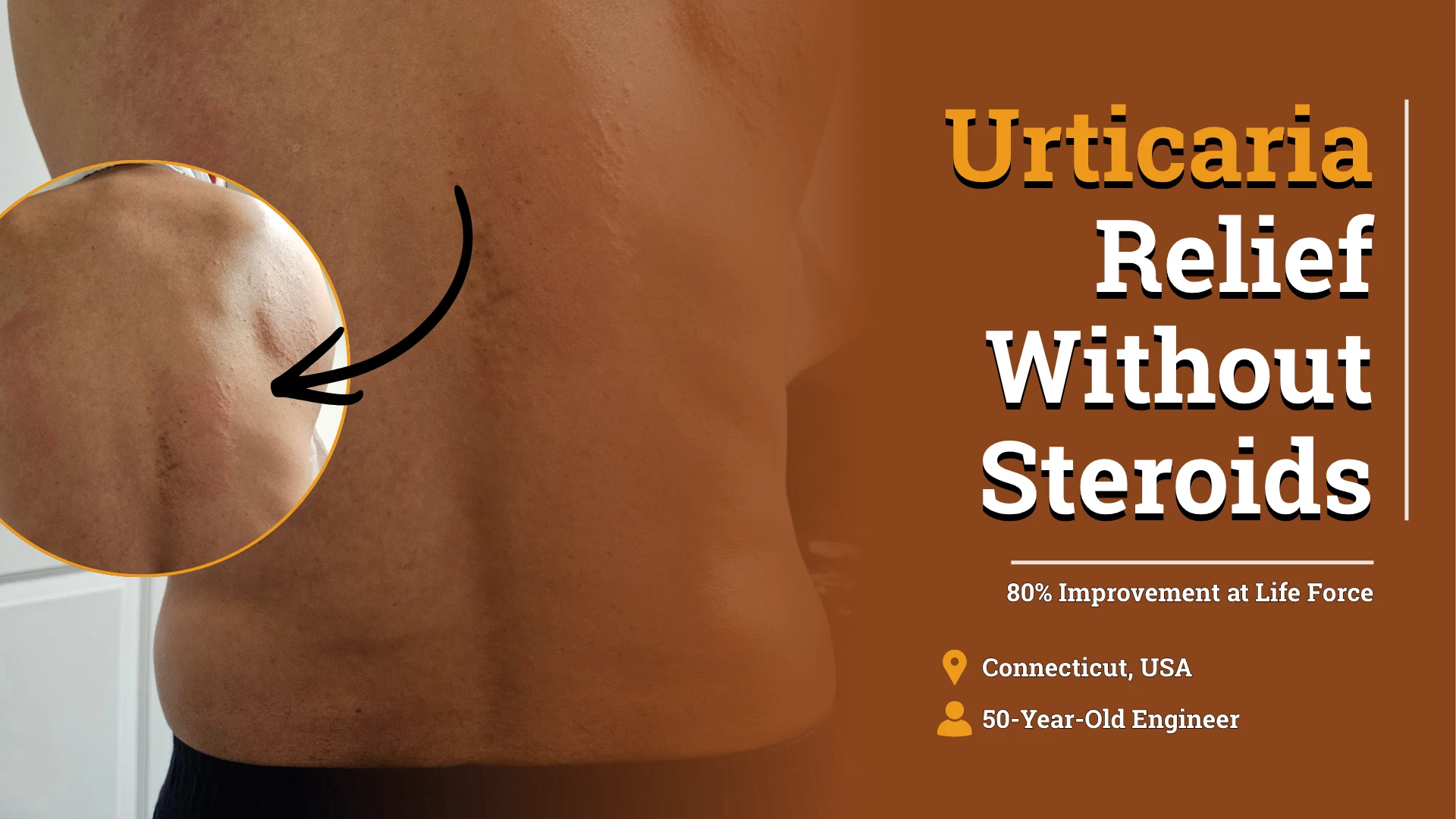
An American Aerospace Engineer Got a Phenomenal 80% Recovery from Urticaria in a Few Months with Homeopathy
Persistent itching, burning rashes, and unpredictable flare-ups can significantly affect daily life – especially when standard medications offer only temporary…

Urticaria
Policewoman with Chronic & Relapsing Urticaria Healed with Homeopathy That’s Helping Her Serve Nation Better
A 34-year-old female patient, Ms. B. D. (PIN: 50472) with the reference of her father taking treatment from Life Force,…

Urticaria
Homeopathy Healed an Urticaria Patient by Eliminating His Dependency on Antihistamines
A 32-year-old male patient, Mr. S. S. (PIN: 45591) visited Life Force and started homeopathic treatment for his complaints of urticaria on 18th June 2021.He was suffering…
FAQ on Urticaria
Expert Answers to Common Questions
Urticaria is a skin condition characterized by itchy rashes or raised wheals caused by inflammation resulting from the release of histamine and other chemical mediators during an allergic or immune response.
Urgent medical attention is required if urticaria involves swelling of the lips, tongue, throat, or airway, as this can cause breathing difficulty. This condition is known as angioedema and may be potentially serious.
Acute urticaria refers to hives that last from a few hours up to six weeks. When urticaria persists beyond six weeks or occurs repeatedly over time, it is classified as chronic urticaria.
Urticaria is considered chronic if the symptoms last for more than six weeks or recur frequently over a prolonged period.
Urticaria is primarily diagnosed clinically through physical examination and patient history. In most cases, no specific tests are required. In rare or atypical forms, such as urticaria pigmentosa, a skin biopsy or additional investigations may be recommended.
Urticarial rashes result from the abnormal release of histamine. Conventional treatment mainly involves antihistamines, which help suppress histamine and control symptoms. Homeopathic treatment aims to address individual immune sensitivity and reduce recurrence.
Homeopathic treatment is individualized and based on the overall symptom profile, including the nature of the rash, triggers, genetic factors, hormonal influences, stress, and immune sensitivity. The goal is to support immune balance rather than only suppress symptoms.
It is not appropriate to claim that homeopathy can cure all cases of urticaria. However, clinical experience suggests that many individuals with chronic urticaria may achieve significant symptom reduction and long-term control with homeopathic treatment.
Homeopathy can generally be used alongside conventional medicines under medical supervision. As improvement occurs, conventional medications may be reduced gradually under the treating physician’s guidance.
In some cases, patients undergoing homeopathic treatment may be able to reduce their reliance on antihistamines over time. However, this should always be done under professional medical supervision.
Stress and emotional factors can influence immune and hormonal balance. Prolonged stress may alter cortisol levels, which regulate immune function, and this may contribute to urticaria flare-ups in susceptible individuals.
Related Diseases
Ask Dr. Rajesh Shah
Dr. Rajesh Shah, MD (Homeopathy), is a renowned Mumbai-based homeopath, recognized for treating patients from 180 countries, including celebrities and underprivileged individuals.
Contact Us