


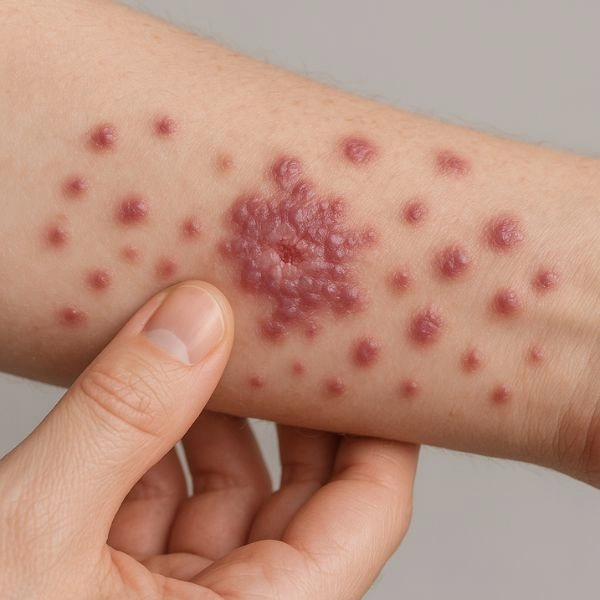
Dr. Rajesh Shah's Insights on Lichen Planus
Dr. Rajesh Shah’s patented medicines have shown encouraging outcomes in managing lichen planus. Skin lichen planus generally responds better, while oral, genital, and multi-site cases may require longer treatment. Cases previously treated with corticosteroids can be more resistant and prone to relapse; therefore, early, personalized homeopathic care may be beneficial.

180+
Countries

7250+
Lichen Planus Patients Treated (including all the variants)

30+
Team of Expert Doctors

40+
Years of Experience

100% Satisfaction
If you are not satisfied after 6 weeks of treatment, you may return the unused medicines and request a refund for the unused portion of the service, in accordance with our policy. No cure is assured within six weeks. For full terms, please visit our Detailed Refund Policy page.
What Is Lichen Planus?
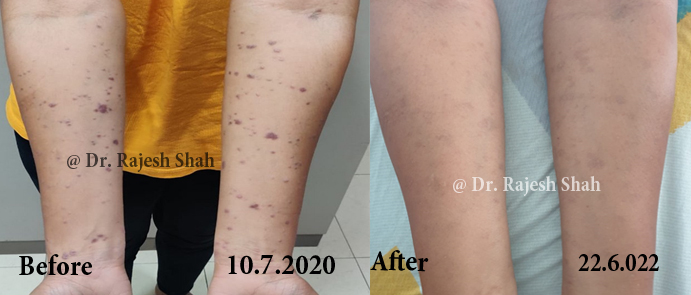
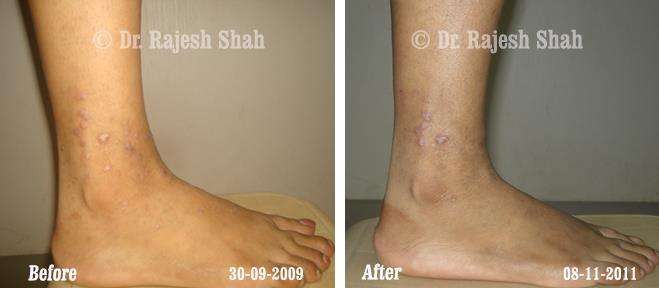
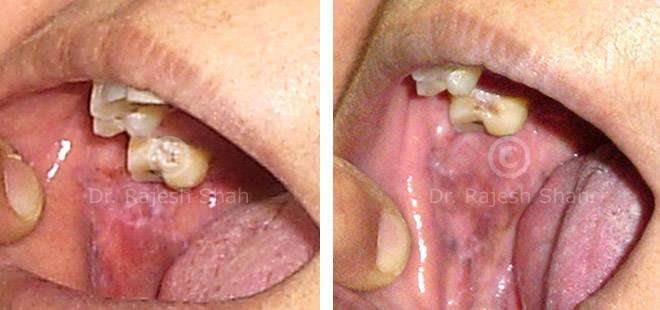
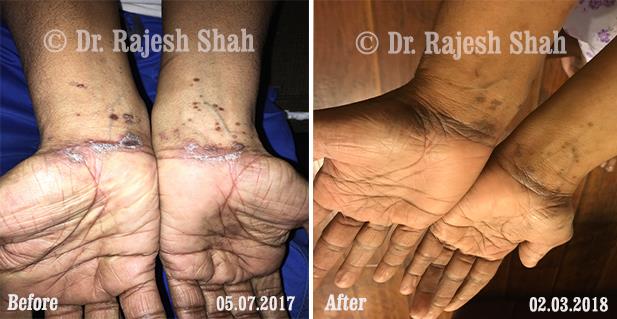
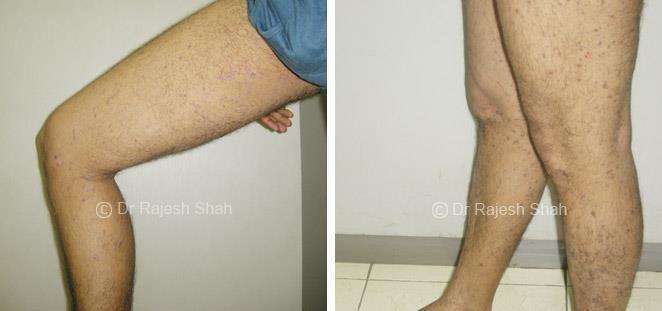
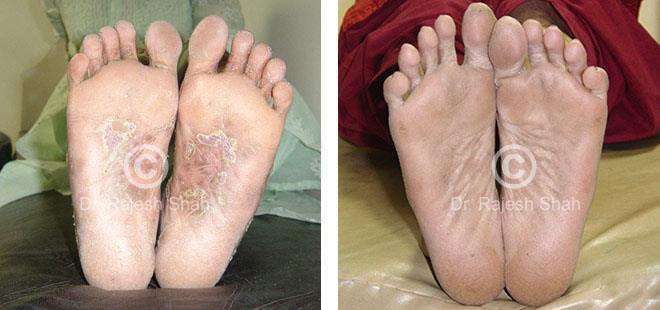
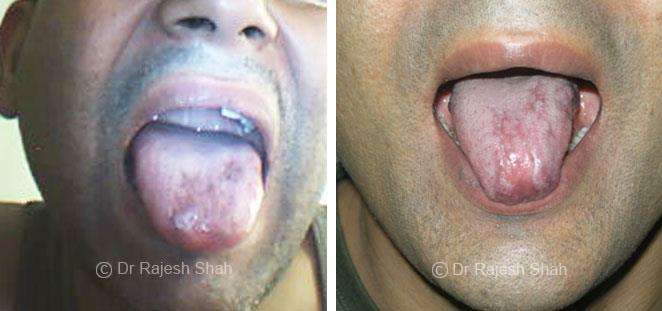
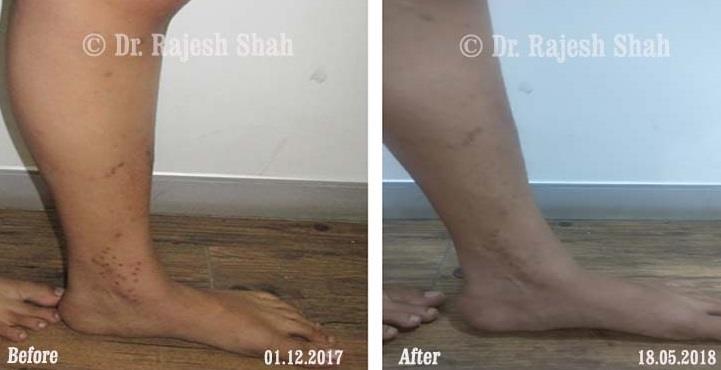
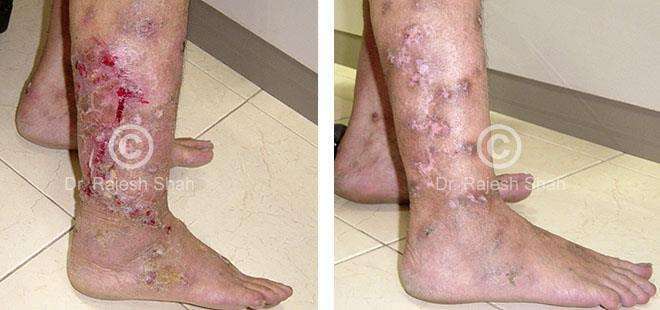
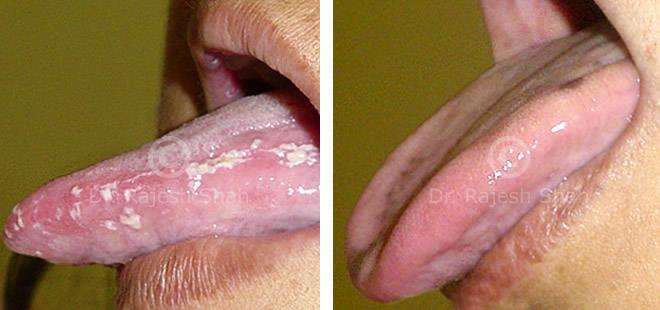
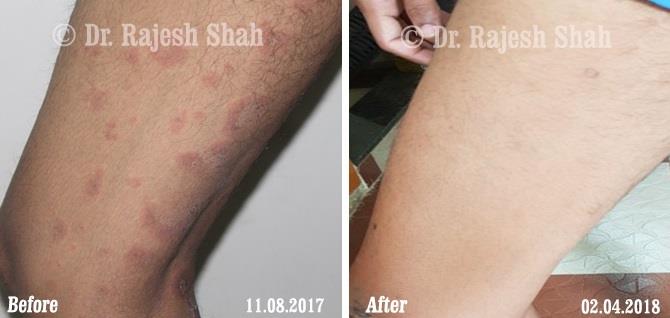
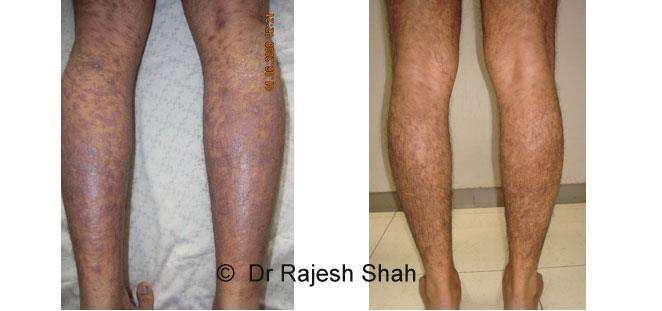
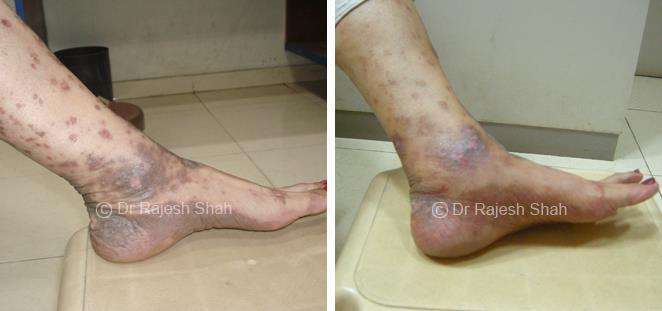
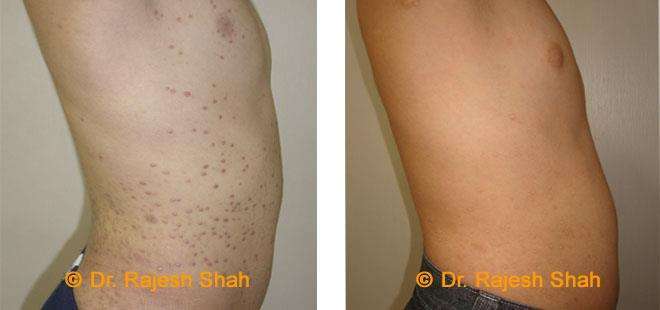
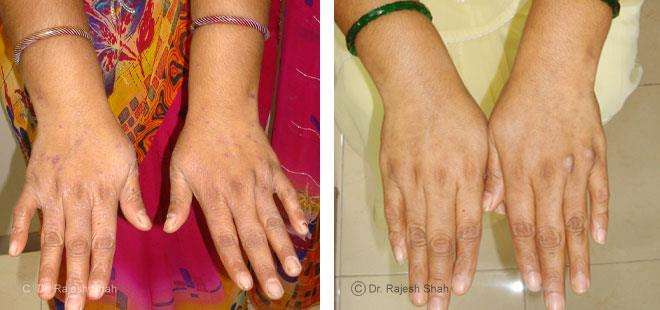
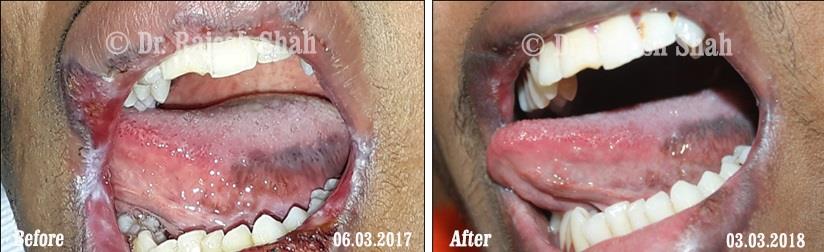
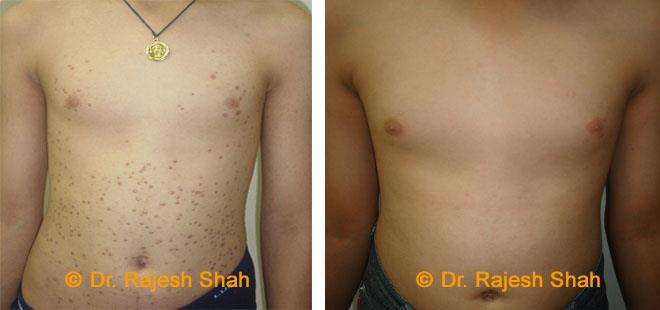
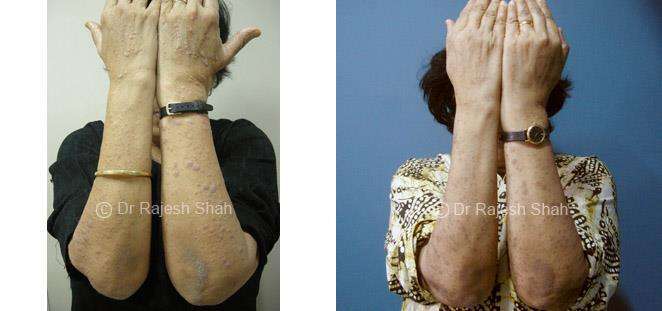
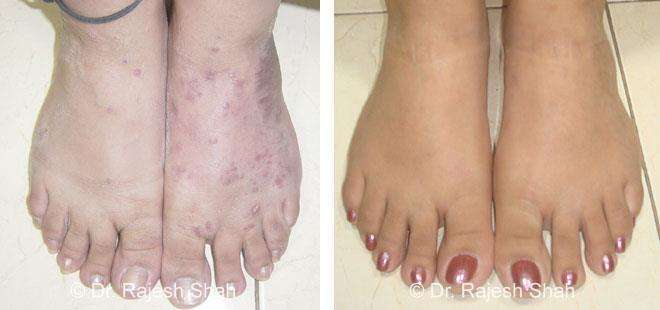
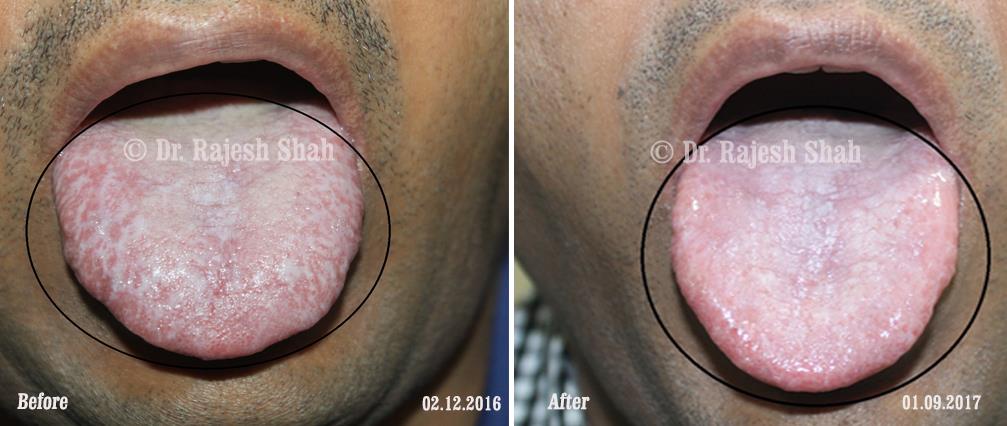
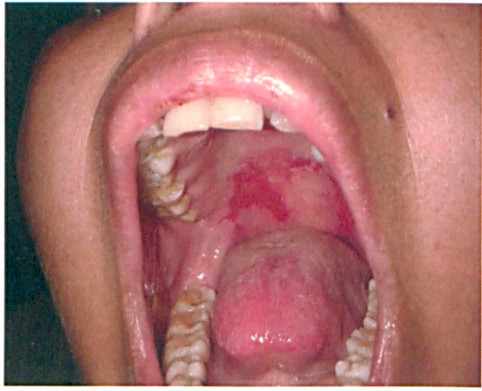
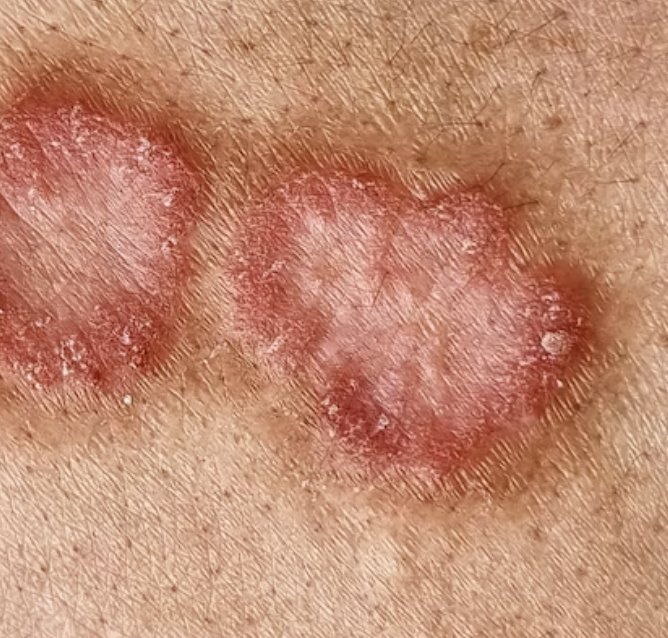
Lichen planus is a chronic, autoimmune, non-infectious condition affecting the skin, mouth, nails, scalp, and genitals. Typical features include flat reddish-purple eruptions on the skin, while oral or genital involvement may present as ulcers or erosions. The condition is persistent and uncomfortable, with manifestations varying by individual susceptibility.
A large percentage develop skin lesions, while a smaller group experiences oral, genital, nail, or scalp involvement depending on immune response and triggers.
Know your chances of recovery with just a few simple questions
Ready to know your recovery chances in percentage?
A short, guided assessment built on 40+ years of clinical experience.
Which condition would you like assessed?
Choose your health condition to begin a short, guided assessment.
Understanding Lichen Planus

Types of Lichen Planus
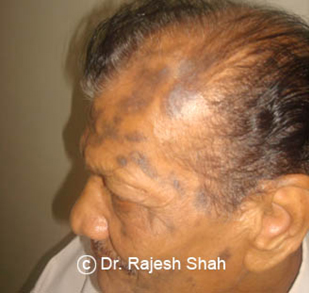
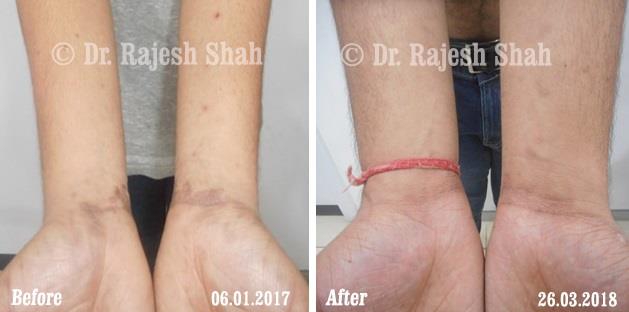
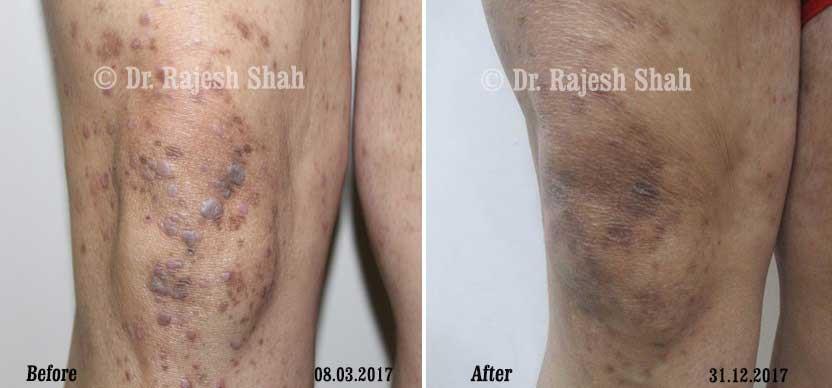
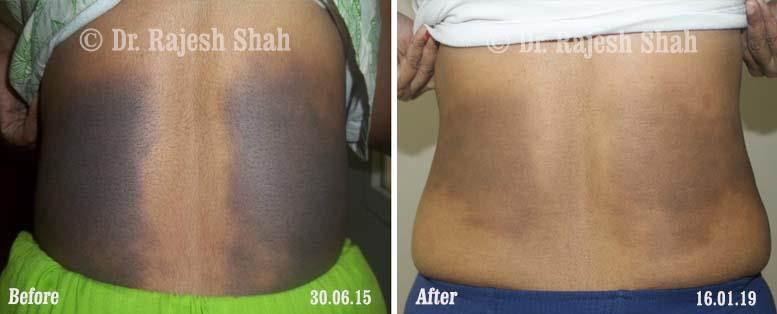
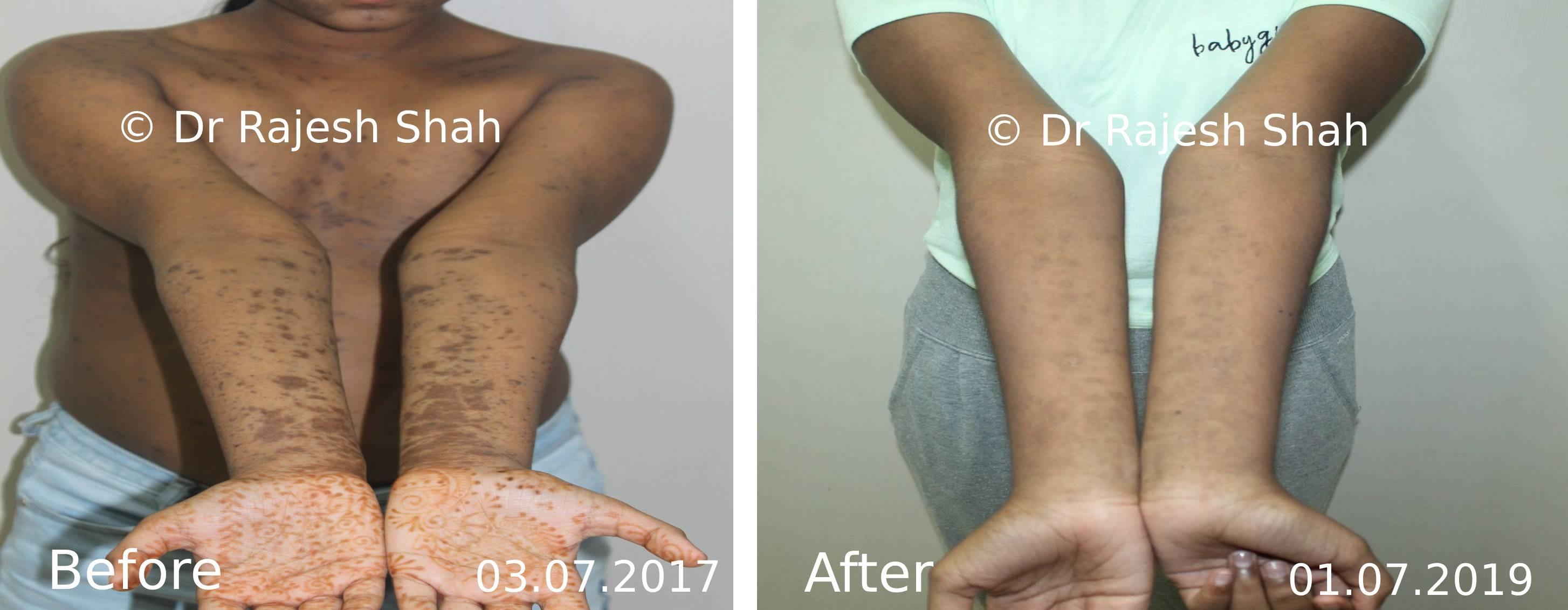
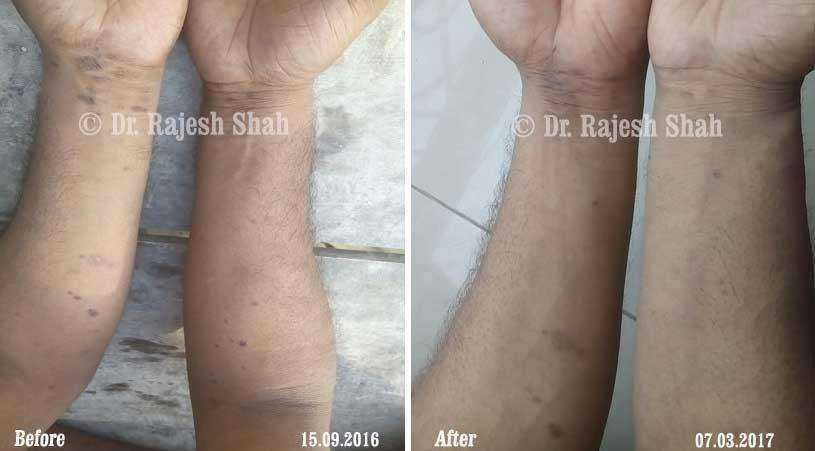
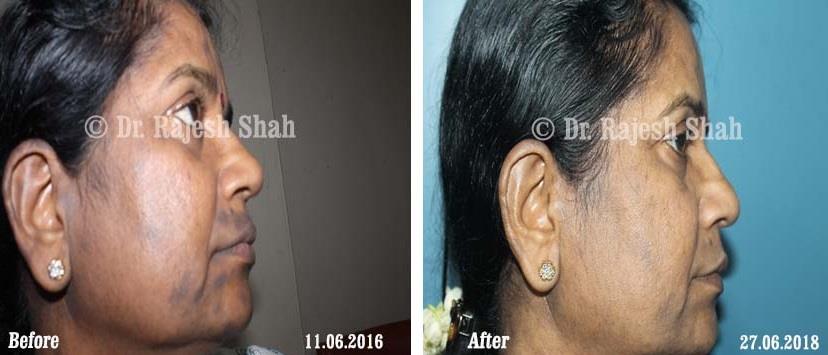
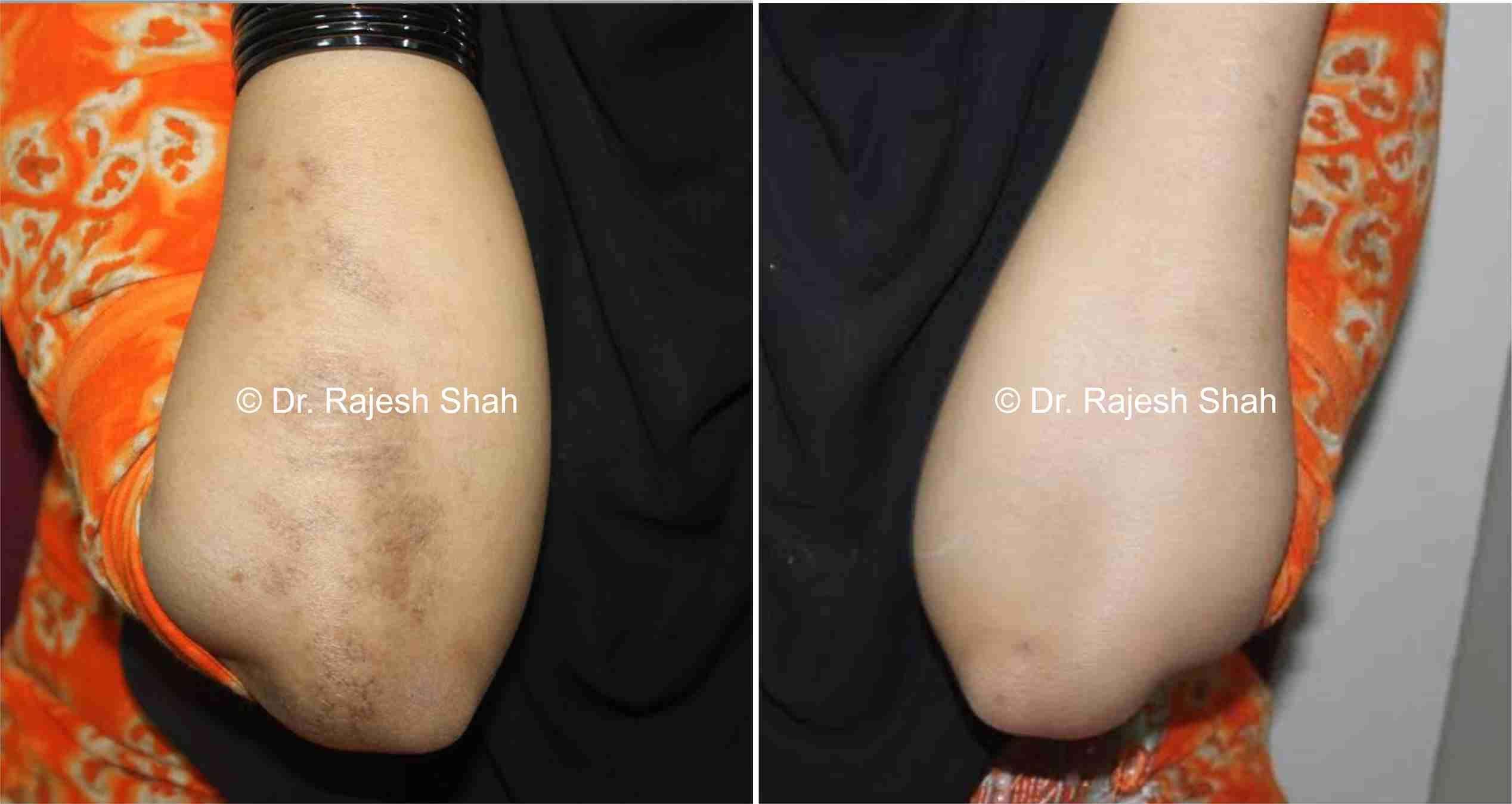
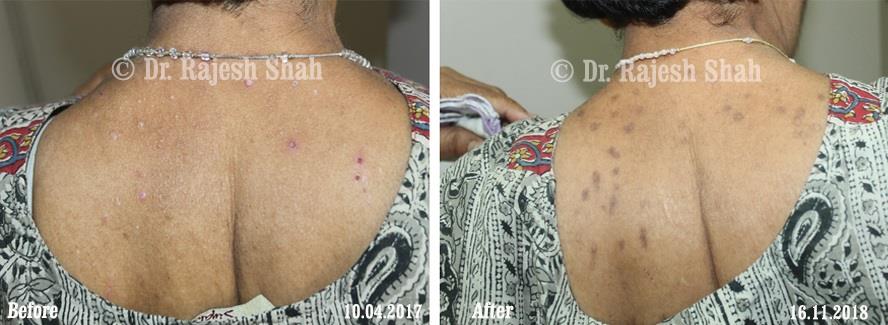
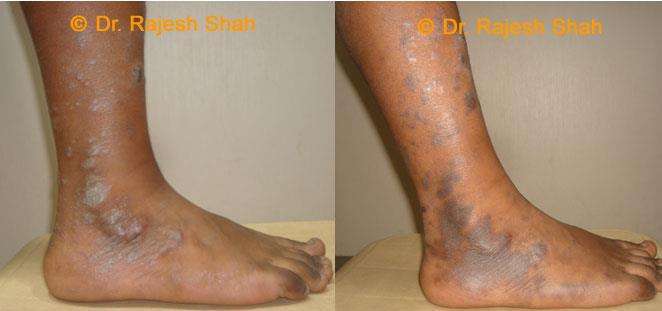
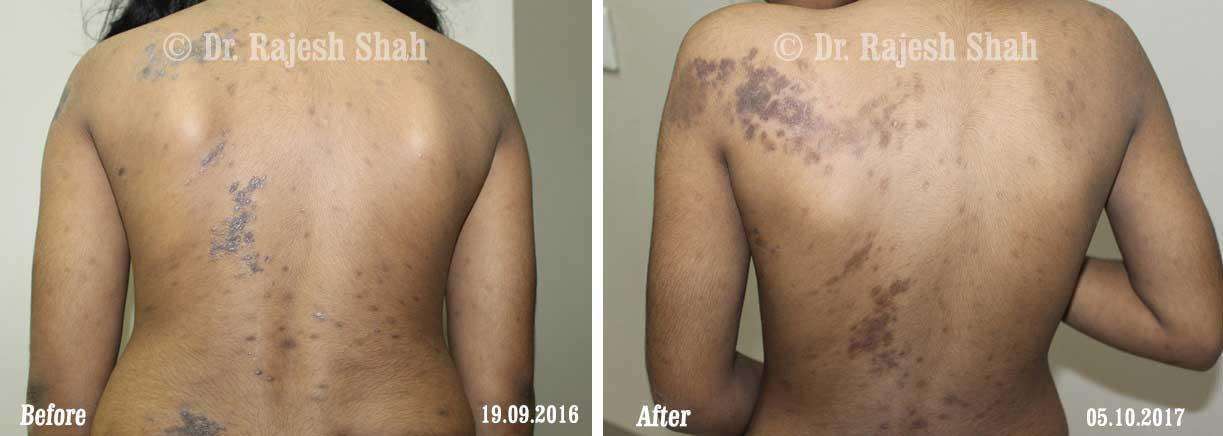
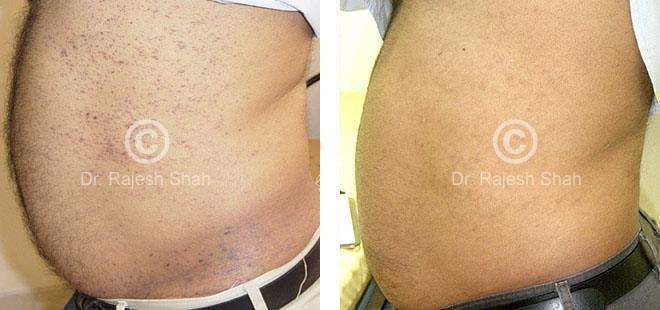
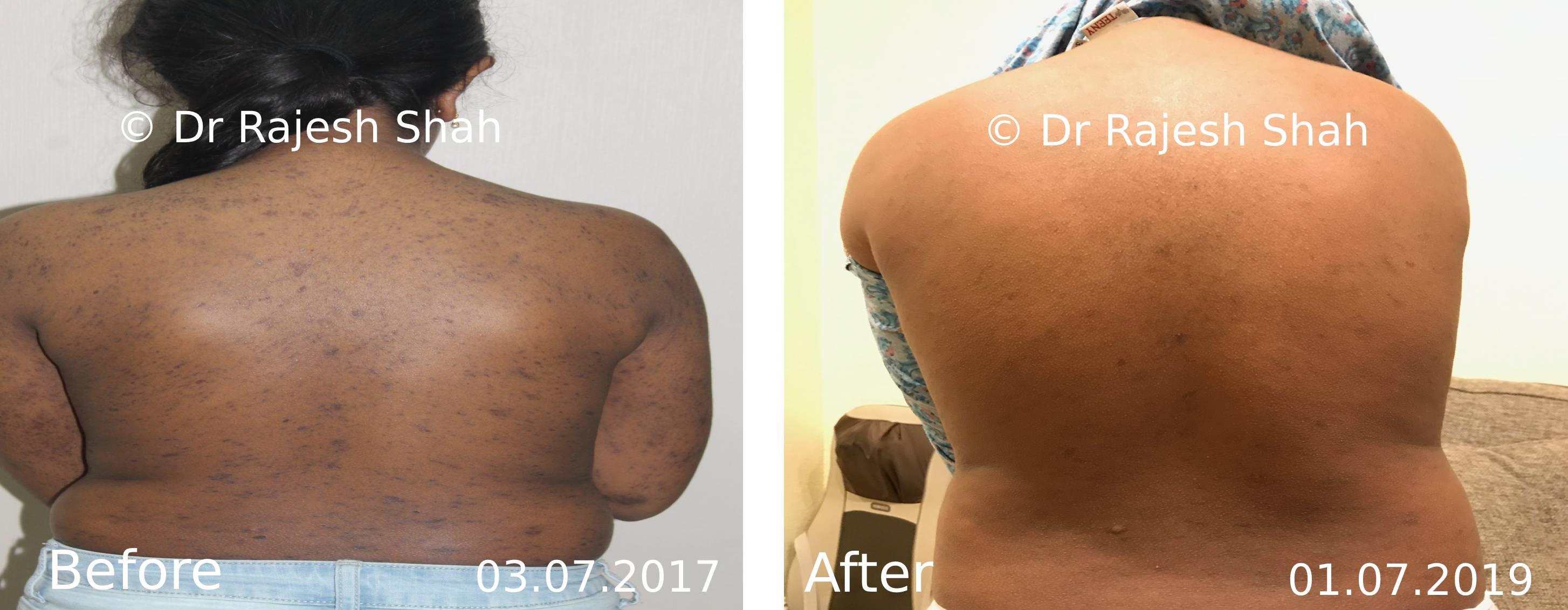
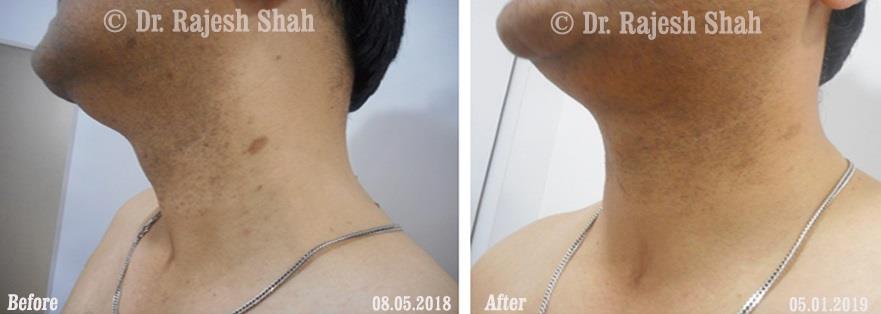
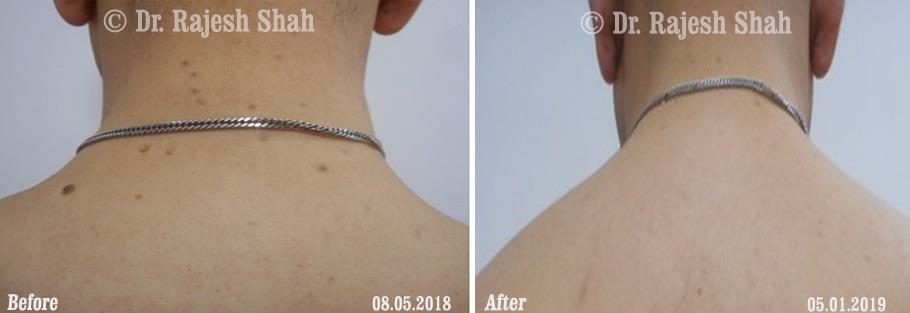
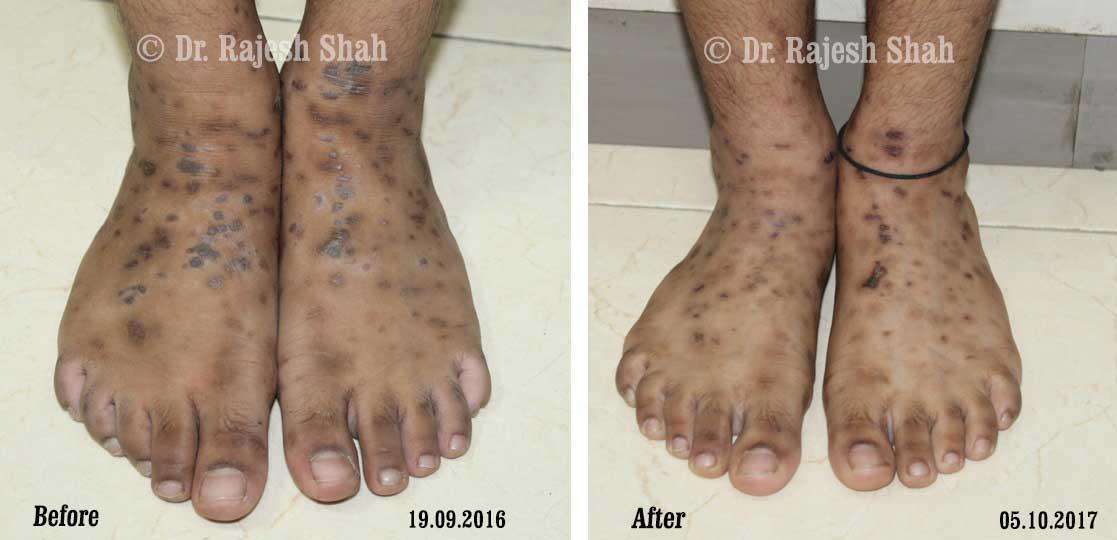
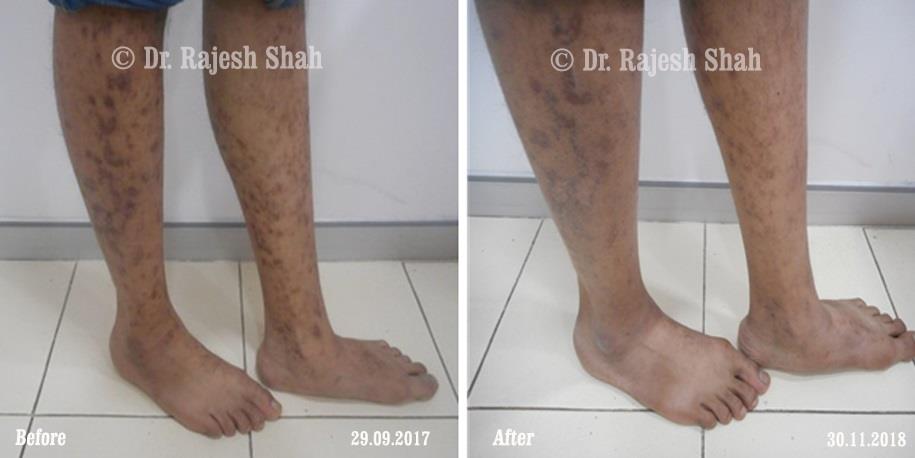
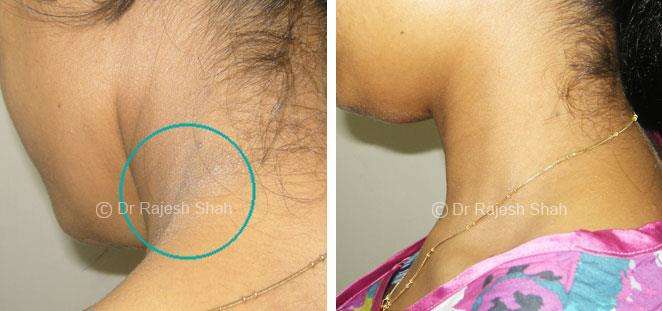
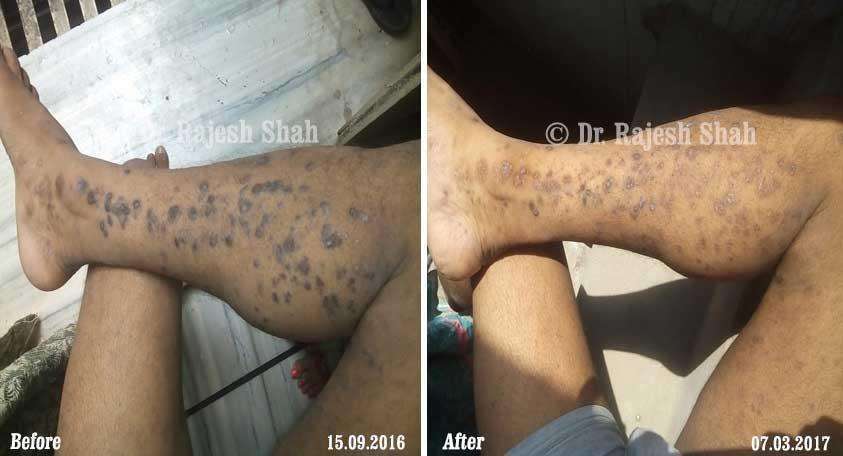
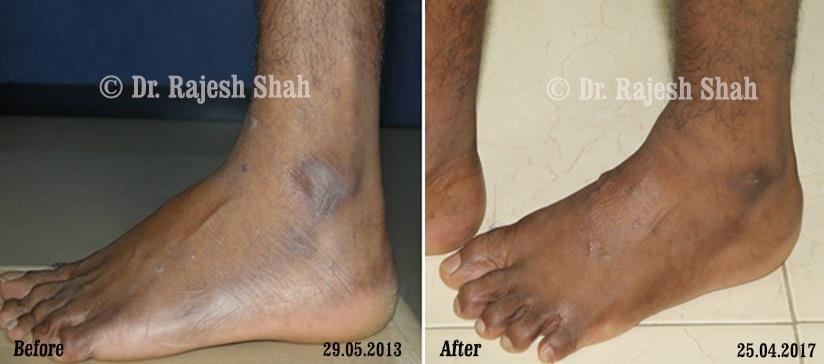
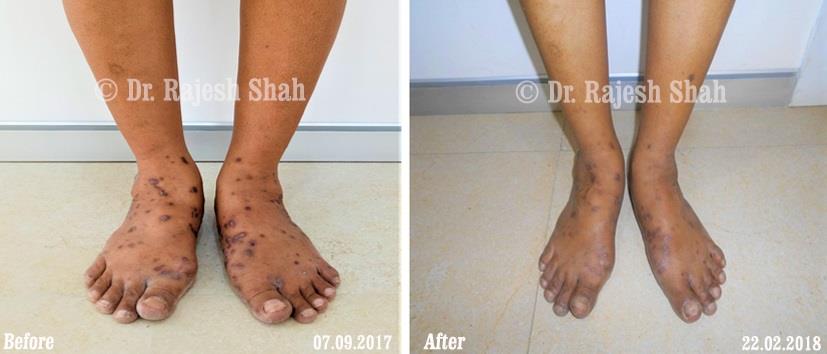
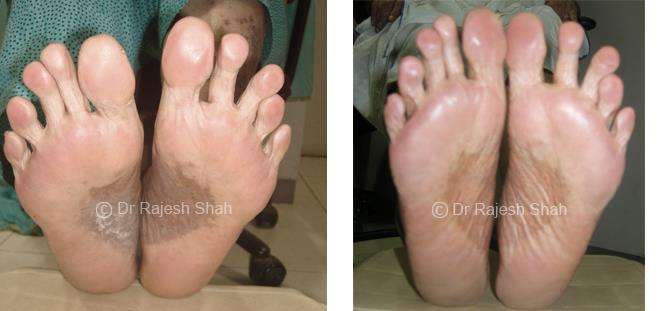
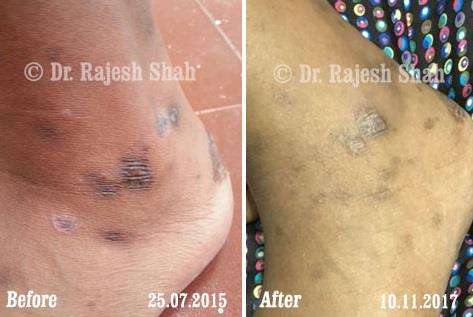
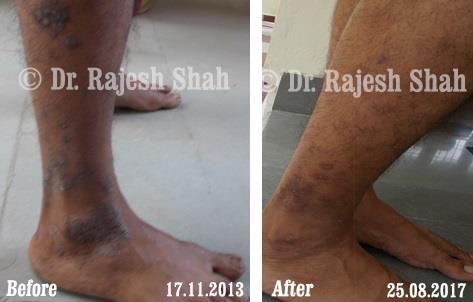
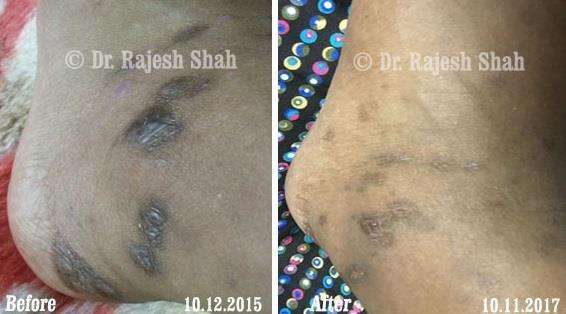
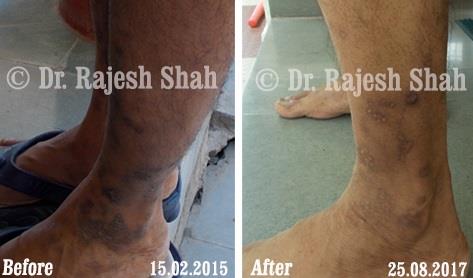
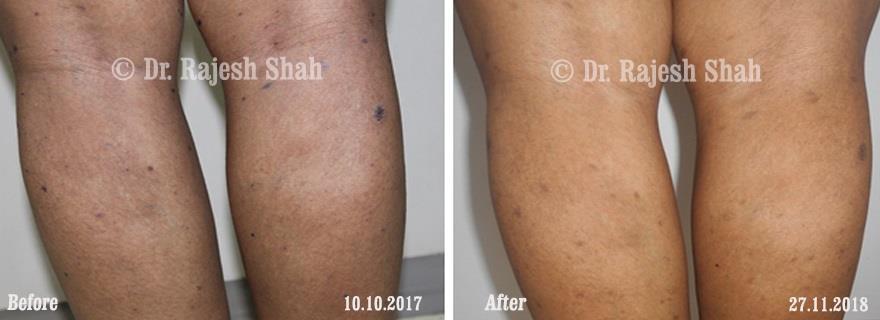
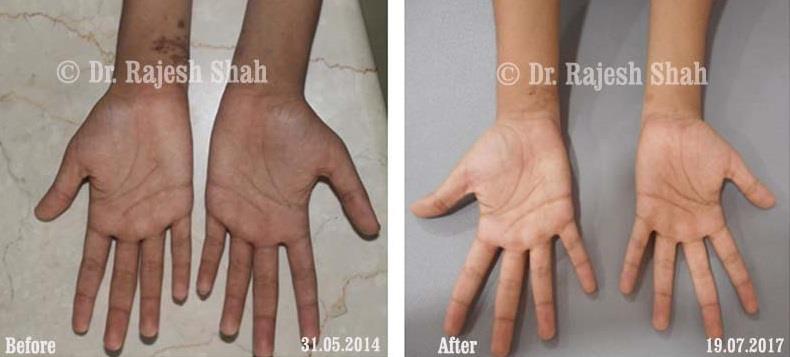
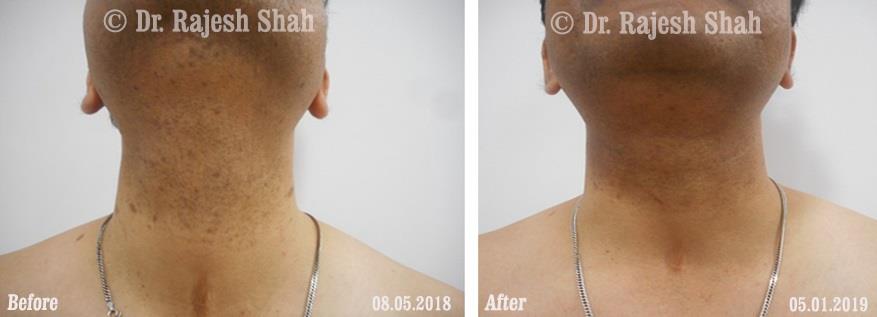
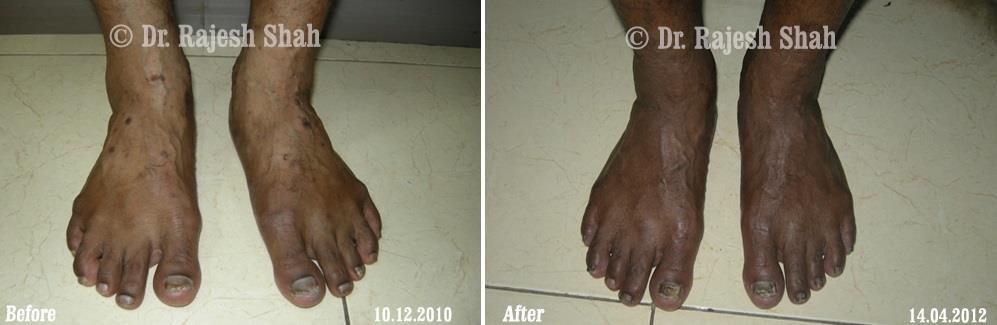
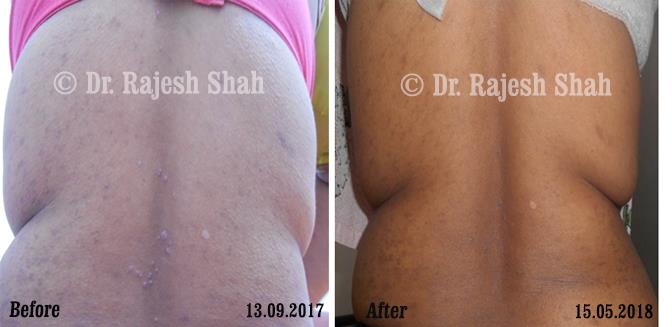
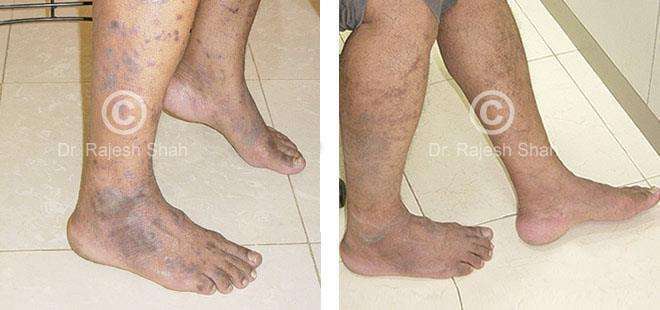
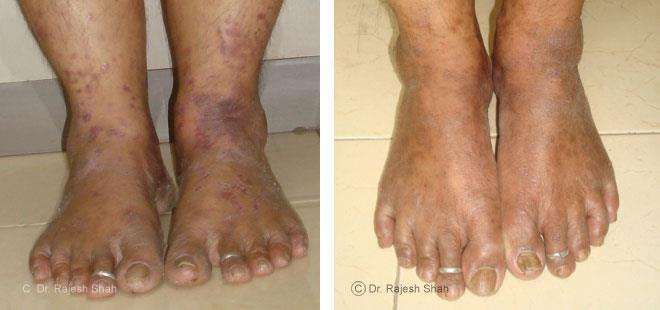
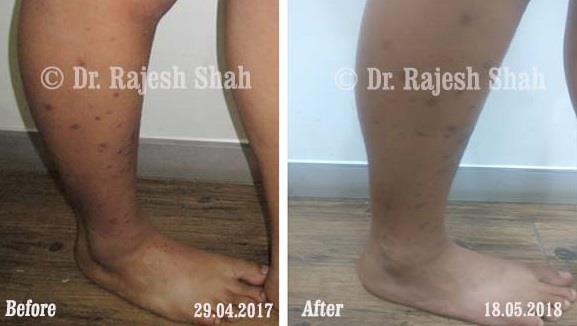
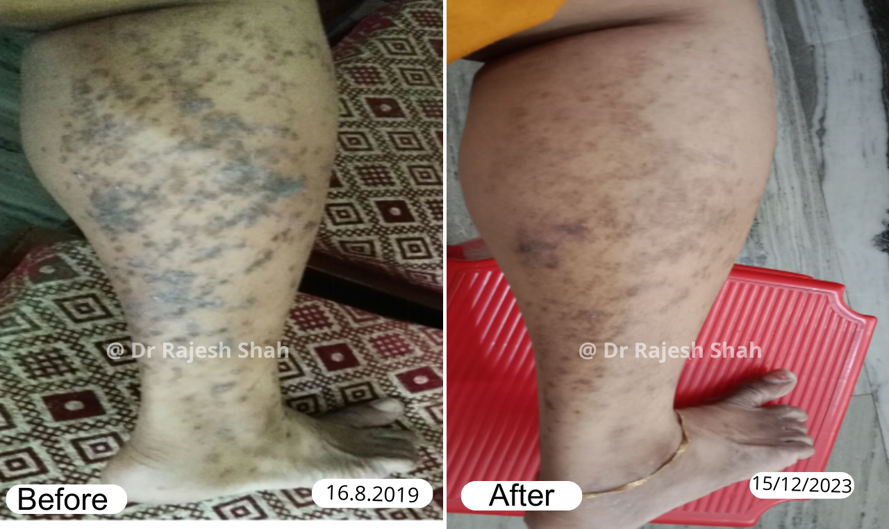
Lichen Planus Pigmentosa
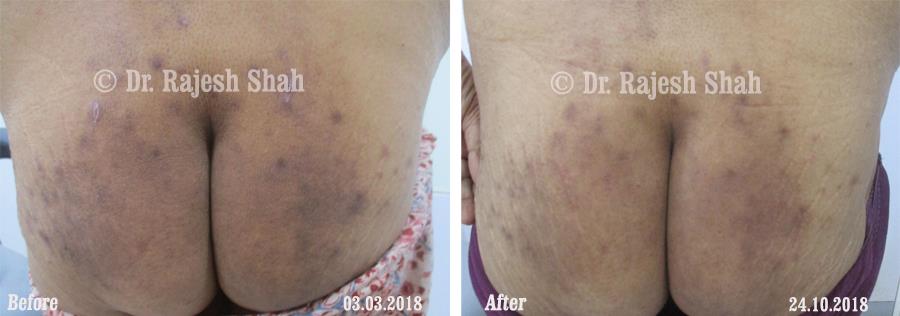
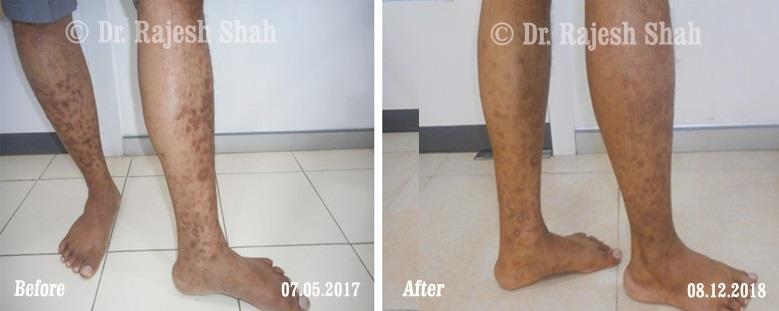
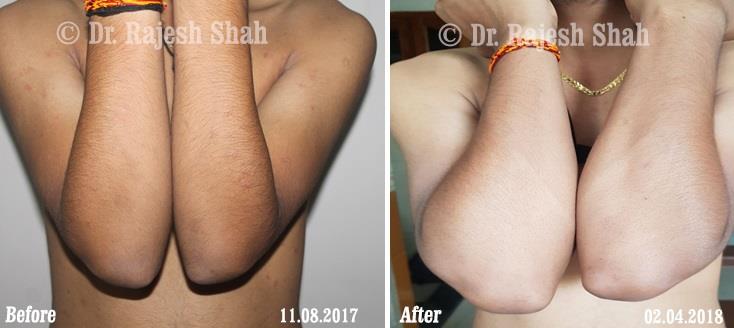
Causes dark brown or black patches on the skin, often triggered by the sun or friction.
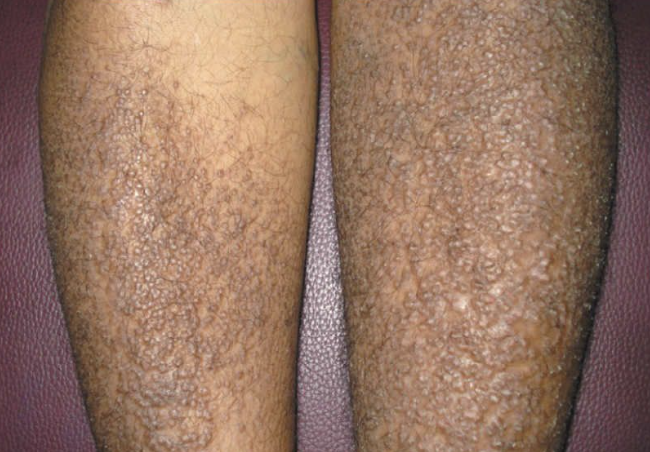
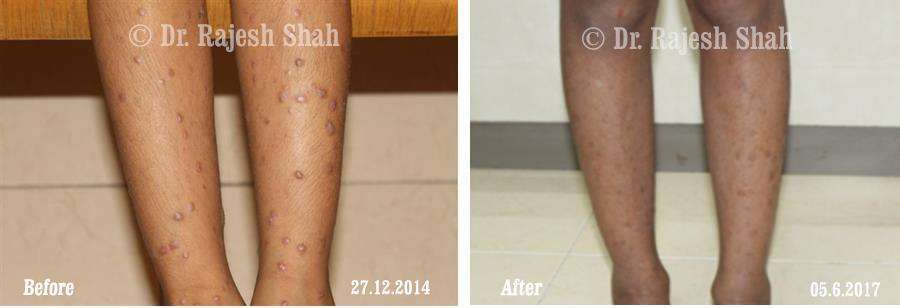
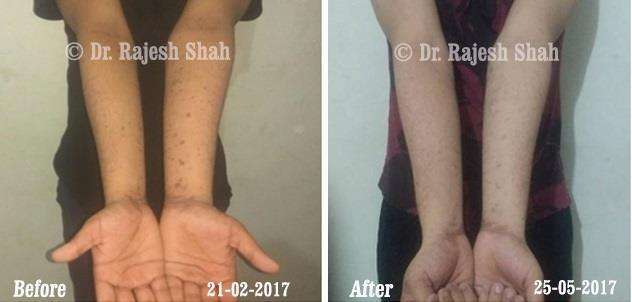
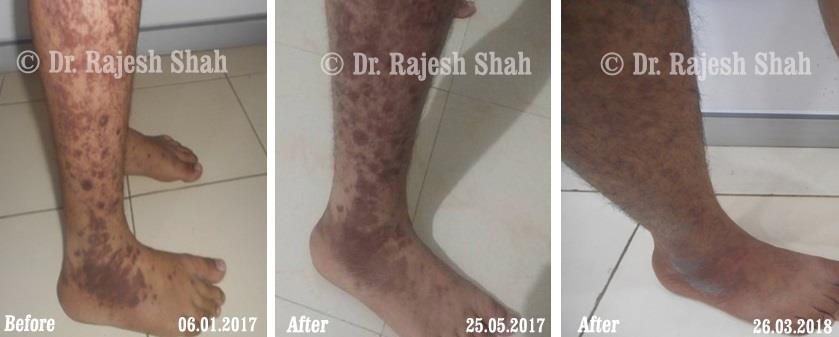
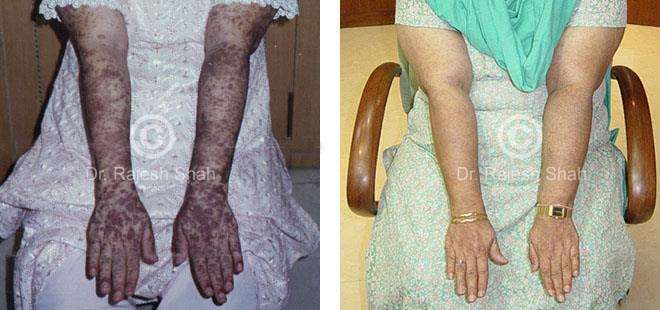
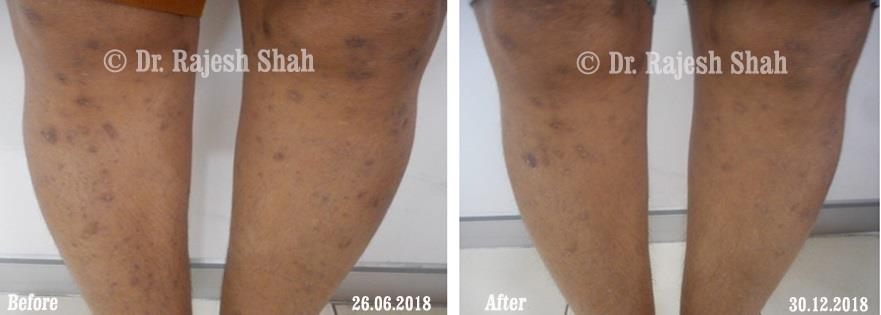
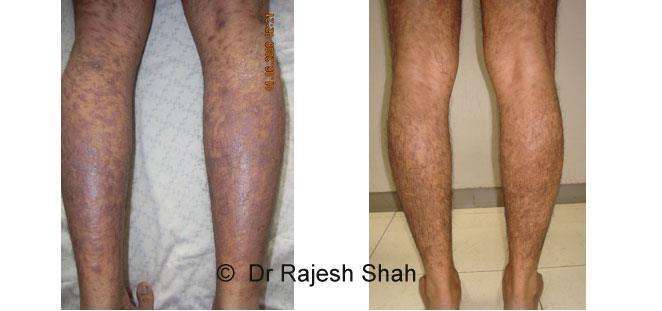
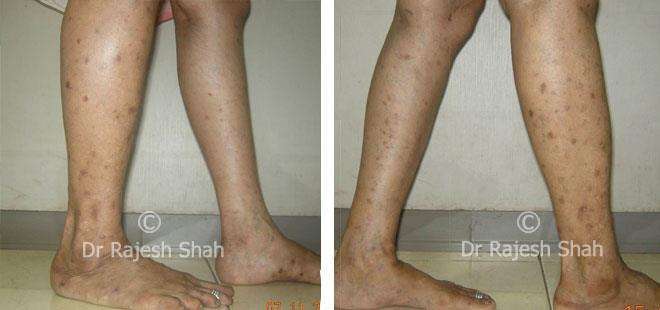
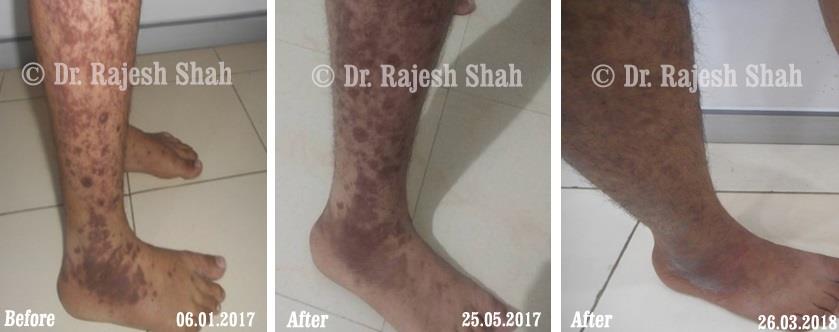
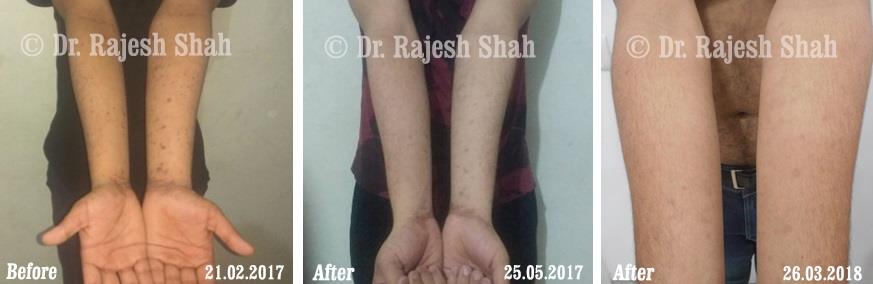
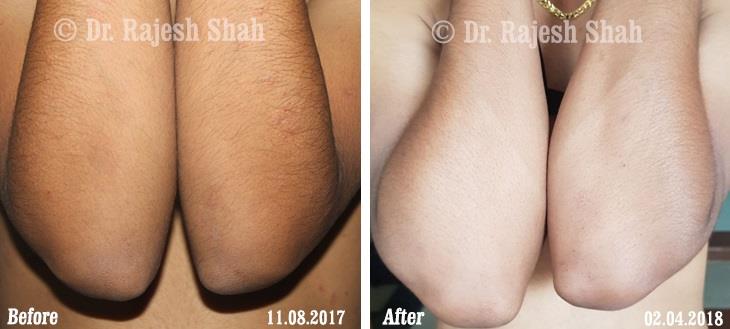
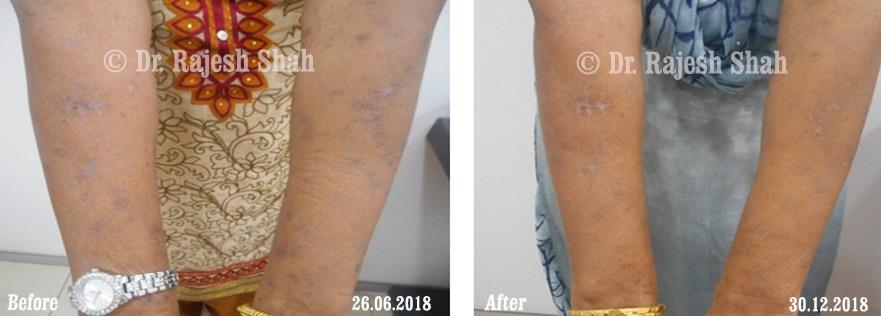
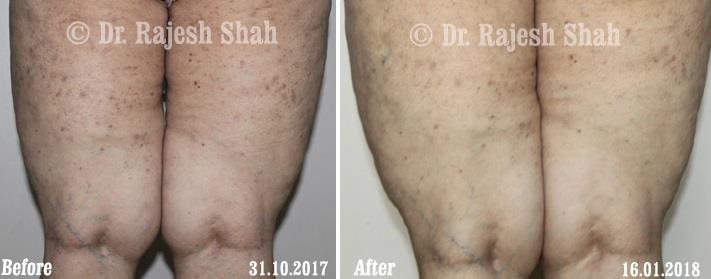
Lichen Amyloidosis
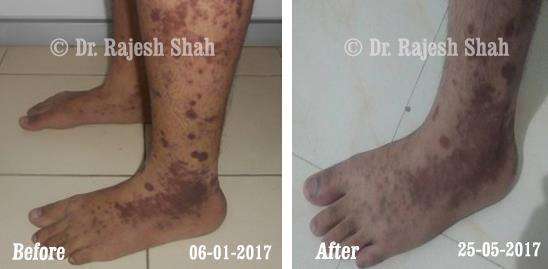
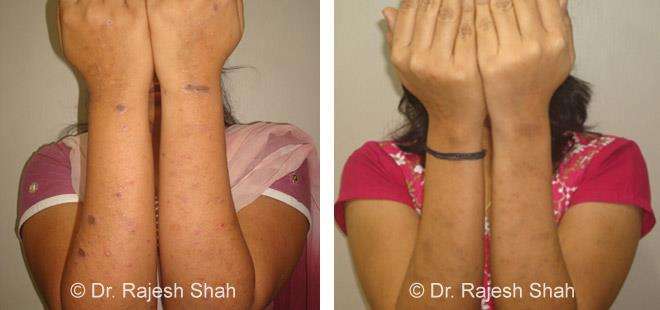
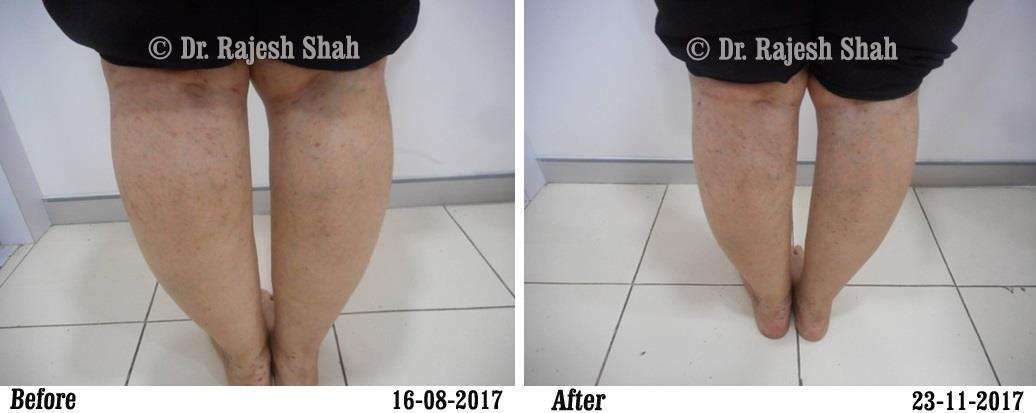
Shows small raised brown bumps that merge over time, commonly on legs and forearms.
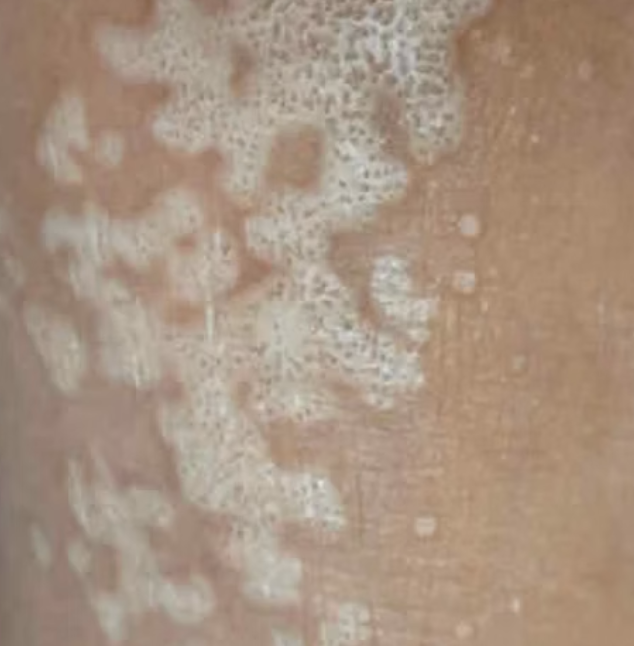
Lichen Sclerosus
Creates thin, white, fragile skin, usually affecting the genital areas, common after menopause.
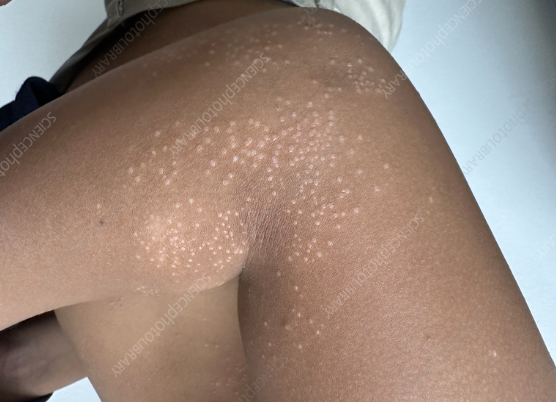
Lichen Nitidus
Presents tiny shiny skin-colored bumps resulting from localized inflammatory activity.
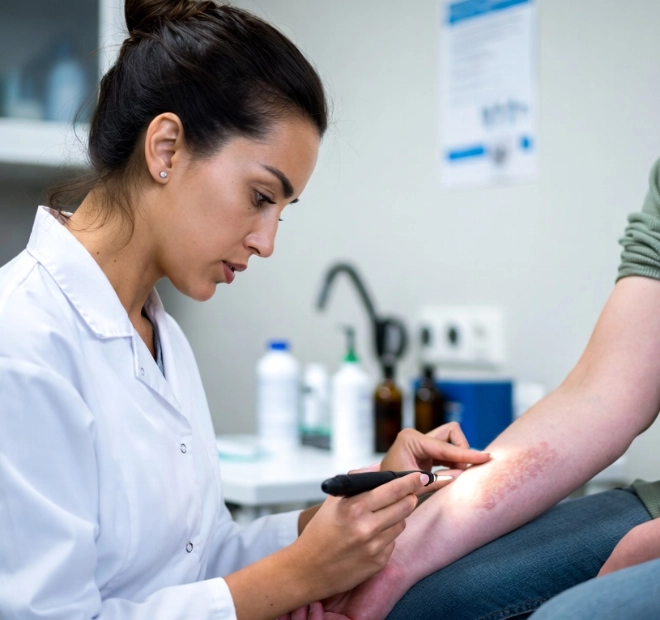
Our Expertise
● Since 1985, Life Force, under the leadership of Dr. Rajesh Shah, has treated and documented several thousand cases of Lichen Planus across its various forms, including skin, oral, genital, scalp, nail, pigmentosa, and lichen planopilaris variants.
● Patients from across the world have sought homeopathic care through both online consultations and in-person visits at our Mumbai centers. Many have experienced significant clinical improvement and long-term remission, although, like any medical approach, some cases have shown limited or no response. To better understand the clinical approach and patient progress observed in challenging cases, you may explore our detailed recovery story: “An extensive and difficult case of Lichen Planus improved using homeopathic medicines from Life Force.”
● With this extensive clinical experience, Life Force recommends homeopathy as an important approach to managing Lichen Planus. Globally, the condition affects approximately 1.9% of the population, with reported prevalence in India ranging from 0.5% to 2.6%, and a slightly higher incidence of oral lichen planus among females.
Homeopathy for Lichen Planus
Homeopathy offers a gentle, individualized approach to managing Lichen Planus by addressing underlying immune imbalances and supporting long-term symptom control. It may be suitable for various forms of the condition, including skin, oral, scalp, nail, and pigmentosa variants. With carefully selected remedies, homeopathic care aims to help regulate flare-ups, reduce discomfort, and support overall skin and mucosal health.
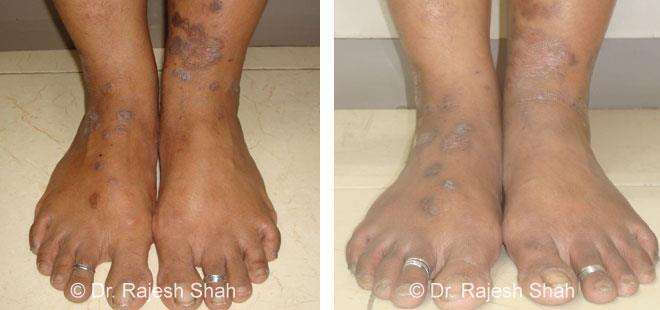
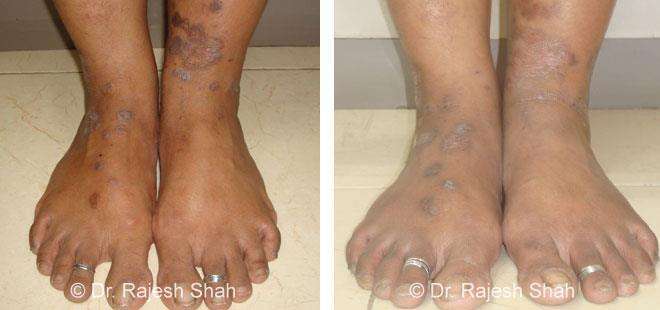
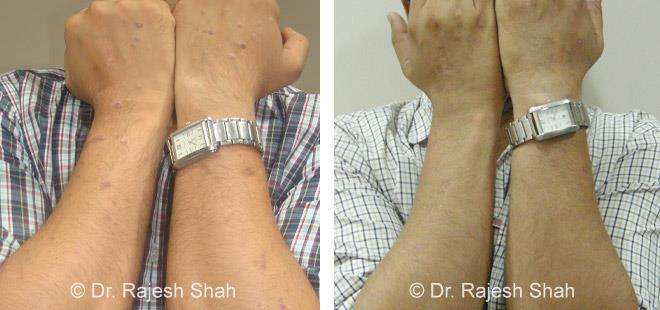
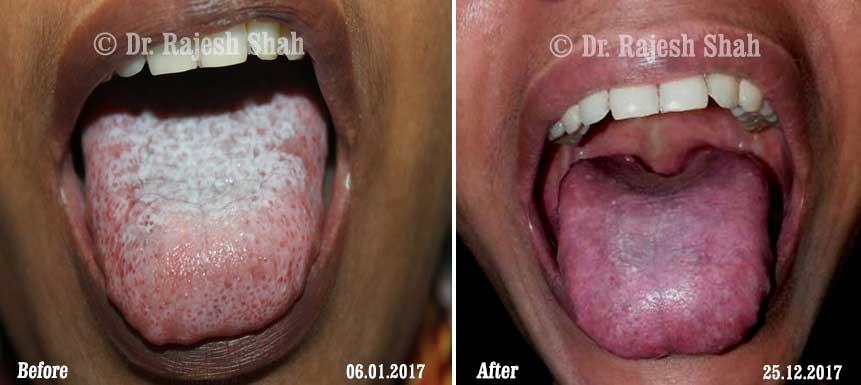
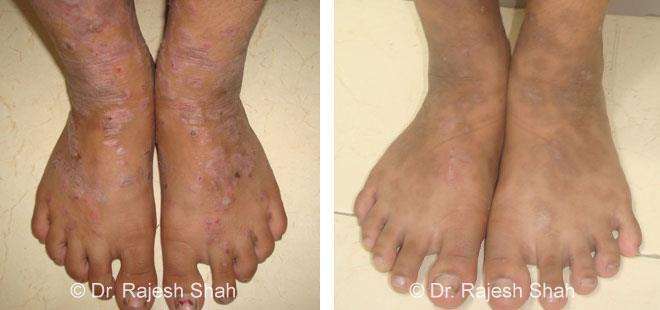
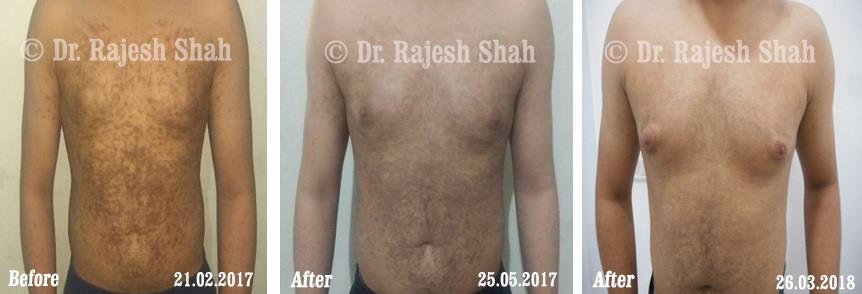
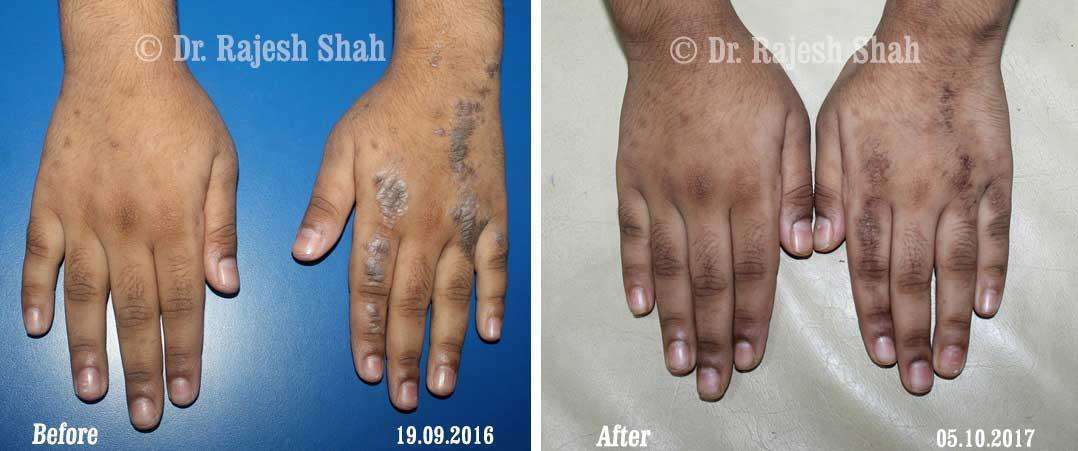
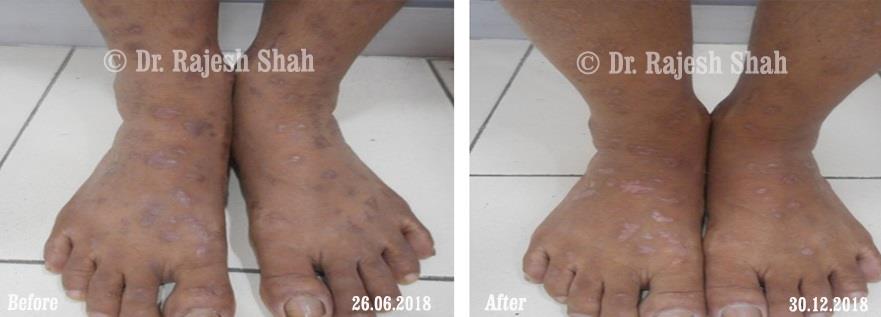
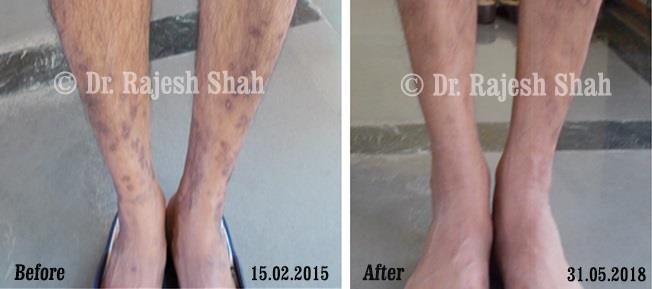
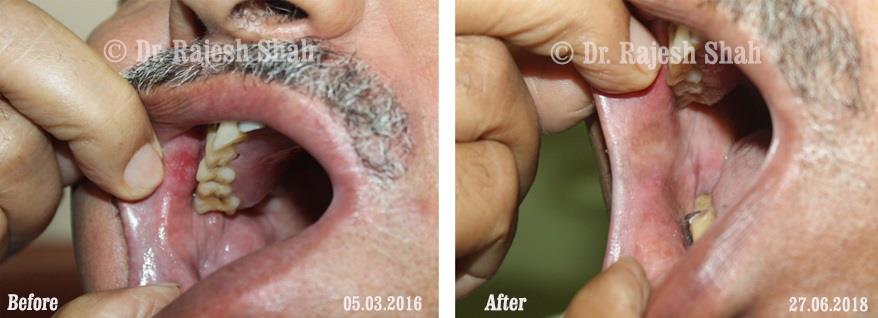
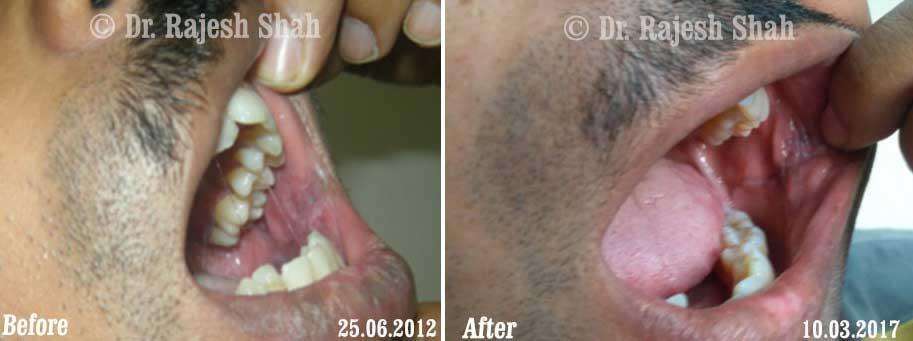
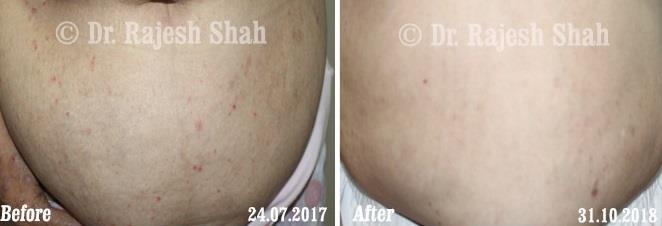
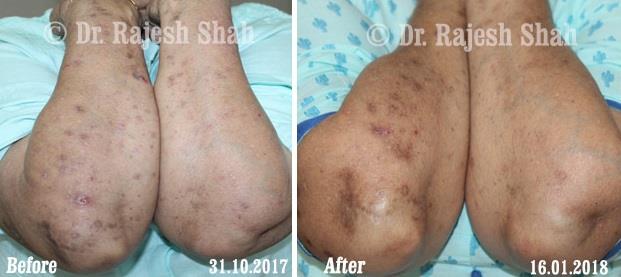
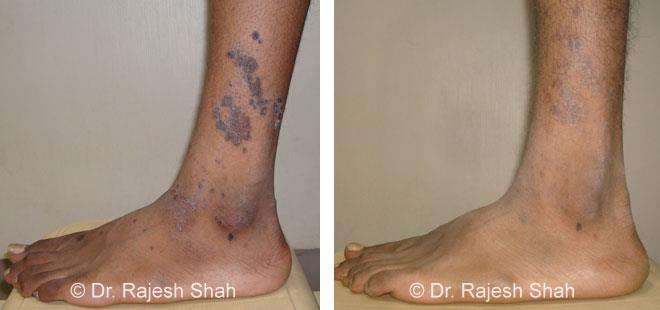
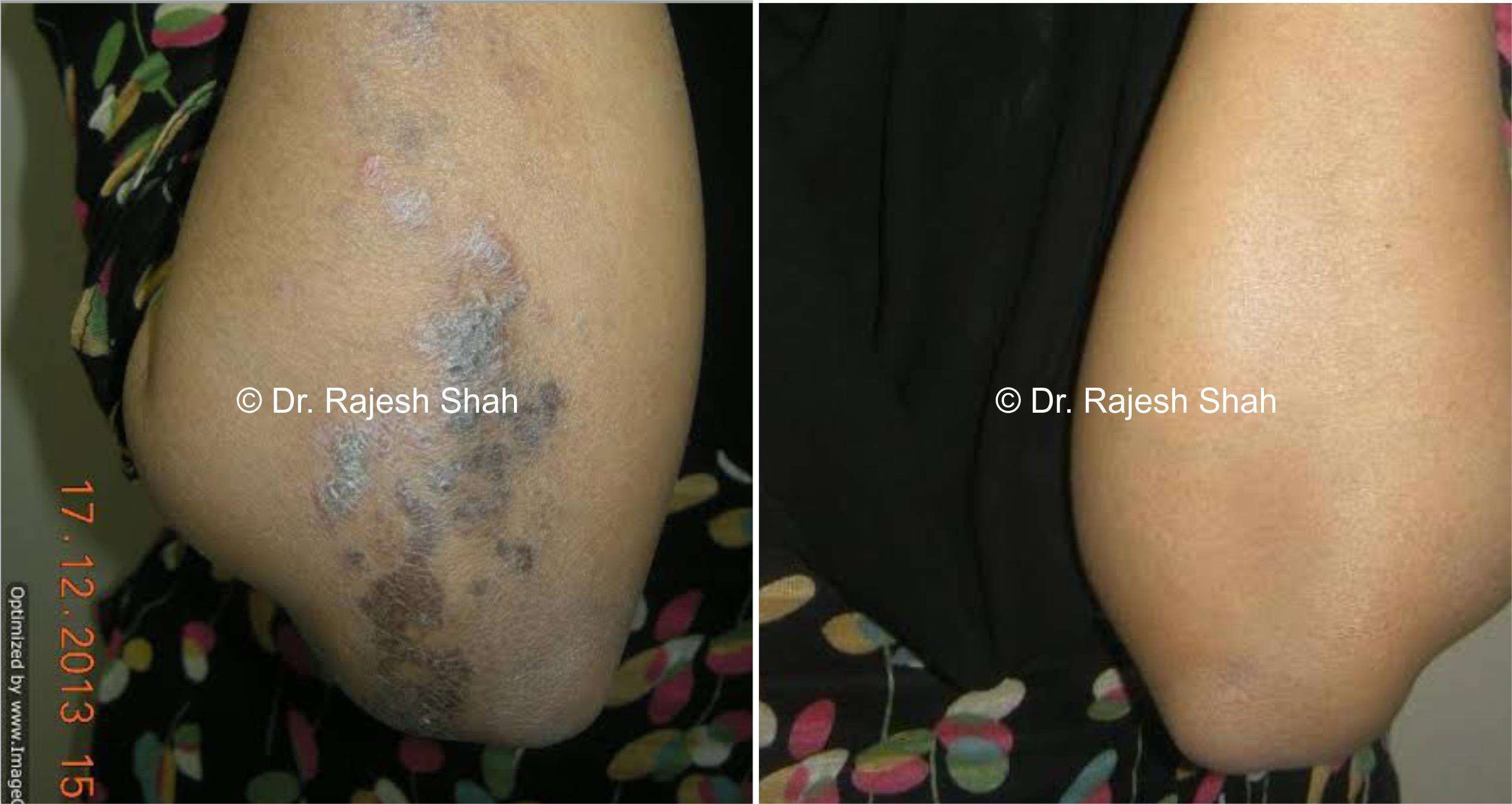
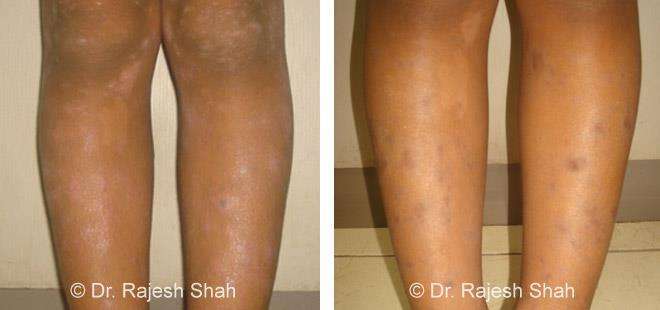
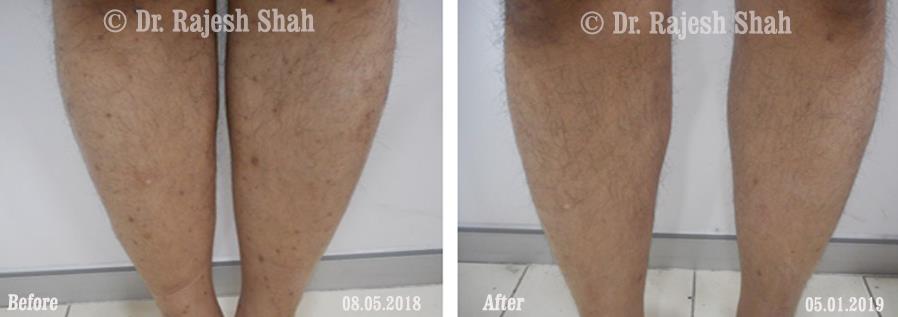
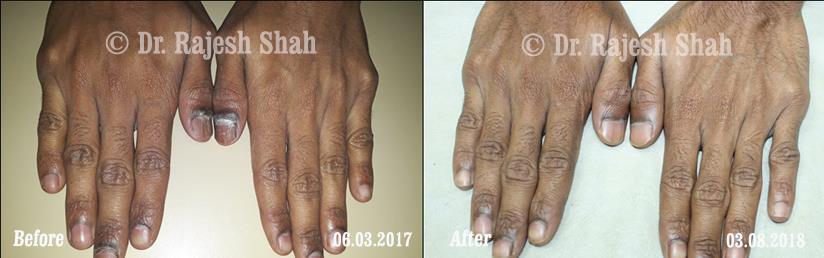
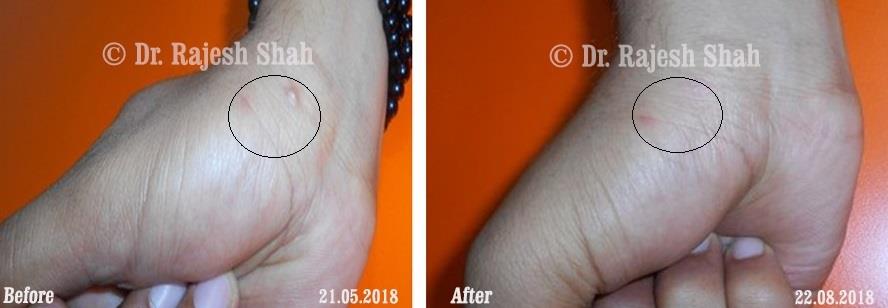
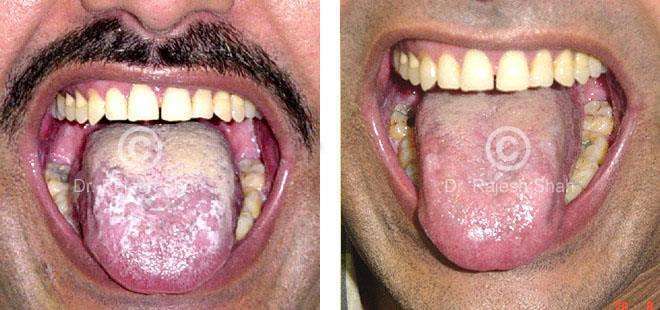
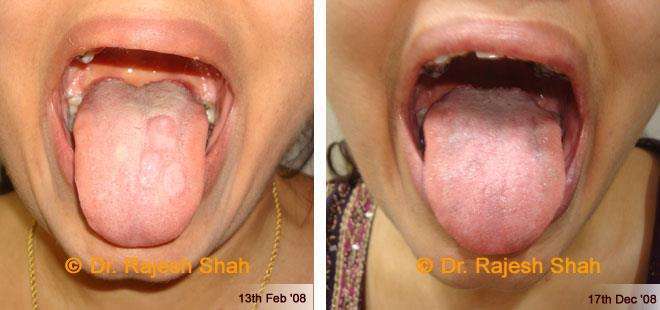
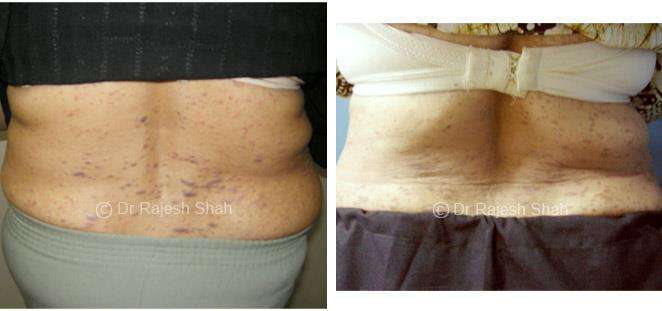
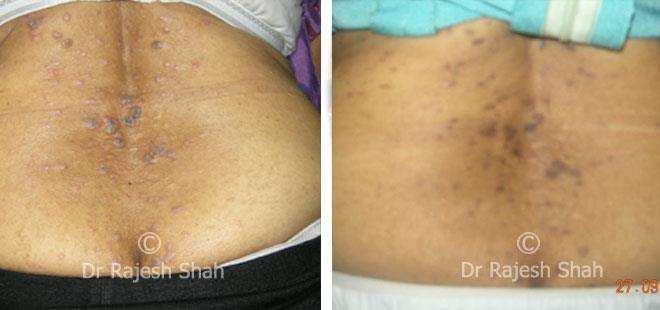
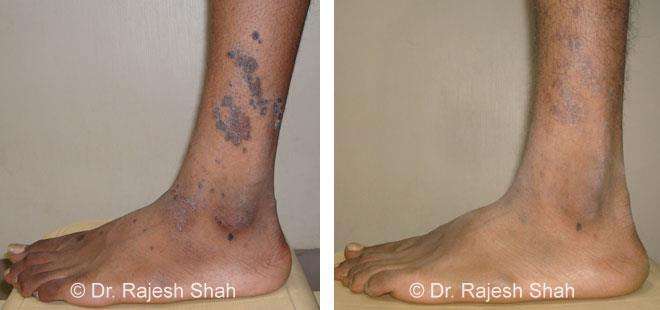
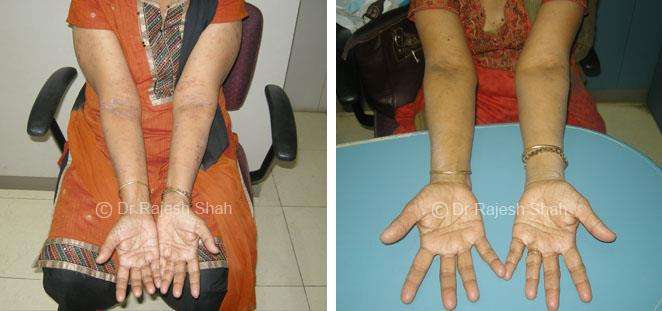
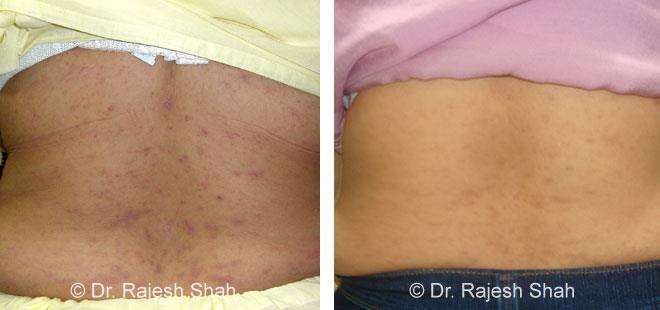
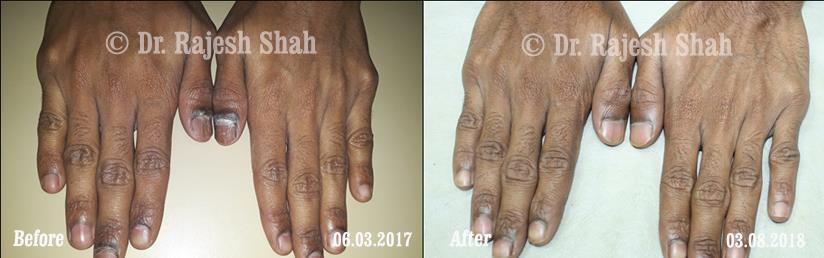
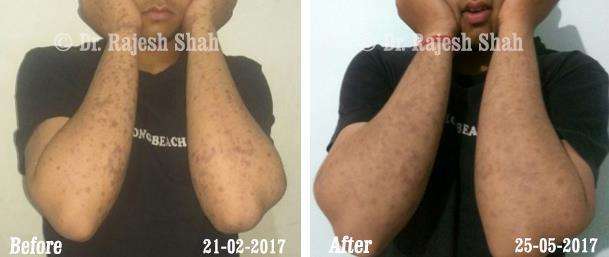
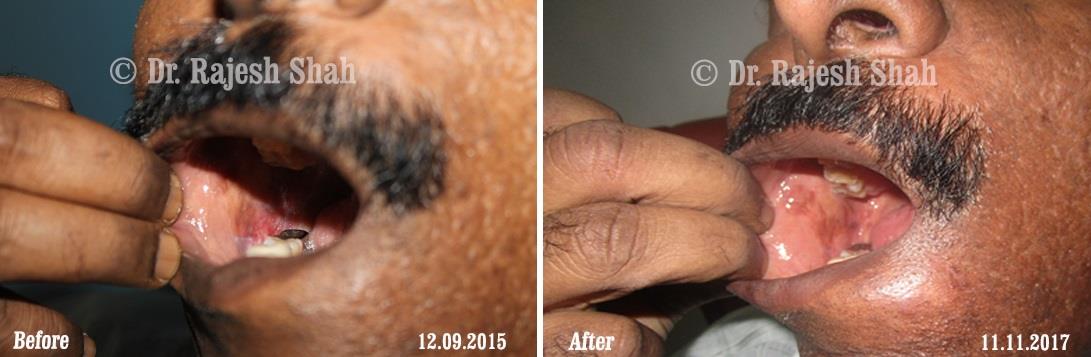
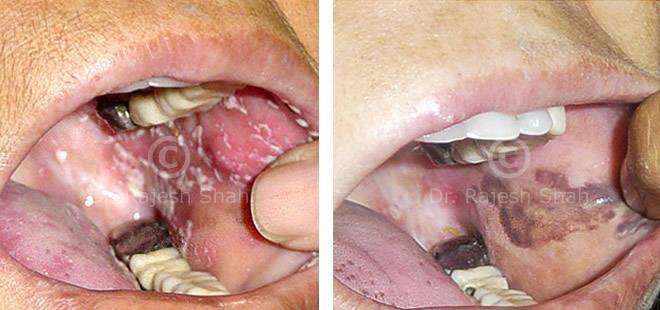
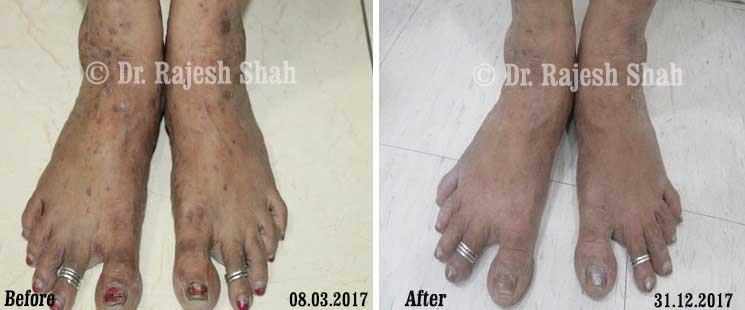
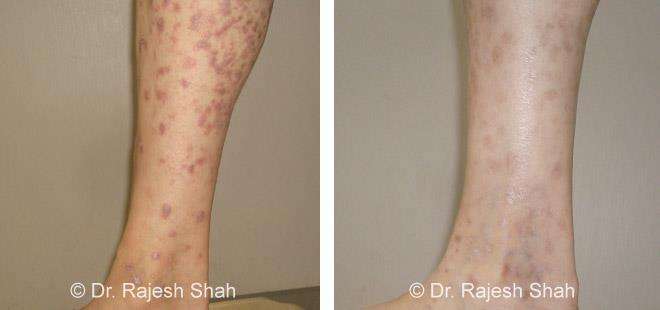
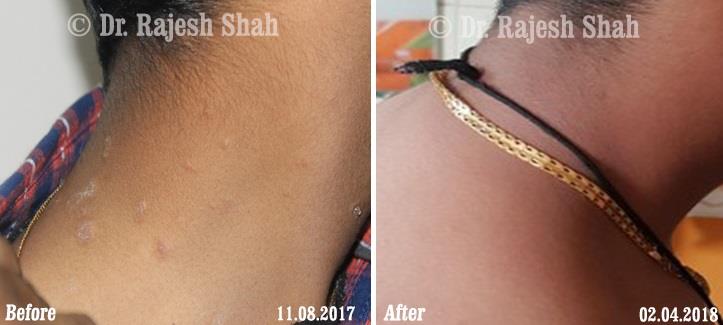
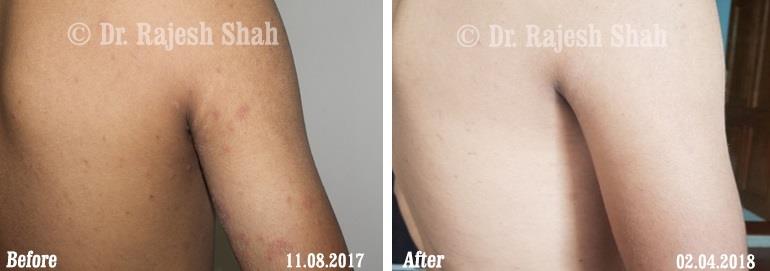
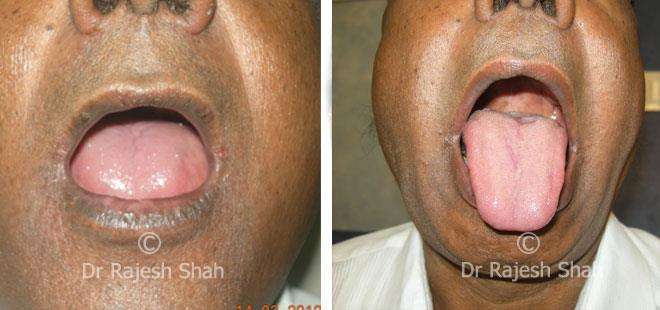
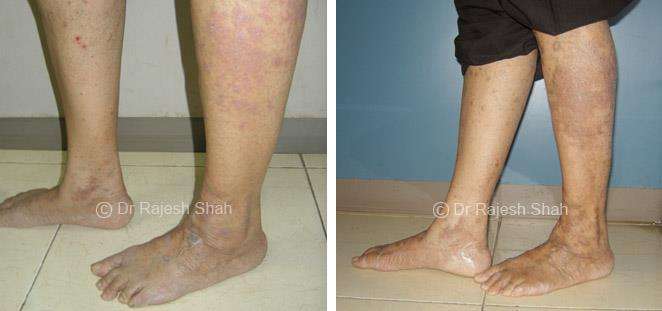
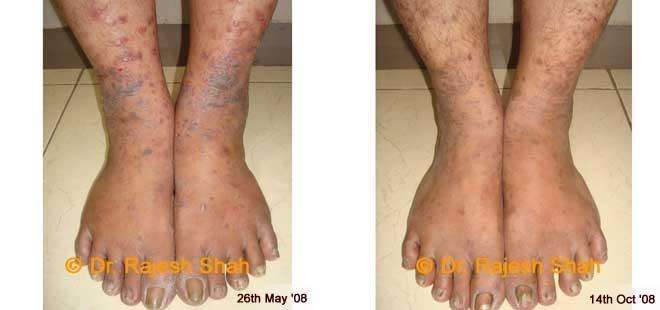
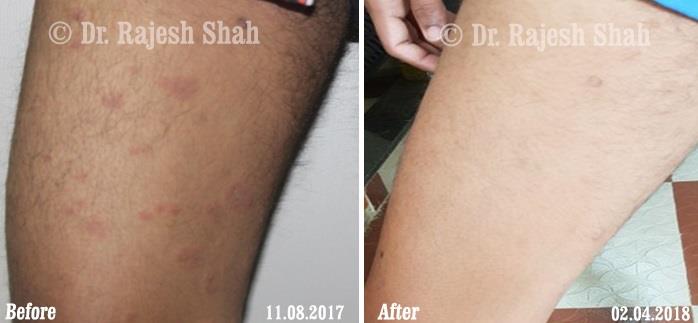
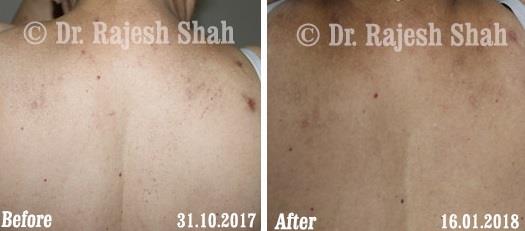
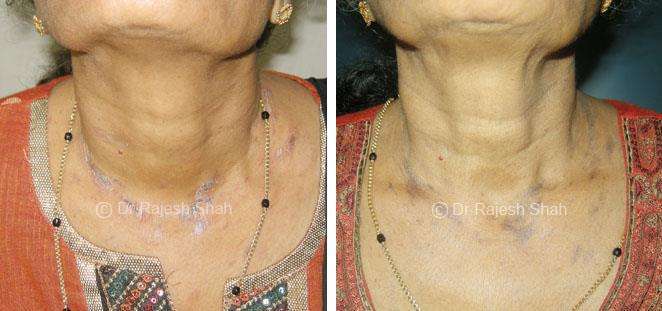
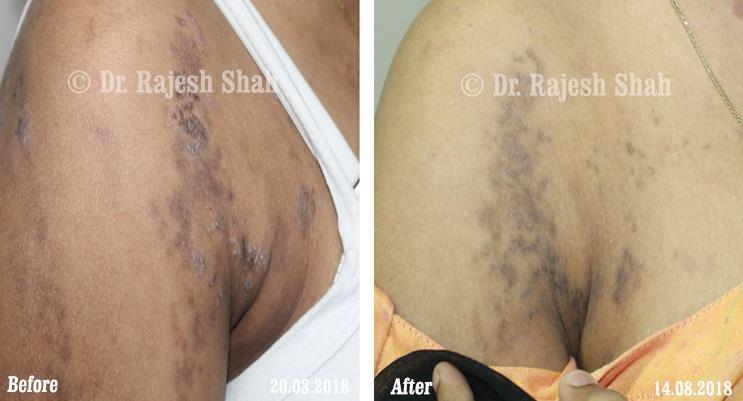
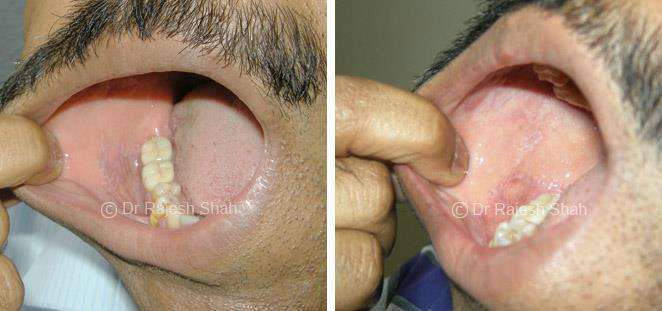
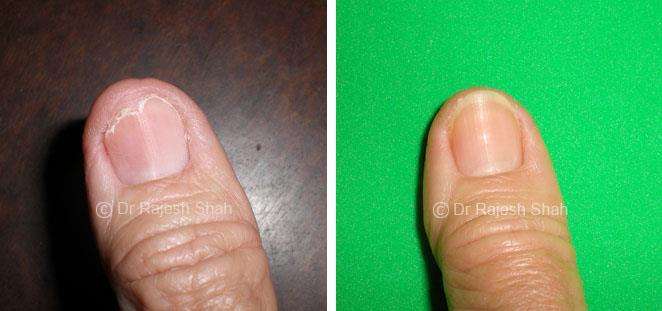
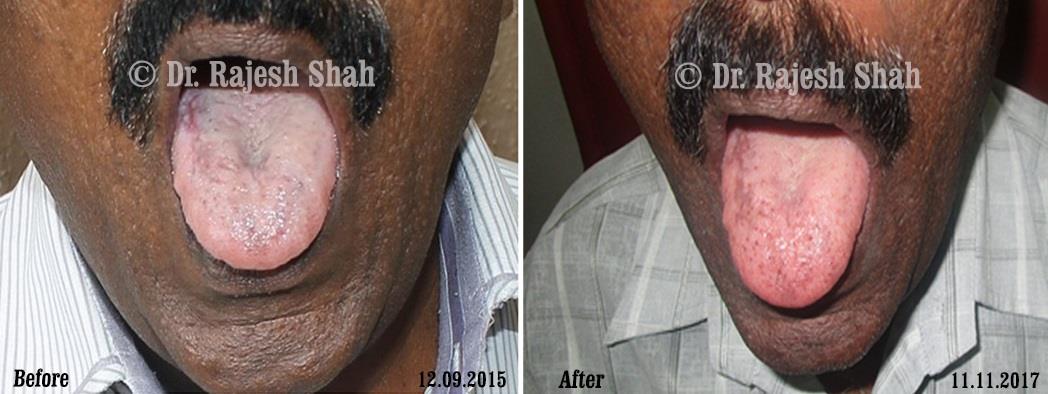
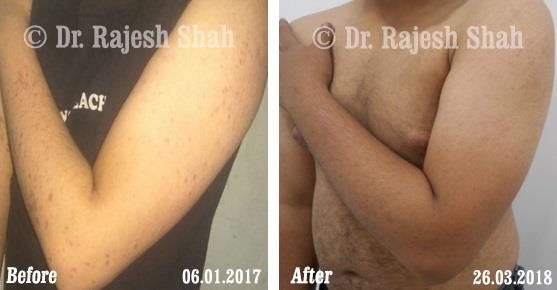
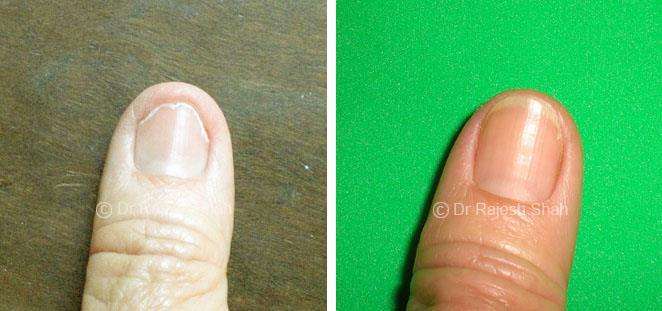
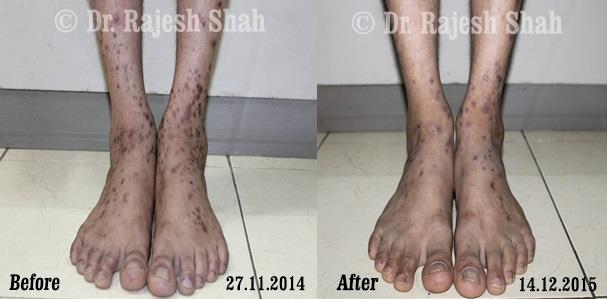
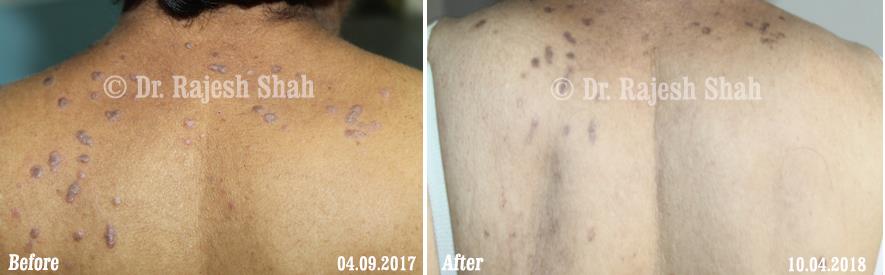
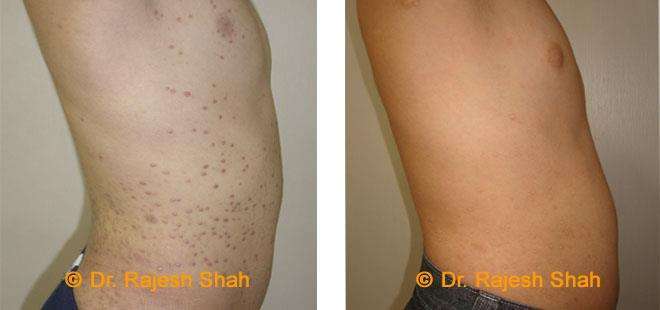
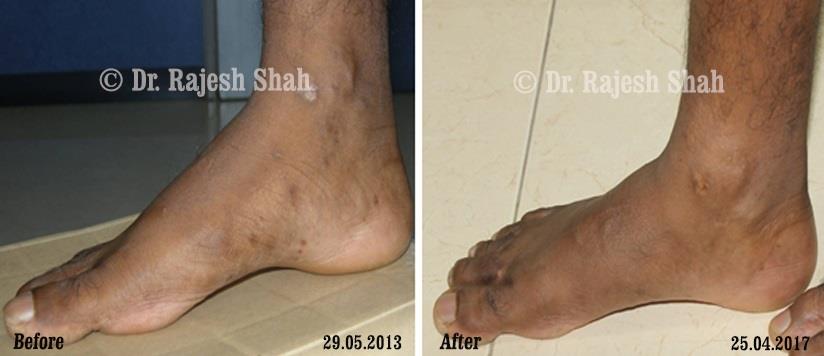
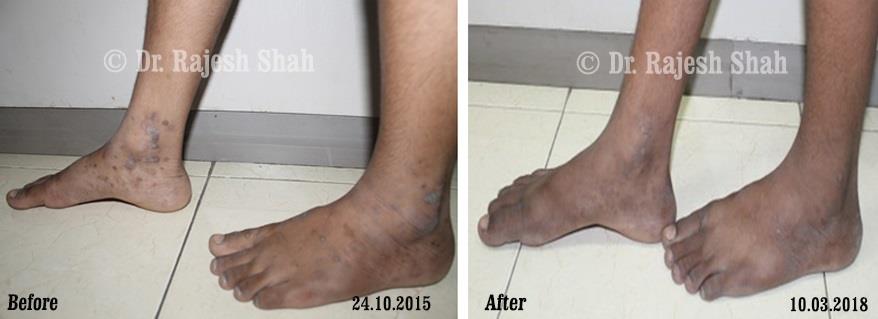
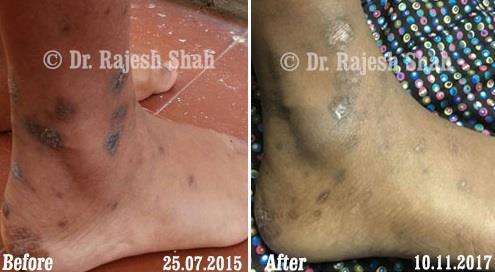
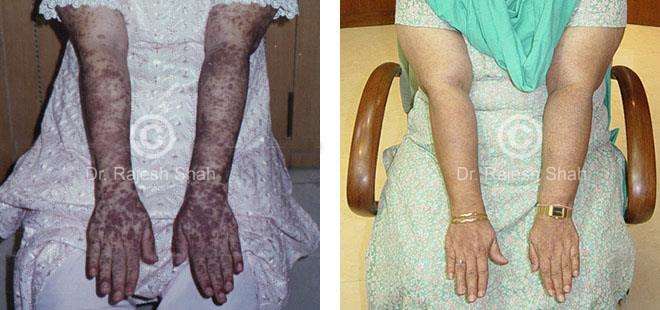
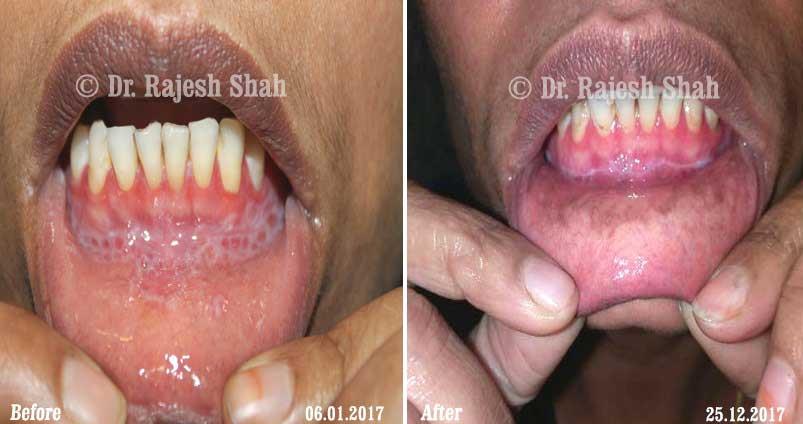
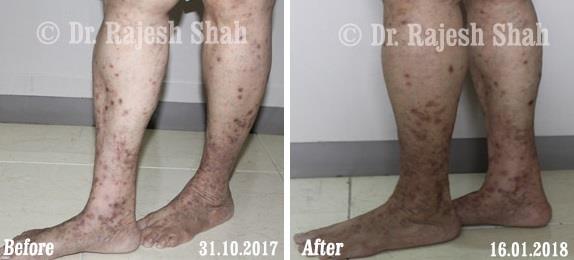
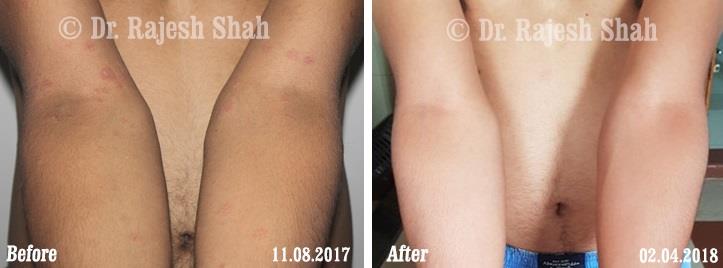
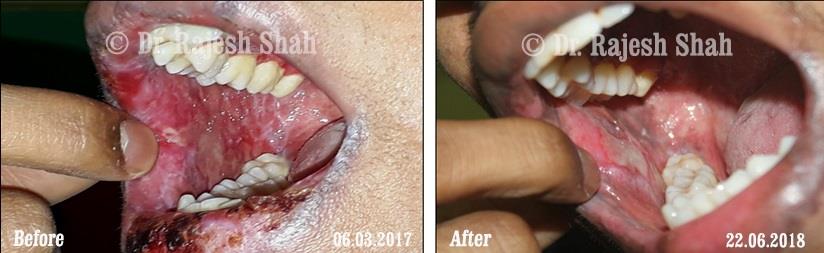
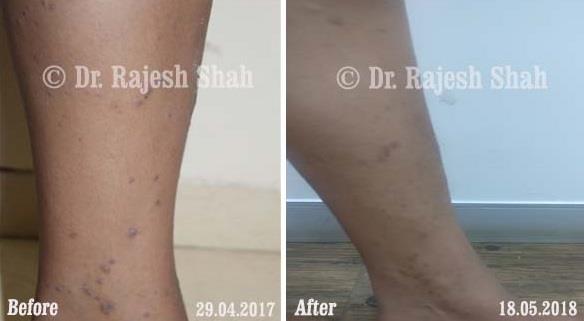
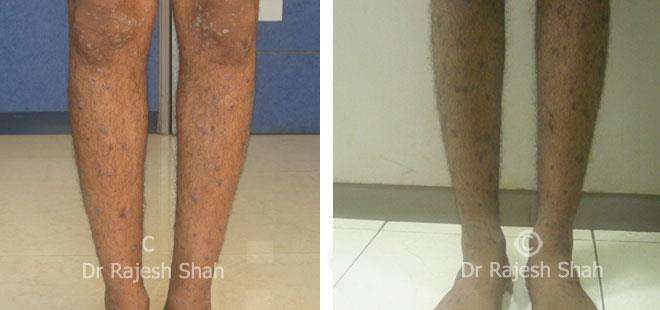
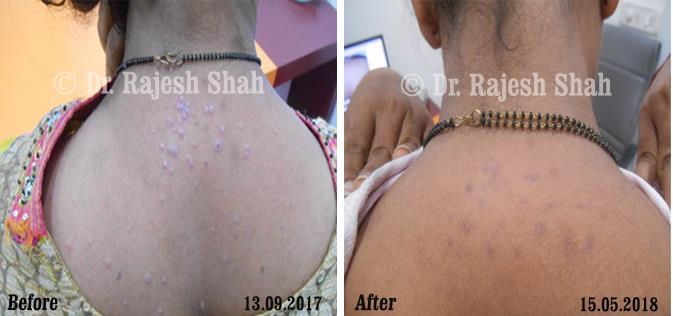
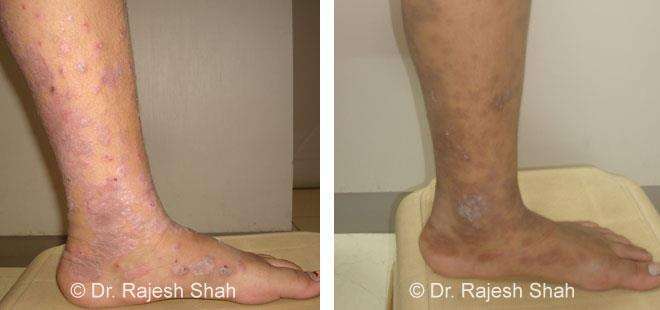
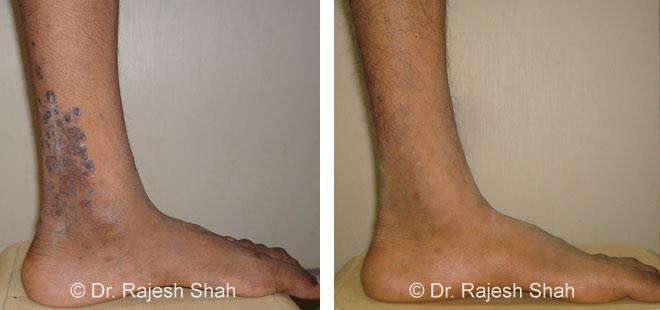
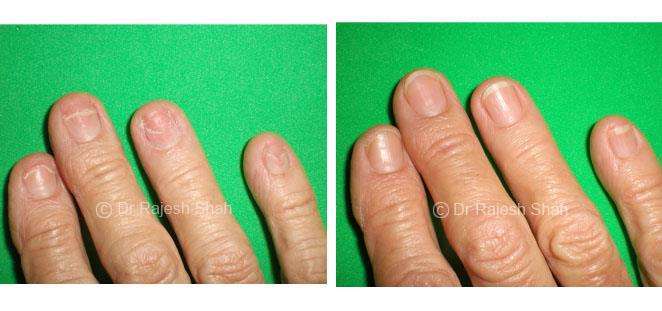
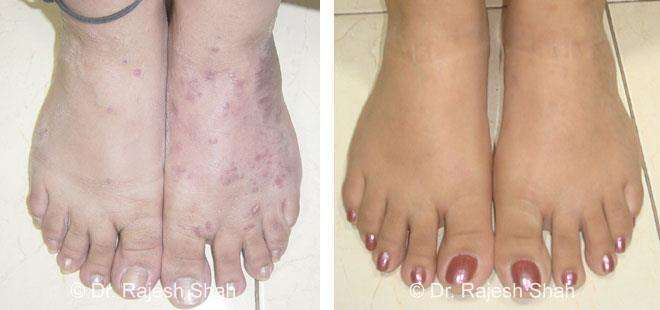
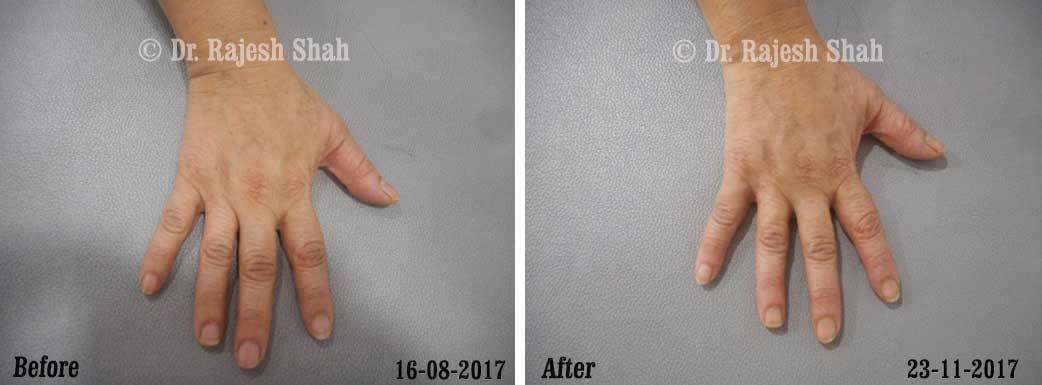
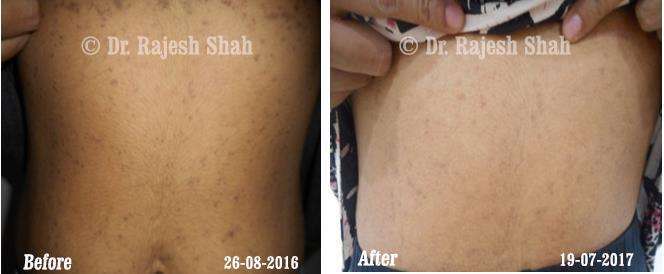
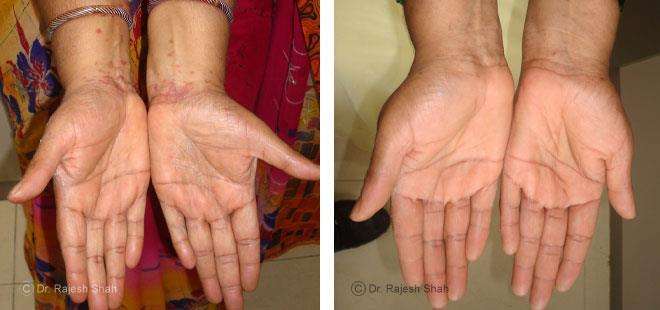
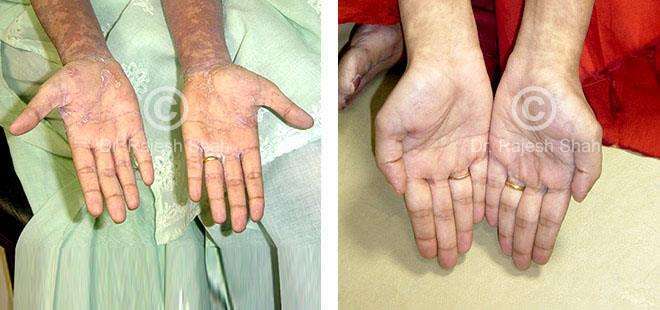
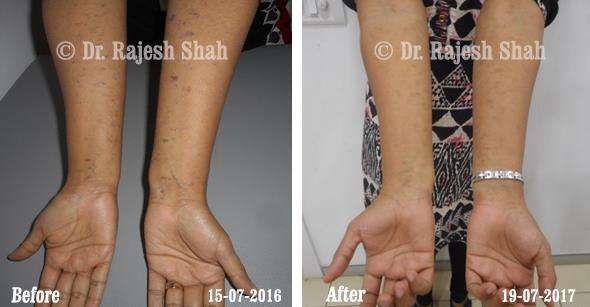
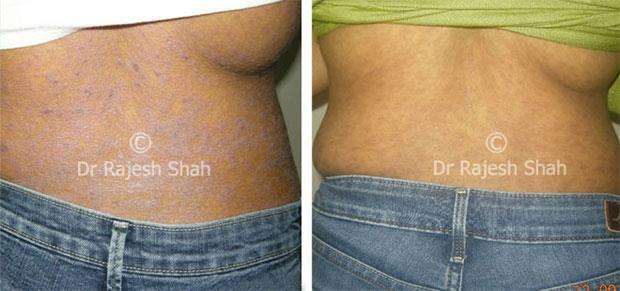
Based on clinical experience, cutaneous (skin) Lichen Planus often shows significant improvement with treatment. Oral and more generalized forms may experience sustained relief and, in selected cases, near-complete resolution. Nail involvement may also demonstrate meaningful recovery, although it typically requires longer treatment duration and close follow-up.


Homeopathic medicines for Lichen Planus
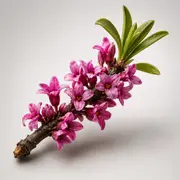
Mezereum is a commonly referenced homeopathic medicine in skin conditions where there may be intense itching, burning, thick crusting, scaling, and sensitivity of the skin. In Lichen Planus, homeopathic doctors may consider Mezereum when the patient has dry, itchy, scaly eruptions or irritation that worsens with scratching. It may be studied in cases of skin Lichen Planus, and sometimes in patients with associated oral, genital, or nail Lichen Planus, depending on the complete symptom picture. In homeopathy, Mezereum is not selected only by the disease name, but by matching the patient’s skin symptoms, itching pattern, triggers, and overall health. Mezereum is good for Lichen Planus on the skin and nails.
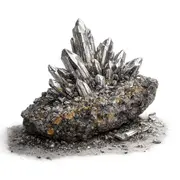
Antimonium crudum is often described in homeopathic literature for skin complaints with thickened, rough, scaly, crusty, or itchy eruptions. It is also associated with complaints where the skin may be dry, irritated, and sensitive, sometimes with digestive disturbances or a coated tongue. In Lichen Planus, a homeopathic physician may consider Antimonium crudum when skin lesions appear rough, thick, itchy, or aggravated by heat, washing, or certain food habits. It may be evaluated in skin Lichen Planus, oral Lichen Planus, genital Lichen Planus, or nail Lichen Planus only after proper case-taking. Medicine selection should always be individualized. Antimonium crudum is one of the major medicines for Lichen Planus affecting the nails and genitals.
Kreosotum is mentioned in homeopathic references for complaints involving burning, soreness, rawness, unhealthy mucous membranes, and irritation with a tendency to discharge or bleeding. In Lichen Planus, homeopathic doctors may consider Kreosotum when the patient has painful, burning, sensitive lesions, especially when mucous membranes are involved. It may be clinically considered in selected cases of oral Lichen Planus or genital Lichen Planus, particularly when there is soreness, raw feeling, or recurrent irritation. It may also be reviewed in skin or nail Lichen Planus depending on the totality of symptoms. Kreosotum should be used only under the guidance of a qualified homeopathic practitioner. Kreosotum is often prescribed for oral Lichen Planus and genital lichen planus, especially in females.
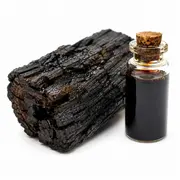
Kali chloratum is mainly associated with mouth inflammation, ulcers, stomatitis, and unhealthy mucous membrane conditions in homeopathic references. In Lichen Planus, it may be considered by homeopathic physicians when oral Lichen Planus presents with painful mouth ulcers, rawness, burning, sensitivity, or recurrent inflammation of the inner cheeks, gums, or tongue. It may also be assessed in genital Lichen Planus when mucosal soreness is prominent. For skin and nail Lichen Planus, its role depends on the patient’s complete symptom pattern. Kali chloratum should not be self-prescribed, especially for chronic or painful mucosal complaints. Kali chloratum is indicated for oral and genital Lichen Planus.
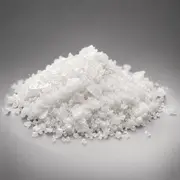
Hydrocotyle asiatica is described in homeopathic references for thickening, hardening, scaling, and overgrowth-like changes in the skin and connective tissue. In Lichen Planus, it may be considered when the skin appears thickened, rough, scaly, dry, or indurated, especially in long-standing or chronic skin lesions. A homeopathic doctor may evaluate Hydrocotyle asiatica in cases of skin Lichen Planus and, depending on symptoms, in nail Lichen Planus where thickening or deformity is noticed. For oral or genital Lichen Planus, medication selection depends on mucosal symptoms and a comprehensive case analysis. Results may vary from patient to patient. Hydrocotyle asiatica, in some lower potencies, works for Lichen Planus of the skin and nails.
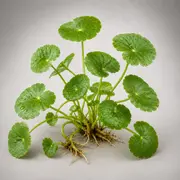
Mezereum is a commonly referenced homeopathic medicine in skin conditions where there may be intense itching, burning, thick crusting, scaling, and sensitivity of the skin. In Lichen Planus, homeopathic doctors may consider Mezereum when the patient has dry, itchy, scaly eruptions or irritation that worsens with scratching. It may be studied in cases of skin Lichen Planus, and sometimes in patients with associated oral, genital, or nail Lichen Planus, depending on the complete symptom picture. In homeopathy, Mezereum is not selected only by the disease name, but by matching the patient’s skin symptoms, itching pattern, triggers, and overall health. Mezereum is good for Lichen Planus on the skin and nails.
Antimonium crudum is often described in homeopathic literature for skin complaints with thickened, rough, scaly, crusty, or itchy eruptions. It is also associated with complaints where the skin may be dry, irritated, and sensitive, sometimes with digestive disturbances or a coated tongue. In Lichen Planus, a homeopathic physician may consider Antimonium crudum when skin lesions appear rough, thick, itchy, or aggravated by heat, washing, or certain food habits. It may be evaluated in skin Lichen Planus, oral Lichen Planus, genital Lichen Planus, or nail Lichen Planus only after proper case-taking. Medicine selection should always be individualized. Antimonium crudum is one of the major medicines for Lichen Planus affecting the nails and genitals.
Kreosotum is mentioned in homeopathic references for complaints involving burning, soreness, rawness, unhealthy mucous membranes, and irritation with a tendency to discharge or bleeding. In Lichen Planus, homeopathic doctors may consider Kreosotum when the patient has painful, burning, sensitive lesions, especially when mucous membranes are involved. It may be clinically considered in selected cases of oral Lichen Planus or genital Lichen Planus, particularly when there is soreness, raw feeling, or recurrent irritation. It may also be reviewed in skin or nail Lichen Planus depending on the totality of symptoms. Kreosotum should be used only under the guidance of a qualified homeopathic practitioner. Kreosotum is often prescribed for oral Lichen Planus and genital lichen planus, especially in females.
Kali chloratum is mainly associated with mouth inflammation, ulcers, stomatitis, and unhealthy mucous membrane conditions in homeopathic references. In Lichen Planus, it may be considered by homeopathic physicians when oral Lichen Planus presents with painful mouth ulcers, rawness, burning, sensitivity, or recurrent inflammation of the inner cheeks, gums, or tongue. It may also be assessed in genital Lichen Planus when mucosal soreness is prominent. For skin and nail Lichen Planus, its role depends on the patient’s complete symptom pattern. Kali chloratum should not be self-prescribed, especially for chronic or painful mucosal complaints. Kali chloratum is indicated for oral and genital Lichen Planus.
Hydrocotyle asiatica is described in homeopathic references for thickening, hardening, scaling, and overgrowth-like changes in the skin and connective tissue. In Lichen Planus, it may be considered when the skin appears thickened, rough, scaly, dry, or indurated, especially in long-standing or chronic skin lesions. A homeopathic doctor may evaluate Hydrocotyle asiatica in cases of skin Lichen Planus and, depending on symptoms, in nail Lichen Planus where thickening or deformity is noticed. For oral or genital Lichen Planus, medication selection depends on mucosal symptoms and a comprehensive case analysis. Results may vary from patient to patient. Hydrocotyle asiatica, in some lower potencies, works for Lichen Planus of the skin and nails.
Case Studies
Lichen Planus
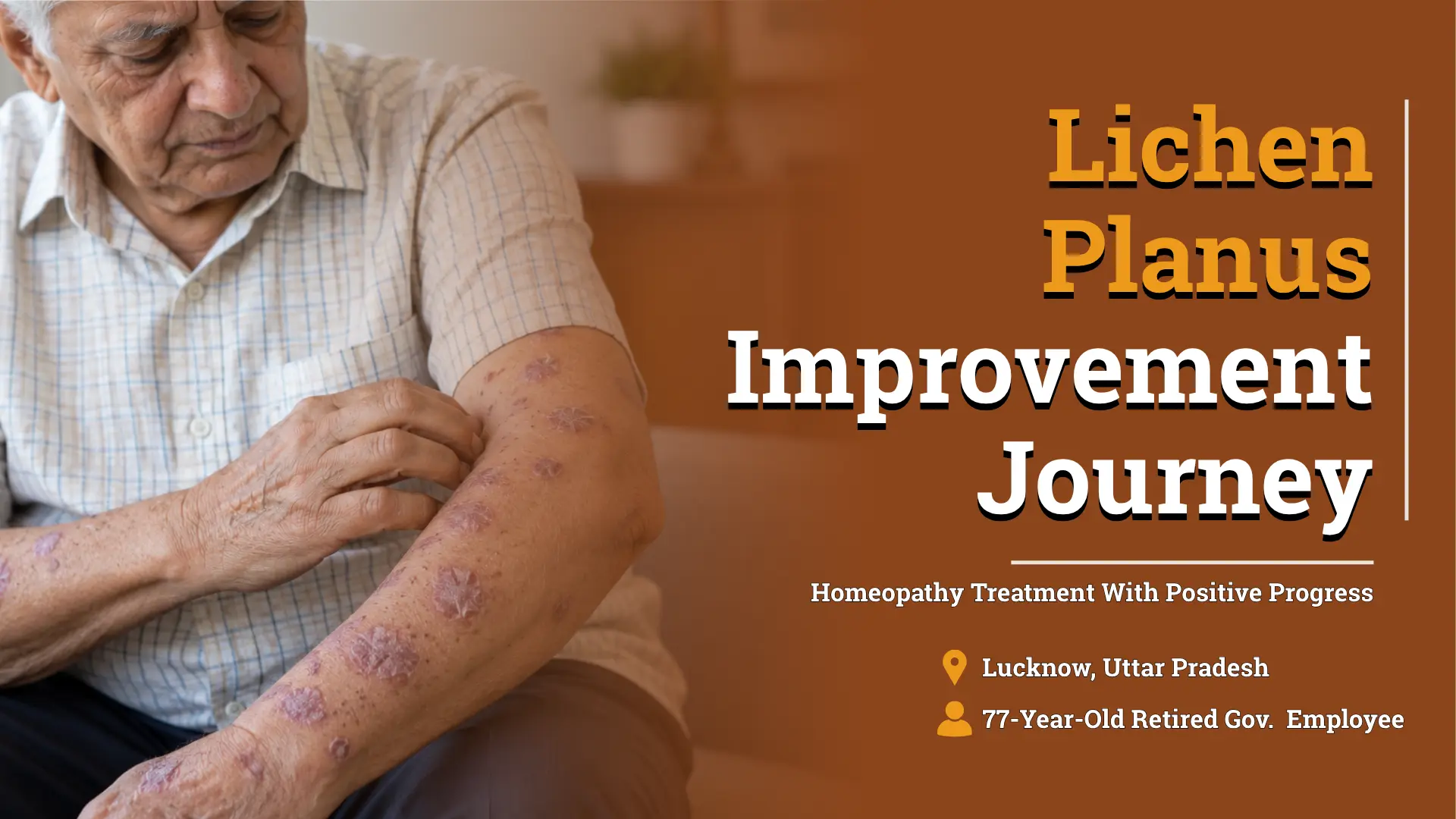
Five Months of Itching and Recurring Skin Lesions: An 80% Improvement Journey With Lichen Planus
Hero Introduction For a 77-year-old retired man from Lucknow, persistent itching had become an uncomfortable part of everyday life. What…
Lichen Planus
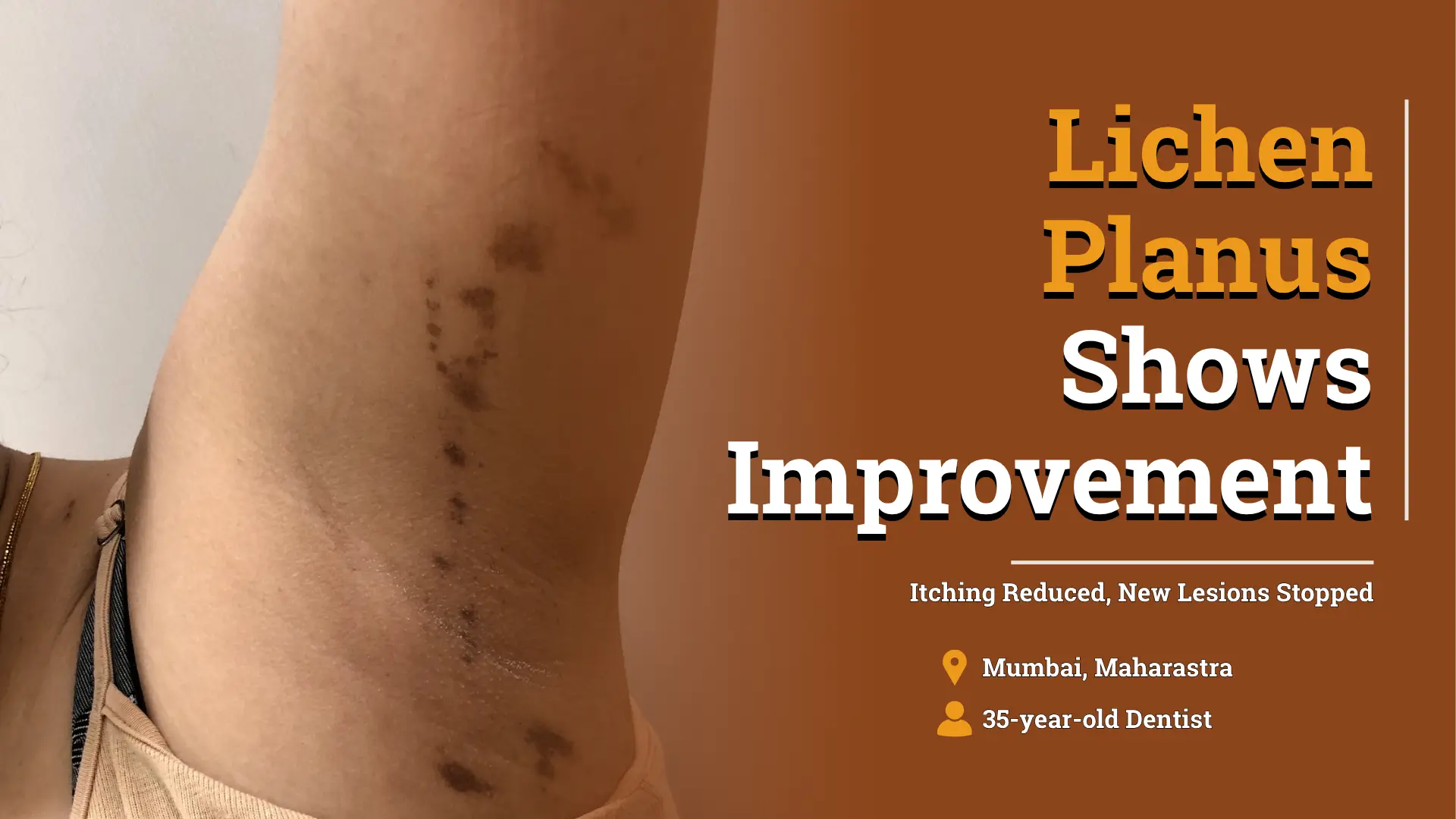
Dentist With Spreading Lichen Planus Gets 75% Better With Homeopathy
When a skin condition spreads quickly, the fear is not only about itching or discomfort. It is also about whether…
Lichen Planus
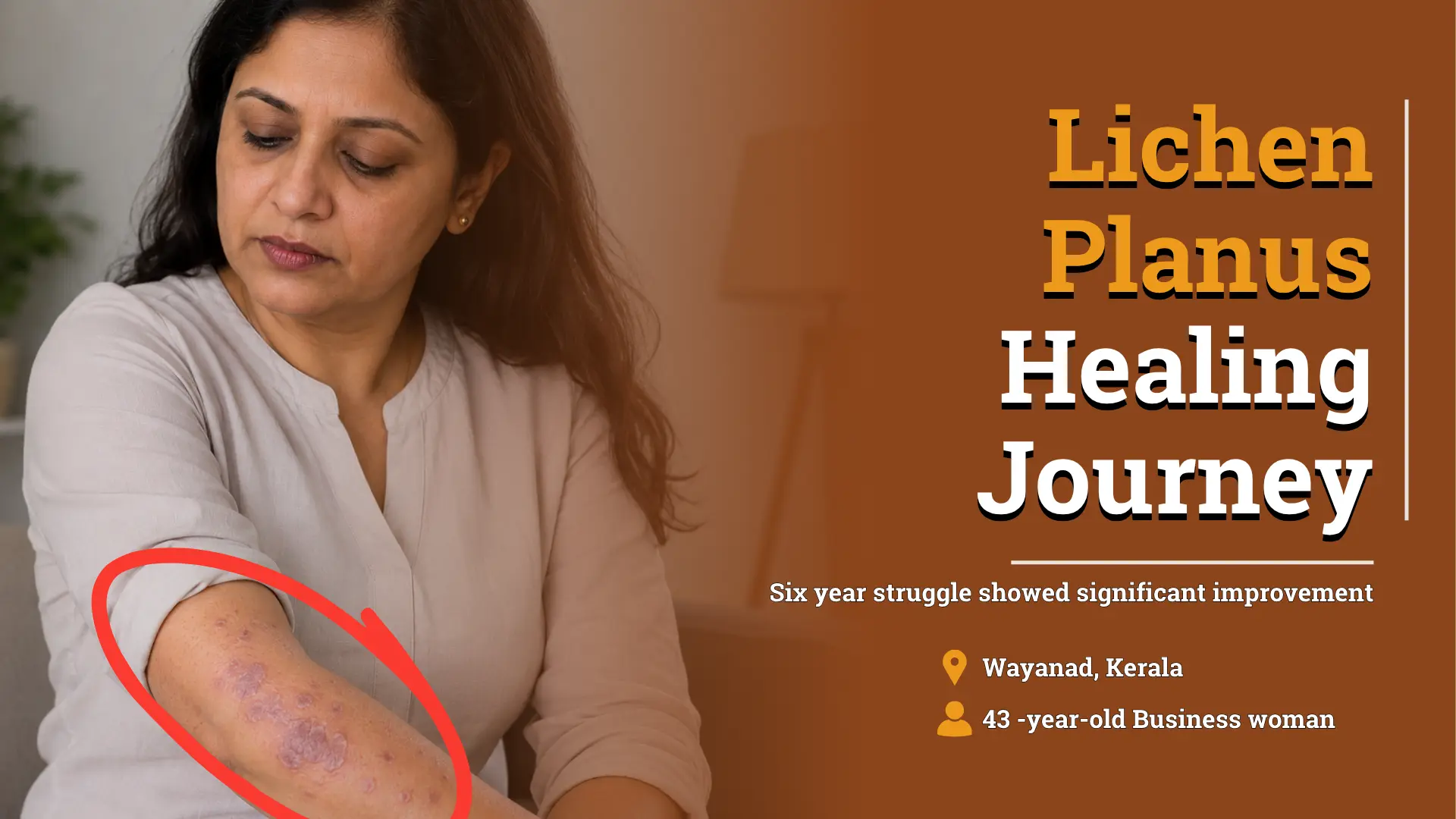
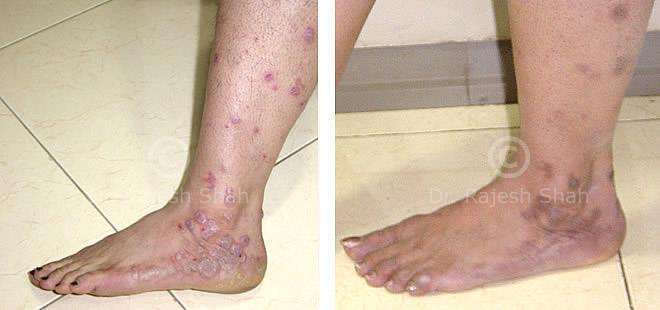
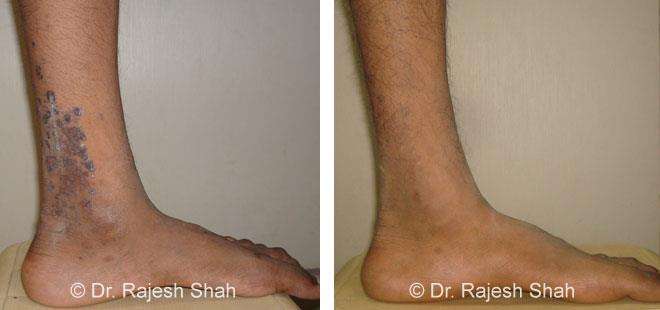
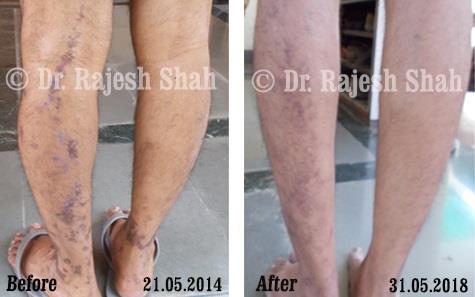
Lichen Planus on Hands and Legs Improved With Individualized Homeopathic Treatment
Mrs. M.V. (Patient ID: 47415), a 43-year-old businesswoman, had been living with Lichen Planus for six years. Her hands and…
Lichen Planus
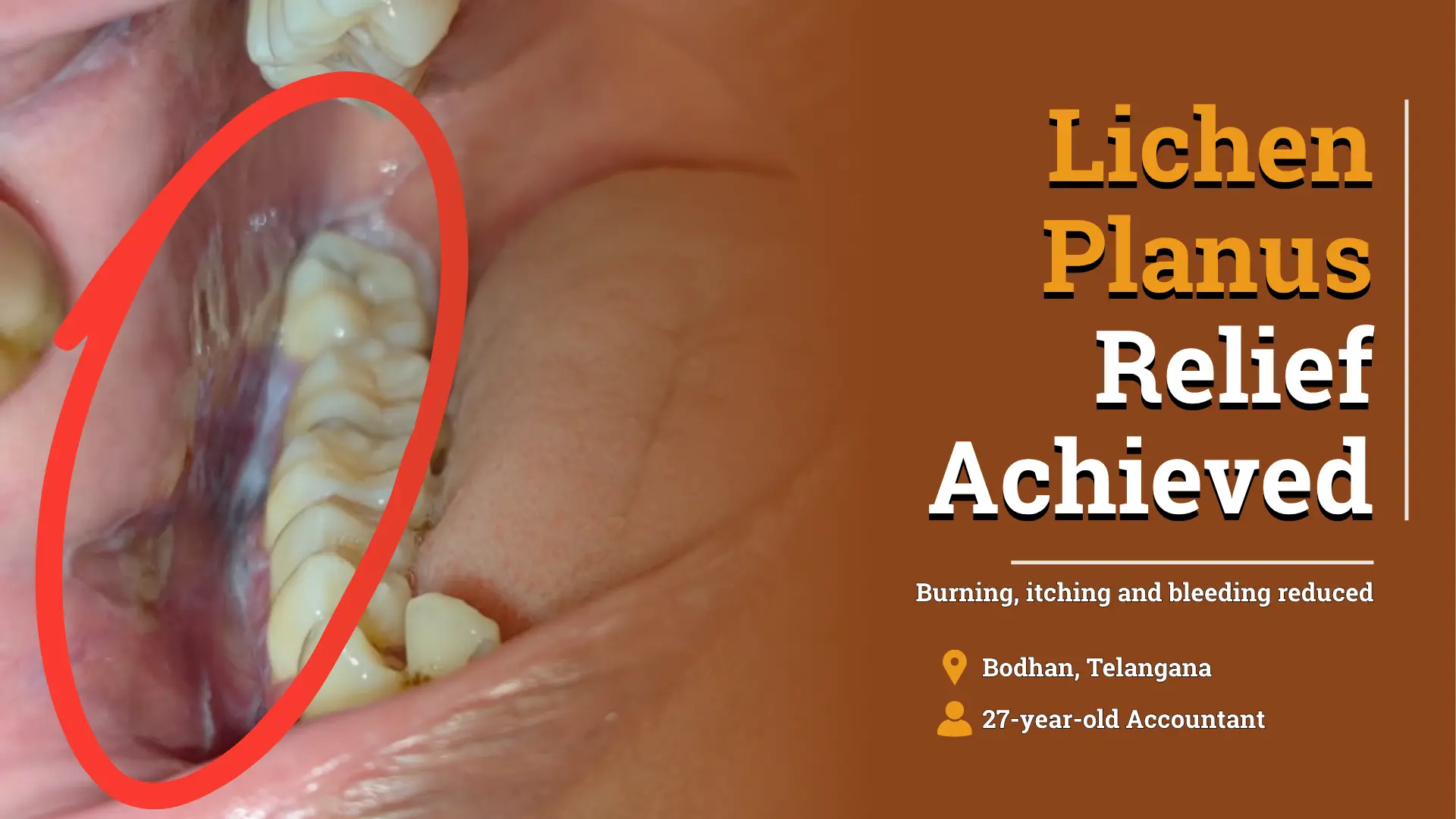
Oral, Cutaneous, and Genital Lichen Planus Improved With Homeopathy
Lichen Planus is a chronic inflammatory condition that can affect the mouth, skin, genital region, nails, and scalp. This case…
Lichen Planus
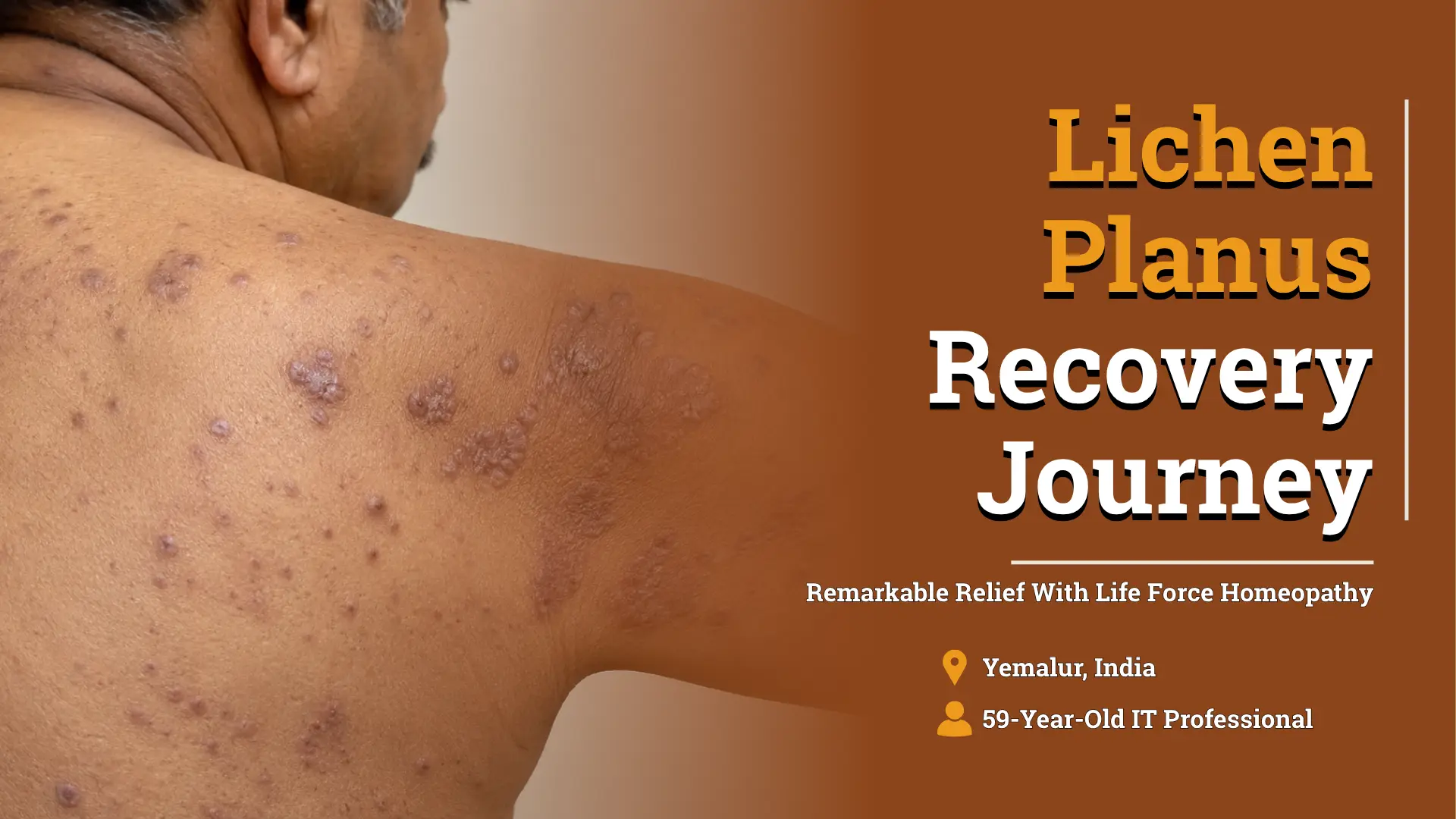
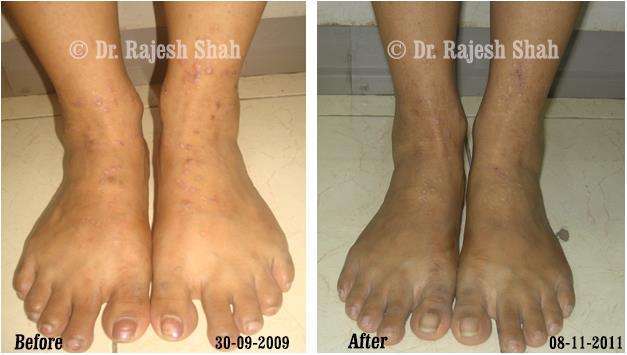
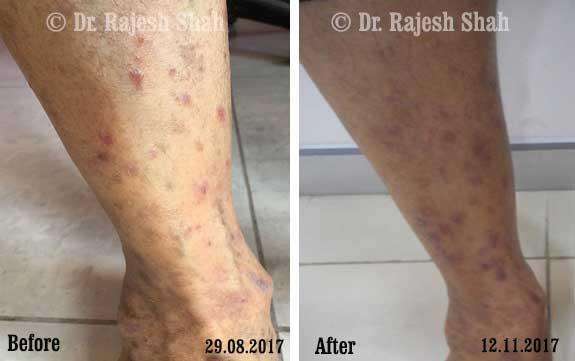
Lichen Planus on Skin Improved With Homeopathic Treatment in Mulund, Mumbai
Mr. V.K. (PIN: 9897), a 59-year-old male, visited the Life Force Homeopathy Clinic in Mulund , Mumbai, on 8 October…
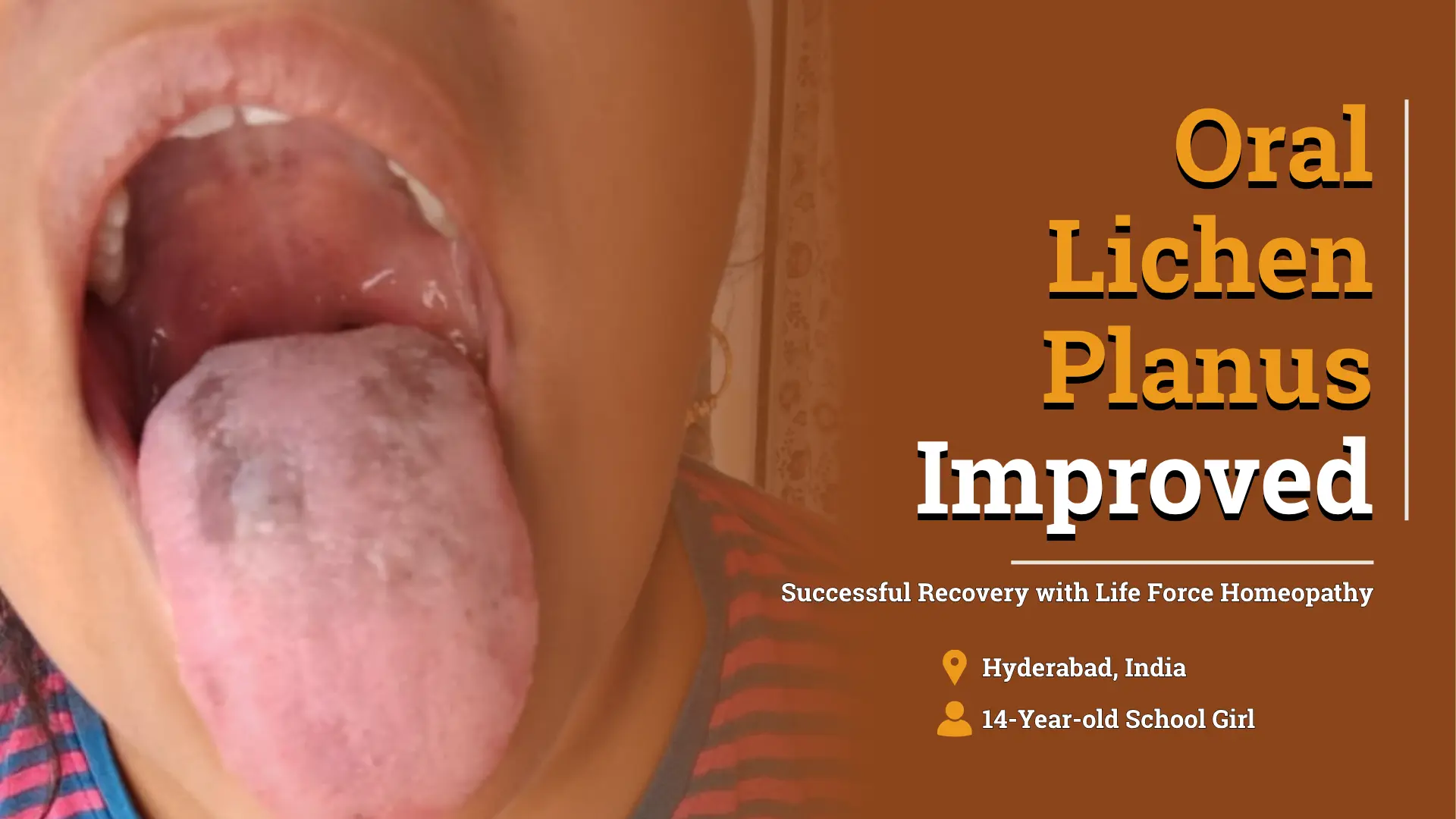
Lichen Planus
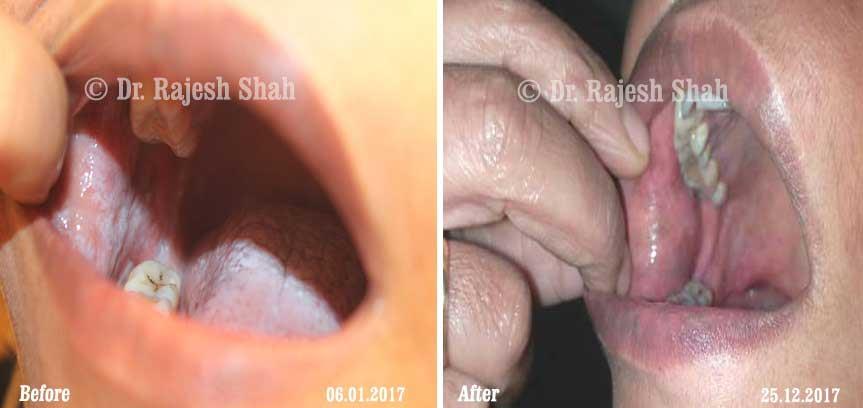
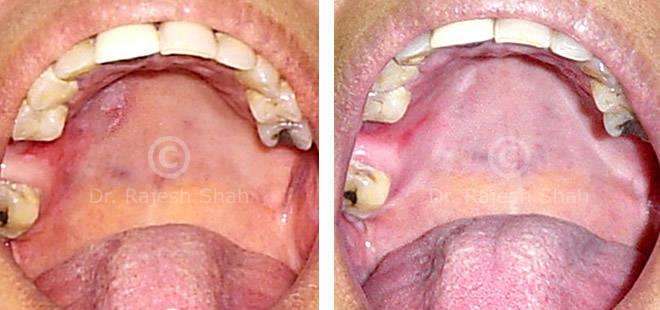
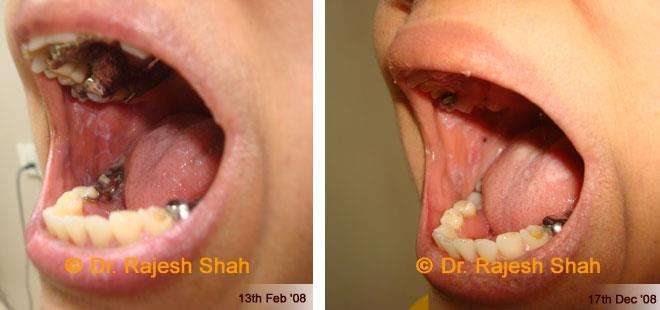
Oral Lichen Planus Improved With Individualized Homeopathic Treatment
The condition appeared unexpectedly on the inner cheeks, gums, lips, and palate. The gums showed a bluish discolouration, and the…
Lichen Planus
This case study is significant, since it demonstrates the efficacy of Homeopathic medication in those cases were there is no treatment available in other systems of medicine.
Mr. S. N. (PIN – 17690) 46 years old male visited our centre with the complaints of oral Lichen Planus. He…
Lichen Planus
Dr Shah has pioneered homeopathic treatment in lichen nitidus.
A 46 years old lady, Mrs. R.M, [PIN 8312], came for the treatment of Lichen Nitidus.She was suffering from Lichen…
Lichen Planus
I can enjoy my meal after recovery from oral lichen planus. Thanks to Homeopathy and Dr Shah
A 60 years old storekeeper, Mrs CP (Patient Identification Number 18676), an Indian citizen residing in Texas, USA, registered herself…
Lichen Planus
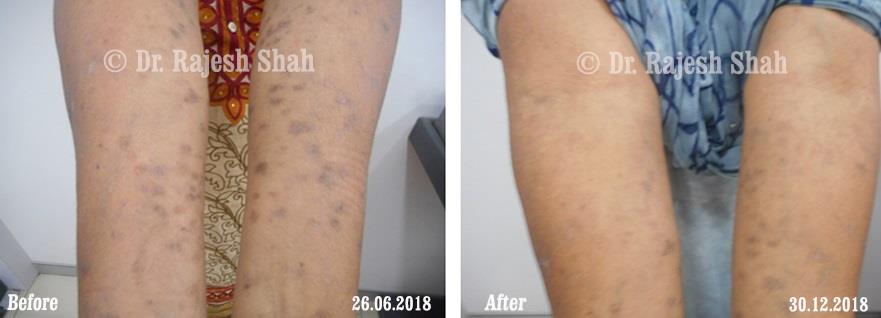
Mrs. R.U.H aged 54 years observed 90 % improvement in her Lichen Planus eruptions in 6 months treatment and she was relieved that finally, she was on the path of cure…
Mrs. R.U.H aged 54 years (Patient Identification Number 16664) visited the clinic on 8 August 2011 for the treatment of…
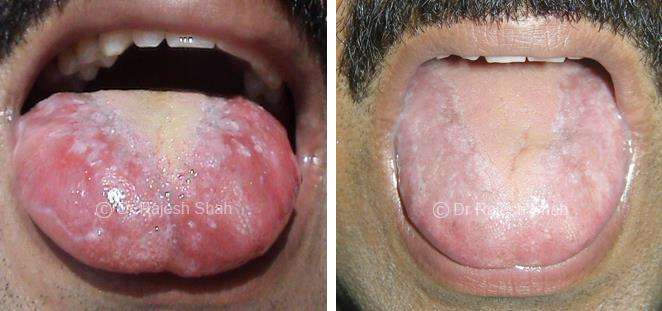
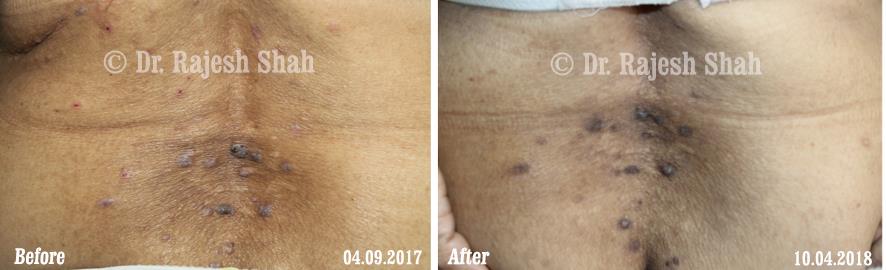
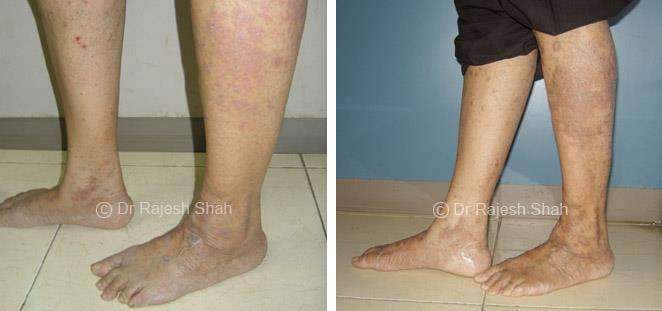
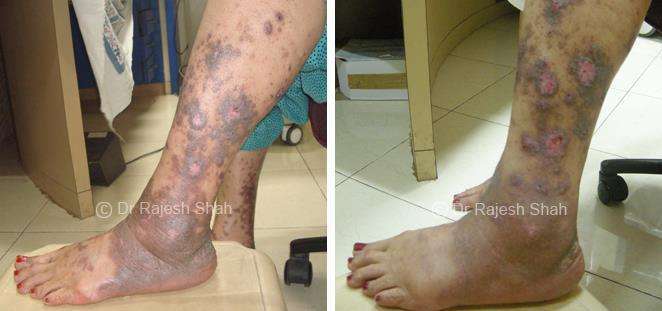
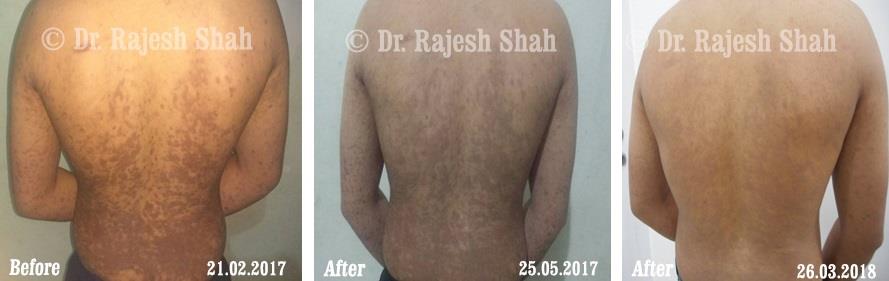
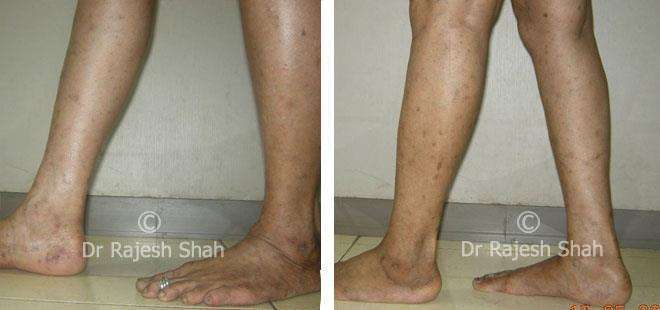
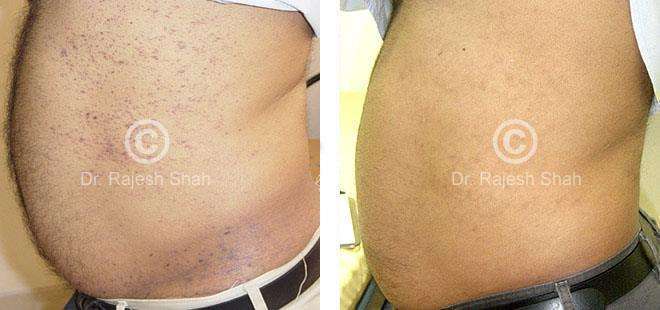
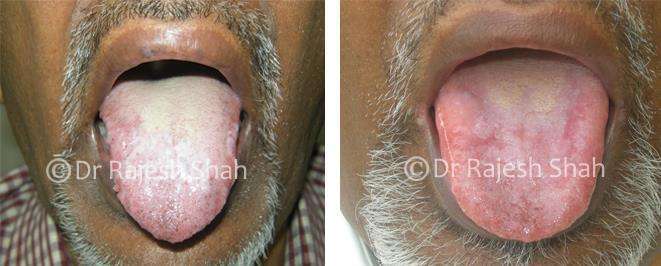
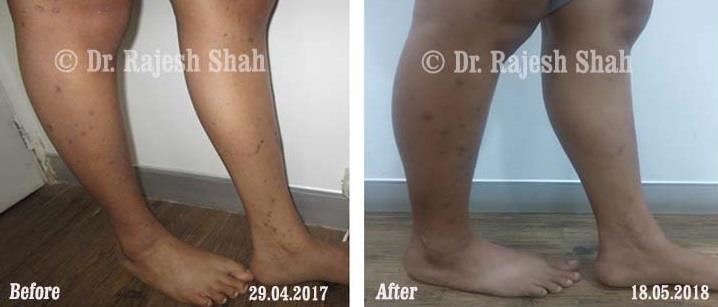
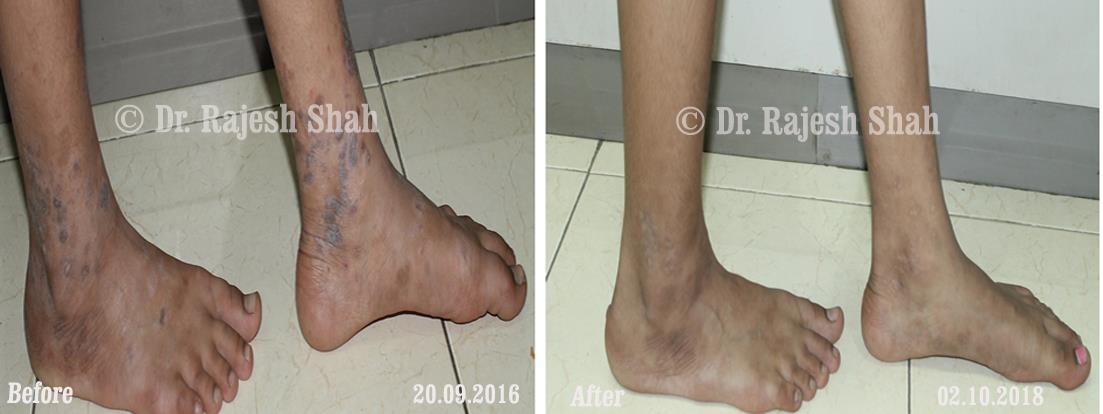
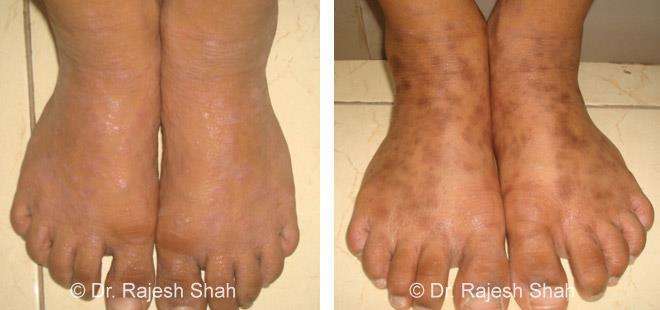
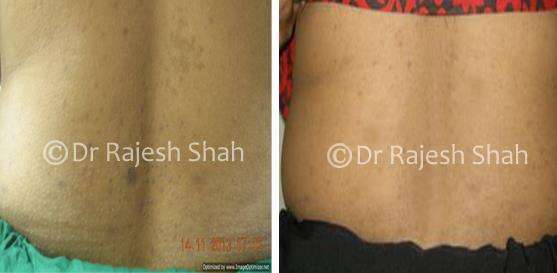
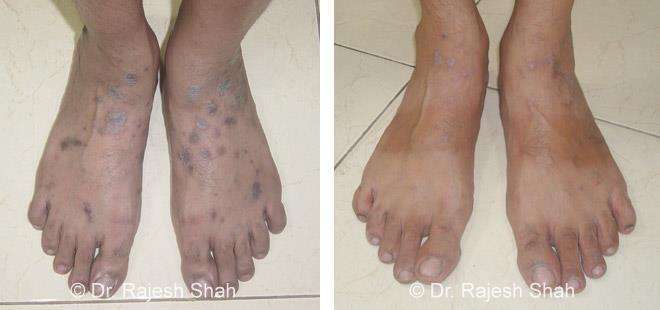
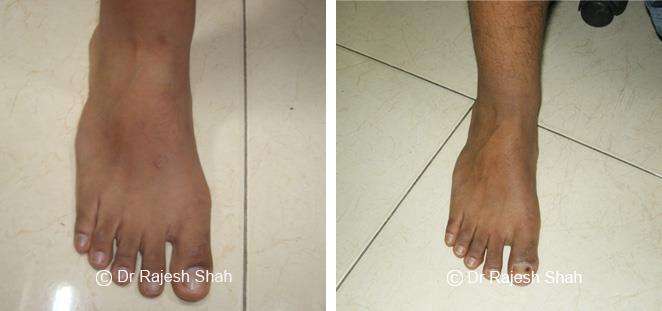
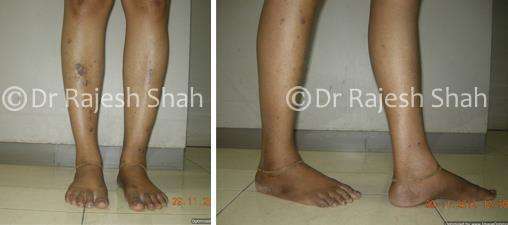
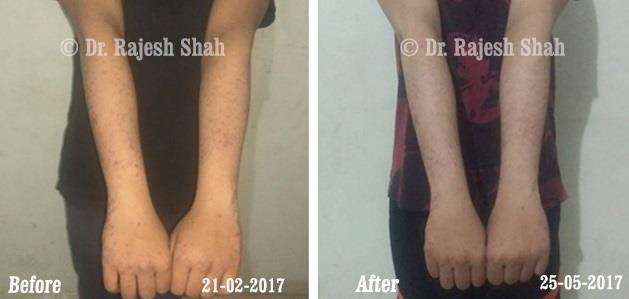
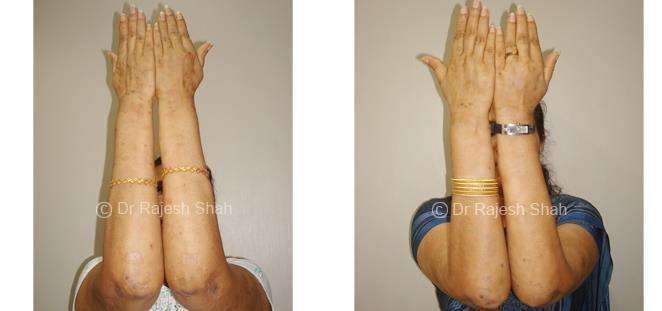
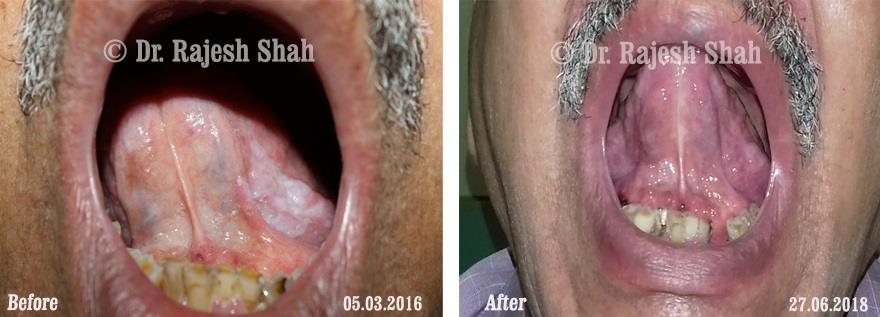
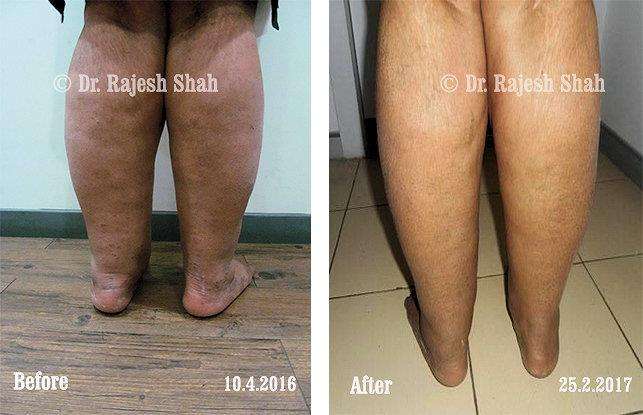
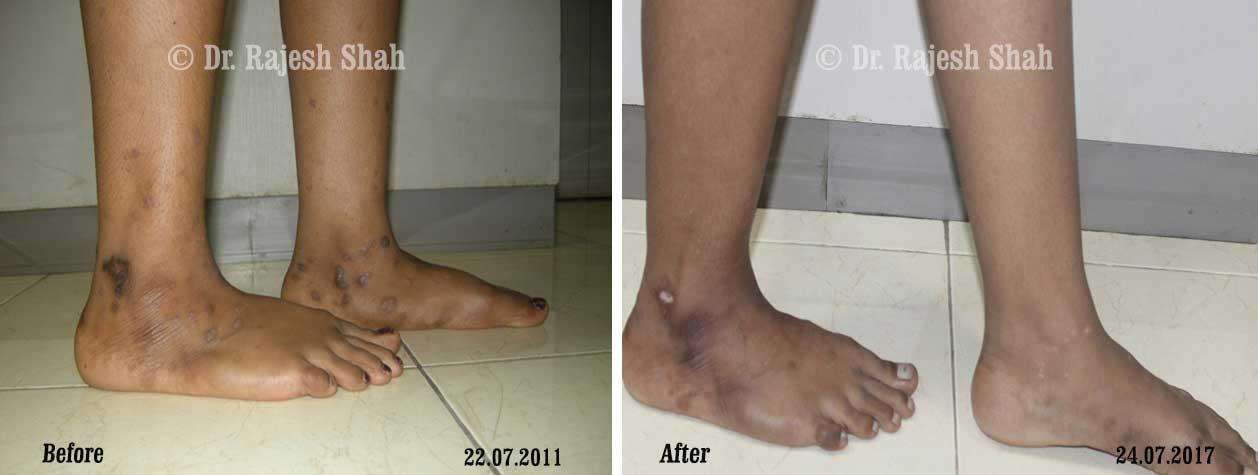
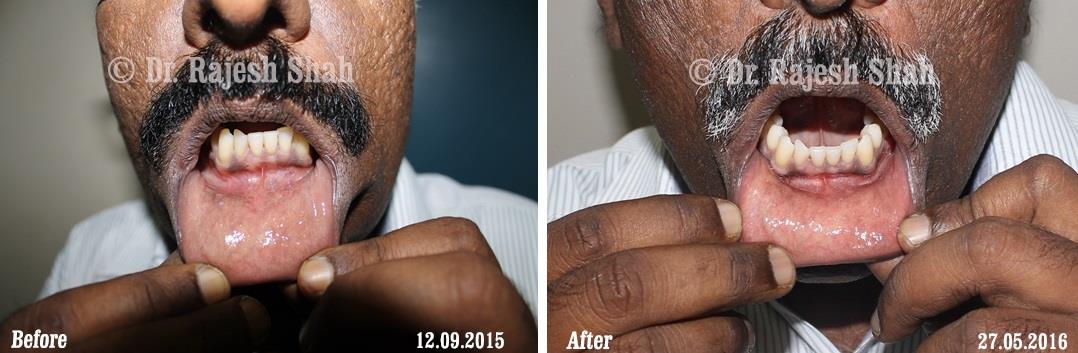
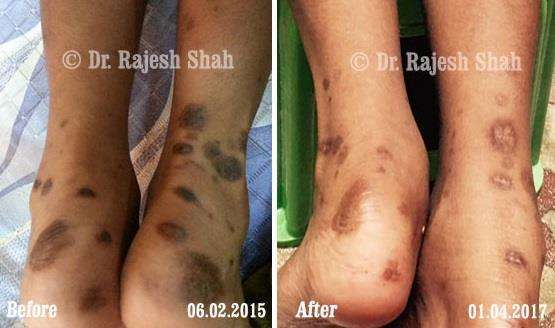
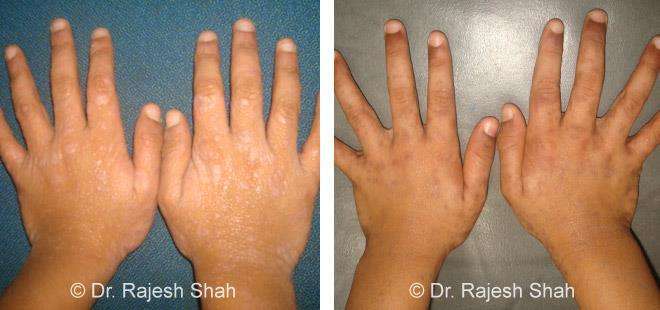
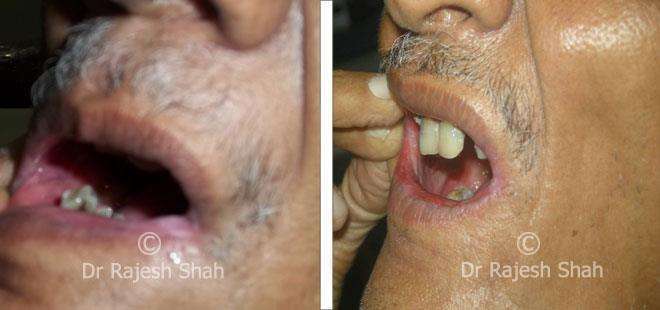
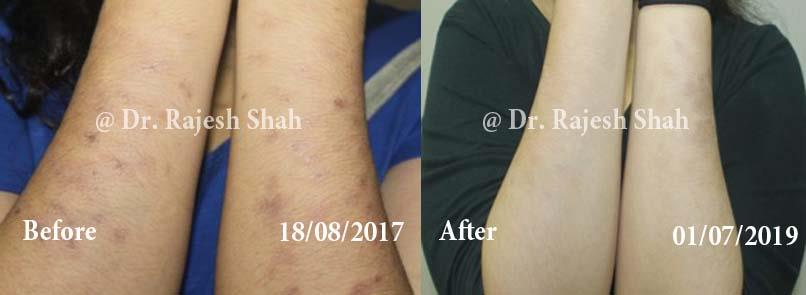
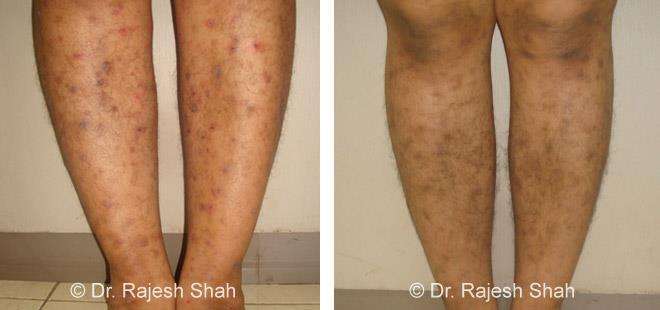
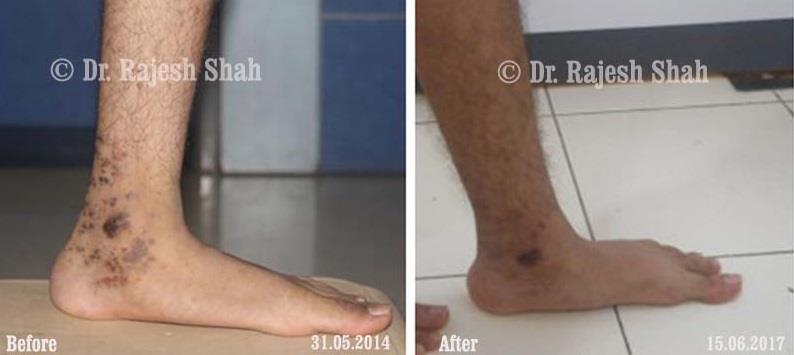
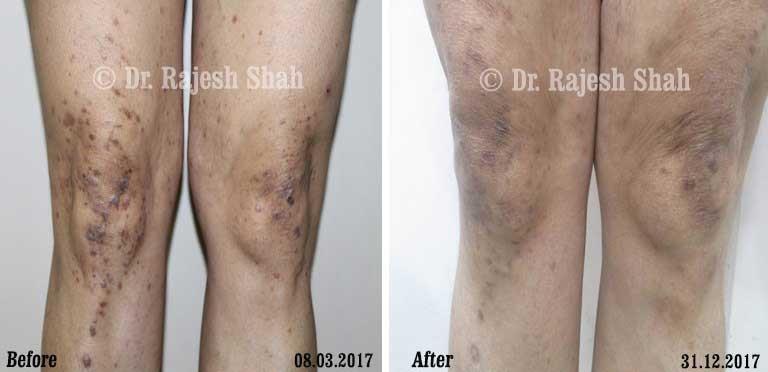
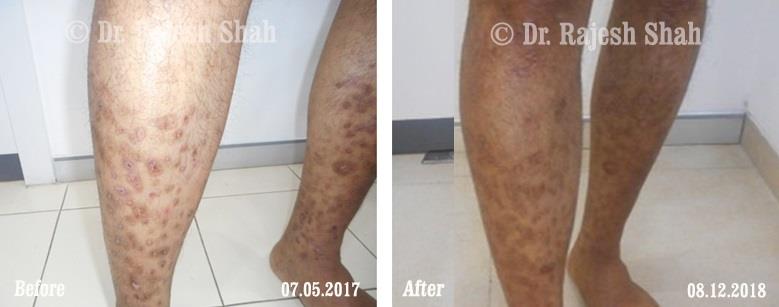
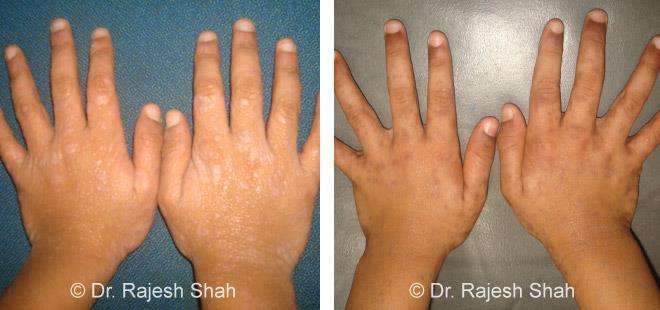
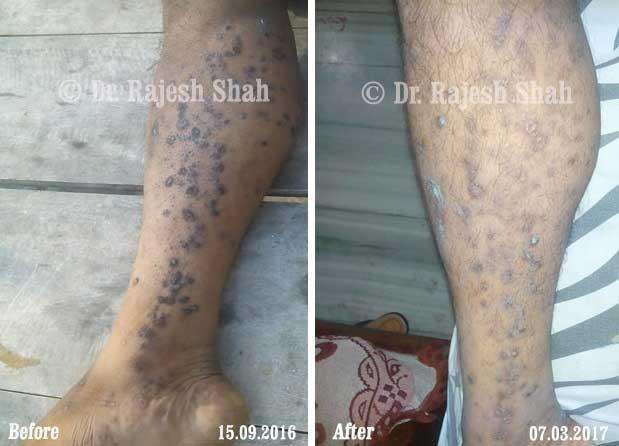
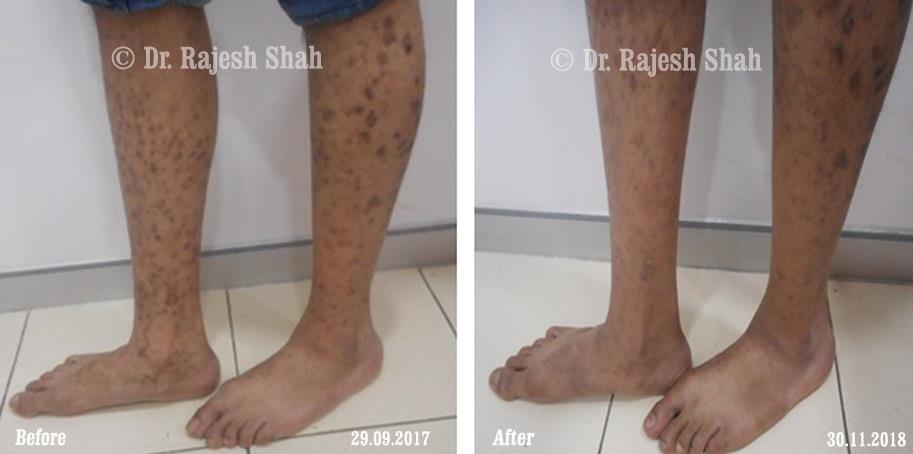
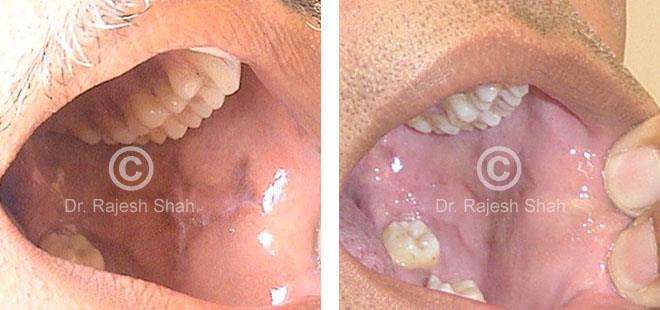
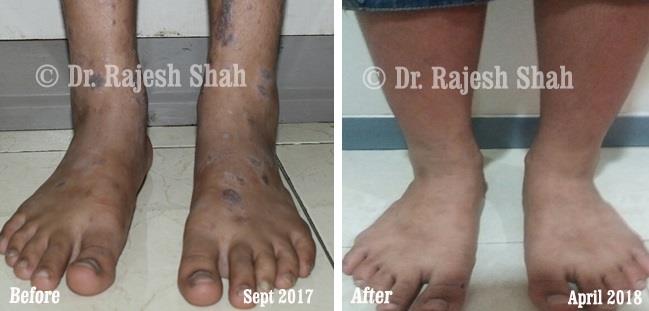
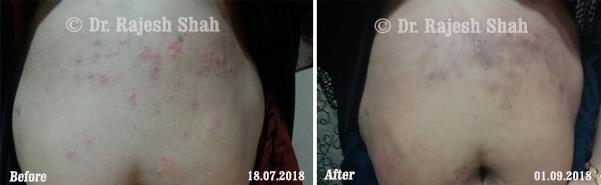
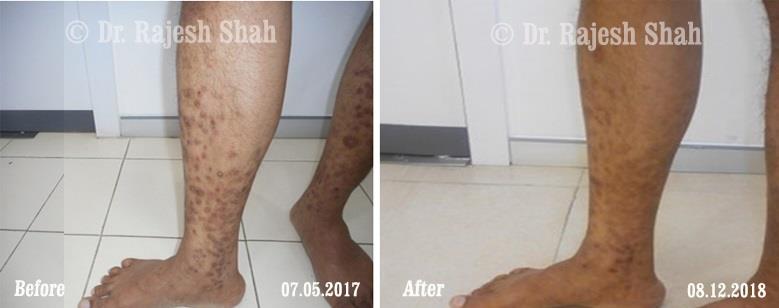
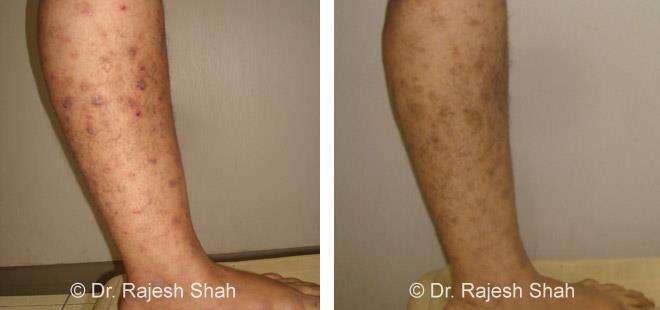
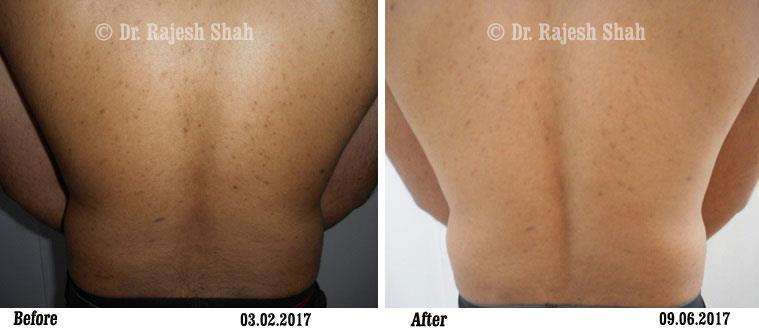
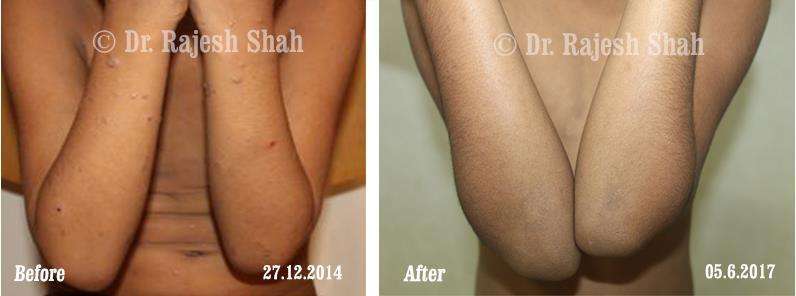
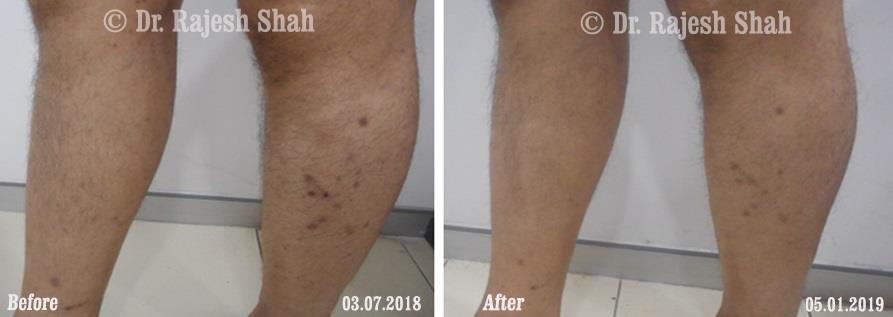
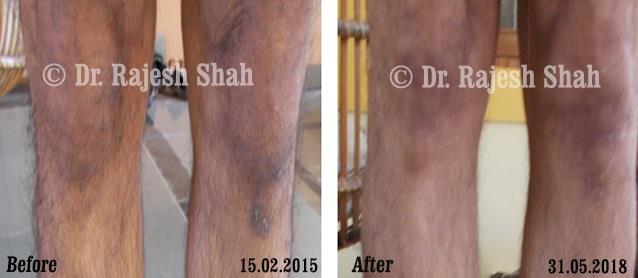
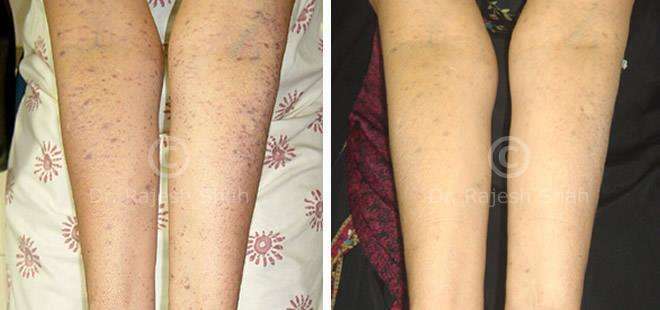
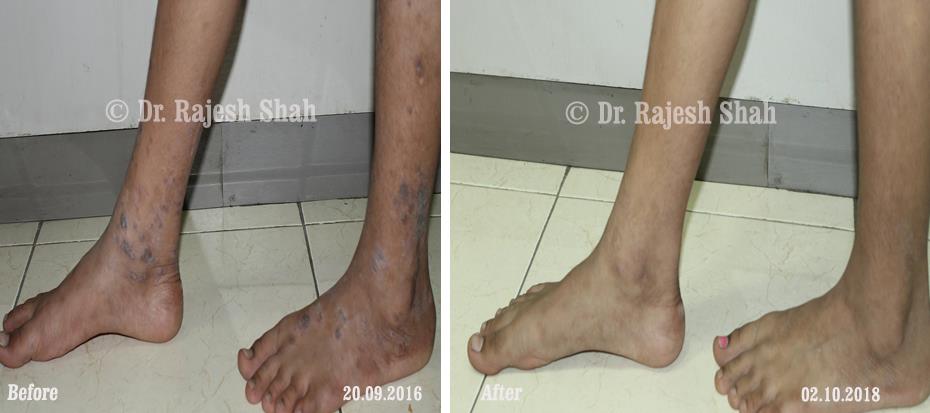
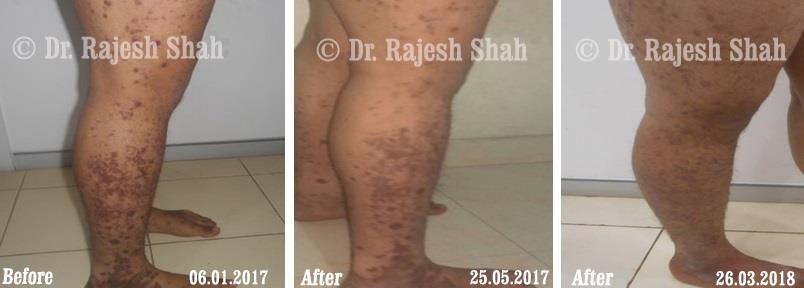
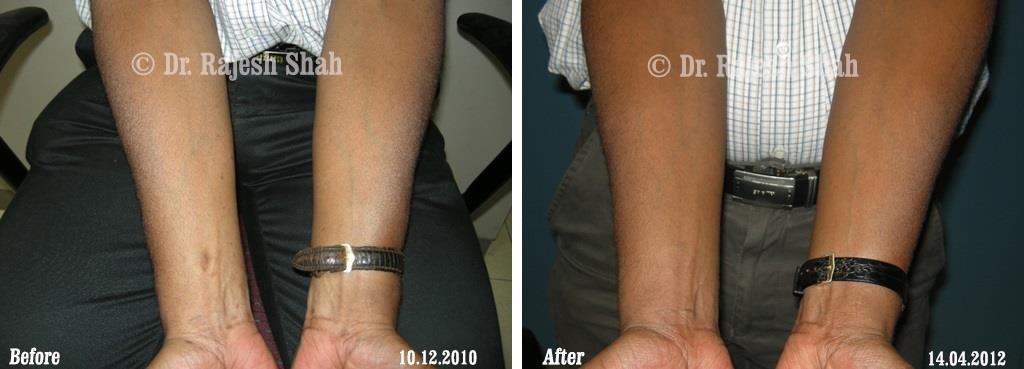
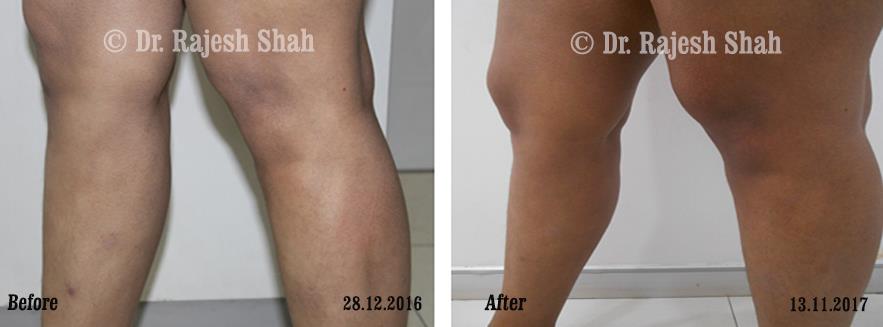
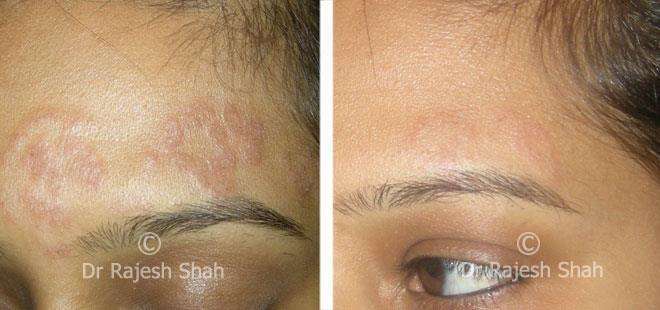
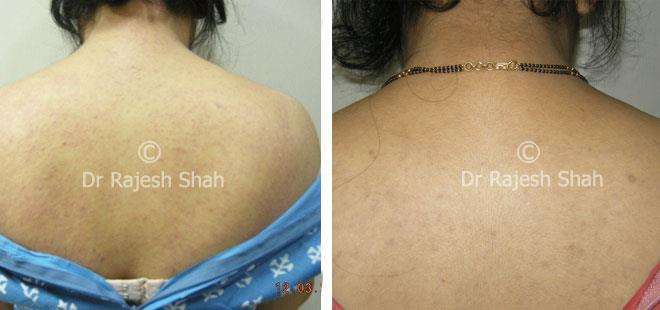
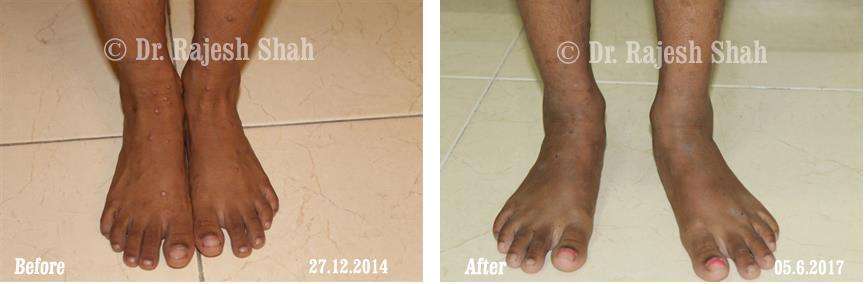
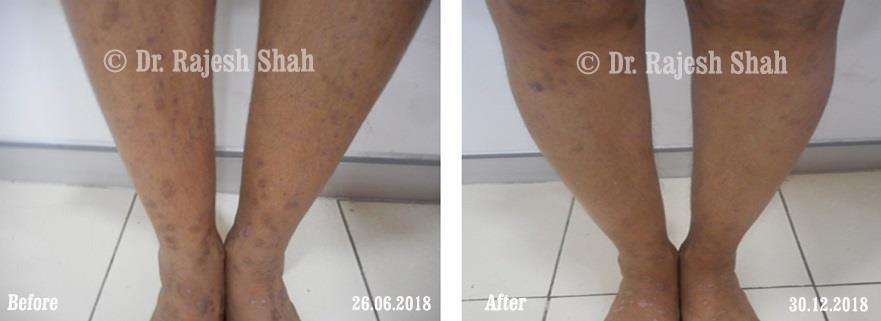
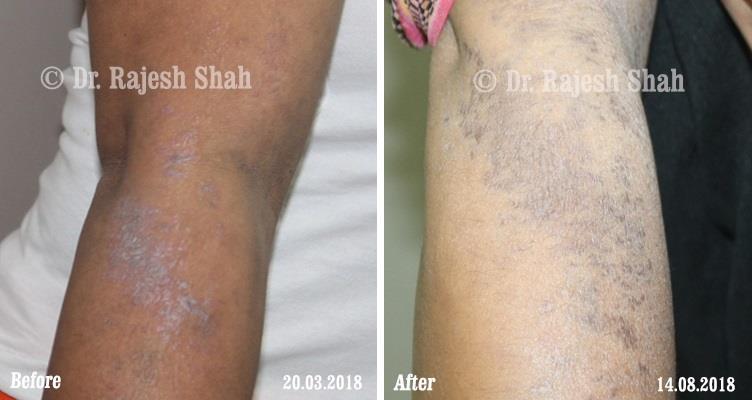
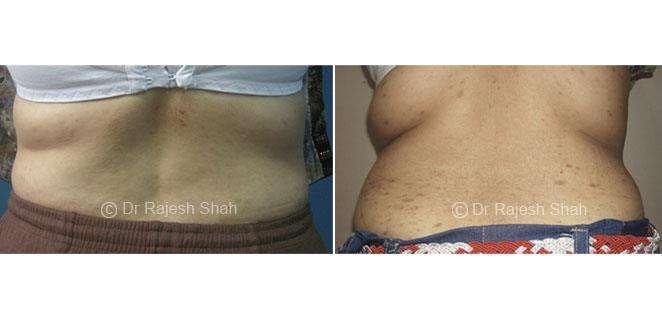
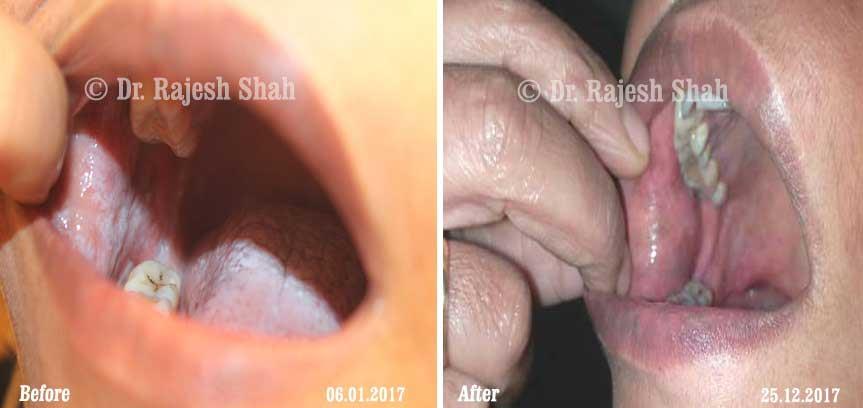
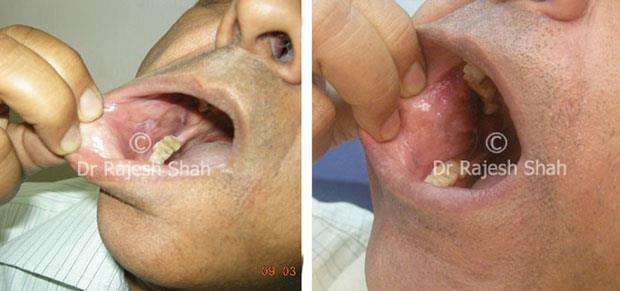
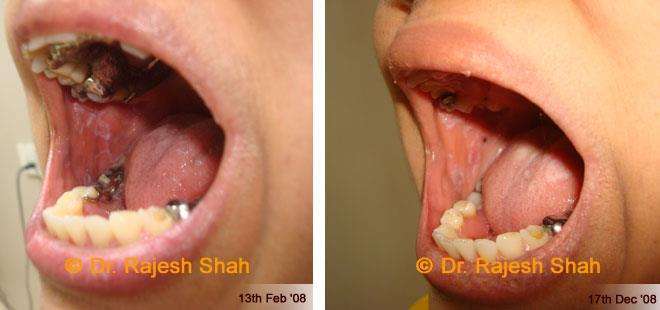
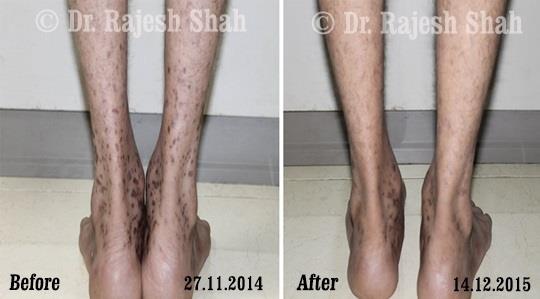
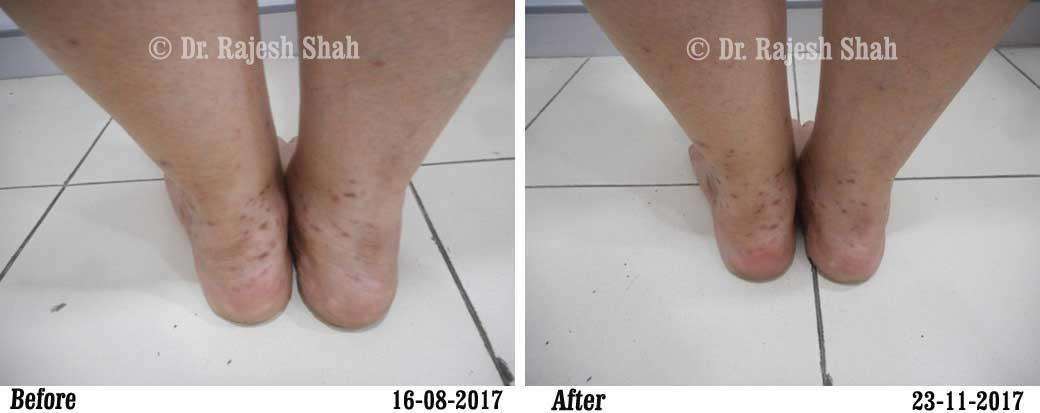
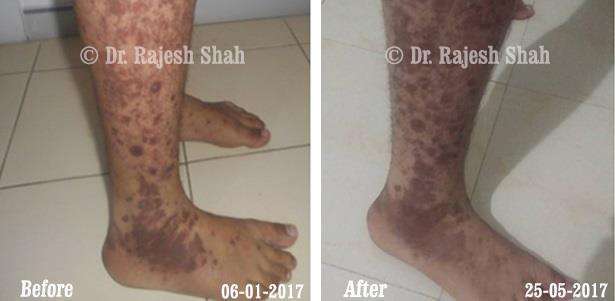
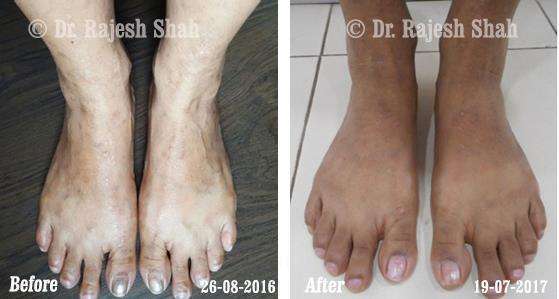
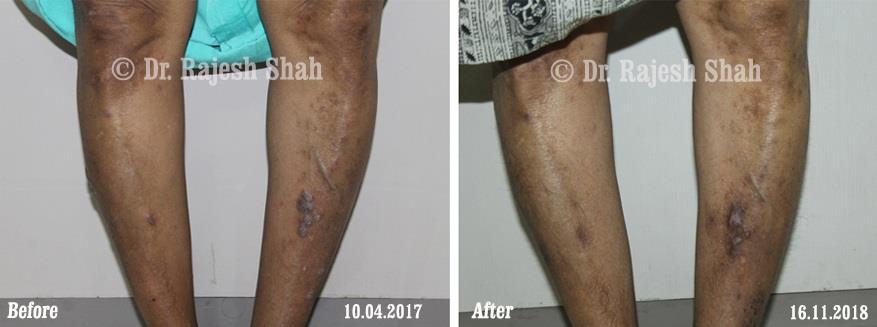
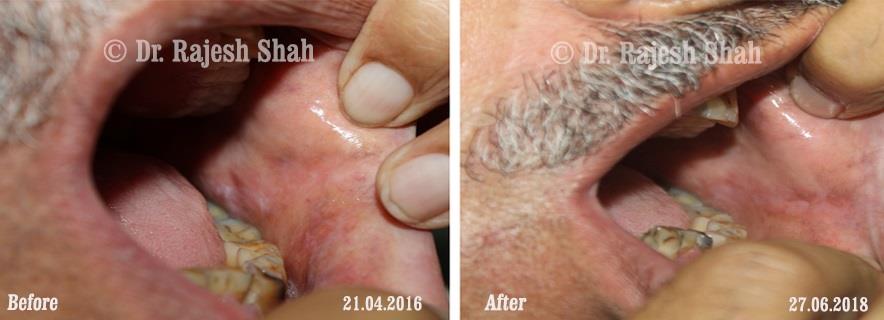
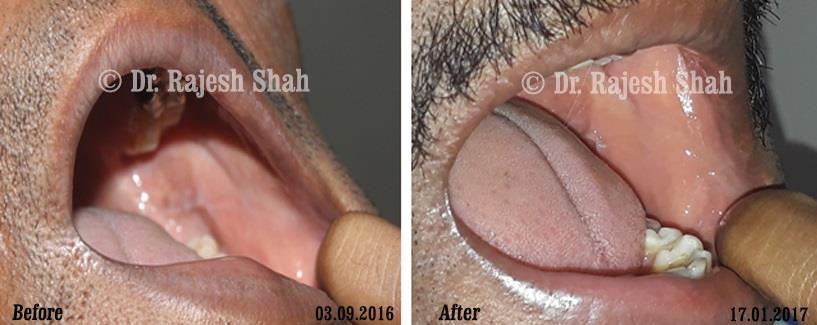
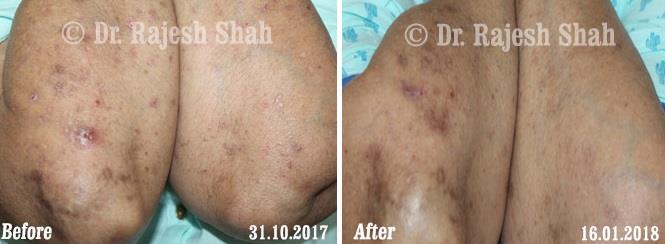
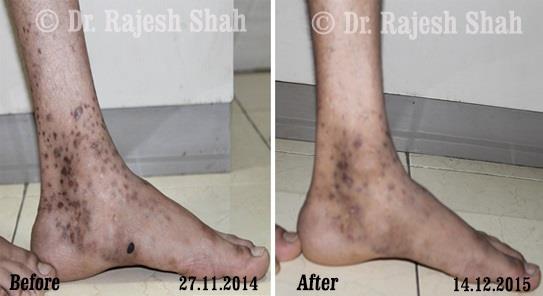
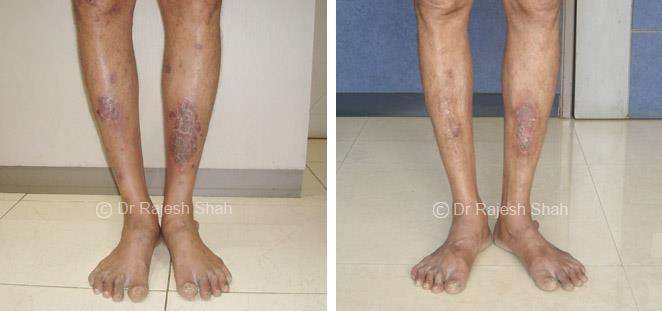
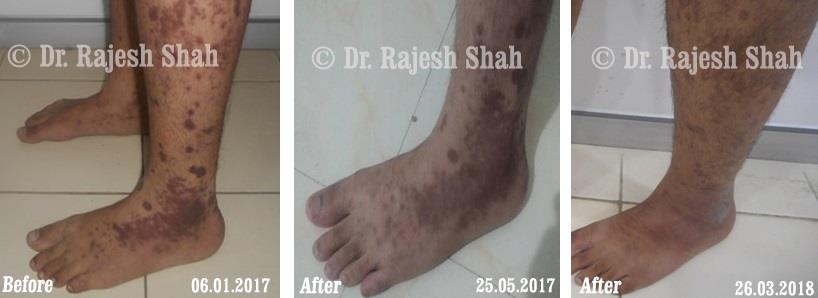
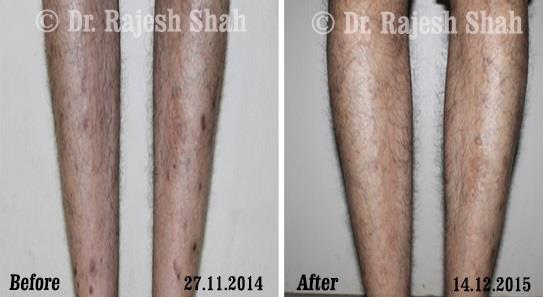
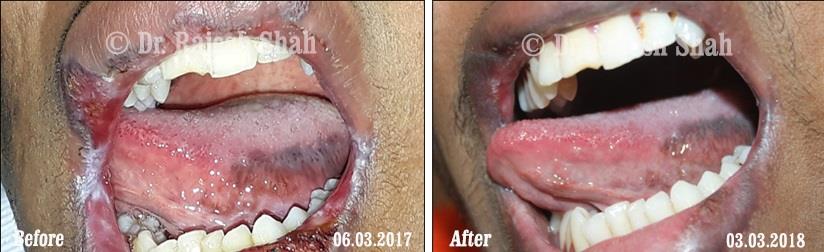
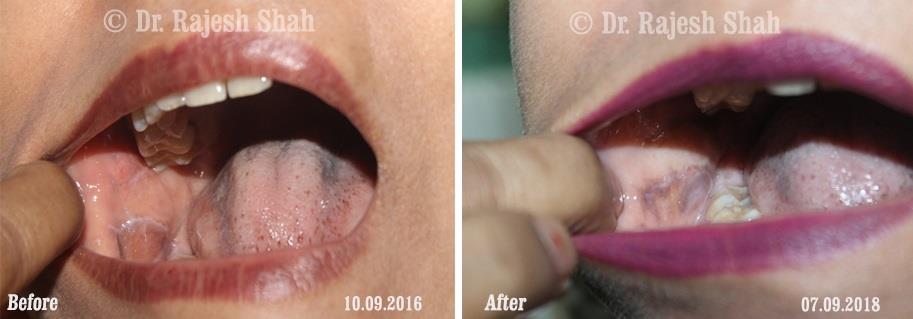
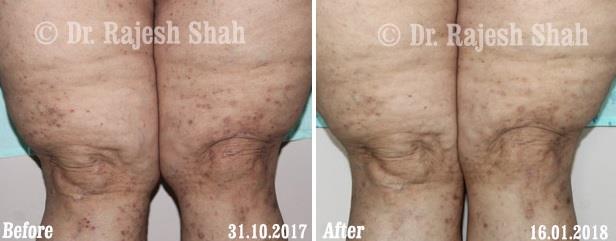
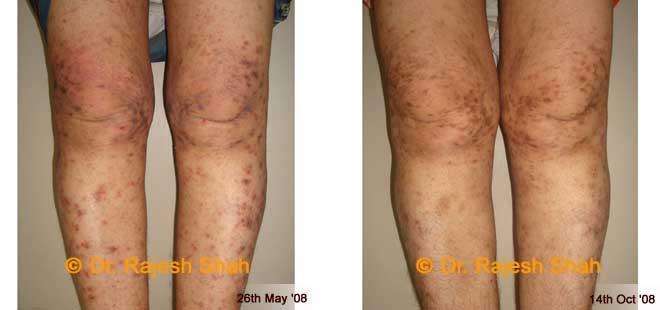
Real Case Outcomes
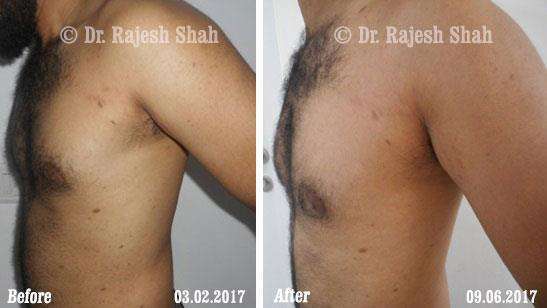
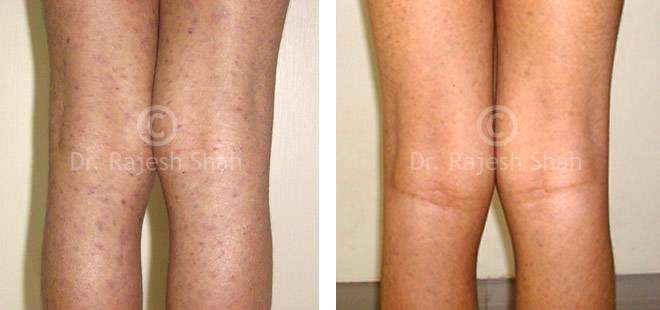
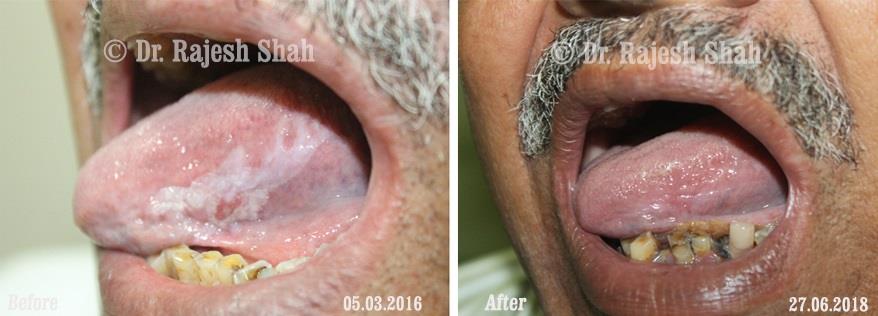
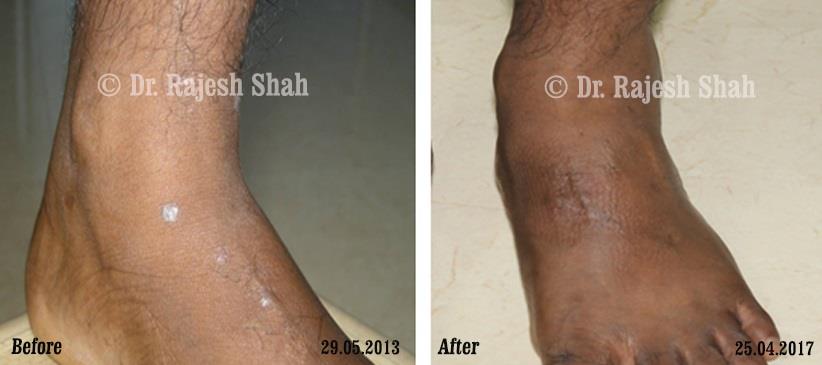
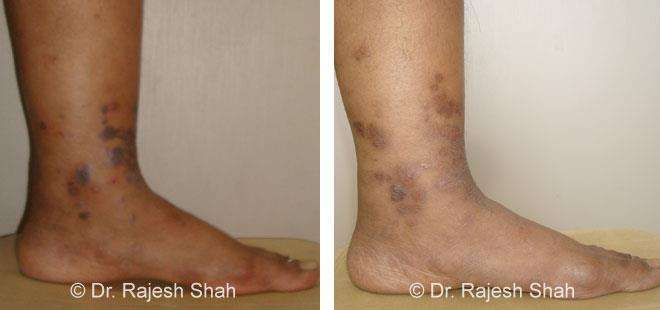
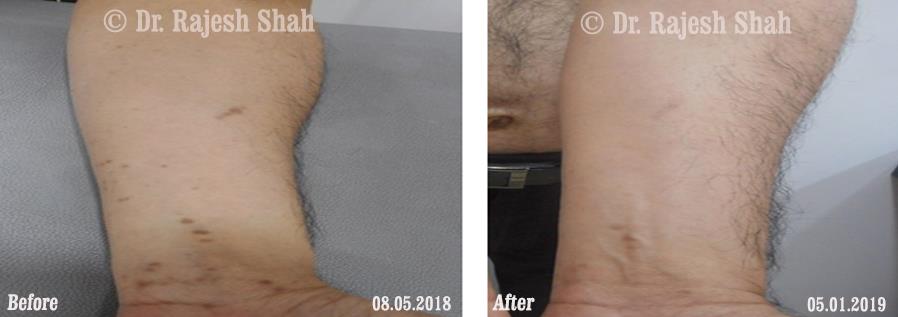
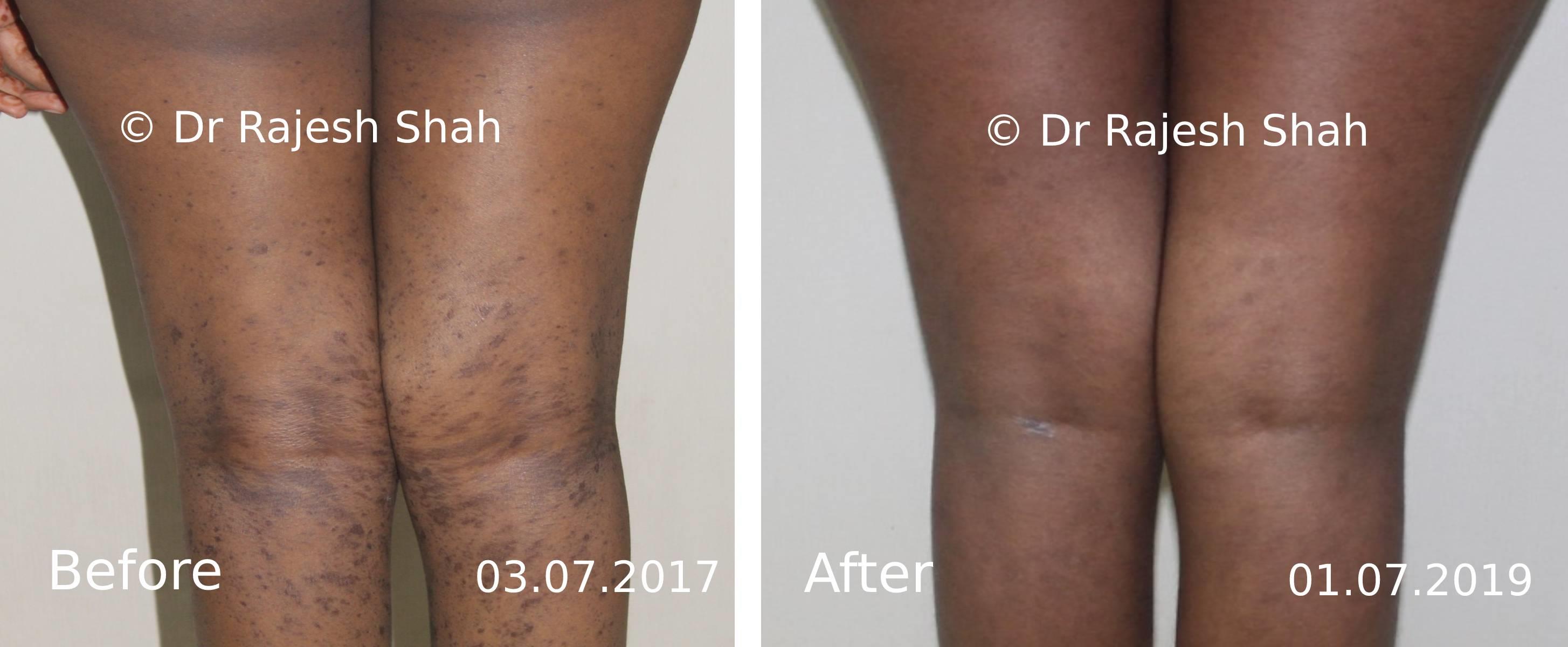
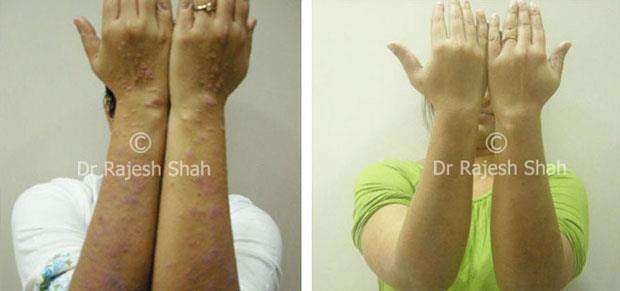
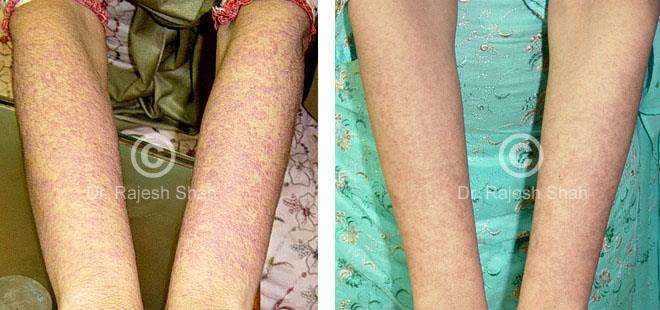
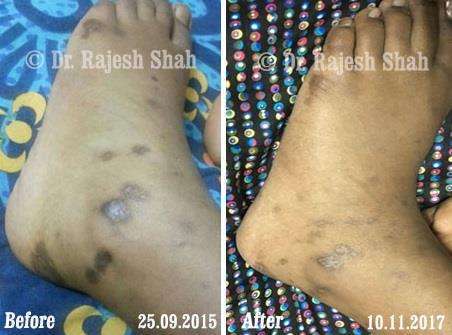
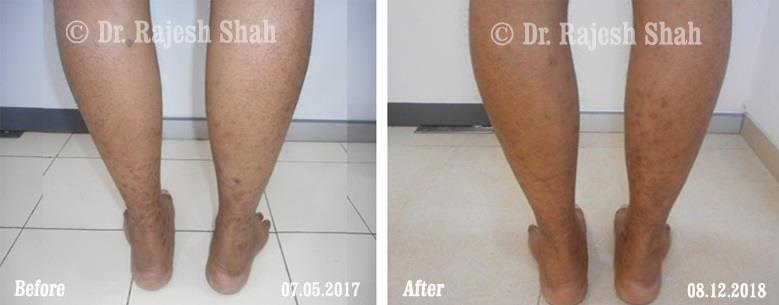
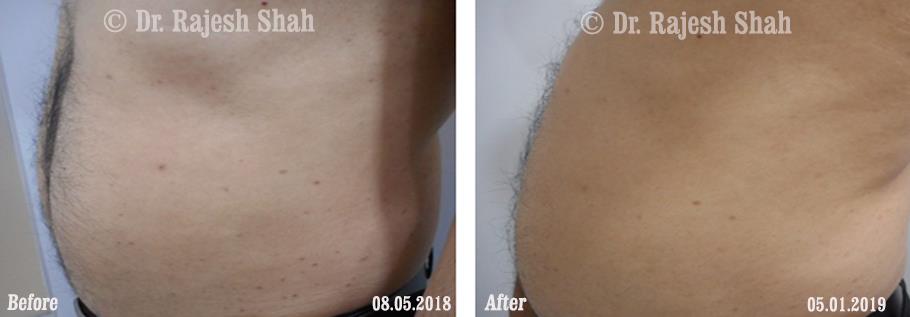
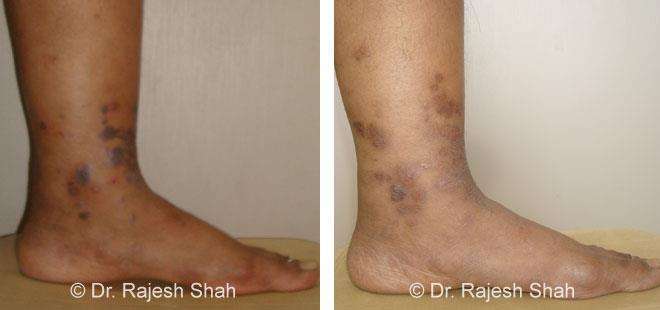
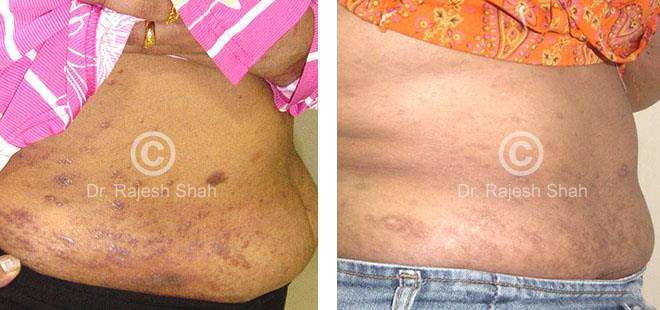
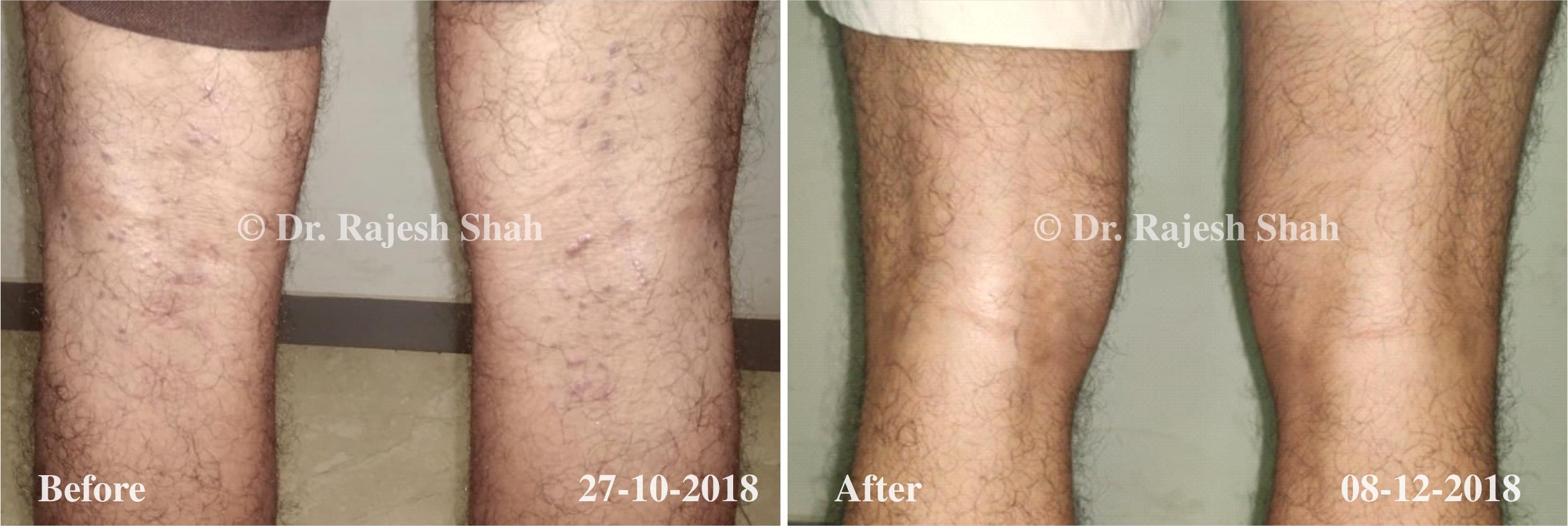
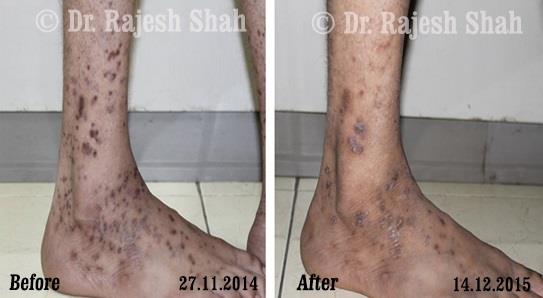
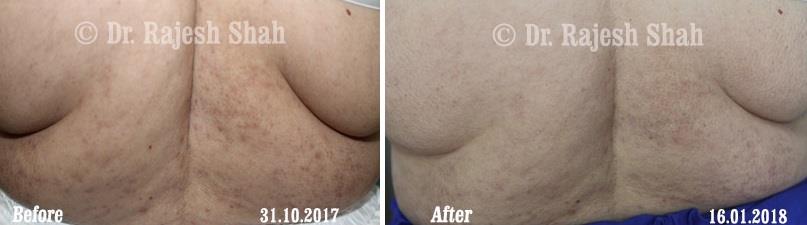
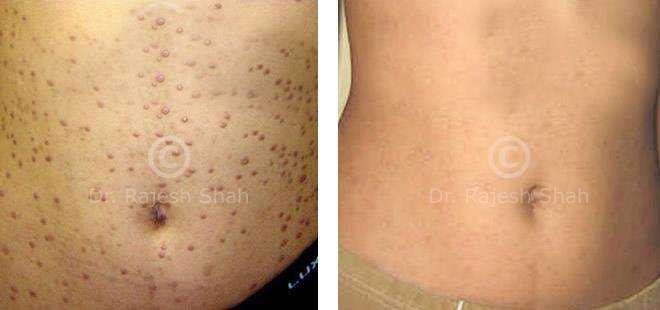
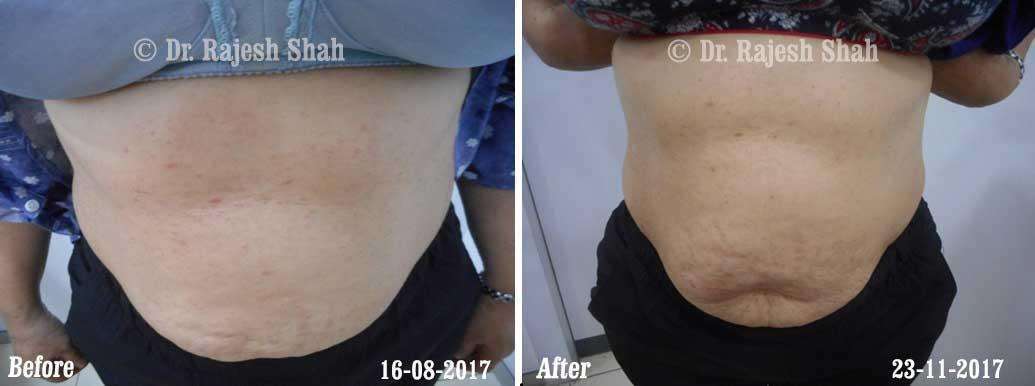
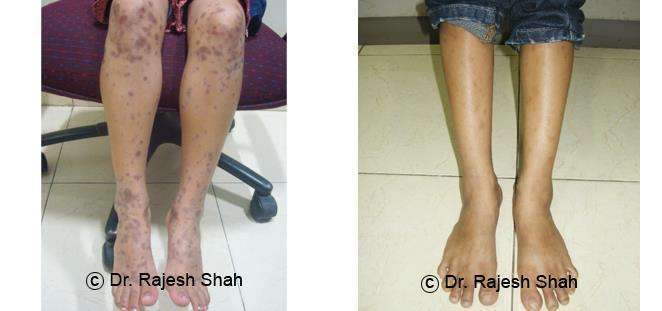
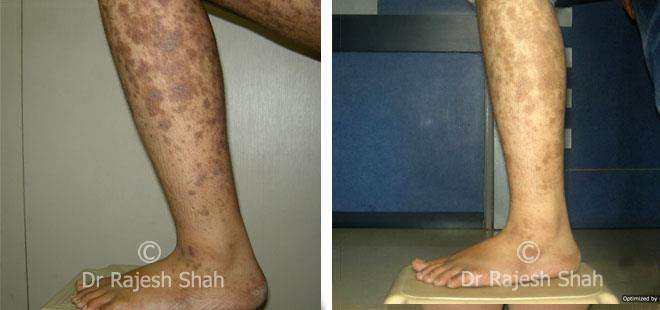
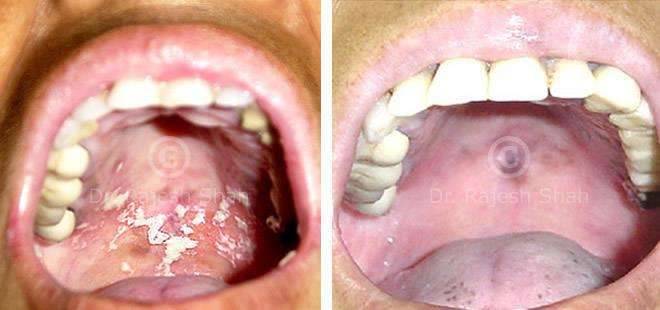
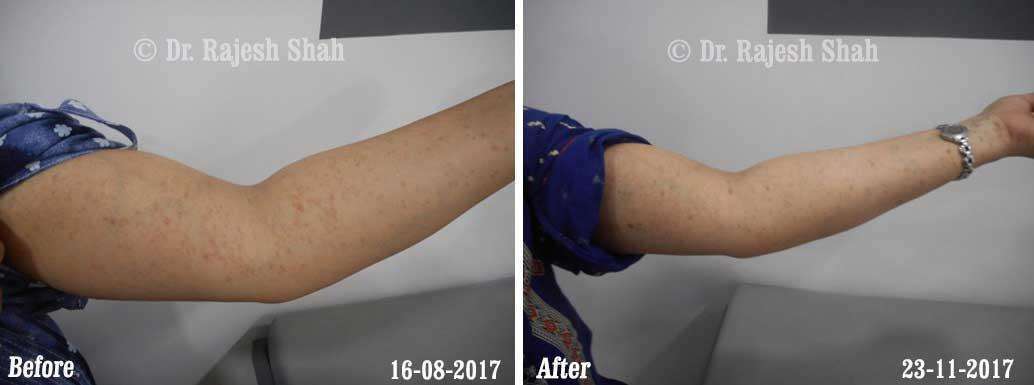
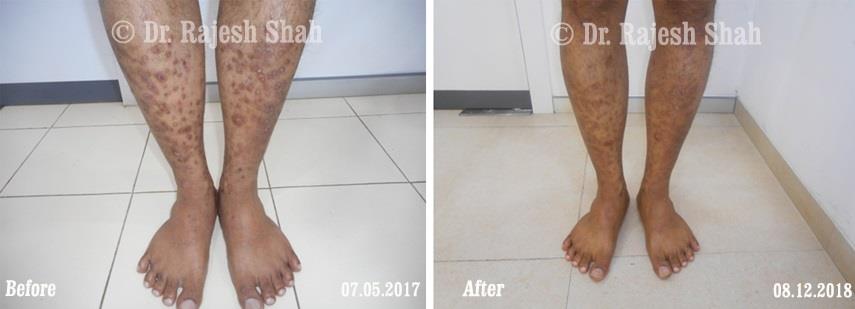
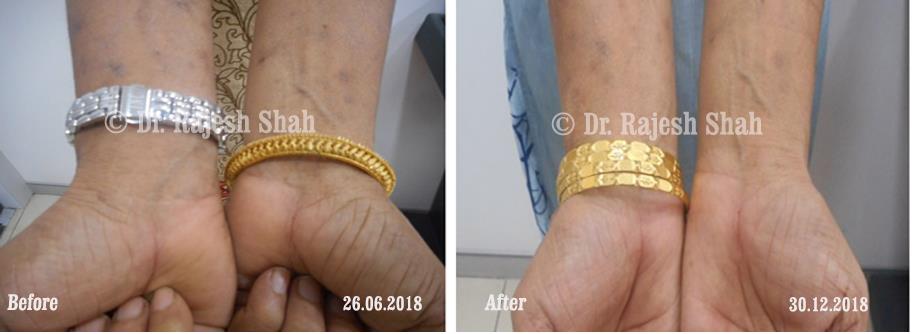
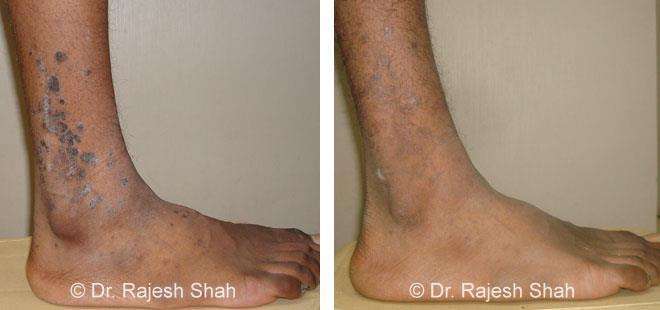
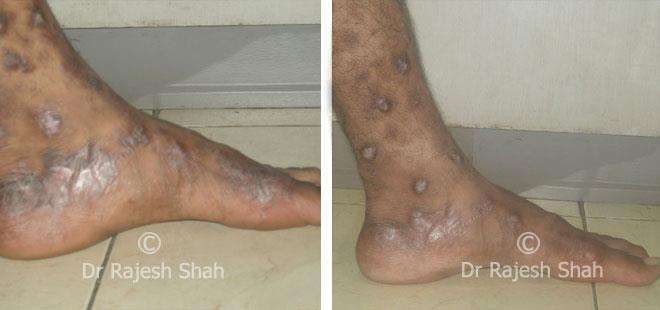
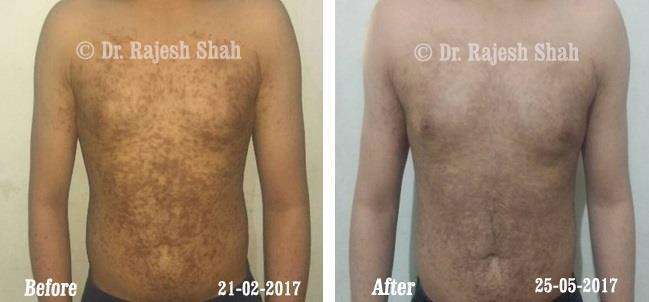
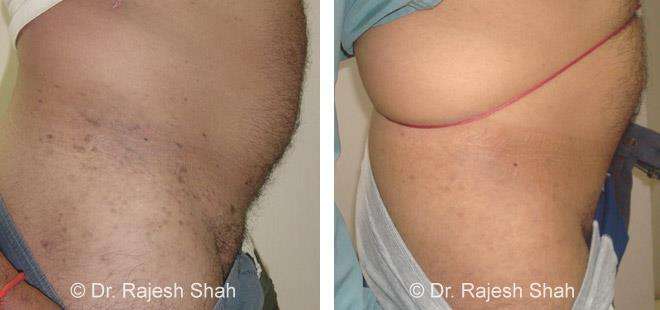
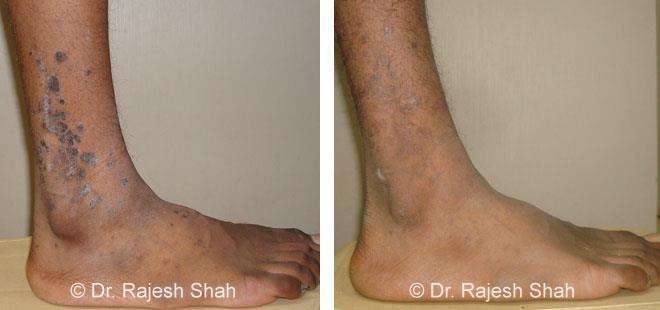
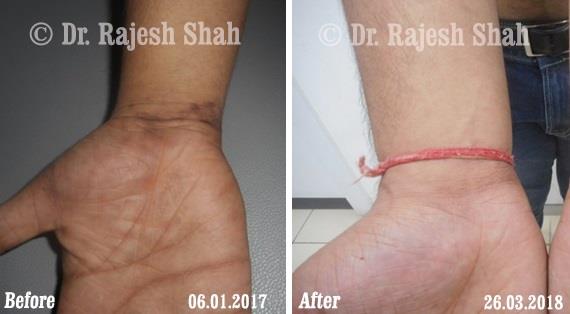
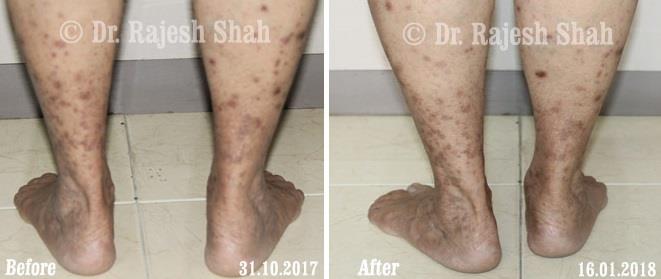
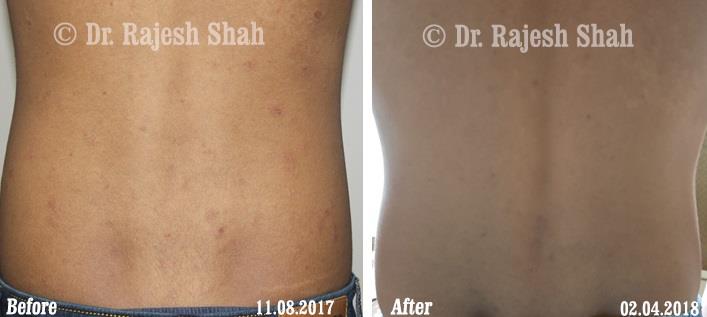
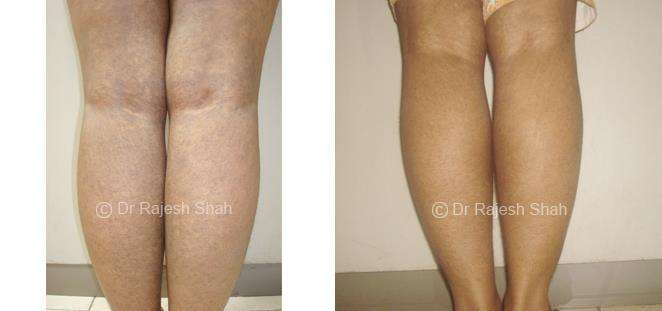
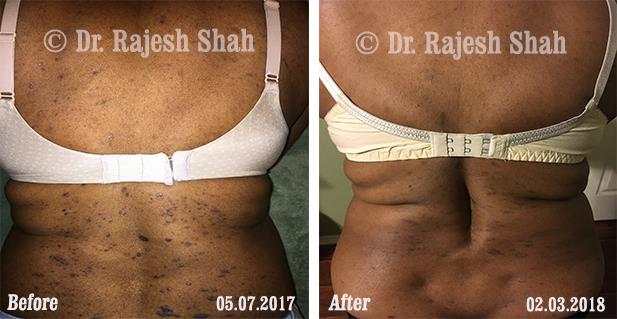
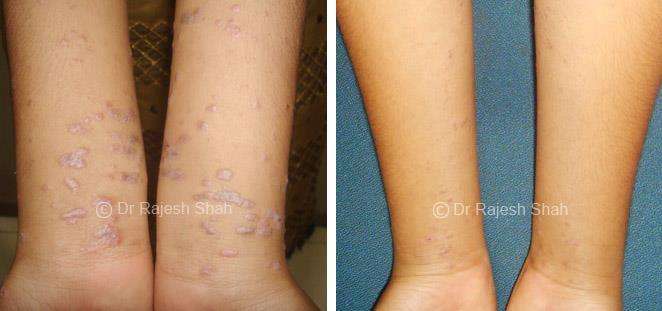
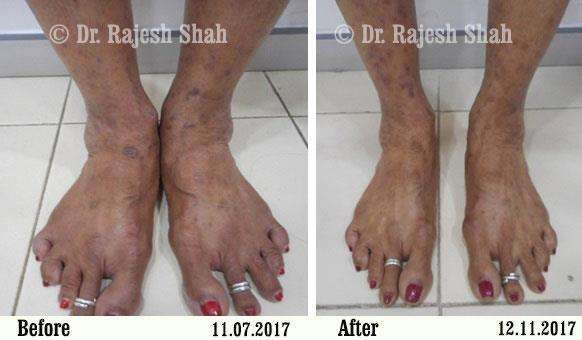
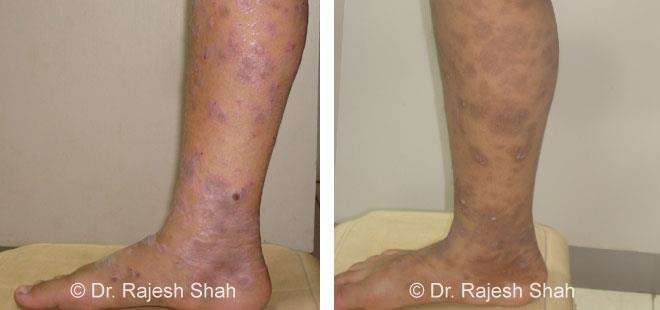
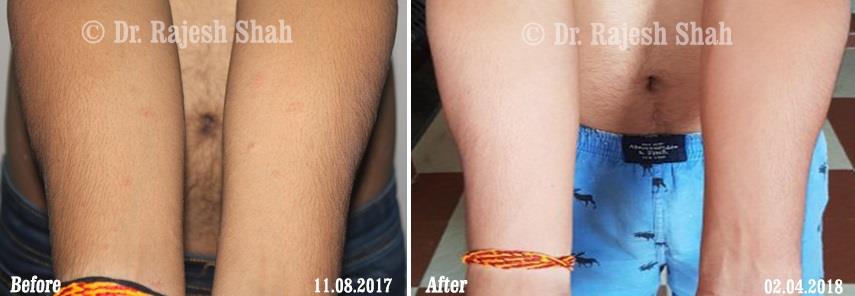
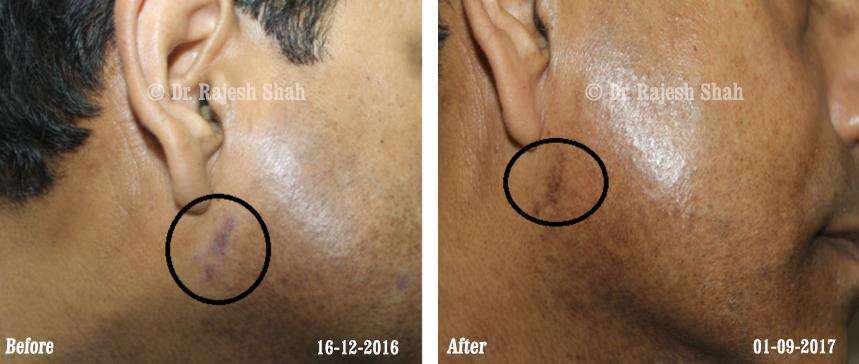
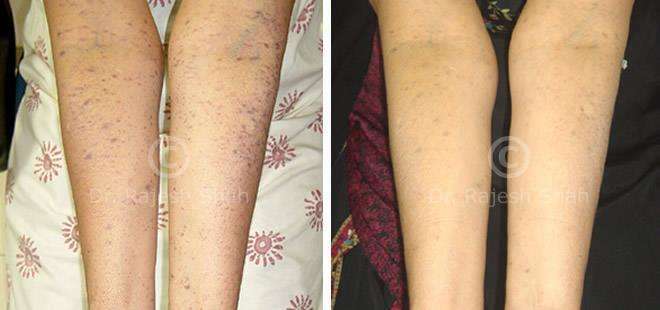
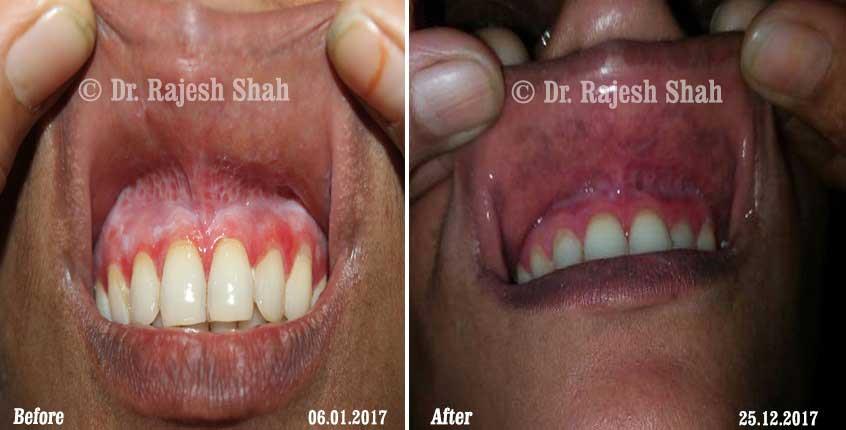
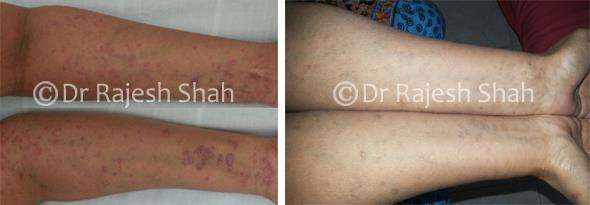
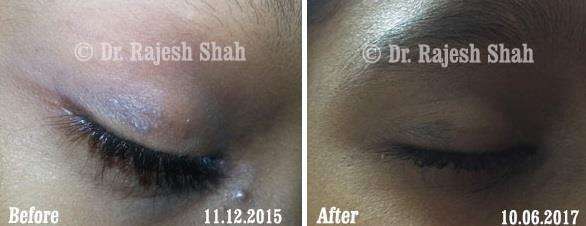
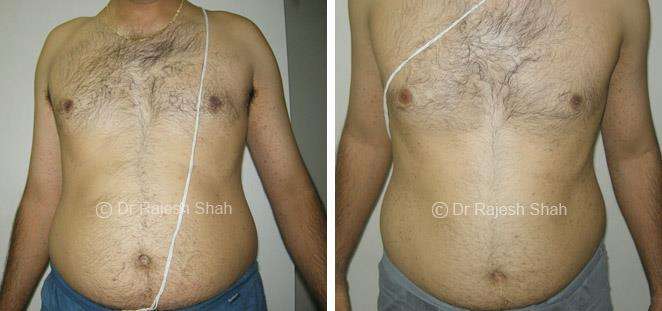
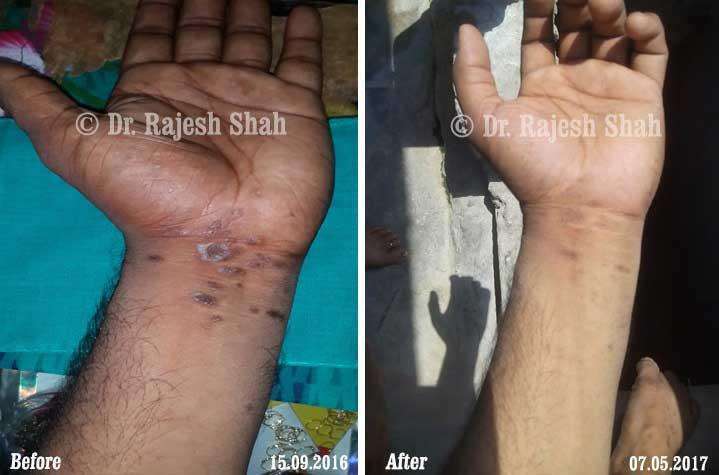
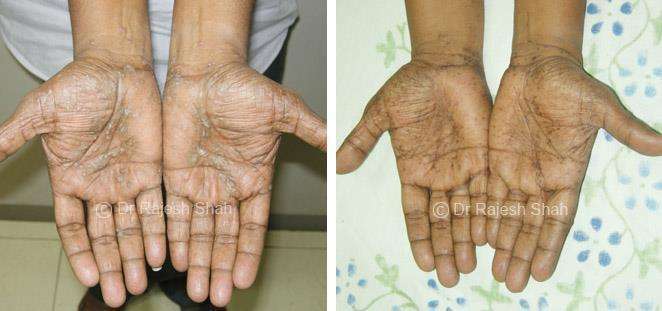
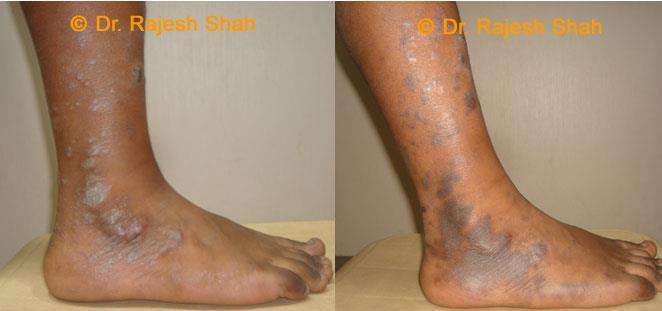
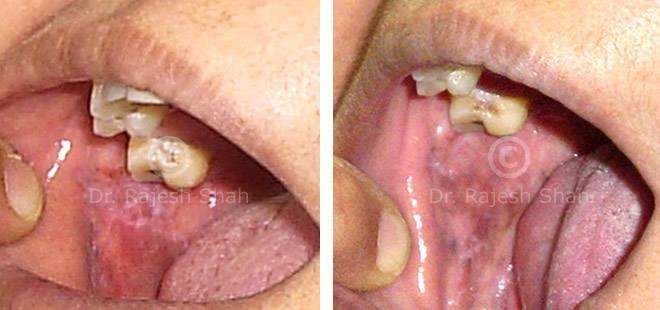
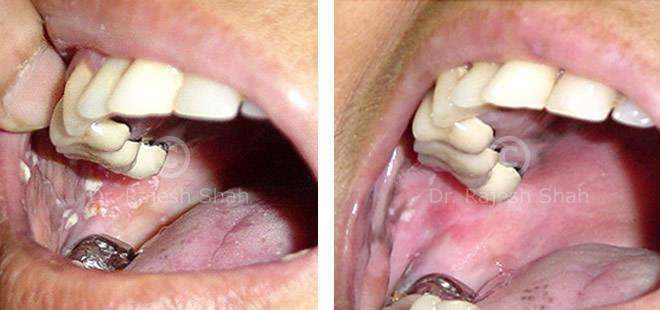
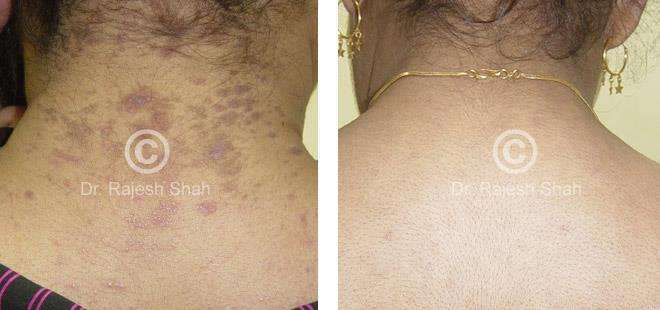
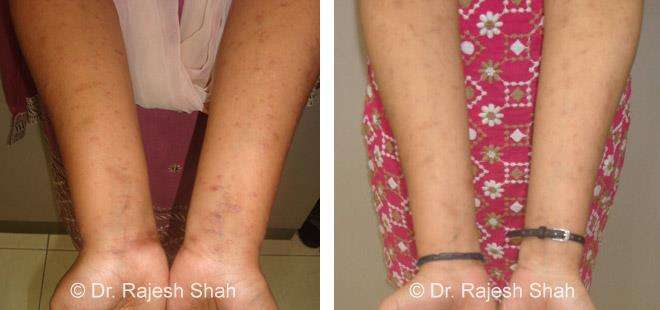
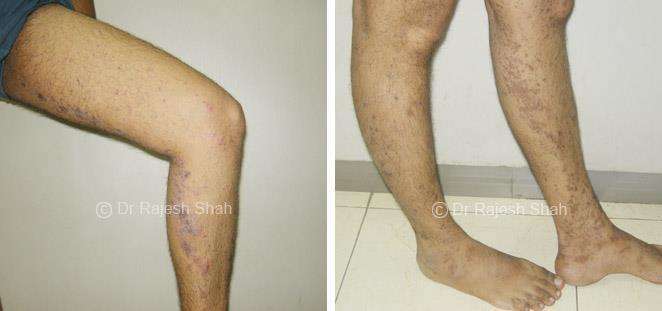
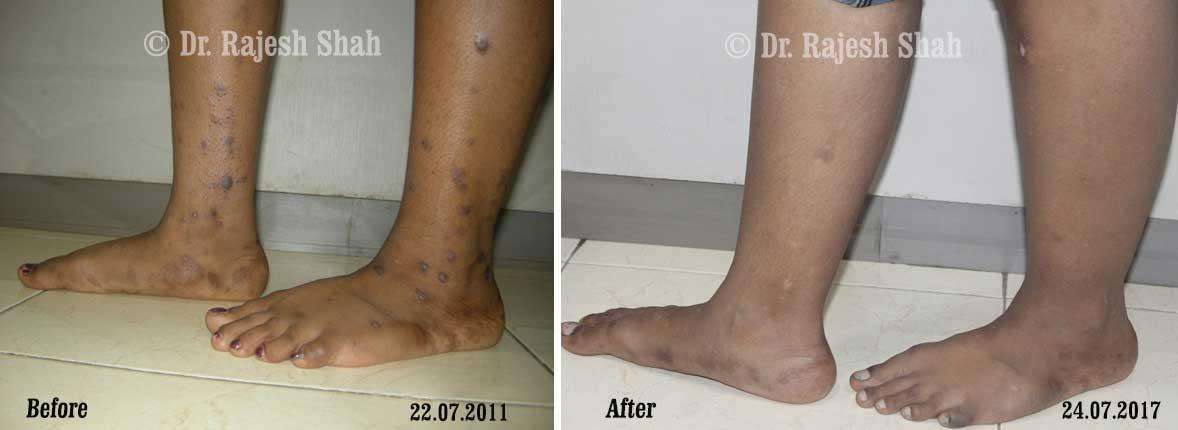
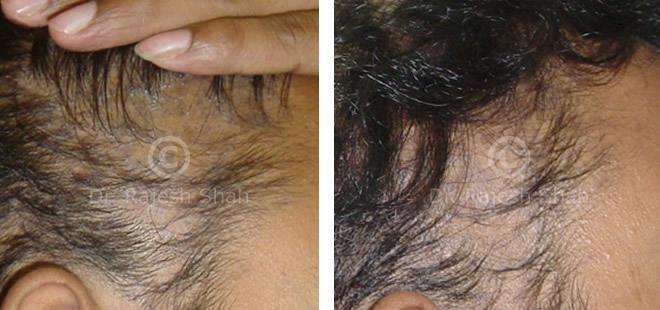
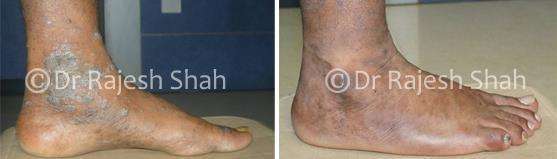
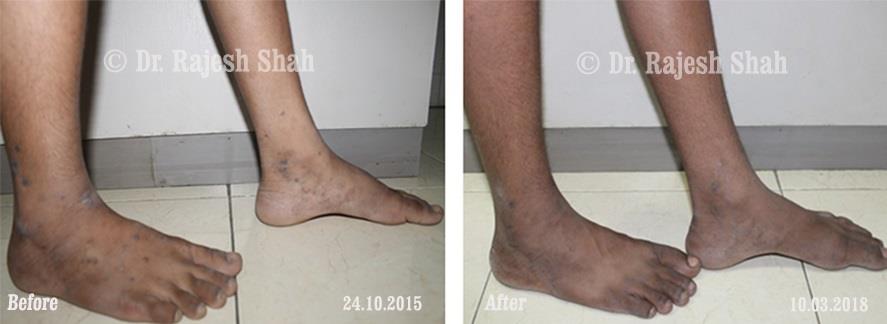
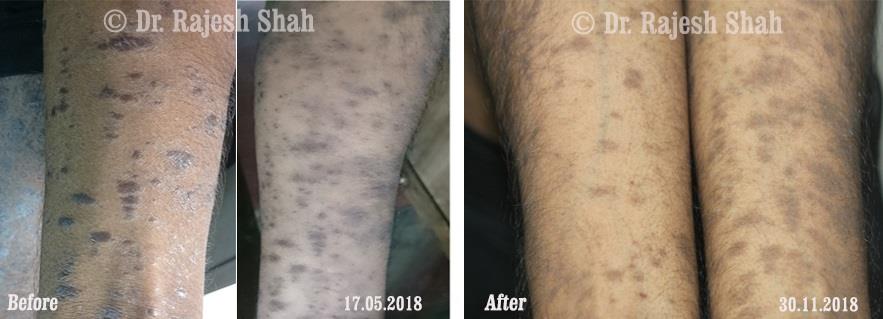
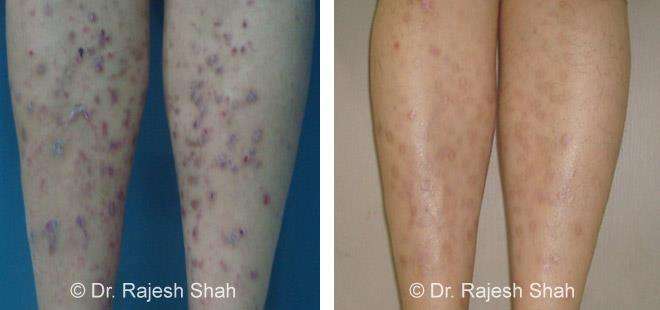
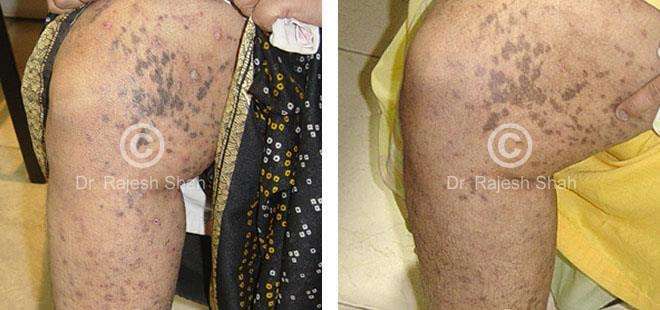
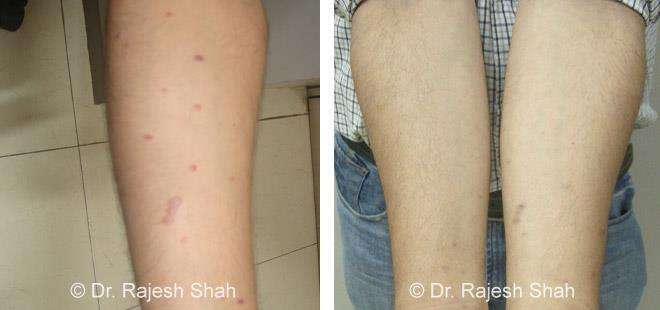
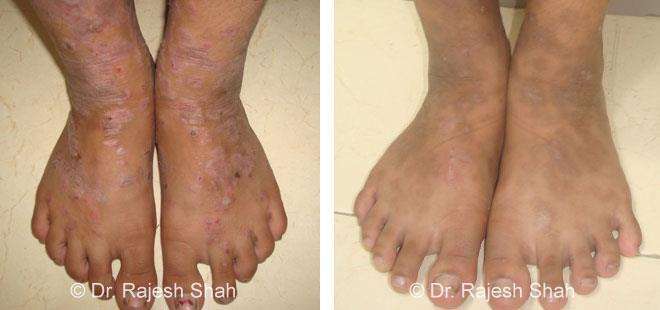
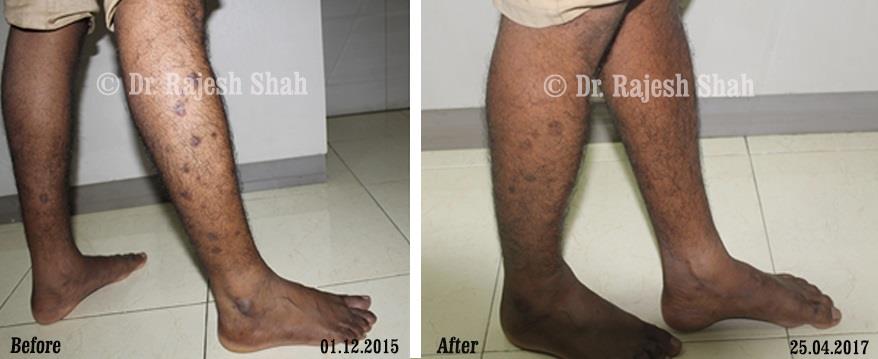
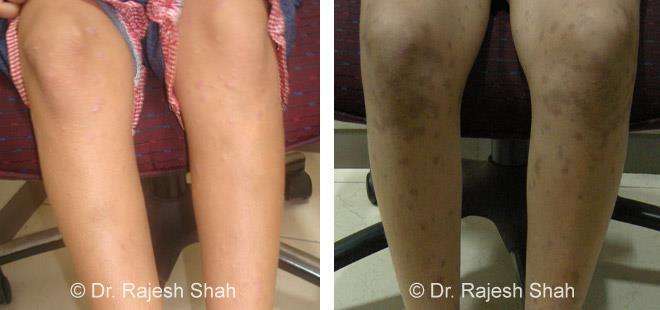
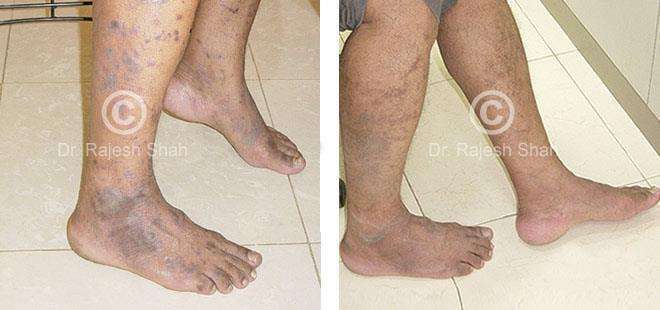
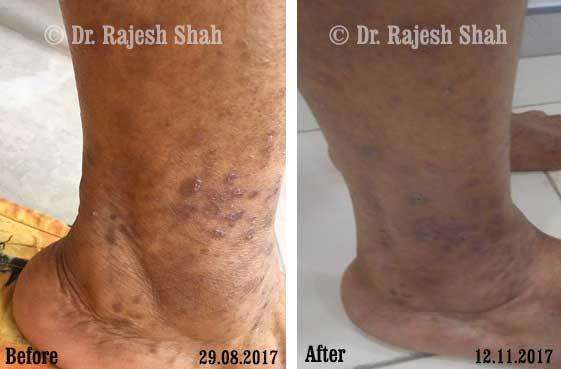
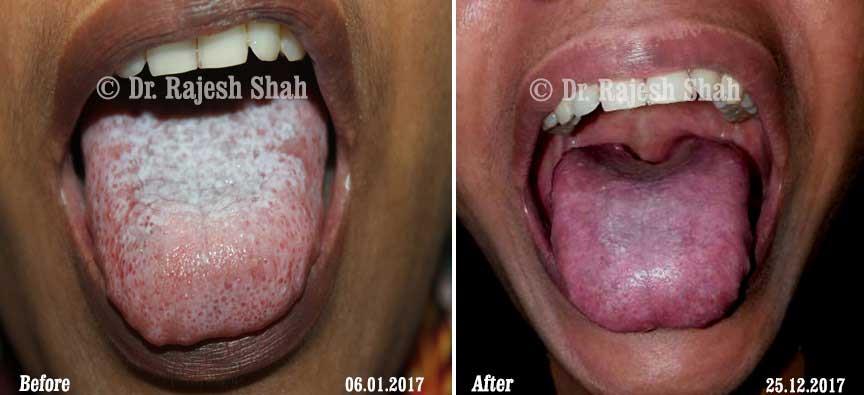
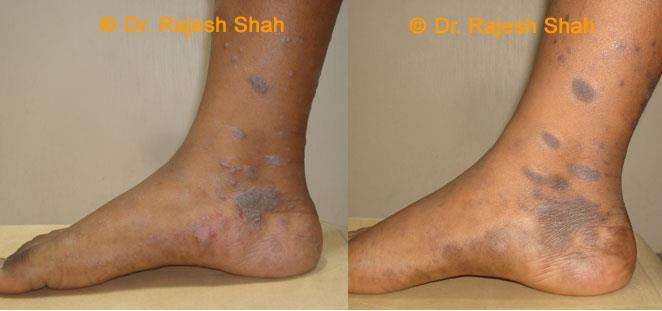
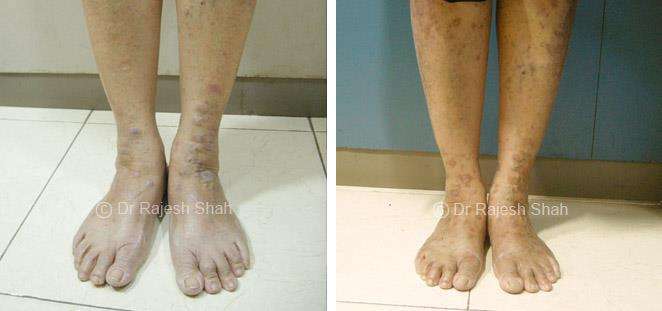
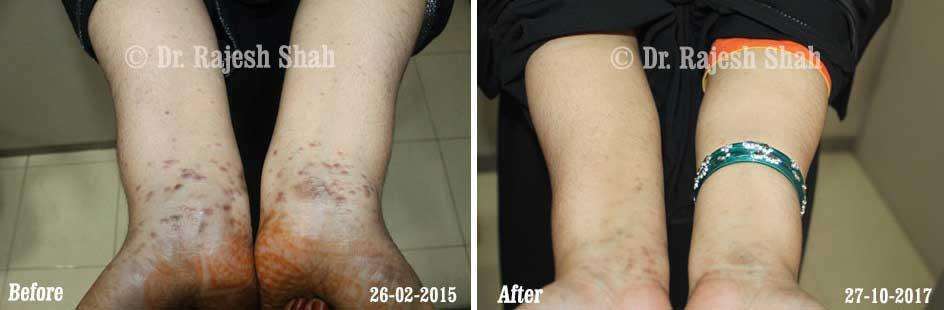
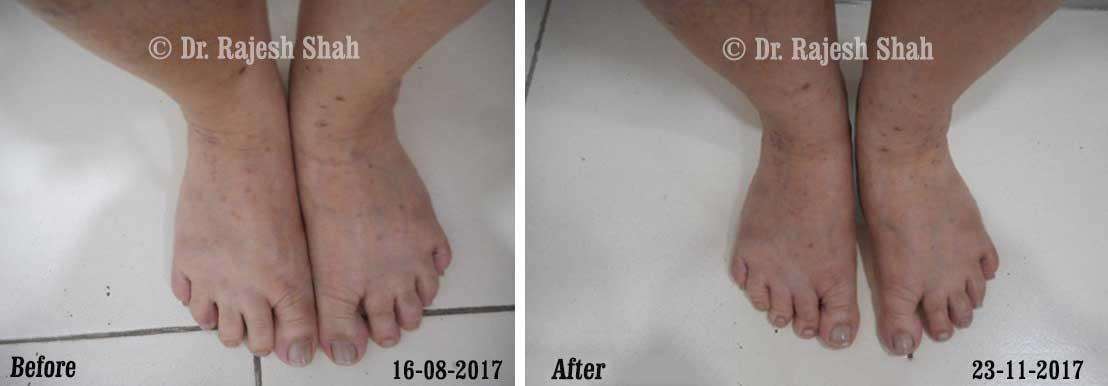
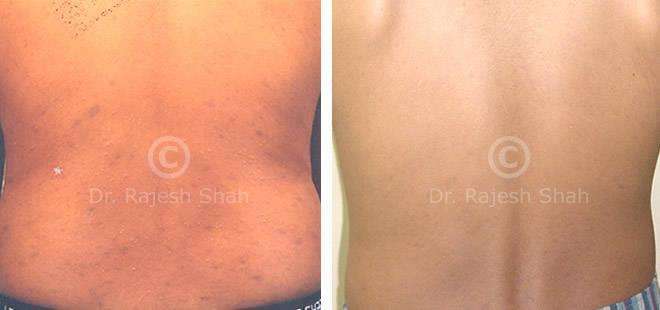
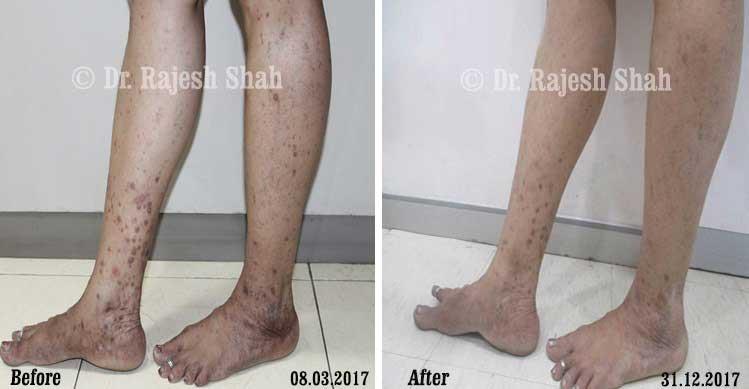
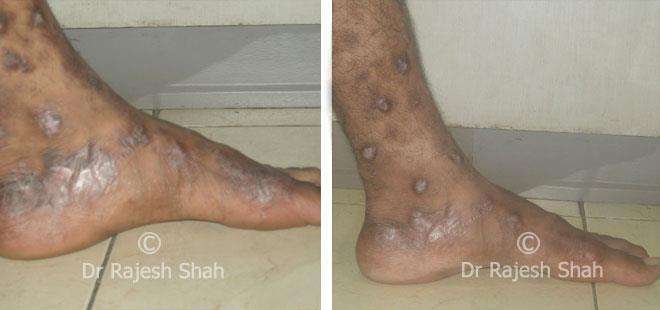
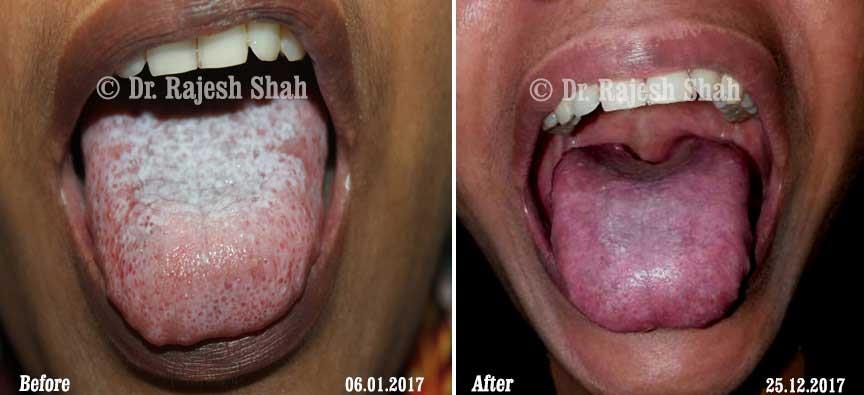
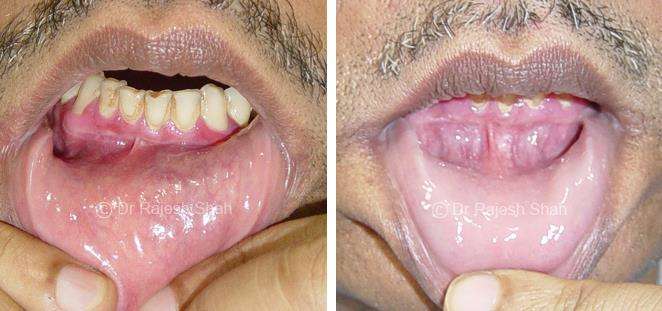
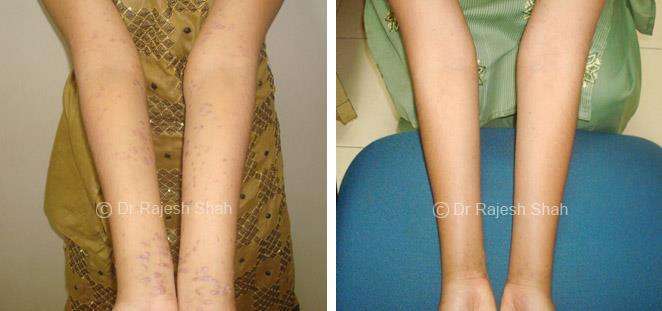
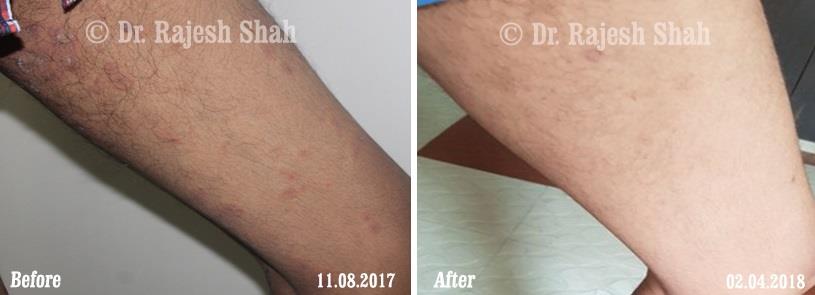
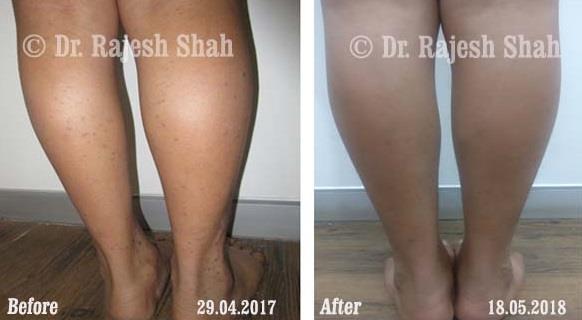
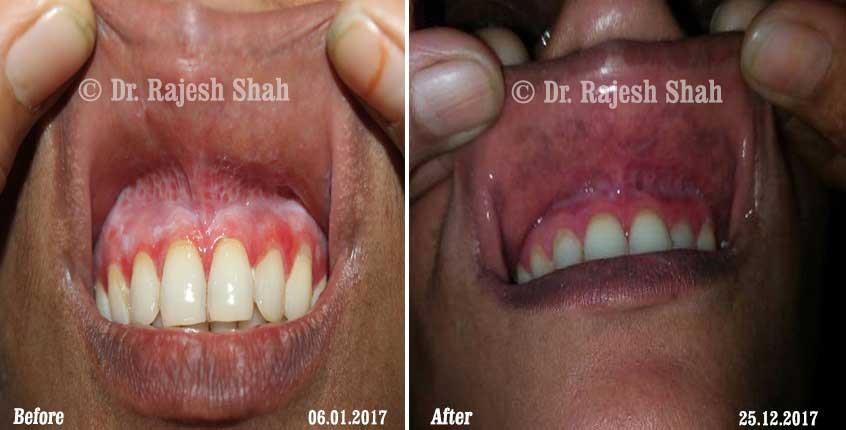
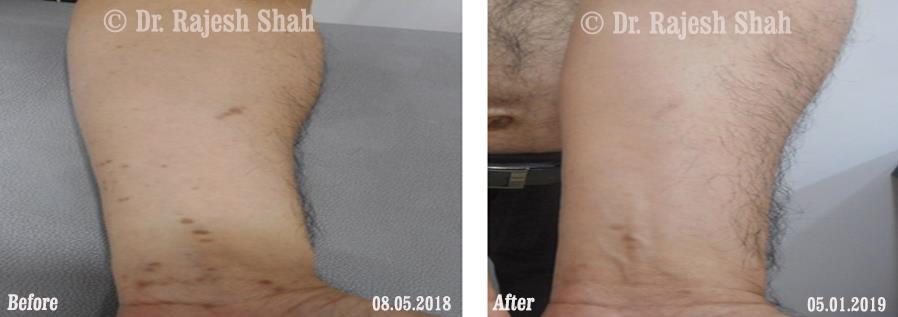
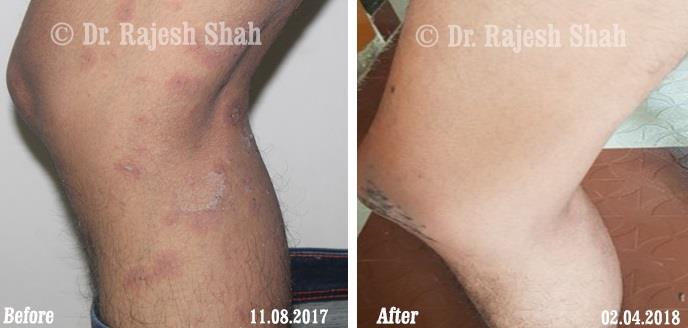
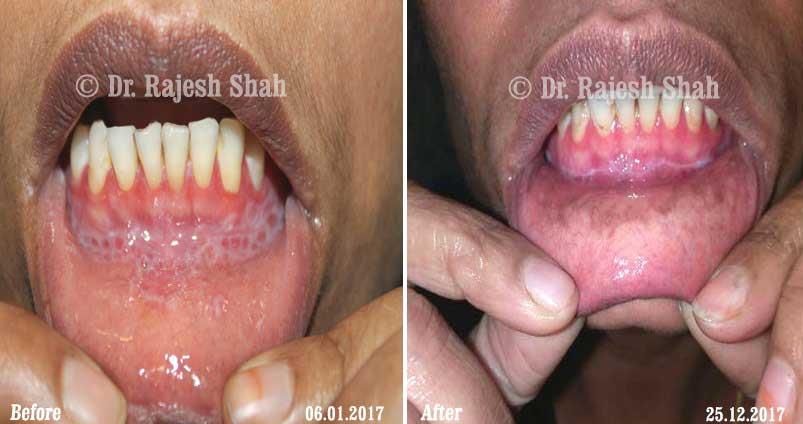
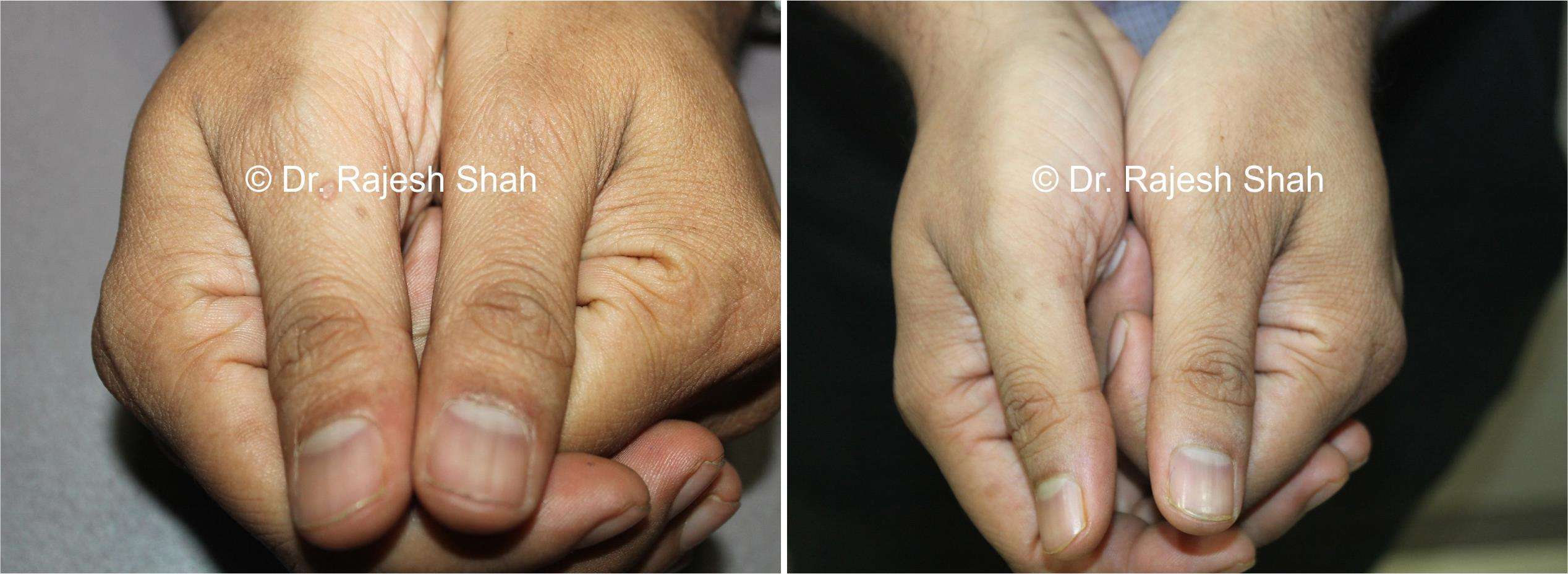
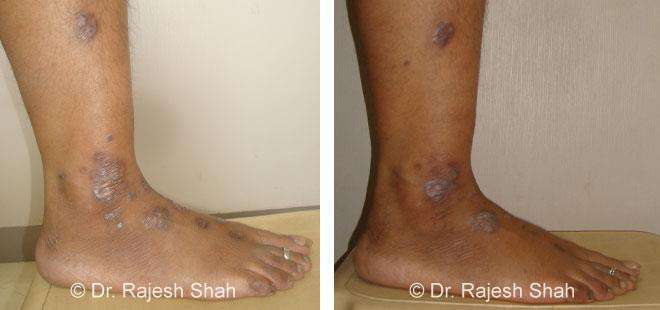
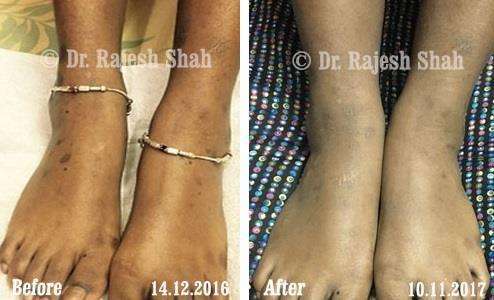
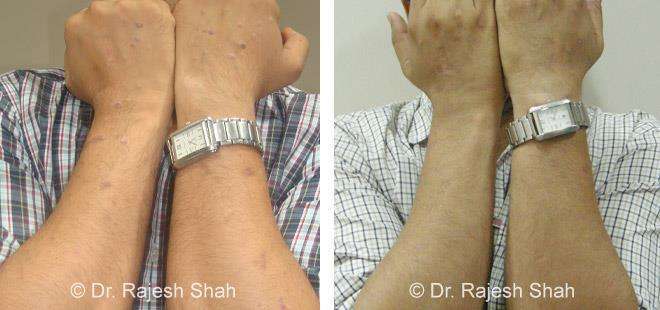
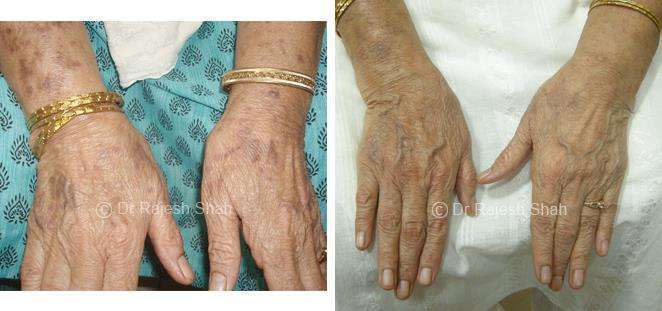
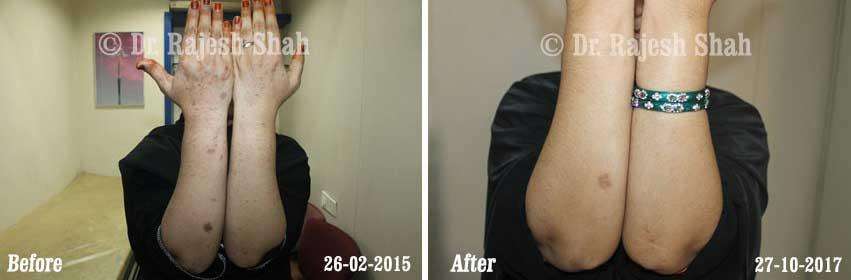
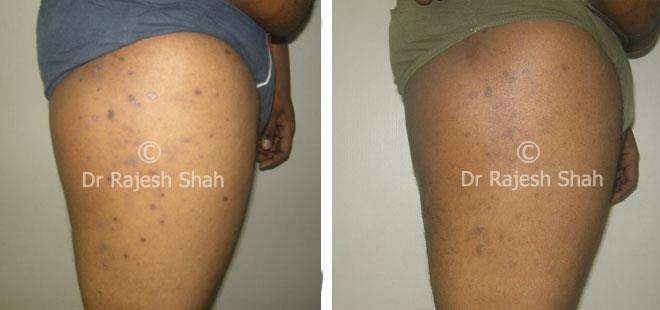
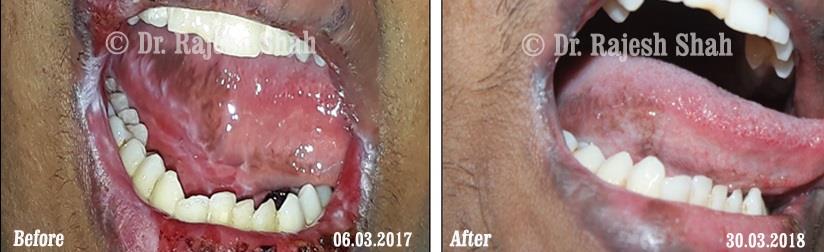
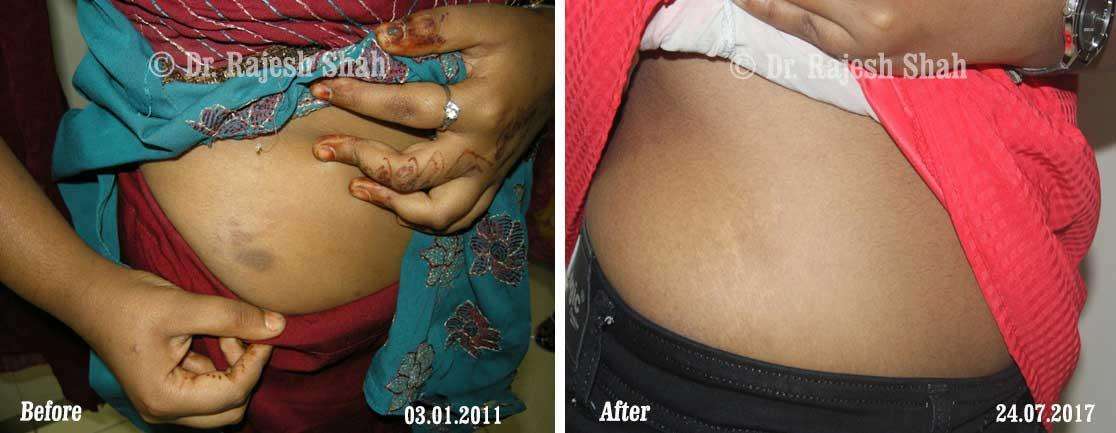
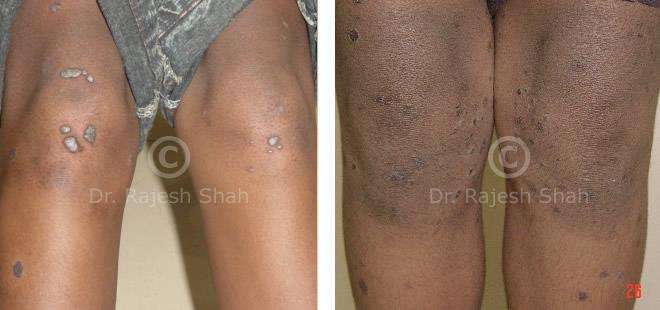
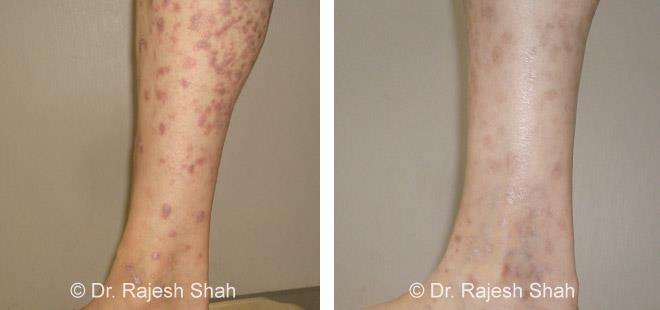
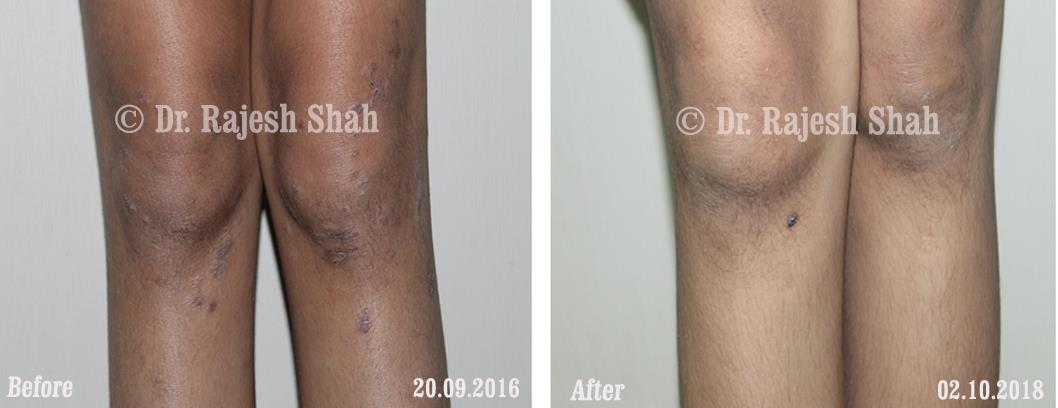
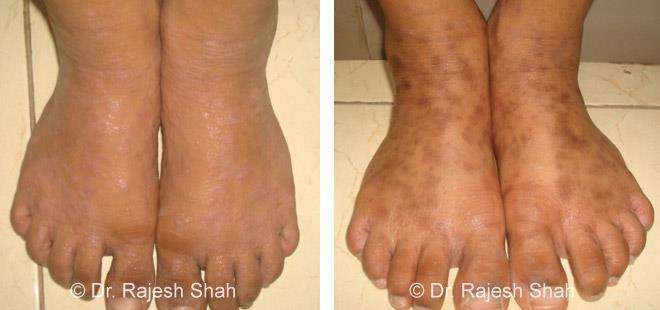
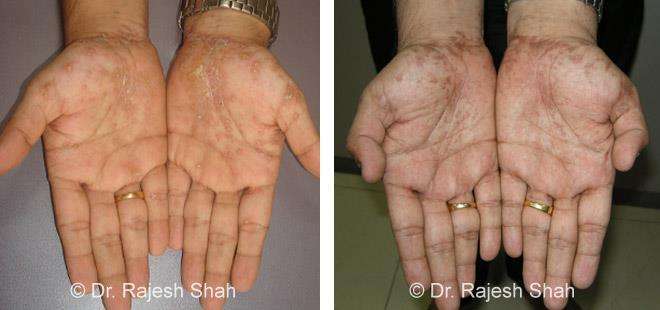
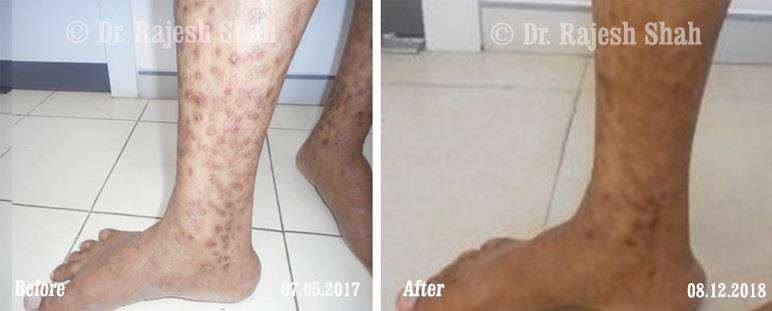
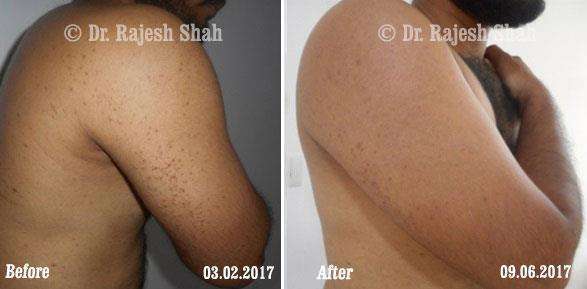
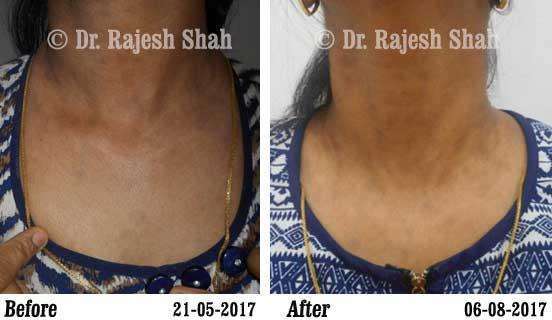
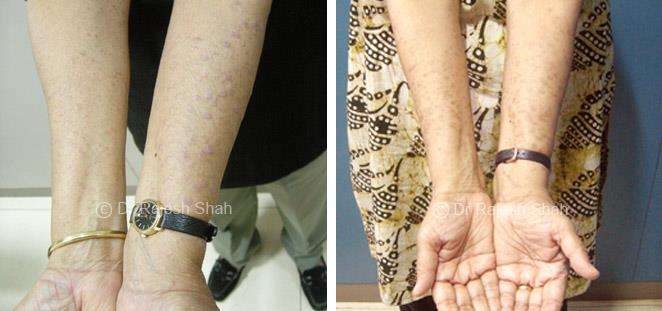
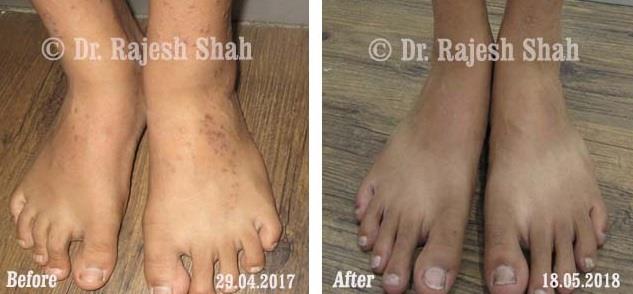
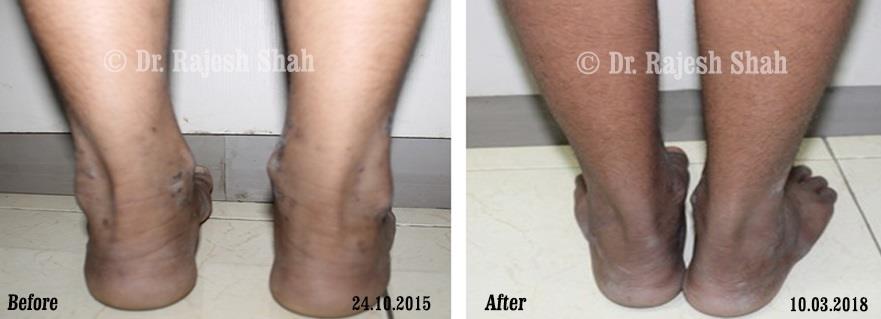
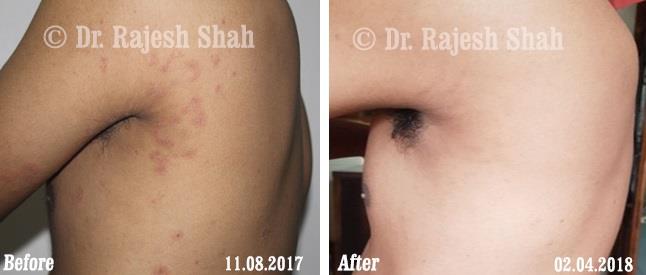
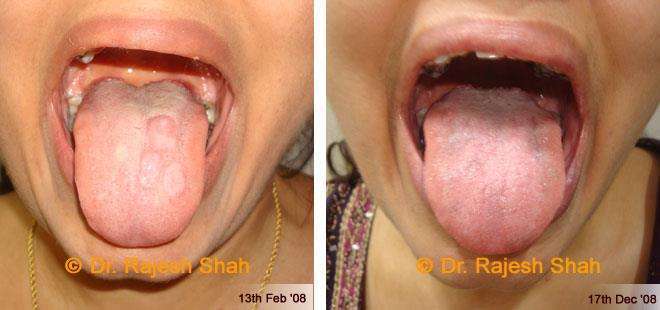
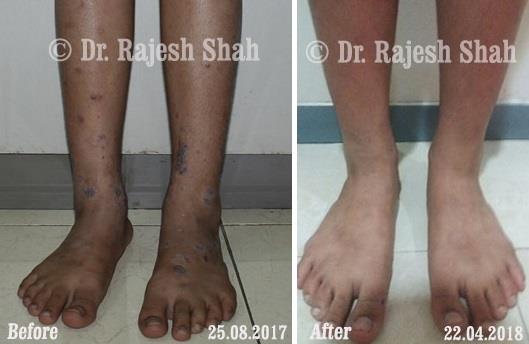
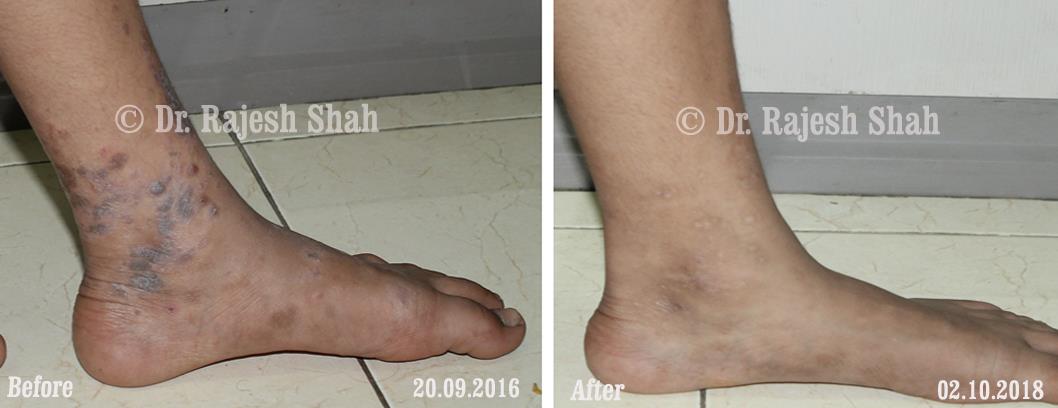
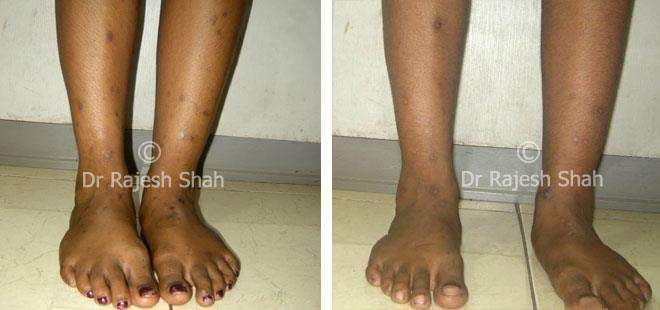
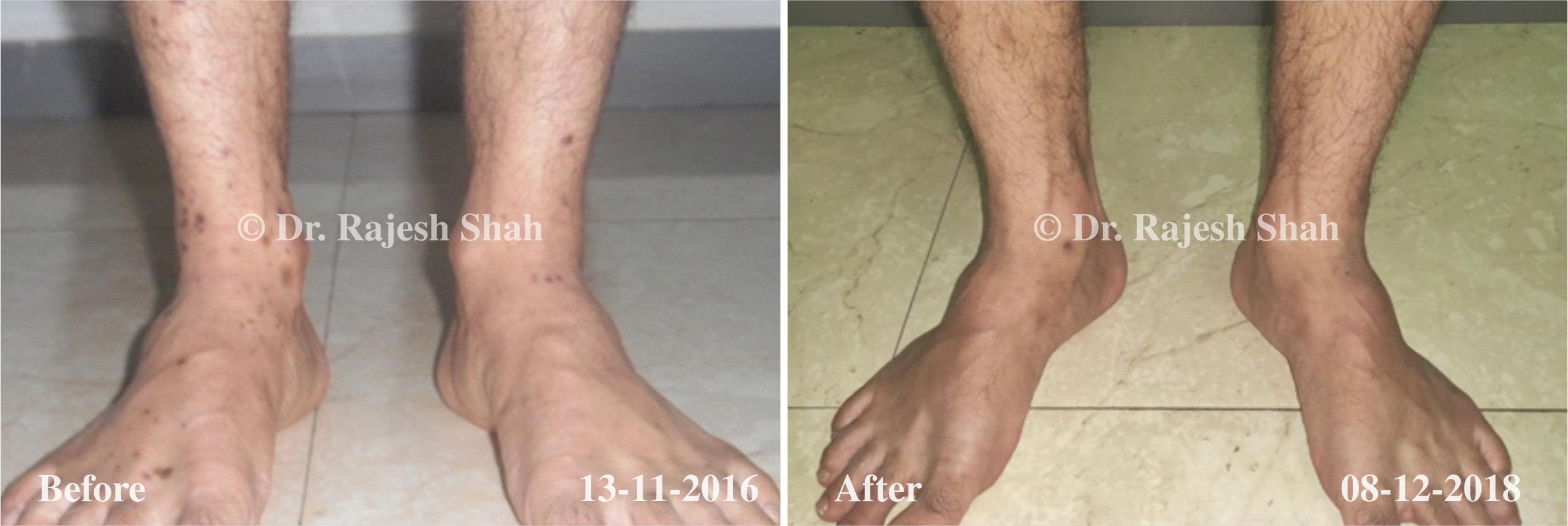
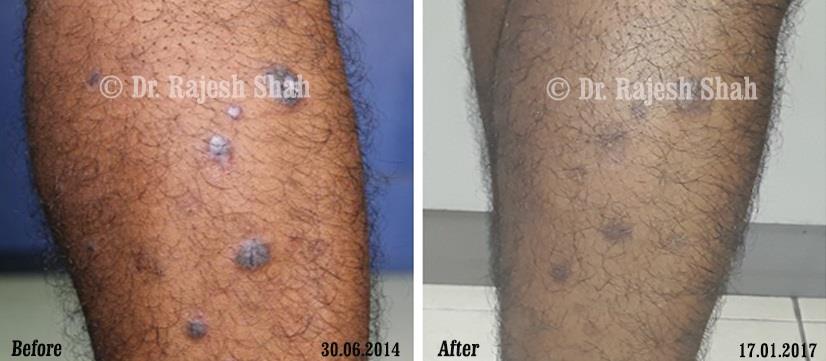
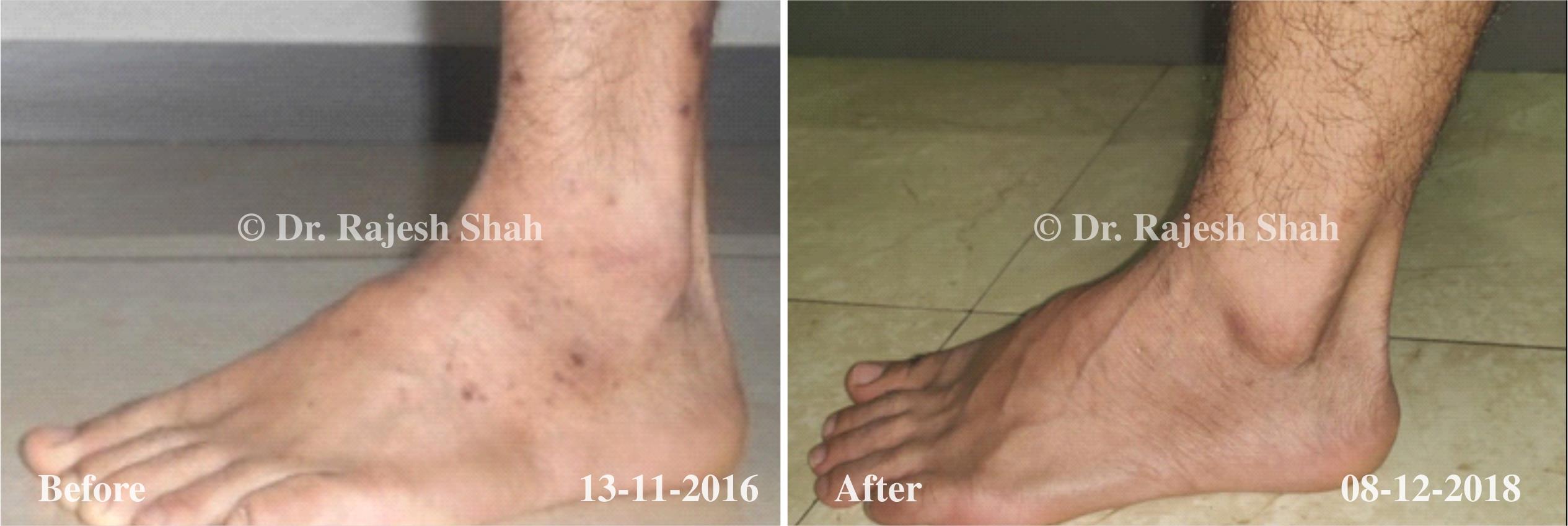
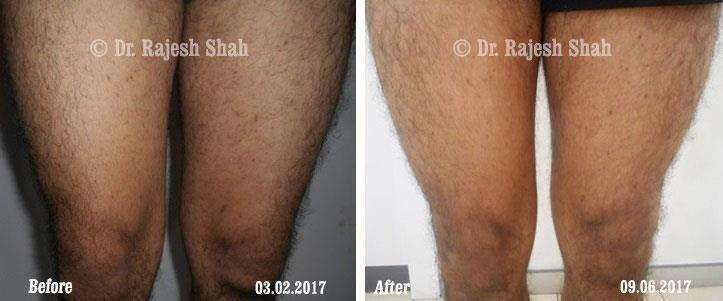
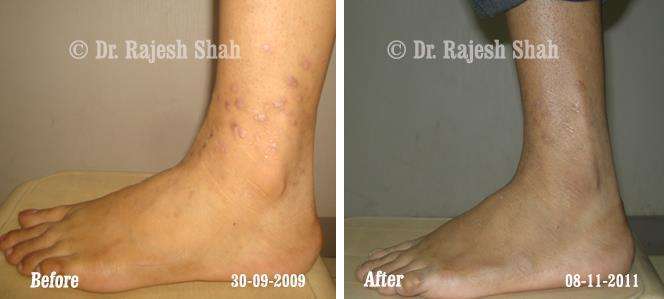
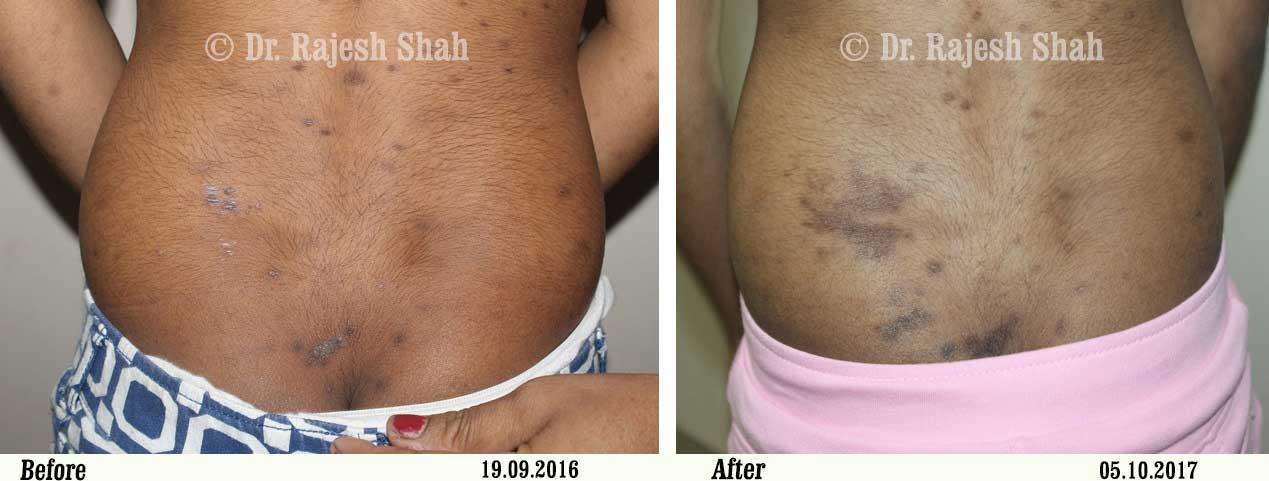
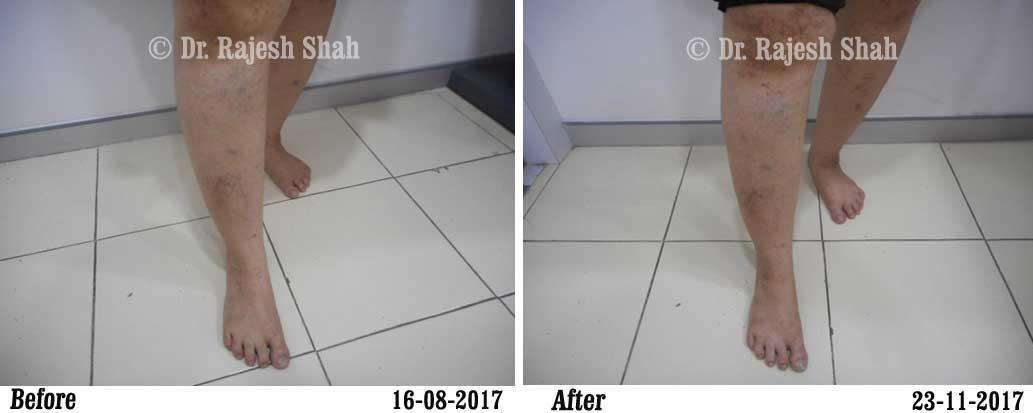
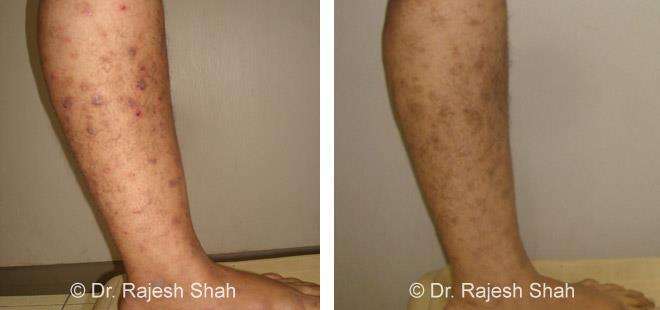
FAQ on Lichen Planus
Expert Answers to Common Questions
Lichen planus may affect the skin, mouth (oral cavity), nails, scalp, and genitals. Not all areas are affected in every individual. Most cases involve only the skin, while some may also involve the mouth, scalp, nails, or genitals. Only a small proportion of patients experience involvement of multiple sites.
Oral lichen planus may be more troublesome because it can cause pain, burning, and difficulty in eating or speaking. It is often more persistent and relatively more difficult to manage compared to skin lichen planus.
A small percentage of oral lichen planus cases may show malignant transformation over time. Reported risk is generally low (around 1–3%). Regular follow-up and, when indicated, biopsy are important for monitoring any suspicious changes.
Yes, lichen planus can recur, especially if treated only with symptomatic measures such as corticosteroids. Relapses are commonly observed after stopping treatment in many patients.
Homeopathic treatment is individualized and aims to address immune sensitivity and overall health. In clinical practice, many patients report improvement in symptoms and long-term disease control with homeopathy.
It is not appropriate to claim that every case can be cured. Clinical experience suggests that a significant proportion of patients may achieve good symptom control and recovery, but results vary from person to person.
Lichen planus itself does not directly increase the risk of other autoimmune diseases. However, some patients may have associated autoimmune conditions, and such cases may require more comprehensive management.
Yes, emotional stress and psychological factors may aggravate symptoms or trigger flare-ups in some individuals.
There are usually no clear early warning signs. Lichen planus often appears as itchy, raised, pink or purplish skin lesions. In the mouth or genitals, it may present as rough patches, white streaks, or mild ulcers.
Lichen planus is more commonly seen in adults, particularly after the age of 18. However, it can occur in children and young adults. Oral and genital involvement is relatively less common in children.
Lichen planus is a chronic immune-mediated condition, and long-term treatment may be required in many cases. Treatment duration may range from a few months to over two years, depending on the type, extent, and severity of the disease.
Patients may consult a qualified homeopathic physician after receiving a confirmed diagnosis. Those who do not respond adequately to conventional treatments or experience frequent relapses may also consider homeopathic treatment as a supportive option at any stage.
Related Diseases
Ask Dr. Rajesh Shah
Dr. Rajesh Shah, MD (Homeopathy), is a renowned Mumbai-based homeopath, recognized for treating patients from 180 countries, including celebrities and underprivileged individuals.
Contact Us