


Allergic Rhinitis Treatment:
Managing Nasal Allergy and Hay Fever
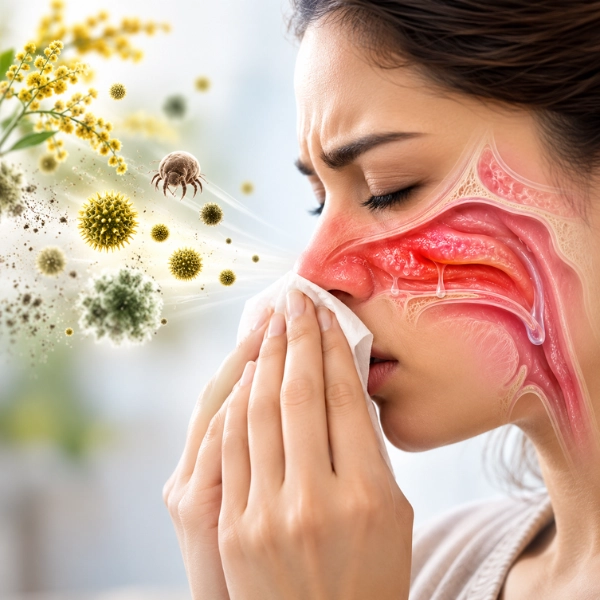
Allergic rhinitis is an allergic condition that can cause repeated sneezing, a runny or blocked nose, itching, postnasal discharge, and watery or itchy eyes. Symptoms develop when the immune system reacts to allergens such as pollen, dust mites, mould, or animal dander.
Effective allergic rhinitis treatment starts with identifying likely triggers, understanding the frequency and severity of symptoms, and assessing whether other respiratory conditions are also present.
At Life Force, patients seeking care for nasal allergy are evaluated for symptom patterns, environmental triggers, associated eye complaints, sinus symptoms, asthma, previous allergy testing, and current medicines before complementary homeopathic care is discussed.
 Dr. Rajesh Shah, MD (Homeopathy)
Founder & Chief Consultant, Life Force Homeopathy
Practising since 1985 — 40+ years of clinical homeopathy
Patients treated in 180+ countries; listed in the Limca Book of Records for it
Developed novel nosodes incl. HIV, Hepatitis C & Mycobacterium TB
40 peer-reviewed publications with ~50 scientists across 11 institutions
Patents on new homeopathic medicines in India, USA, Europe & Australia
View More
Homeopathy for Allergic Rhinitis
Dr. Rajesh Shah, MD (Homeopathy)
Founder & Chief Consultant, Life Force Homeopathy
Practising since 1985 — 40+ years of clinical homeopathy
Patients treated in 180+ countries; listed in the Limca Book of Records for it
Developed novel nosodes incl. HIV, Hepatitis C & Mycobacterium TB
40 peer-reviewed publications with ~50 scientists across 11 institutions
Patents on new homeopathic medicines in India, USA, Europe & Australia
View More
Homeopathy for Allergic Rhinitis
Under the leadership of Dr. Rajesh Shah (MD – Homeopathy), Life Force Homeopathy follows a patient-centric, transparent, and research-guided model of care.
Dr. Shah personally guides case evaluation protocols and treatment strategies, while a dedicated team of qualified homeopathic doctors ensures consistent treatment quality and ethical long-term management.
What is Allergic Rhinitis?
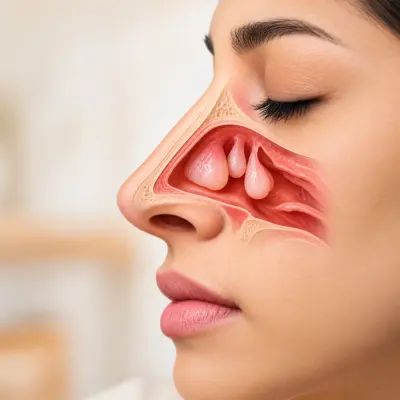
Allergic rhinitis occurs when the immune system reacts to normally harmless airborne substances called allergens.
Exposure triggers chemicals such as histamine, which contribute to inflammation and produce sneezing, nasal congestion, itching, watery discharge, and eye symptoms.
The condition is often called hay fever, particularly when seasonal allergens such as pollen trigger symptoms. Despite the name, hay itself is not necessarily responsible and fever is not a typical feature of allergic rhinitis.
The term nasal allergy is commonly used by patients to describe the same group of allergy-related nasal complaints.
Understand Your Allergy Pattern
Free Allergic Rhinitis Assessment
Answer a few questions about sneezing, nasal obstruction, discharge, itching, eye symptoms, seasonality, environmental exposure, sleep, and breathing difficulties.
The assessment reviews common nasal allergy symptoms, including repeated sneezing, watery nasal discharge, congestion, nasal itching, and postnasal drip.
It also identifies whether allergic rhinitis and eyes are affected together, because itching, redness, watering, and swelling around the eyes frequently accompany respiratory allergies.
Developed using Life Force’s clinical assessment approach under the guidance of Dr. Rajesh Shah.
Approximate time: 2 minutes
This assessment provides general guidance and does not replace medical diagnosis or allergy testing.
Know your chances of recovery with just a few simple questions
Ready to know your recovery chances in percentage?
A short, guided assessment built on 40+ years of clinical experience.
Which condition would you like assessed?
Choose your health condition to begin a short, guided assessment.
Understanding Allergic Rhinitis
When an allergic person inhales a trigger such as pollen, dust-mite particles, animal dander, or mould spores, the immune system responds as though the substance were harmful.
This response releases inflammatory chemicals, including histamine, leading to characteristic allergic rhinitis symptoms.
Dr. Rajesh Shah feels that identifying recurring triggers is an important part of long-term allergic rhinitis treatment, because avoiding or reducing relevant exposure may decrease symptom burden even before medicines are considered.
The same patient may respond differently to different environments. Someone with a dust-mite-related nasal allergy may experience symptoms throughout the year, while pollen-sensitive individuals may notice clear seasonal variation.
Types and Patterns of Allergic Rhinitis
Seasonal Allergic Rhinitis
Seasonal allergic rhinitis occurs when symptoms are linked to allergens that are more prominent at particular times of the year, especially pollen.
This pattern is commonly called hay fever.
Patients may develop repeated sneezing, watery discharge, itching, congestion, and eye irritation during periods of increased allergen exposure.
Perennial Allergic Rhinitis
Perennial symptoms occur throughout much of the year.
Common triggers may include:
- Dust mites
- Pet dander
- Mould
- Indoor allergens
- Cockroach allergens
The frequency of symptoms does not necessarily reflect severity. Some patients experience mild daily symptoms, while others develop marked obstruction, disturbed sleep, or associated asthma.
Learn More About Allergic Rhinitis
Understand common triggers, symptoms, allergy testing, treatment options and the connection between allergic rhinitis, sinus problems and asthma.



How Can Homeopathy Be Used?
Patients sometimes seek a homeopathic medicine for allergic rhinitis because their symptoms repeatedly return after exposure to environmental triggers.
At Life Force, homeopathy may only be discussed as complementary care. It should not replace proven measures such as allergen avoidance, antihistamines, prescribed intranasal corticosteroids, allergy evaluation, immunotherapy where appropriate, or asthma treatment.
There is no established best homeopathic medicine for allergic rhinitis supported by high-quality evidence. NCCIH states that there is little evidence supporting homeopathy as an effective treatment for any specific medical condition.
Dr. Shah states that anyone considering an allergic rhinitis homeopathic medicine should first understand whether symptoms are truly allergic and whether asthma, sinus disease, or another condition is present.
Duration and Long-Term Management
The duration of allergic rhinitis treatment depends on whether symptoms are seasonal or perennial, the allergens involved, severity, exposure frequency, associated asthma, and response to treatment.
Some patients mainly require preventive measures during predictable allergy seasons. Others need longer-term management because dust mites, pets, mould, or occupational allergens are present throughout the year.
A patient seeking hay fever homeopathic treatment should not expect a fixed treatment duration or a guaranteed permanent response. The frequency of symptoms, allergen exposure, existing conventional treatment, and associated respiratory disease should all be reviewed.
Regular follow-up should assess sneezing, nasal obstruction, discharge, itching, eye symptoms, sleep quality, medication requirements, and any new breathing problems.
Key Homeopathic Medicines
Medicines traditionally considered in homeopathic practice for patients presenting with allergic nasal complaints include:
- Allium Cepa
- Sabadilla
- Arsenicum Album
- Natrum Muriaticum
- Euphrasia
- Wyethia
- Arundo
- Nux Vomica
These names are not recommendations for self-medication.
There is no universally appropriate homeopathy medicine for nasal allergy because similar symptoms can occur with different allergy triggers and with non-allergic conditions.
Similarly, an allergic rhinitis homeopathic medicine should not be selected solely because a person sneezes or has watery nasal discharge.
People searching for the best homeopathic medicine for allergic rhinitis should first obtain an accurate diagnosis and understand that current evidence does not establish a single homeopathic medicine as an effective treatment for allergic rhinitis.
Our Expertise
Life Force Homeopathy was established in 1985 by Dr. Rajesh Shah, M.D. (Hom.), and Dr. Rupal Shah.
Life Force has more than four decades of clinical experience, a team of 30+ doctors, experience serving over 100,000 patients across chronic health conditions, and patients from more than 180 countries.
For patients with recurrent nasal allergy, Life Force doctors review:
- Frequency and duration of episodes
- Seasonal or year-round pattern
- Sneezing and nasal discharge
- Nasal obstruction
- Eye symptoms
- Sinus complaints
- Cough or wheezing
- Asthma history
- Allergy test results where available
- Current medicines
- Previous treatment
Dr. Rajesh Shah states that recurrent respiratory allergy should be assessed as a complete airway problem, particularly when allergic rhinitis and sinusitis or lower-airway symptoms occur together.
Life Force may discuss complementary treatment while patients continue medically necessary conventional allergy or asthma care. For an example of how symptoms and recurrence are documented during follow-up, read this allergic rhinitis case involving daily sneezing and watery eyes.
Understand Your Allergic Rhinitis Symptoms

Allergy
Chronic Allergic Rhinitis Treatment: A 2-Year Case Study of a 51-Year-Old Woman With 90–95% Clinical Improvement
Hero Introduction For Mrs. S.N.P., a 51-year-old homemaker from Bhusawal, Maharashtra, mornings had become increasingly difficult. She had been experiencing…
Allergic Rhinitis
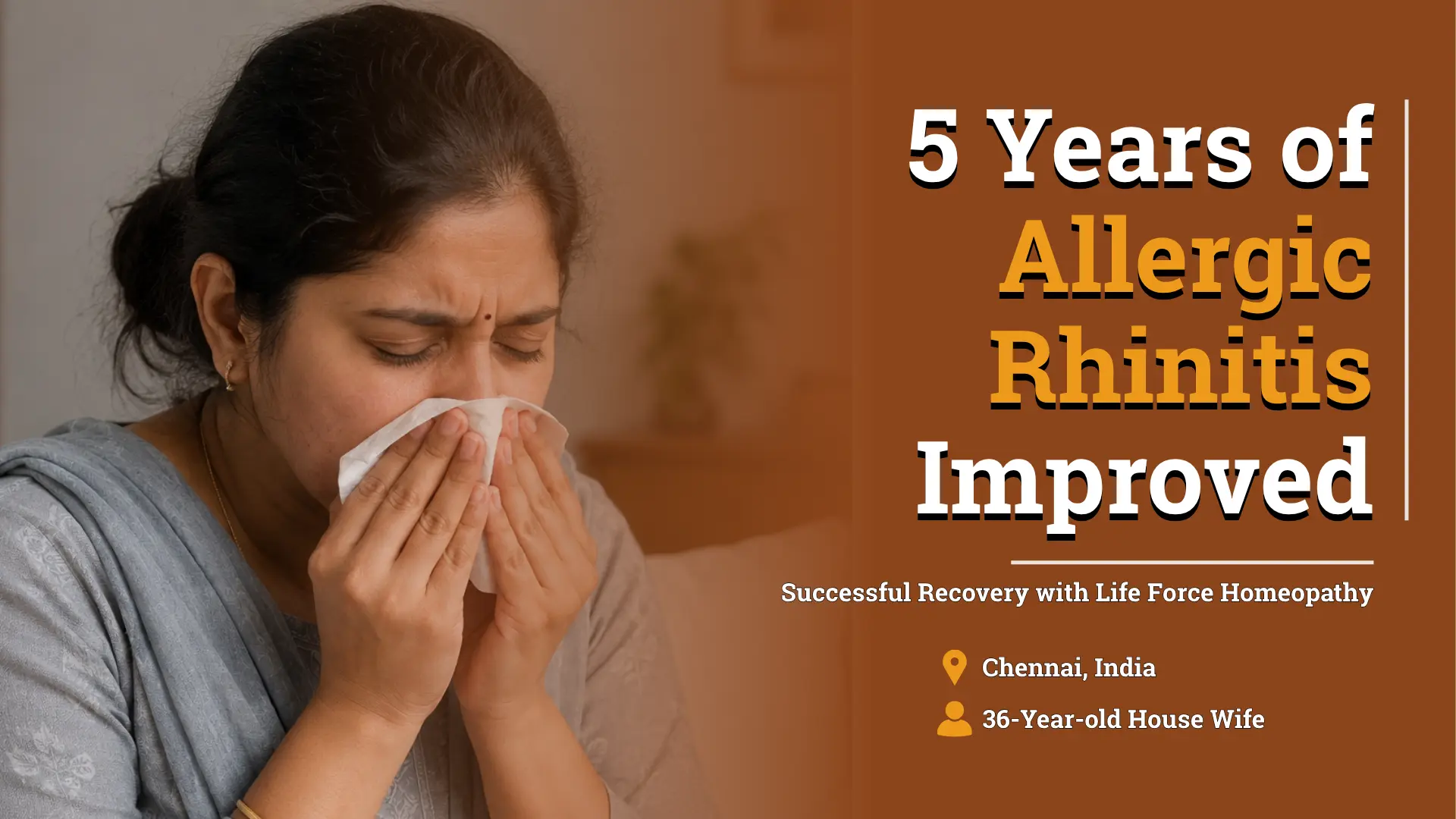
5 Years of Allergic Rhinitis Improved With Homeopathy
Mrs Br, a 36-year-old woman, had been suffering from Allergic Rhinitis for nearly five years. Her main complaints were repeated…
Allergic Rhinitis
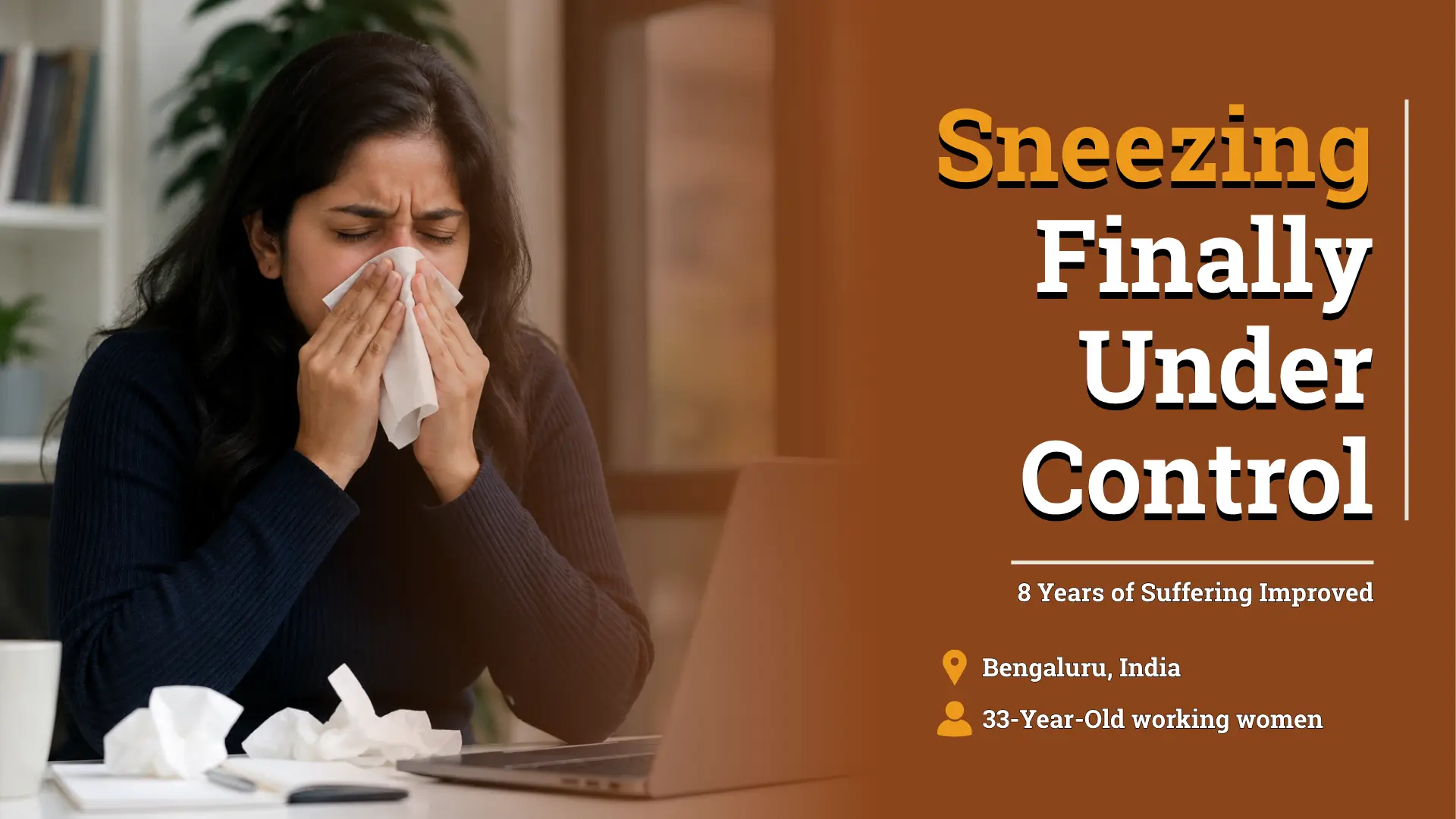
How a Software Engineer Found Relief from 8 Years of Allergic Rhinitis with Homeopathy
Summary A 33-year-old female software engineer from Bangalore, suffering from allergic rhinitis for 8 years and dependent on antihistamines twice…

Allergic Rhinitis
How a Gujarat Woman Overcame Allergic Rhinitis with Homeopathy
A patient from Surat, Gujarat consulted online with the Life Force team for a complaint of Allergic Rhinitis from which…
Allergic Rhinitis
Homeopathy Proved to Be the Right Choice for Total Recovery from Allergic Rhinitis Without Any Side Effects
Allergic rhinitis is a medical condition where the body overreacts to some substances (allergens). Due to allergens, the mucous membrane…
Allergic Rhinitis
15 Years Chronic Allergic Rhinitis Patient Healed in a Short Time at Life Force
Allergic rhinitis is swelling of the nasal passages resulting due to allergens. It is reported to affect approximately 25% and 40% of…
Allergic Rhinitis
No More Nasal Sprays: A Homeopathic Approach to Allergic Rhinitis
Allergy means sensitivity, and rhinitis means inflammation of the mucus membrane of the nose. People generally suffer from allergies when…
Allergic Rhinitis
From Sneezes to Smiles: A Child’s Allergic Rhinitis Journey with Life Force Homeopathy
Allergic Rhinitis, commonly known as Hay Fever, manifests as inflammation of the nasal passages resulting from an immune system hypersensitivity…
Allergic Rhinitis
No Need for Cetirizine Genetic Allergies Managed with Homeopathy
A 29-year-old male patient came to Life Force Homeopathy on 25th October 2023 with complaints of allergic rhinitis. The presenting symptoms…
Allergic Rhinitis
Homeopathy cures two chronic diseases simultaneously Trigeminal Neuralgia and Allergic Rhinitis.
Seventy three years old Mr G.M.M. (Patient Identification Number 15389) approached LifeForce Homeopathy for the treatment of Trigeminal Neuralgia. He…
Homeopathic Treatment for Allergic Rhinitis
At Life Force, a homeopathic medicine for allergic rhinitis is not selected solely according to one symptom such as sneezing.
The clinical review considers symptom frequency, triggering environment, nasal obstruction, discharge, itching, seasonality, eye symptoms, sinus complaints, respiratory history, sleep, existing medication, and associated health problems.
A patient asking for an allergic rhinitis homeopathic medicine should understand that current scientific evidence for homeopathy is limited. It should be considered complementary rather than a substitute for established allergy treatment.
There is also no scientifically established best homeopathic medicine for allergic rhinitis that can be recommended for everyone.
Dr. Shah states that patients already using antihistamines, nasal corticosteroids, asthma inhalers, or immunotherapy should continue these according to their treating doctor’s advice.
Homeopathy Medicine for Nasal Allergy
A homeopathy medicine for nasal allergy may traditionally be selected according to the pattern of sneezing, discharge, itching, aggravating factors, and associated complaints.
However, the first clinical question should remain whether symptoms actually represent allergy and whether conditions such as sinusitis, asthma, infection, or non-allergic rhinitis also require treatment.
Hay Fever Homeopathic Treatment
Patients considering hay fever homeopathic treatment may particularly notice seasonal recurrence related to pollen exposure.
Trigger avoidance, appropriate allergy medicines, and immunotherapy where medically suitable remain established treatment options. Homeopathic care should not replace these where they are needed.
Explore More on Allergies & Respiratory Health

Homeopathy
Can Homeopathy Have a Role in the Future of Personalized Healthcare?
Why Personalized Healthcare Is Growing, and Where Homeopathy Fits Into the Conversation Two people may have the same diagnosis and…

Homeopathy
Confused Between Homeopathy and Conventional Treatment? Here’s What Patients Should Know
When Choosing a Treatment Starts Feeling Like Choosing a Side When people feel unwell, the confusion often goes beyond the…

Homeopathy
Life Force Homeopathy: Four Decades of Experience in Managing Chronic Diseases
Introduction Living with a chronic condition can mean recurring symptoms, repeated treatment, and uncertainty about future flare-ups. Life Force Homeopathy…

Homeopathy
How Life Force Homeopathy Is Shaping the Future of Modern Homeopathy in Global Healthcare
Evolution of Homeopathy in Modern Medicine Homeopathy was founded over 200 years ago by its founder, Dr. Samuel Hahnemann, and…
Practical Measures for Nasal Allergy
Reducing exposure to identified allergens may help limit recurrent symptoms.
Useful measures depend on the trigger and may include reducing exposure to dust mites, keeping indoor humidity under control, managing mould, avoiding direct exposure to known animal allergens, and monitoring pollen levels during seasonal allergy periods.
These strategies may reduce nasal allergy symptoms, but complete avoidance of airborne allergens is often impossible.
For this reason, environmental control should be combined with appropriate medical treatment when symptoms continue to affect sleep, work, school, or daily activities.
FAQs on Allergic Rhinitis
Answer by Expert Doctors
Common allergic rhinitis symptoms include repeated sneezing, a blocked or runny nose, nasal itching, postnasal drip, itchy throat, and watery or itchy eyes.
The pattern of symptoms and their relationship with allergen exposure help distinguish allergic rhinitis from other nasal conditions.
The term nasal allergy is commonly used to describe allergic rhinitis.
Typical nasal allergy symptoms include sneezing, itching, watery discharge, congestion, and symptoms that repeatedly occur after exposure to relevant allergens.
Hay fever is another commonly used name for allergic rhinitis, particularly seasonal allergy caused by pollen.
It can produce sneezing, congestion, runny nose, itching, and watery eyes, but fever is not normally part of uncomplicated hay fever.
Allergic rhinitis and sinusitis are different conditions, although inflammation and nasal congestion related to allergy may contribute to impaired sinus drainage in some people.
Facial pain, significant pressure, thick discharge, or prolonged symptoms may require assessment for sinusitis rather than being assumed to be allergy alone.
You can also explore a chronic sinusitis patient’s treatment journey to understand how persistent nasal complaints were assessed and followed over time.
Yes. Allergic rhinitis and eyes are frequently affected together because airborne allergens can trigger both nasal and ocular inflammation.
Itchy, watery, red, or swollen eyes may accompany nasal symptoms. Persistent pain or visual changes should be medically evaluated.
Yes. Asthma with allergic rhinitis is common because inflammation of the upper and lower respiratory tract can coexist.
Anyone with recurrent nasal allergy who develops wheezing, breathlessness, chest tightness, or persistent cough should be assessed for asthma.
Our guide to asthma symptoms and triggers explains common exposures and breathing symptoms that deserve attention.
The appropriate treatment depends on severity, triggers, associated conditions, and previous response.
Evidence-based options can include allergen avoidance, antihistamines, intranasal corticosteroids, saline rinses, and immunotherapy for selected patients.
No single allergic rhinitis treatment is appropriate for every person.
There is no scientifically established homeopathic medicine for allergic rhinitis that has been proven to work for everyone.
Patients looking for a homeopathy medicine for nasal allergy should obtain an accurate diagnosis and should not stop medically necessary allergy medicines.
There is no evidence-based best homeopathic medicine for allergic rhinitis. An allergic rhinitis homeopathic medicine may be selected individually in homeopathic practice, but current evidence does not establish homeopathy as a replacement for conventional allergic rhinitis management.
People interested in hay fever homeopathic treatment may discuss complementary care with a qualified practitioner. However, established treatments such as trigger avoidance, antihistamines, intranasal corticosteroids, and allergen immunotherapy where appropriate should not be delayed or discontinued.
Related Disease



Contact Us