





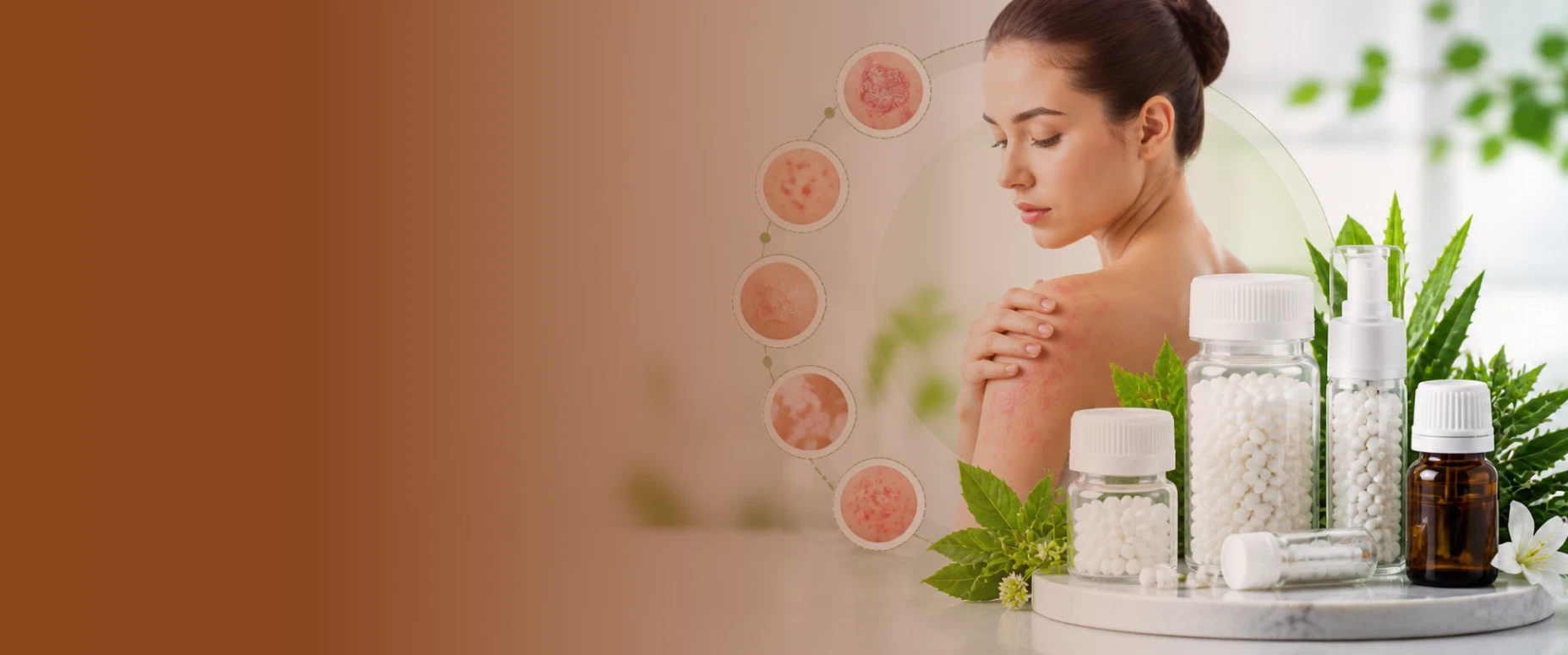
Common skin diseases where homeopathy works
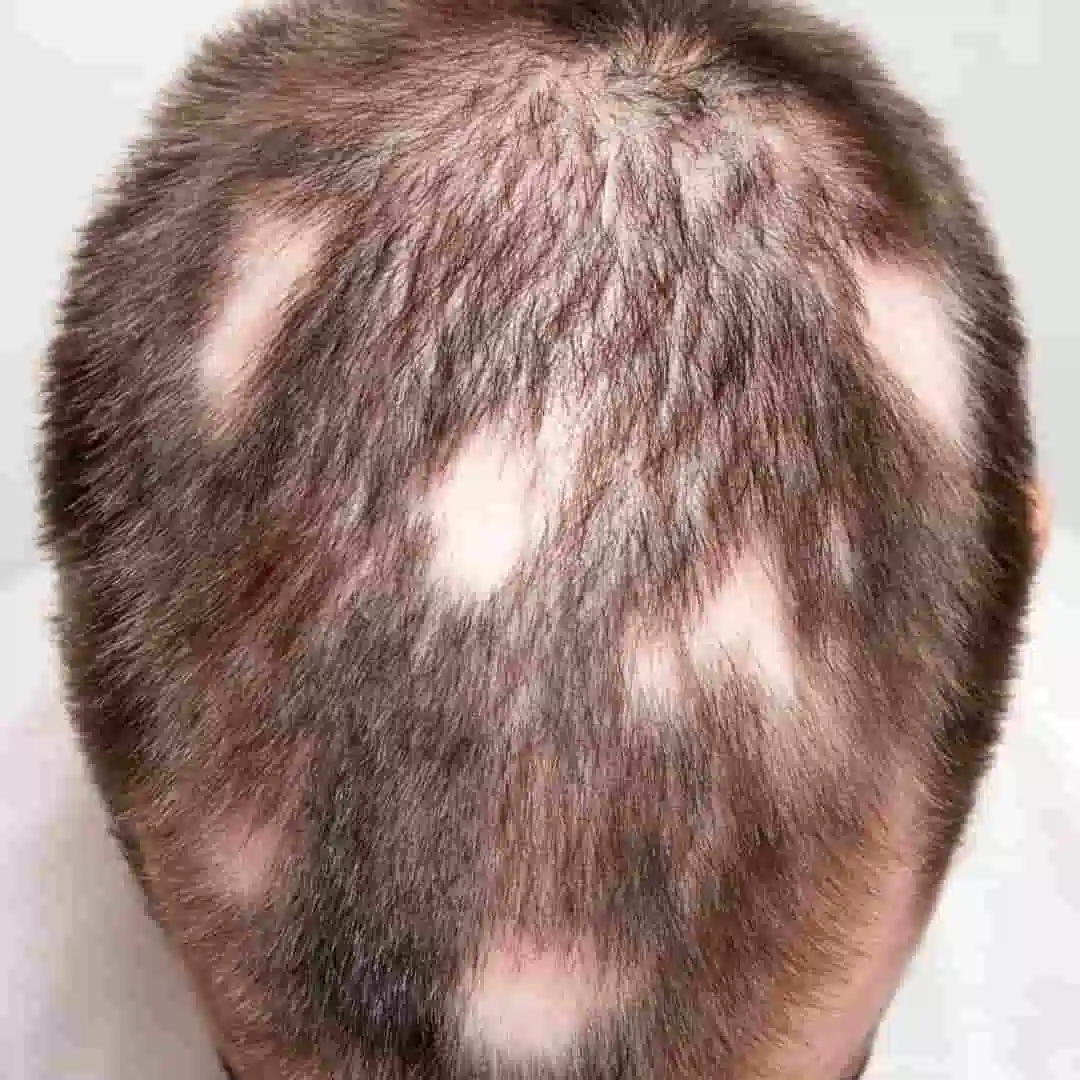
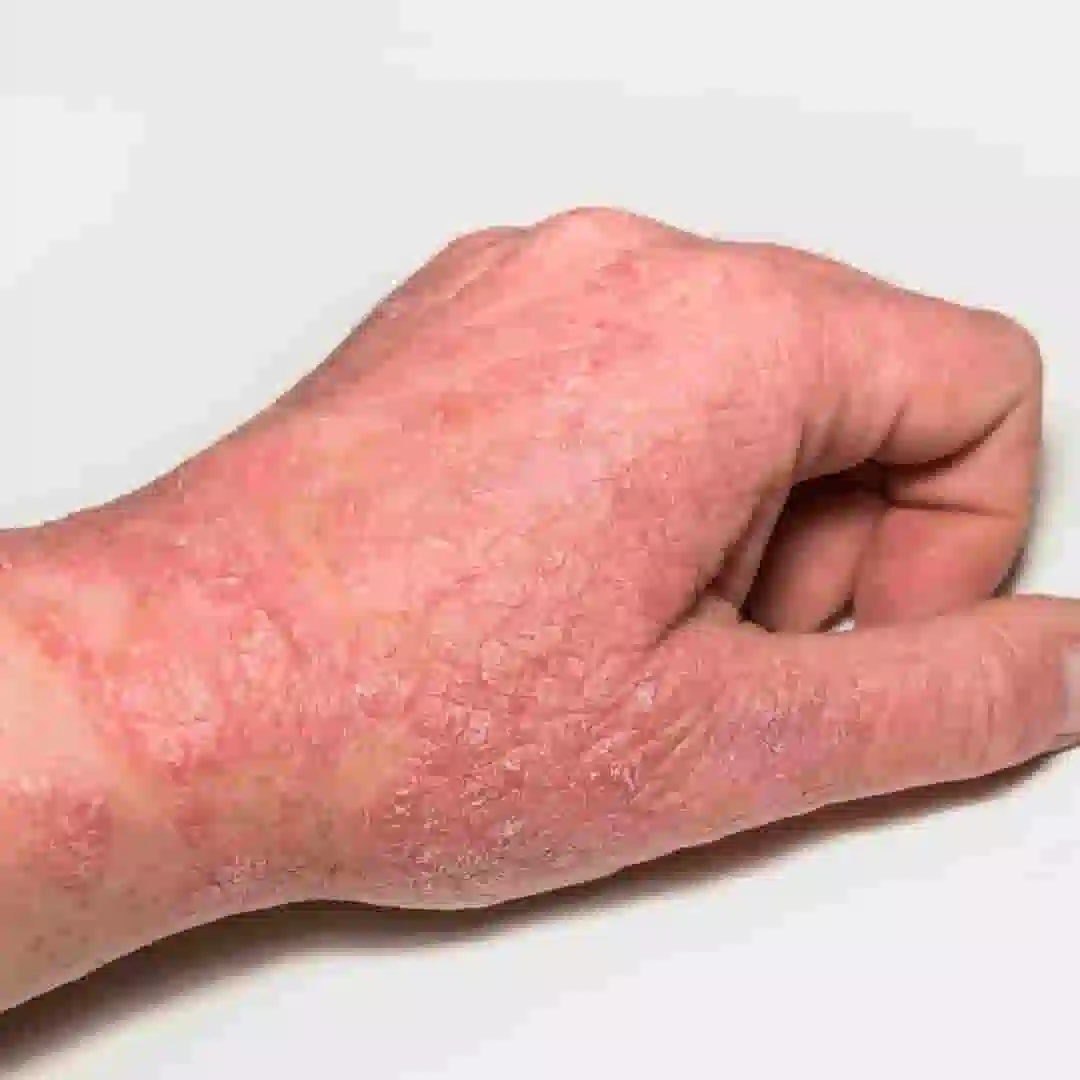
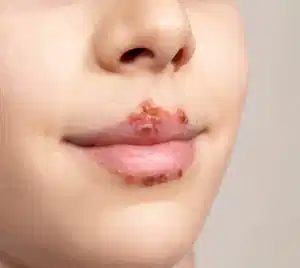
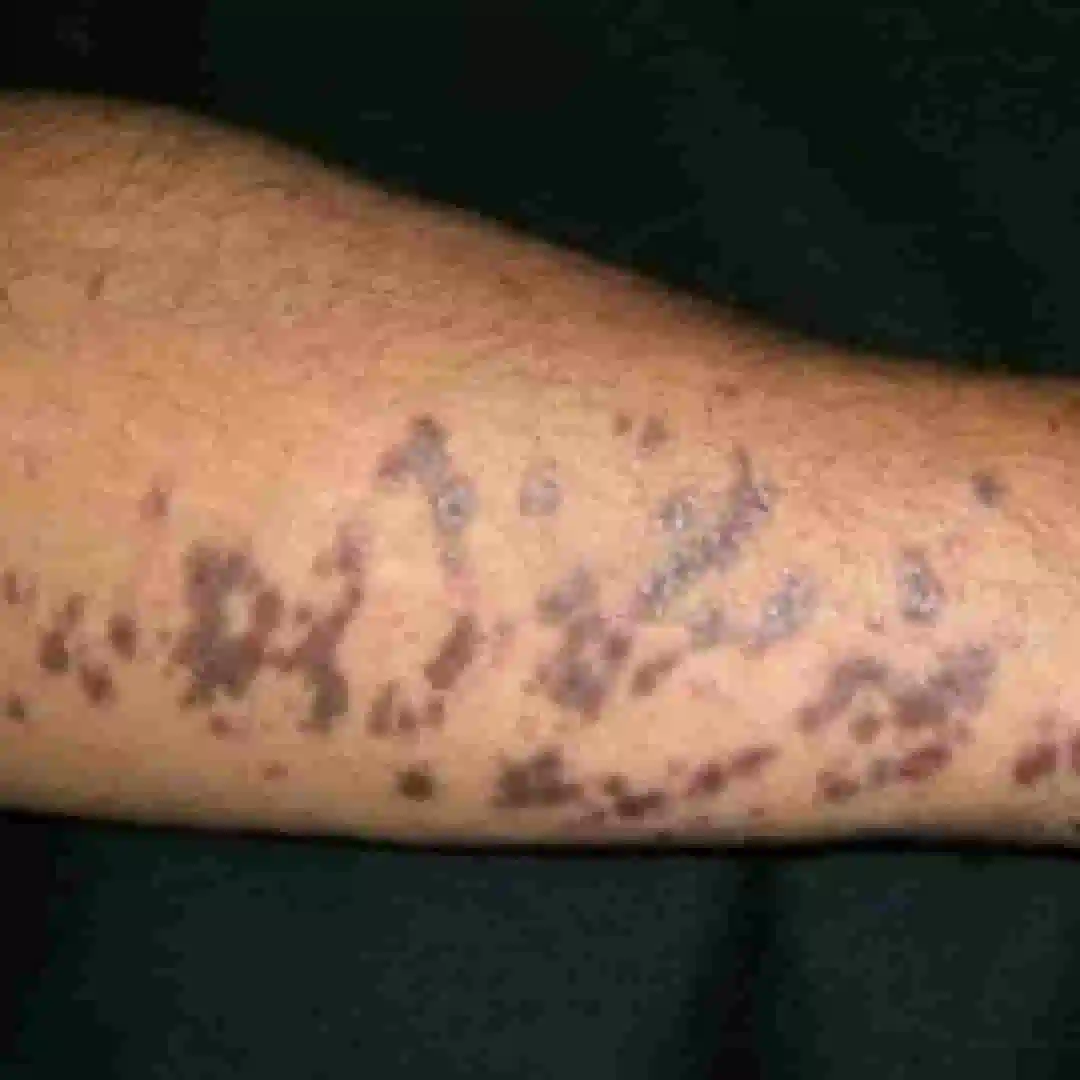
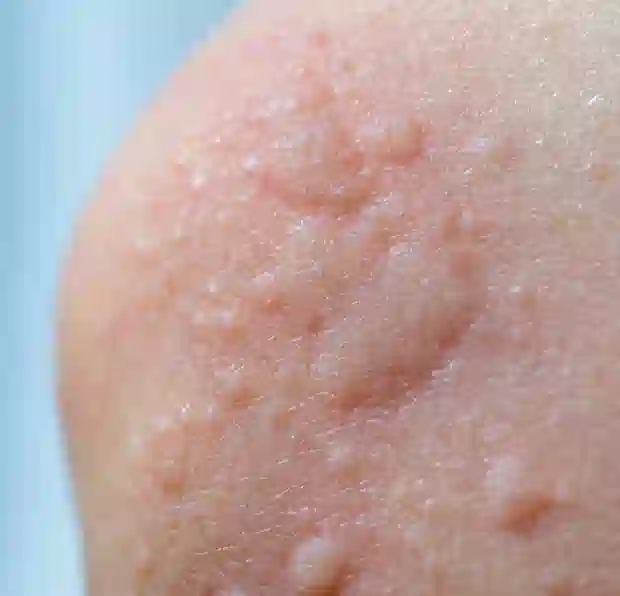

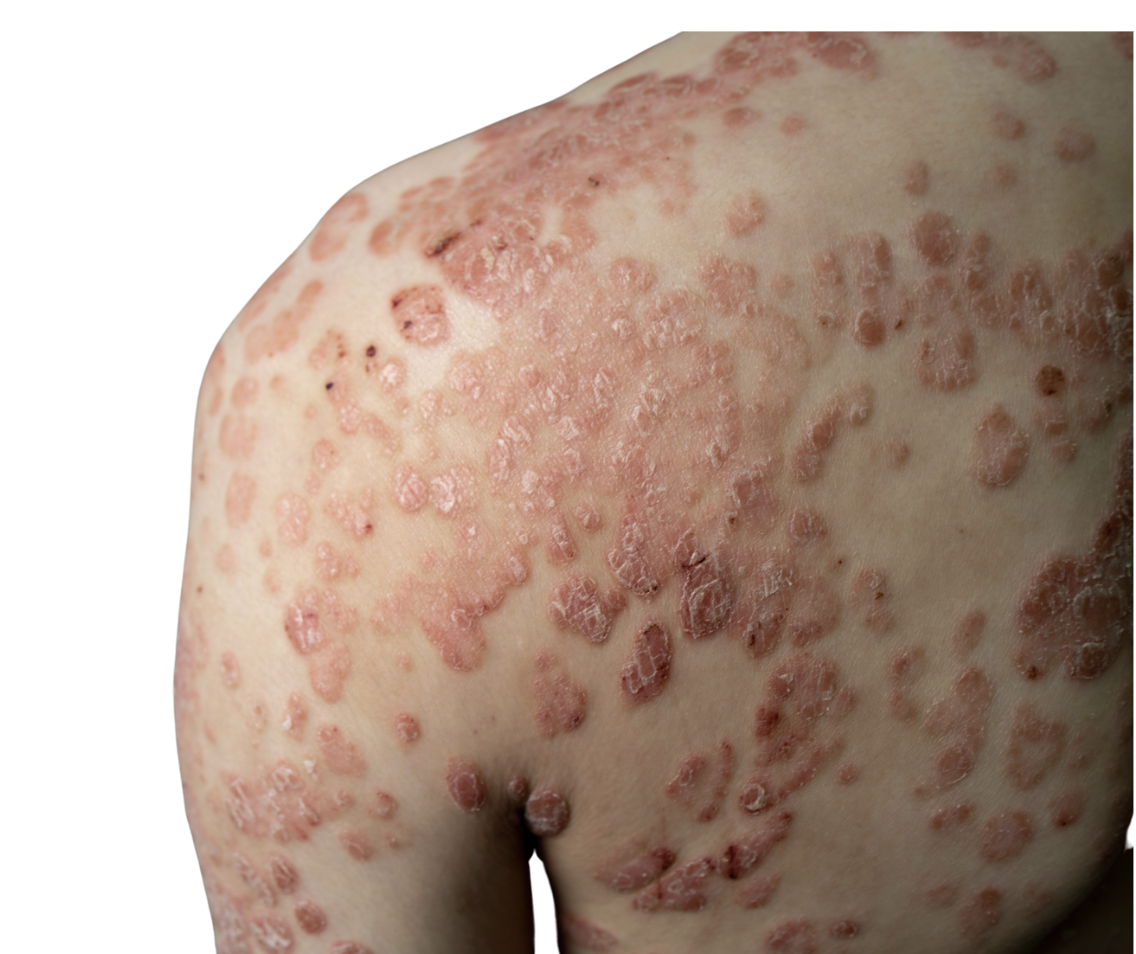
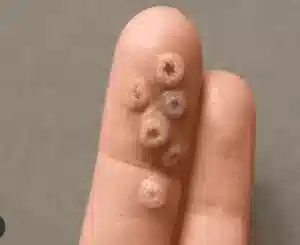
Do you have these skin diseases?
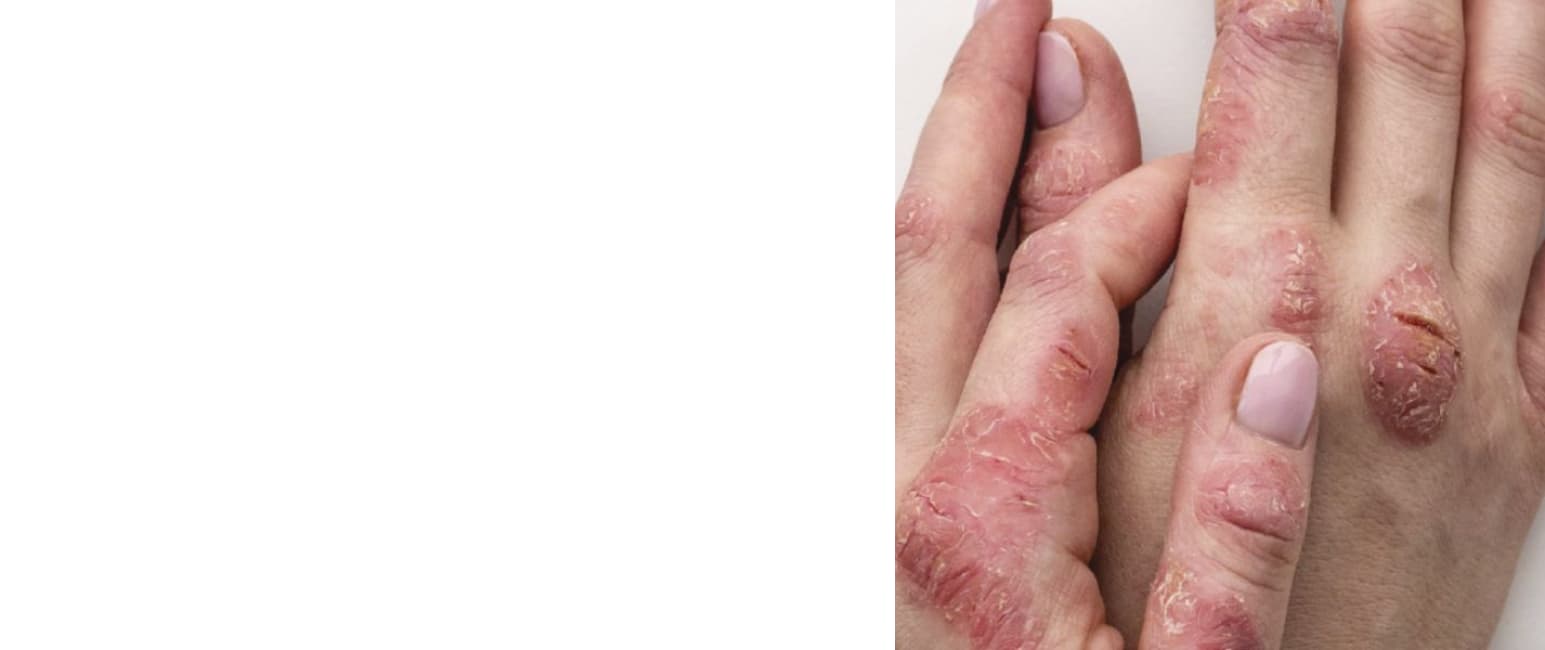

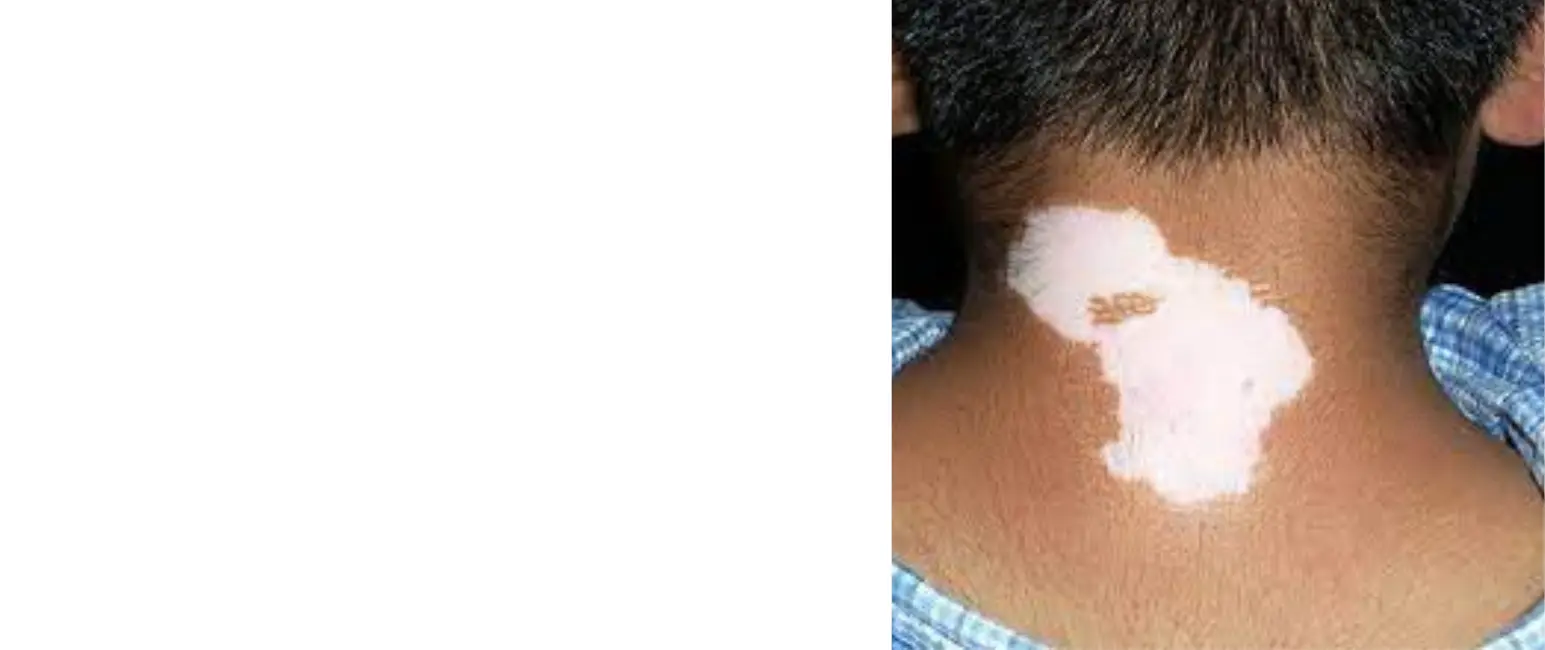

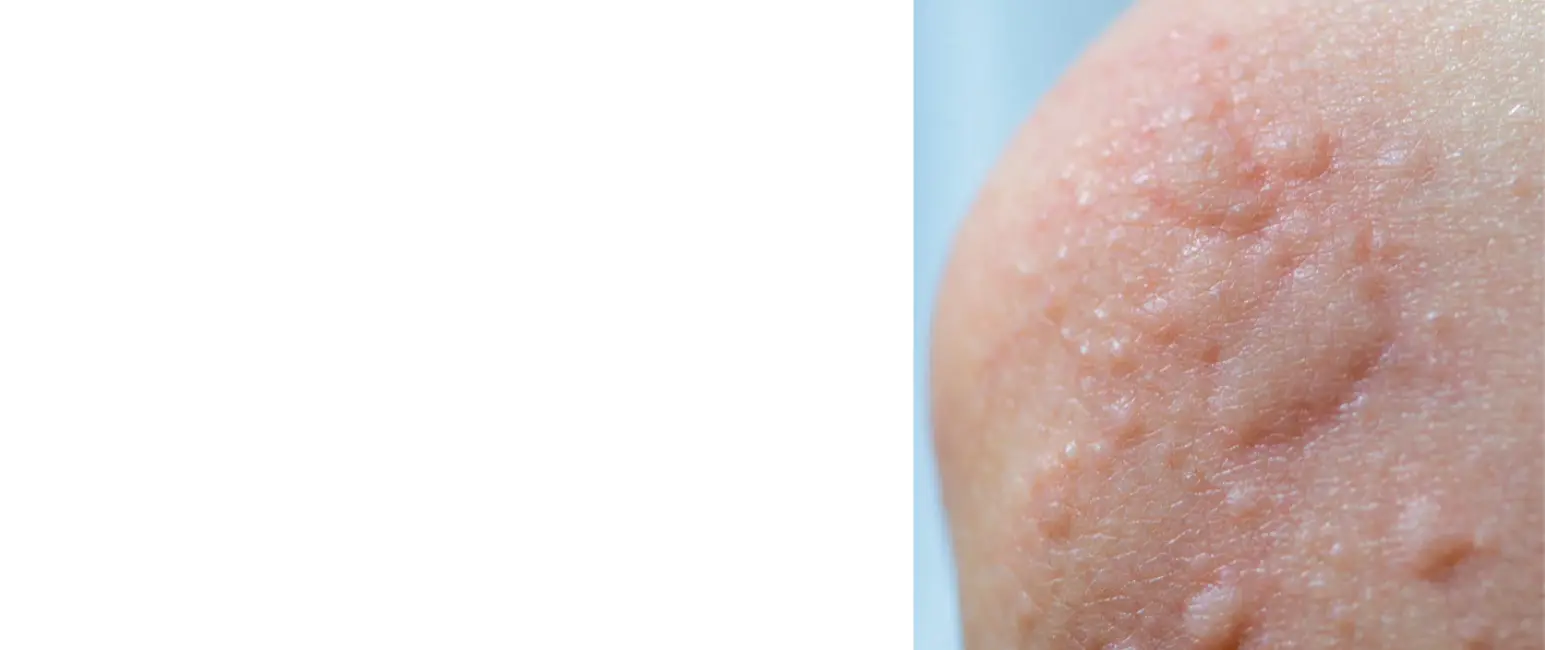
What causes skin diseases?

Genetic Factors
Some skin conditions develop due to inherited tendencies that influence how the skin reacts to triggers like weather, stress, or allergens. Genetic factors may affect the skin’s barrier strength, moisture retention, or immune response. When these natural defenses are compromised, individuals may experience dryness, irritation, or recurring flare-ups. Understanding family history supports better planning of Chronic skin conditions and individualized skin care treatment approaches

Environmental Triggers
Dust, pollution, harsh sunlight, and extreme temperatures can irritate the skin and disrupt its protective barrier. Long-term exposure may lead to dryness, pigmentation, redness, or increased sensitivity. Even indoor environments with low humidity or chemical fumes may cause flare-ups in vulnerable individuals. Identifying and reducing exposure to such triggers is an important part of homeopathy for the management of skin diseases and overall skin health.

Immune System Imbalance
Many skin disorders arise when the immune system becomes overactive or underresponsive, causing inflammation, rashes, or recurrent flare-ups. Stress, infections, allergens, or underlying medical conditions may influence this imbalance. When the immune system reacts excessively, even mild triggers can lead to itching, swelling, or scaling. Addressing this imbalance is essential for improving long-term skin stability and comfort.
Stress, lifestyle and diet
Intense stress, irregular sleep, dehydration, lack of exercise, and diets high in processed foods or sugars can impact skin health. These habits may weaken the skin’s natural repair processes, leading to dullness, breakouts, or increased sensitivity.
Helpful, supportive steps may include:
● Maintaining hydration and balanced nutrition
● Managing stress through relaxation practices
● Choosing gentle skincare suitable for sensitive skin
These lifestyle measures often complement broader treatment plans for chronic skin conditions.
Hormonal Changes
Hormonal fluctuations during puberty, menstruation, pregnancy, or menopause can influence oil production, sensitivity, and overall skin behavior. These shifts may trigger acne, pigmentation, or sudden irritation. Stress-related hormonal changes can also disrupt the skin’s balance, leading to flare-ups in existing conditions. Monitoring these patterns helps guide homeopathic treatment for skin and supports more stable, long-term skin care decisions.
Healing Skin from Within
Homeopathy vs. Conventional Medicine
Aspect
- Approach
- Side Effects
- Long-Term Relief
- Personalization
Homeopathy

- Root cause treatment
- None
- Yes
- Yes, based individal factors
Conventional Medicine

- Symptom suppression
- Possible side effects (steroids,
antibiotics) - Temporary relief
- One-size-fits-all






Send your question and photos for guidance
Get treated from anywhere in the world