





Introduction
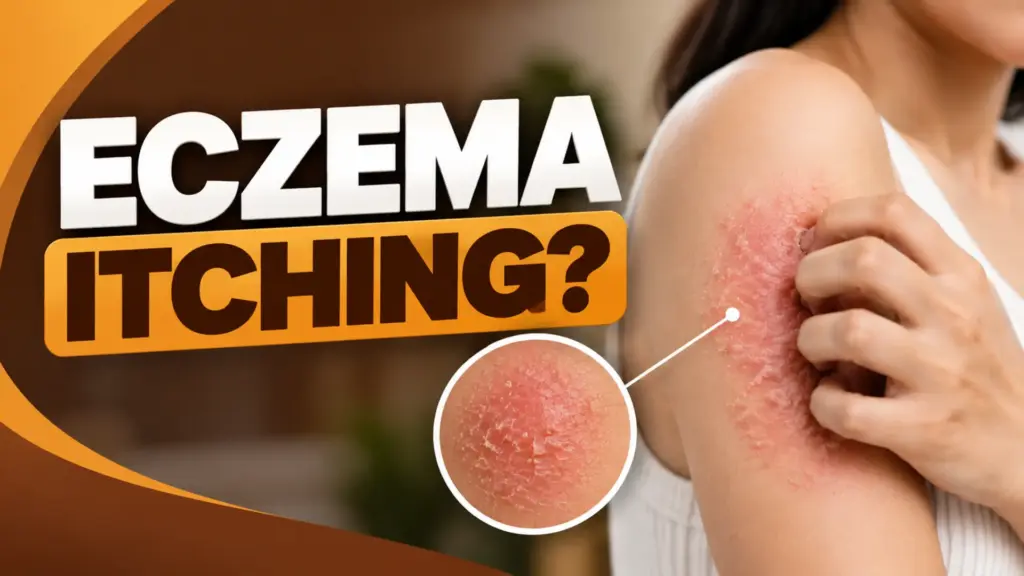
Eczema itching can interrupt sleep, affect concentration, and trigger repeated scratching that further irritates the skin. Although there is no universal “instant fix,” certain safe measures may help calm itching and protect the skin barrier.
Eczema is a common inflammatory skin condition that can cause dryness, redness, itching, scaling, and sometimes skin peeling or oozing. Managing triggers and maintaining the skin barrier are important parts of eczema care.
In this doctor-written guide, we explain how to stop eczema itching, seven practical at-home measures, common triggers, the difference between eczema and dermatitis, medical treatment options, and when professional medical attention is necessary.
What Is Eczema and Why Does It Cause Intense Itching?
Eczema refers to a group of inflammatory skin conditions that cause dry, irritated, itchy, and sensitive skin. Atopic dermatitis is one of the most common forms of eczema.
One important factor is a weakened or impaired skin barrier. Normally, the outer layer of the skin helps retain moisture and protects against irritants and allergens. In eczema, this barrier may not work as effectively. As a result, the skin can lose moisture more easily and become more vulnerable to irritation.
Inflammation also contributes to itching. When inflammatory chemicals stimulate nerve endings in the skin, the person may experience a strong urge to scratch.
Living with a Chronic Condition? Get Expert Guidance.
Talk to Dr. Rajesh Shah — 40+ years of experience in managing chronic skin conditions with a personalized, long-term approach.
This can create an itch–scratch cycle:
Itching → scratching → skin damage → increased inflammation → more itching
Repeated scratching can cause cracks, bleeding, thickening of the skin, and an increased risk of infection.
Eczema may affect different parts of the body depending on age and type. Babies may develop eczema on the face and scalp, while children and adults commonly experience it around the hands, arms, legs, neck, face, or skin folds.
Eczema can also look different across skin tones. Redness may be less obvious in darker skin, where affected areas can appear brown, purple, grey, or darker than the surrounding skin.
Because several skin conditions can resemble eczema, an appropriate diagnosis is important before starting long-term eczema treatment or skin allergy treatment.
How to Stop Eczema Itching Quickly at Home
While home measures cannot cure the underlying cause of eczema, they may help reduce irritation and make itching more manageable.
1. Apply a Cool Compress
A clean, cool, damp cloth can be placed gently over an itchy area for several minutes.
Cool temperatures can temporarily reduce the sensation of itching and may provide soothing relief during a flare-up.
Avoid placing ice directly on the skin because extreme cold can damage already sensitive skin.
2. Moisturise the Skin Immediately
Regular moisturising is one of the most important ways to support the skin barrier.
Apply a suitable fragrance-free moisturiser after bathing and whenever the skin feels dry. Moisturisers help reduce water loss and can make dry, itchy skin more comfortable.
For very dry skin, a thicker cream or ointment may provide more effective barrier protection than a light lotion.
3. Avoid Scratching the Affected Area
Scratching may provide temporary relief but can worsen eczema over time.
Keep fingernails short and clean. If itching becomes intense at night, measures such as wearing soft cotton gloves may help reduce accidental scratching.
Instead of scratching, try gently pressing or tapping the itchy area or using a cool compress.
4. Take a Short, Lukewarm Bath
Use lukewarm rather than hot water.
Hot showers and prolonged bathing can remove natural oils from the skin and increase dryness. Keep baths or showers relatively short and avoid vigorous rubbing.
After bathing, gently pat the skin dry and apply moisturiser while the skin is still slightly damp.
5. Keep the Skin Cool
Heat and sweating can aggravate itching in some people.
Wear loose, breathable clothing and avoid becoming overheated, particularly during exercise or hot weather.
Cotton and other soft fabrics may be more comfortable than rough or irritating materials.
6. Identify and Avoid Possible Triggers
Eczema triggers vary from person to person.
Possible triggers include:
- Fragranced soaps and skincare products
- Certain detergents
- Sweat and overheating
- Dust or environmental irritants
- Rough fabrics
- Frequent exposure to water or chemicals
- Certain metals or other substances in people with contact dermatitis
- Stress in some individuals
Keeping a simple record of flare-ups can sometimes help identify patterns.
However, unnecessary elimination of foods or other substances should be avoided unless there is a clear reason or a healthcare professional recommends it.
7. Use Prescribed Eczema Treatment Correctly
If a doctor has prescribed medication for eczema, use it exactly as directed.
Depending on the type and severity of eczema, treatment may include topical corticosteroids, topical calcineurin inhibitors, other topical medicines, or systemic treatment for more severe disease.
Do not increase, decrease, stop, or share prescription medicines without discussing this with your treating doctor.
What Should You Avoid During an Eczema Flare-Up?
During a flare-up, certain habits can further irritate the skin.
Avoid:
- Hot showers or baths
- Fragranced soaps, creams, and perfumes
- Harsh exfoliation
- Scrubbing or peeling the skin
- Tight or rough clothing
- Unverified home remedies
- Someone else’s prescription medicine
- Stopping prescribed treatment suddenly
What About Skin Peeling Treatment?
Skin peeling can occur with eczema because inflammation and dryness can cause scaling and shedding of the outer skin layer. However, deliberately peeling or scrubbing the skin is not a suitable skin peeling treatment.
Removing flakes forcefully can create small skin injuries, increase inflammation, and potentially increase the risk of infection.
The appropriate approach is generally to address the underlying skin inflammation and restore the skin barrier rather than physically removing the peeling skin.
Doctor”s note: If peeling is extensive, painful, associated with blisters or oozing, or accompanied by significant redness or swelling, seek medical evaluation instead of attempting to remove the affected skin yourself.
Eczema vs Dermatitis: Are They the Same?
The terms eczema and dermatitis are often used interchangeably, but they do not always mean exactly the same thing.
Dermatitis broadly refers to inflammation of the skin. Eczema is a term used for several inflammatory skin conditions, including atopic dermatitis.
For example, contact dermatitis occurs when the skin reacts to an irritant or allergen. Atopic dermatitis is associated with a combination of genetic, immune, and skin-barrier factors.
Eczema vs Dermatitis
| Factor | Atopic eczema | Contact dermatitis |
| Common cause | Skin-barrier dysfunction, immune factors, genetics and environmental triggers | Contact with an irritant or allergen |
| Common pattern | Often chronic or recurrent; commonly affects flexures, face, hands or other characteristic areas depending on age | Often develops at sites exposed to the triggering substance |
| Contagious? | No | No |
| Treatment | Moisturising, trigger management and appropriate medical treatment | Identifying and avoiding the trigger, skin care and appropriate medical treatment |
Because different types of dermatitis can require different approaches, diagnosis is important before selecting treatment.
Can Eczema Spread from One Person to Another?
No. Eczema is not contagious.
You cannot catch eczema through touching, hugging, sharing a room, or ordinary physical contact with someone who has eczema.
What people sometimes describe as eczema “spreading” usually means that the condition is appearing on additional areas of their own skin or becoming more extensive during a flare-up.
Infections can sometimes occur in eczema-damaged skin, but the underlying eczema itself is not transmitted from person to person.
How Can You Prevent Eczema from “Spreading” or Worsening?
Although eczema cannot be prevented from appearing in every case, several measures may help reduce flare-ups and limit worsening:
- Moisturise regularly to support the skin barrier.
- Identify and avoid personal triggers.
- Use gentle, fragrance-free skincare products.
- Avoid excessive heat and sweating when these worsen symptoms.
- Keep fingernails short to reduce damage from scratching.
- Follow your prescribed treatment plan.
- Avoid repeatedly changing treatments without professional guidance.
- Seek medical advice when symptoms are persistent or worsening.
For people considering complementary approaches such as homeopathy, it is important to discuss treatment with a qualified healthcare professional and not delay evidence-based care for significant or worsening eczema.
How Is Eczema Diagnosed?
Eczema is usually diagnosed through a detailed medical history and examination of the skin.
A doctor may ask about:
- When the symptoms started
- The location and pattern of the rash
- Itching and dryness
- Previous episodes
- Possible triggers
- Personal or family history of allergic conditions
- Products or substances that come into contact with the skin
- Previous treatments and their response
In some cases, additional evaluation may be needed to rule out other skin conditions or identify contact allergies.
There is no single blood test that can diagnose every type of eczema.
Ready to Know Your Recovery Chances?
Discover your recovery chances from chronic diseases in percentage with Life Force Homeopathy’s FREE Assessment Test. Get a personalized evaluation from our experienced doctors.
Start Your FREE Assessment Test →What Are the Medical Treatment Options for Eczema?
Treatment depends on the type, severity, location, age, medical history, and previous response.
Common medical approaches may include:
Moisturisers: Regular moisturisation is a fundamental part of eczema care and helps maintain the skin barrier.
Topical Corticosteroids: Topical corticosteroids may be prescribed to reduce inflammation during eczema flares. The strength, frequency, and duration should be determined by a healthcare professional.
Topical Non-Steroidal Medicines: Certain non-steroidal topical medicines may be recommended for appropriate patients, particularly for specific areas or longer-term management.
Treatment for Infection: If eczema becomes infected, a doctor may recommend appropriate treatment depending on the type and severity of infection.
Phototherapy: Controlled ultraviolet light treatment may be considered for selected patients with persistent eczema who have not responded adequately to other treatments.
Systemic or Advanced Treatments: Moderate-to-severe eczema may sometimes require oral or injectable treatments under specialist supervision.
Can Homeopathy Support Eczema Management?
Homeopathy is used by some patients as a complementary or alternative approach for chronic skin complaints.
A homeopathic practitioner may take a detailed history of the individual”s symptoms before selecting homeopathy medicines. However, current scientific evidence does not establish homeopathy as a proven treatment that can cure eczema or reliably replace standard medical treatment.
Patients considering homeopathy for eczema should therefore discuss their treatment plan with a qualified healthcare professional, particularly when eczema is severe, rapidly worsening, infected, or affecting sleep and daily activities.
Homeopathy should not be used as a reason to stop prescribed eczema medicines without medical advice.
What Does a Homeopathic Doctor Consider Before Treatment?
A homeopathic practitioner may ask about:
- The onset and duration of eczema
- Location and appearance of the skin lesions
- Nature and intensity of itching
- Factors that aggravate or relieve symptoms
- Dryness, scaling, cracking, or oozing
- Sleep disturbance caused by itching
- Previous treatments and response
- Possible environmental or contact triggers
- The individual”s overall medical history
This detailed assessment is intended to individualise the treatment approach.
Are Homeopathy Medicines the Same for Every Eczema Patient?
No.
Homeopathic practitioners generally individualise treatment rather than giving the same medicine to every person with eczema.
However, individualised selection does not mean that a particular homeopathic medicine has been scientifically proven to cure eczema. Patients should make treatment decisions based on reliable medical information and discuss complementary therapies with their healthcare provider.
Living with Eczema?
Receive a personalized treatment plan from our experienced homeopathic doctors. Trusted by over 100,000+ patients across 180+ countries for safe, natural and long-term management of chronic diseases.
When Should You Consult a Qualified Doctor for Eczema Treatment?
You should seek medical advice if:
- Eczema is severe or rapidly worsening.
- It is interfering with sleep or daily activities.
- The rash is spreading significantly.
- The skin is painful, swollen, warm, or increasingly tender.
- There is pus, yellow crusting, or discharge.
- You develop fever or feel generally unwell.
- The skin is cracking or bleeding repeatedly.
- Symptoms do not improve with appropriate skin care.
- The diagnosis is uncertain.
- Eczema affects a young infant.
- Treatment is not controlling recurrent flare-ups.
Prompt evaluation is particularly important when there are signs of infection because eczema-damaged skin can be more vulnerable to bacterial or viral infections.
Doctor”s Final Advice
Eczema itching can be difficult to manage, but simple measures such as regular moisturisation, cool compresses, avoiding known triggers, keeping the skin cool, and preventing scratching can help make flare-ups more manageable.
The most important step is to understand what is causing the skin inflammation and choose treatment according to the type and severity of the condition.
If itching is persistent, eczema keeps recurring, the rash is worsening, or there are signs of infection, consult a qualified doctor or dermatologist rather than relying solely on home remedies.
For patients interested in complementary approaches such as homeopathy, an individual consultation can help discuss their symptoms and treatment preferences. However, homeopathy should not replace medically appropriate care, particularly in severe eczema or when complications are present.
Healthy skin management is not just about stopping the itch—it is about protecting the skin barrier, controlling inflammation, identifying triggers, and preventing repeated flare-ups.