


Allergy Treatment: Understanding
Symptoms, Causes and Different
Types of Allergies
An allergy develops when the immune system reacts to a substance that is usually harmless to most people. Depending on the trigger and the part of the body involved, reactions may affect the nose, eyes, skin, lungs, digestive system, or several organs at once.
Effective allergy treatment begins with identifying the likely trigger and determining whether symptoms are mild, recurring, or potentially dangerous. Treatment may involve allergen avoidance, medicines, emergency treatment for severe reactions, and allergen immunotherapy for selected patients.
At Life Force, homeopathic treatment for allergy may be discussed as complementary care after understanding the diagnosis, symptom pattern, triggers, previous reactions, existing medicines, and associated health conditions. Homeopathy should not replace proven allergy treatment or emergency care.

 Dr. Rajesh Shah, MD (Homeopathy)
Founder & Chief Consultant, Life Force Homeopathy
Practising since 1985 — 40+ years of clinical homeopathy
Patients treated in 180+ countries; listed in the Limca Book of Records for it
Developed novel nosodes incl. HIV, Hepatitis C & Mycobacterium TB
40 peer-reviewed publications with ~50 scientists across 11 institutions
Patents on new homeopathic medicines in India, USA, Europe & Australia
View More
Homeopathy for Allergy
Dr. Rajesh Shah, MD (Homeopathy)
Founder & Chief Consultant, Life Force Homeopathy
Practising since 1985 — 40+ years of clinical homeopathy
Patients treated in 180+ countries; listed in the Limca Book of Records for it
Developed novel nosodes incl. HIV, Hepatitis C & Mycobacterium TB
40 peer-reviewed publications with ~50 scientists across 11 institutions
Patents on new homeopathic medicines in India, USA, Europe & Australia
View More
Homeopathy for Allergy
Under the leadership of Dr. Rajesh Shah (MD – Homeopathy), Life Force Homeopathy follows a patient-centric, transparent, and research-guided model of care.
Dr. Shah personally guides case evaluation protocols and treatment strategies, while a dedicated team of qualified homeopathic doctors ensures consistent treatment quality and ethical long-term management.
What is an Allergy?
An allergy occurs when the immune system identifies a normally harmless substance as a threat and produces an immune response against it.
The substance responsible is called an allergen. Common allergens include pollen, dust mites, mould, animal dander, foods, medicines, insect venom, and certain substances that contact the skin.
Different types of allergies can therefore produce very different complaints. Respiratory allergies may cause sneezing and wheezing, while food or drug allergies may produce hives, swelling, digestive symptoms, or severe systemic reactions.
The appropriate allergy treatment depends on the allergen involved, the type of reaction, previous severity, and the patient’s overall medical history.
Dr. Rajesh Shah's Expertise
Dr. Rajesh Shah, M.D. (Hom.), has been treating patients with chronic and recurring health conditions since 1985. His clinical approach focuses on identifying the disease pattern and associated conditions before deciding whether complementary treatment has an appropriate role.
Dr. Shah states that recurring allergy symptoms need to be interpreted according to their timing, trigger, severity, and organs involved. Repeated sneezing after dust exposure is clinically different from hives after food or sudden breathing difficulty after an insect sting.
When the trigger remains uncertain or reactions are significant, consultation with an allergy specialist can help determine whether testing, prescription treatment, immunotherapy, or an emergency action plan is required.
Understand Your Allergy Pattern
Free Allergy Assessment
Answer questions about when symptoms begin, which areas of the body are affected, suspected triggers, frequency of recurrence, medicines already used, and whether similar reactions have occurred before.
The assessment reviews common allergy symptoms such as sneezing, nasal congestion, itching, watery eyes, hives, swelling, cough, wheezing, and digestive reactions.
It also asks about skin allergy symptoms such as persistent itching, redness, raised welts, swelling, dryness, or rashes that repeatedly appear after contact with particular substances.
A questionnaire cannot replace an allergy test or specialist evaluation when a specific allergen needs to be identified.
Developed using Life Force’s clinical assessment approach under the guidance of Dr. Rajesh Shah.
Approximate time: 2 minutes
CTA: Start Free Assessment
This assessment provides general guidance and does not diagnose an allergy.
Know your chances of recovery with just a few simple questions
Ready to know your recovery chances in percentage?
A short, guided assessment built on 40+ years of clinical experience.
Which condition would you like assessed?
Choose your health condition to begin a short, guided assessment.
Understanding Allergy
An allergic reaction begins when the immune system becomes sensitized to an allergen. In many allergic conditions, the immune system produces IgE antibodies. Later exposure can trigger immune cells to release chemicals such as histamine, producing symptoms.
The exact allergy causes vary according to the condition. Genetics, environmental exposure, occupation, existing asthma or eczema, and repeated contact with particular allergens may influence an individual’s risk.
Dr. Rajesh Shah feels that understanding what happens immediately before symptoms begin can provide useful clues. The location, timing, severity, and reproducibility of the reaction help distinguish an allergic disorder from conditions that can look similar.
An allergy specialist, also called an allergist or allergist-immunologist, has specific training in diagnosing and managing allergies, asthma, and immune-related conditions.
Hives or Urticaria
Types of Allergies
There are several clinically important types of allergies.
Respiratory Allergy
Airborne allergens such as pollen, dust mites, mould, and animal dander may produce allergic rhinitis, itchy eyes, coughing, or asthma symptoms.
Food Allergy
Foods can trigger hives, swelling, vomiting, breathing difficulty, or anaphylaxis in susceptible individuals.
Drug Allergy
Some medicines can cause allergic reactions ranging from a rash to severe systemic reactions.
Insect Sting Allergy
Venom from certain insects can cause large local reactions or, in sensitized individuals, anaphylaxis.
Skin Allergy
A skin allergy can present as itching, hives, redness, swelling, eczema-like inflammation, or contact dermatitis depending on the condition and trigger.
Dust Allergy
Dust-related complaints are often caused by dust-mite allergens rather than dust itself. Symptoms may involve the nose, eyes, skin, or lower respiratory tract. Recognizing the different types of allergies is important because testing and management for food allergy, contact dermatitis, asthma, or dust-mite allergy are not interchangeable. For an example of how recurring nasal symptoms and environmental triggers were documented, read this allergic rhinitis case study involving daily sneezing.
Have Questions About Your Allergy?
Share your details and our team can help you understand the next step.
Allergy Causes and Common Triggers
Common allergy causes and triggers include exposure to:
- Pollen
- House dust mites
- Animal dander
- Mould
- Certain foods
- Medicines
- Insect venom
- Latex
- Substances that contact the skin
- Occupational allergens
Having symptoms after exposure does not automatically prove that a substance is the cause. Clinical history and appropriate testing are often needed.
Dr. Shah states that suspected allergy causes should be verified whenever the result would lead to major dietary restrictions, long-term avoidance, changes in medication, or immunotherapy.
Unnecessary avoidance can make daily life difficult without providing benefit, particularly when a suspected food or environmental trigger has not been confirmed.
Allergy Symptoms
Allergy symptoms depend on the organ involved and the severity of the immune reaction.
They may include:
- Sneezing
- Runny or blocked nose
- Itchy nose or throat
- Red or watery eyes
- Skin itching
- Hives
- Swelling
- Cough
- Wheezing
- Breathlessness
- Abdominal discomfort
- Vomiting or diarrhoea after an allergic exposure
Symptoms may remain localized or involve several body systems simultaneously.
Sudden widespread symptoms, particularly breathing difficulty, throat swelling, dizziness, collapse, or significant cardiovascular symptoms, may indicate anaphylaxis and require emergency treatment.
Allergy Test and Diagnosis
An allergy test is most useful when it is selected according to the patient’s symptoms and suspected exposure rather than performed as indiscriminate screening.
Common testing methods include:
Skin Prick Testing
A small amount of a suspected allergen is introduced into the surface of the skin. A localized raised reaction may indicate sensitization.
Specific IgE Blood Testing
Blood tests can measure IgE antibodies against selected allergens and may be useful when skin testing is unsuitable.
Challenge Testing
For selected food or medication allergies, carefully supervised challenge testing may sometimes be necessary to clarify whether a true allergy exists.
An allergy test result needs to be interpreted together with medical history. A positive result can indicate sensitization without proving that the allergen is responsible for the patient’s actual symptoms.
Dr. Shah states that patients should be cautious about unvalidated home allergy panels or tests that lead to large food-exclusion lists without proper clinical interpretation.
When Should You See an Allergy Specialist?
An allergy specialist may be particularly useful when:
- The trigger is unclear
- Symptoms keep returning
- Several possible allergens are suspected
- Asthma occurs with allergy
- A food or drug reaction is suspected
- Reactions are severe
- Anaphylaxis has occurred
- Immunotherapy is being considered
- Testing results are difficult to interpret
A specialist can combine history, examination, and appropriate testing to identify relevant allergens and develop an avoidance and treatment plan.
People who have experienced anaphylaxis should have follow-up with an allergy specialist to identify the trigger and develop an emergency plan.
Skin Allergy
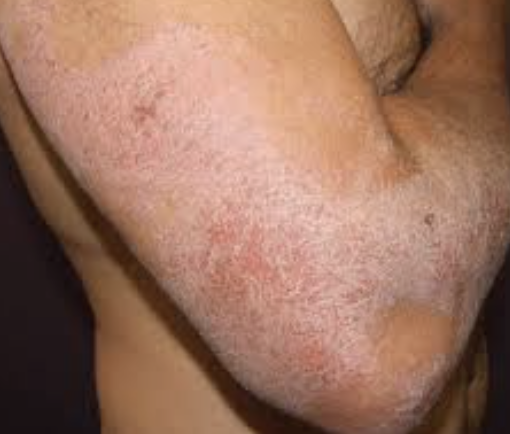
The term skin allergy includes several conditions that can produce itching, redness, swelling, hives, or inflammatory rashes.
Skin Allergy Types
Common skin allergy types and allergy-related skin conditions include:
Contact Dermatitis
A rash that develops after skin contact with a substance to which the person is allergic.
Hives or Urticaria
Hives or urticaria cause raised, itchy welts that can appear suddenly and change location.
Allergic Angioedema
Deeper swelling that may affect the eyelids, lips, face, or other areas.
Atopic Dermatitis
Atopic dermatitis (eczema) is associated with skin-barrier dysfunction and an increased tendency toward allergic disease, although not every case is caused by a specific allergen.
Different skin allergy types require different evaluation. A contact allergen is investigated differently from recurrent spontaneous hives or eczema.
Ready to Take the Next Step?
Share your details and the Life Force team can help you explore your allergy concerns.
Skin Allergy Symptoms
Common skin allergy symptoms may include:
- Itching
- Redness or colour change
- Raised welts
- Localized swelling
- Dry or inflamed skin
- Small bumps
- Scaling
- Blistering in some forms of contact dermatitis
- Swelling around the eyes or lips
AAAAI notes that itching, redness, and swelling occur across several allergic skin disorders, but the pattern can help distinguish individual conditions.
Persistent skin allergy symptoms should be medically evaluated when the cause is uncertain, the rash is extensive, infection develops, swelling repeatedly affects the face, or symptoms interfere with sleep and daily functioning.
Treatment of Skin Allergy
Treatment depends on the diagnosis rather than simply describing the rash as a skin allergy.
Depending on the condition, conventional treatment may involve:
- Avoiding confirmed contact allergens
- Regular moisturizers for eczema
- Topical anti-inflammatory medicines
- Antihistamines for selected forms of hives
- Treatment of associated infection
- Specialist evaluation for recurrent angioedema
A person considering homeopathic treatment of skin allergy should first obtain an accurate diagnosis, because eczema, urticaria, fungal infections, drug eruptions, contact dermatitis, and autoimmune skin disorders can look similar.
There is currently little evidence supporting homeopathy as an effective treatment for specific medical conditions. Homeopathic treatment of skin allergy should therefore not replace treatment required for severe eczema, extensive hives, infected skin, significant angioedema, or other diagnosed disorders.
Dust Allergy
Dust-mite particles are common indoor allergens and can contribute to nasal allergy symptoms, asthma, and sometimes worsening of atopic dermatitis in sensitized individuals.
Effective dust allergy treatment starts by establishing whether dust mites are genuinely contributing to symptoms.
Useful exposure-reduction measures may include:
- Allergen-resistant mattress and pillow covers
- Regular washing of bedding
- Keeping indoor humidity controlled
- Reducing dust accumulation
- Appropriate vacuuming
- Limiting heavy carpeting where practical
AAAAI recommends a combination of environmental measures rather than relying on one intervention alone.
For persistent symptoms, dust allergy treatment may also involve antihistamines, prescribed nasal sprays, asthma medicines, or allergen immunotherapy in appropriately selected patients.
Dr. Rajesh Shah feels that environmental control should remain part of management even when patients choose complementary care.
Anaphylaxis: A Medical Emergency
Anaphylaxis is a rapid, severe allergic reaction that can be life-threatening.
Anaphylaxis Symptoms
Important anaphylaxis symptoms can include:
- Sudden throat or tongue swelling
- Difficulty breathing
- Wheezing
- Difficulty swallowing
- Widespread hives or swelling
- Dizziness
- Fainting
- A sudden fall in blood pressure
- Vomiting or abdominal cramps with other systemic symptoms
- Collapse or loss of consciousness
Not every patient develops a skin rash.
If anaphylaxis symptoms occur, use prescribed epinephrine or adrenaline immediately and seek emergency medical assistance. Antihistamines do not replace epinephrine as first-line treatment for anaphylaxis.
A person who has experienced a severe reaction should not rely on allergy homeopathy to prevent or manage another emergency.
Dr. Shah states that emergency allergy treatment and specialist follow-up must take priority in anyone at risk of anaphylaxis.
Conventional Allergy Treatment
The appropriate allergy treatment depends on the type and severity of the condition.
Management may include:
Allergen Avoidance
Reduce exposure to confirmed triggers where realistically possible.
Antihistamines
These can help manage itching, sneezing, hives, and other histamine-related symptoms in appropriate conditions.
Nasal or Topical Corticosteroids
These may be used for nasal inflammation or selected inflammatory skin conditions.
Asthma Treatment
Patients with allergic asthma may require inhaled medicines and a separate asthma management plan.
Our guide to asthma symptoms and triggers explains common exposures and symptoms that warrant medical assessment.
Epinephrine
Epinephrine is the essential emergency treatment for anaphylaxis.
Allergen Immunotherapy
Allergy shots or tablets may be considered for selected respiratory or venom allergies. Immunotherapy gradually exposes the immune system to controlled quantities of an allergen under medical supervision.
Treatment should be matched to the confirmed diagnosis rather than using the same medication for every allergic complaint.
Learn More About Allergies

Homeopathy
Can Homeopathy Have a Role in the Future of Personalized Healthcare?
Why Personalized Healthcare Is Growing, and Where Homeopathy Fits Into the Conversation Two people may have the same diagnosis and…

Homeopathy
Confused Between Homeopathy and Conventional Treatment? Here’s What Patients Should Know
When Choosing a Treatment Starts Feeling Like Choosing a Side When people feel unwell, the confusion often goes beyond the…

Homeopathy
Life Force Homeopathy: Four Decades of Experience in Managing Chronic Diseases
Introduction Living with a chronic condition can mean recurring symptoms, repeated treatment, and uncertainty about future flare-ups. Life Force Homeopathy…

Homeopathy
How Life Force Homeopathy Is Shaping the Future of Modern Homeopathy in Global Healthcare
Evolution of Homeopathy in Modern Medicine Homeopathy was founded over 200 years ago by its founder, Dr. Samuel Hahnemann, and…
How Can Homeopathy Be Used?
People frequently search for a homeopathic medicine for allergy because symptoms return after repeated exposure to the same triggers.
At Life Force, allergy homeopathy can only be discussed as complementary care. It should not replace allergen avoidance, antihistamines, inhalers, topical treatment, immunotherapy, epinephrine, or specialist-directed care where these are medically indicated.
There is no scientifically established allergy homeopathy medicine that can reliably treat every form of allergy. Current evidence does not support homeopathy as an effective treatment for specific medical conditions.
Dr. Shah states that the diagnosis and risk of the allergic condition should be understood before any complementary treatment is considered.
Homeopathic Treatment for Allergy
At Life Force, homeopathic treatment for allergy is considered only after reviewing the nature of the allergic condition, suspected triggers, previous reactions, current medicines, test reports, and other associated diseases.
Patients with repeated mild respiratory or skin complaints may choose complementary care, but a homeopathic medicine for allergy should never be expected to prevent anaphylaxis or replace medically necessary allergy treatment.
There is no universal allergy homeopathy medicine suitable for all allergic conditions because food allergy, urticaria, allergic rhinitis, asthma, contact dermatitis, and drug allergy have different mechanisms and risks.
Dr. Rajesh Shah states that allergy homeopathy should be discussed within a complete treatment plan, with realistic expectations and continuation of appropriate conventional treatment.
Homeopathic Treatment of Skin Allergy
Patients considering homeopathic treatment of skin allergy are first assessed according to the actual skin diagnosis.
The evaluation may include:
- Appearance and location of the rash
- Duration of symptoms
- Itching
- Swelling
- Identifiable contact triggers
- Food or medication exposure
- Previous episodes
- Existing skin conditions
- Current topical or oral medicines
No single homeopathic medicine for allergy can be recommended solely because itching or a rash is present.
The different skin allergy types must also be separated from non-allergic problems such as fungal infections, psoriasis, scabies, or medication-related eruptions before treatment is planned.
Watch Dr. Rajesh Shah Explain Allergies
Watch expert videos on allergy symptoms, triggers, treatment options and the role of homeopathy.




Allergy Cases Treated at Life Force
Allergy
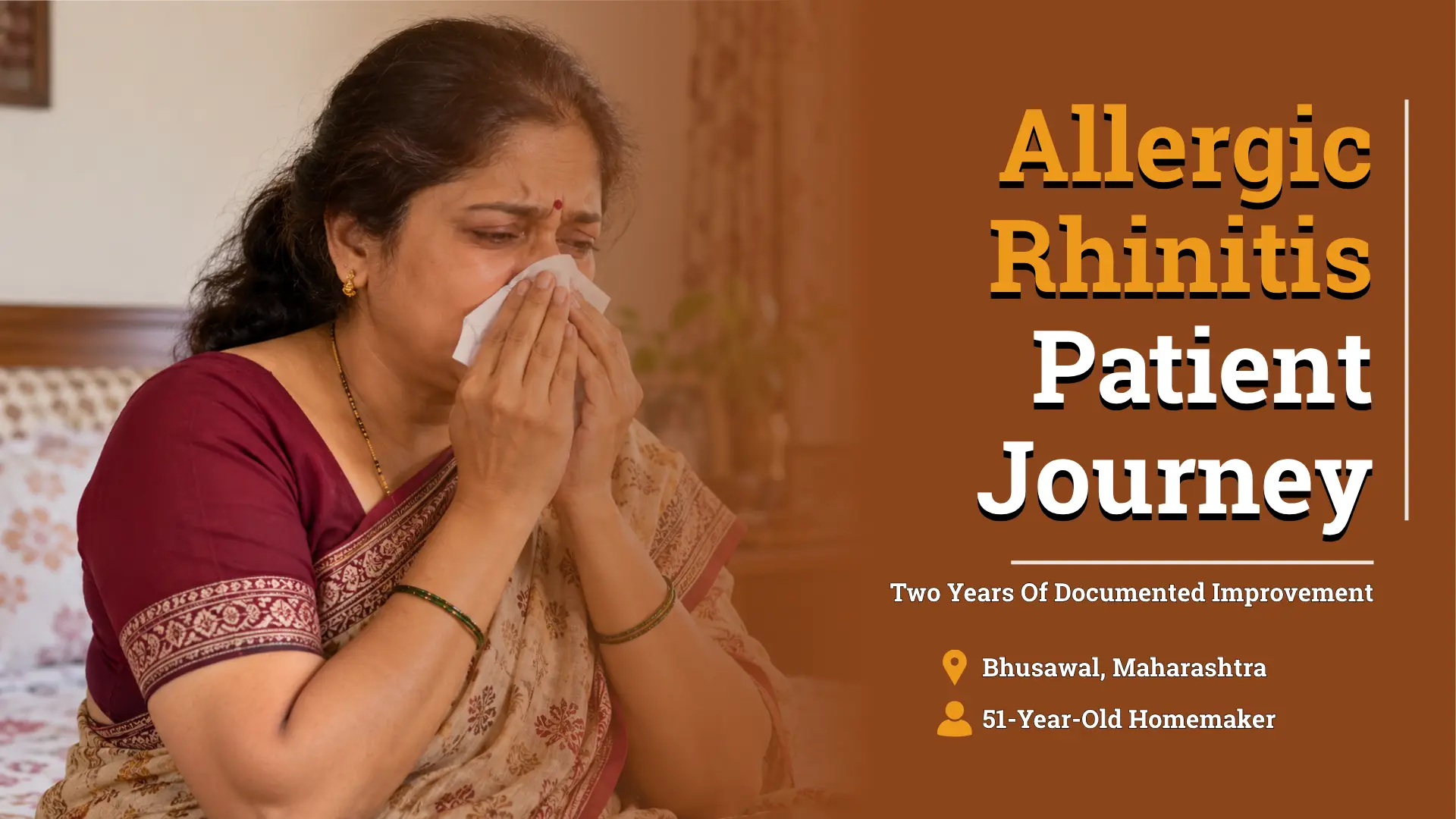
Chronic Allergic Rhinitis Treatment: A 2-Year Case Study of a 51-Year-Old Woman With 90–95% Clinical Improvement
Hero Introduction For Mrs. S.N.P., a 51-year-old homemaker from Bhusawal, Maharashtra, mornings had become increasingly difficult. She had been experiencing…
Allergy
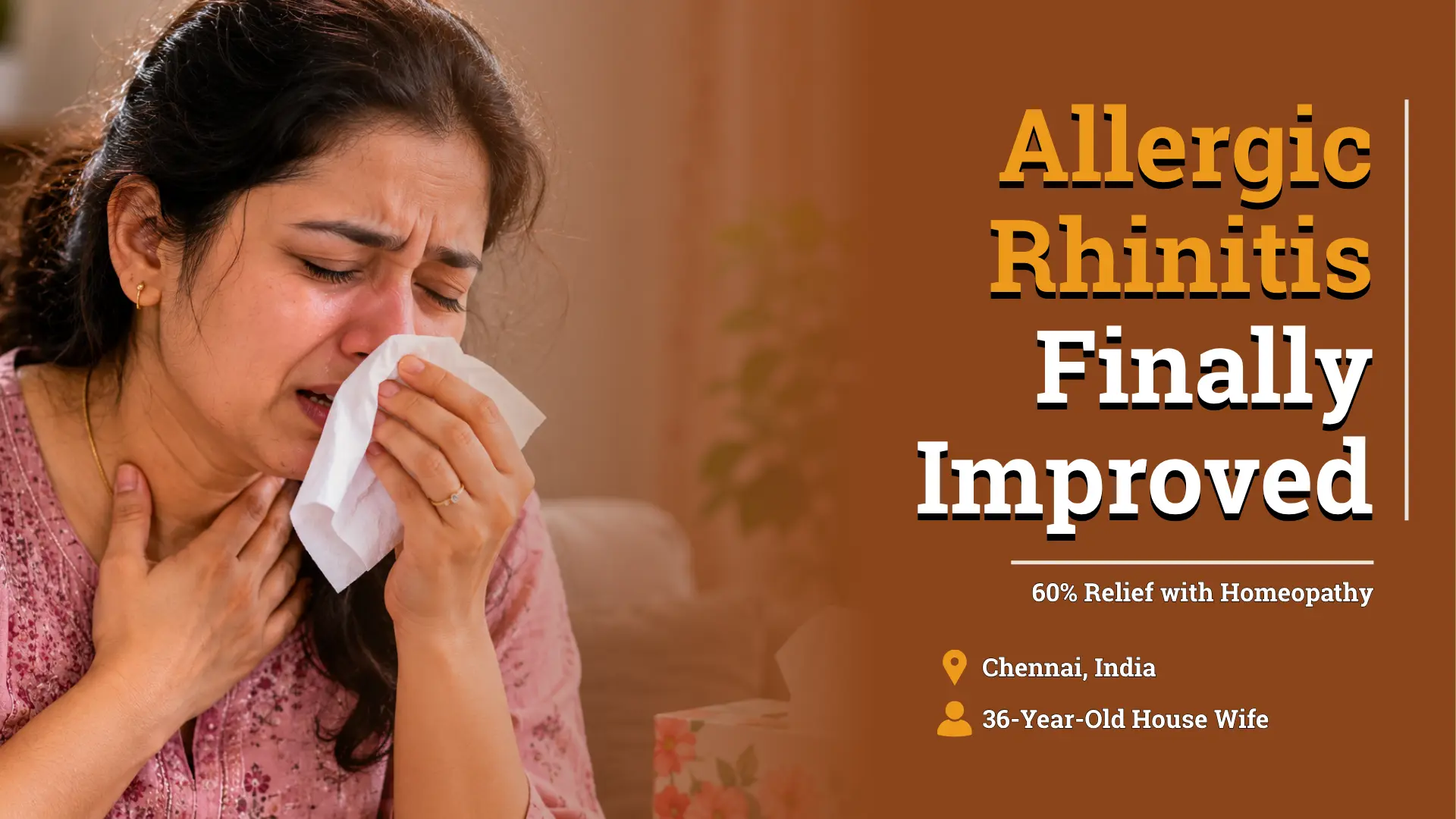
Long-Standing Nasal Allergy with Daily Sneezing Improved with Homeopathy
Introduction Persistent sneezing, running nose, and watery eyes can be deeply disturbing, especially when these symptoms keep returning daily for…

Allergy
From Sneezes to Smiles: Seasonal Allergy resolved
A 37-year-old male from Sector-9, CBD Belapur stepped into the Vashi branch of Life Force Homeopathy (Patient ID: 49906), on…
Allergy
Gentle Healing for Respiratory Allergies in Kids
Allergic Bronchitis means inflammation of the bronchus which is caused due to infection by allergy. There are various symptoms of…
Allergy
Island Boy Overcomes Chronic Allergic Colds with Homeopathic Care
On February 7, 2024, a 9-year-old boy from Port Blair, Andaman & Nicobar Islands (Patient ID: 51499) came to our…
Allergy
Bangalore IAS Officer’s Journey to an Allergy-Free Life with Homeopathy
Allergic Rhinitis (Hay Fever) is inflammation of the nose which occurs due to hypersensitivity reaction of our immune system to…
Allergy
Busting Myth That Homeopathy Is Slow-Acting By Relieving 40 Years Of Chronic Allergic Bronchitis In A 62-Year-Old Lady
A 62-year-old lady retired school teacher, Mrs. S.D.R. (PIN: 42443) approached Life Force clinic on 25th January 2020 for the treatment…
Allergy
A 75-Year-Old With Allergic Bronchitis Triggered After COVID-19 Infection Healed In 8 Months With Homeopathy
Bronchitis simply means an inflammation of the bronchus, the windpipe. Allergic bronchitis means inflammation of the bronchus due to infection resulting due to an allergy.…
Could Your Allergy Pattern Be Similar?
Share your details to discuss your recurring allergy symptoms and explore the next step with our team.
Our Expertise
Life Force Homeopathy was established in 1985 by Dr. Rajesh Shah, M.D. (Hom.), and Dr. Rupal Shah.
Life Force has:
40+ years of clinical experience: Since 1985
30+ doctors: Supporting consultation and follow-up
180+ countries: Patients have consulted Life Force internationally
100,000+ patients: Served across different chronic and recurring health conditions
For people seeking complementary allergy treatment, Life Force doctors assess symptom pattern, suspected triggers, previous reactions, test results, current treatment, and associated respiratory or skin disorders.
Dr. Rajesh Shah states that any history of severe reactions or concerning anaphylaxis symptoms changes the treatment priority. Emergency preparedness and specialist medical care come before complementary treatment.
Patients considering allergy homeopathy should continue prescribed medicines and specialist follow-up where required.
FAQs on Allergy
Answers by Expert Doctors
Common allergy symptoms include sneezing, nasal congestion, watery eyes, itching, hives, swelling, cough, wheezing, and sometimes digestive symptoms.
Sudden breathing difficulty, throat swelling, fainting, or collapse may indicate a severe reaction and requires emergency care.
Common types of allergies include respiratory allergy, food allergy, drug allergy, insect-venom allergy, contact allergy, and other allergic skin disorders. The treatment depends on which type is present and how severe previous reactions have been.
Common allergy causes involve immune reactions to substances such as pollen, dust mites, foods, animal dander, mould, medicines, insect venom, or latex. Genetic susceptibility and environmental exposure can influence who develops allergic disease.
The right allergy test depends on the suspected condition. Skin-prick testing and specific IgE blood tests are commonly used for IgE-mediated allergies. Food or medication challenge testing should only be undertaken under appropriate medical supervision.
You should consider an allergy specialist when symptoms are recurrent or severe, the trigger is uncertain, food or medication allergy is suspected, asthma accompanies the allergy, or you have experienced anaphylaxis. Specialist assessment is also important before starting allergen immunotherapy.
Typical skin allergy symptoms include itching, hives, redness or colour change, swelling, inflamed skin, dryness, and certain forms of rash. Because many non-allergic skin disorders cause similar symptoms, persistent or recurrent rashes should be properly diagnosed.
Effective dust allergy treatment may combine reduction of dust-mite exposure, appropriate allergy medicines, and allergen immunotherapy for selected patients. Treatment should ideally be based on a history and testing that support dust-mite sensitization rather than assuming all indoor symptoms are caused by dust.
People considering homeopathic treatment for allergy should understand that current evidence does not establish homeopathy as an effective replacement for standard allergy care. An allergy homeopathy medicine should never replace epinephrine for anaphylaxis, asthma medicines, or other medically necessary treatment.
Some patients choose homeopathic treatment of skin allergy as complementary care. Before treatment, the exact diagnosis should be established because eczema, contact dermatitis, hives, fungal infection, and drug reactions require different management.
Serious anaphylaxis symptoms can include throat or tongue swelling, breathing difficulty, wheezing, fainting, low blood pressure, widespread swelling, or collapse. Anaphylaxis requires immediate epinephrine or adrenaline and emergency medical assistance. Do not wait for allergy homeopathy or antihistamines to control a severe reaction.
Related Disease


Have Questions About Recurring Allergies?
If you experience recurring nasal, respiratory, or skin complaints, you can submit details about your symptoms, suspected triggers, previous reactions, test results, and current medicines for clinical review. Dr. Rajesh Shah and the Life Force medical team can assess whether complementary care may have a role and whether conventional treatment or referral to an allergy specialist should remain the priority. Anyone with a history of anaphylaxis should maintain their emergency treatment plan regardless of whether they are exploring complementary care.
Contact Us