


What is Acne?
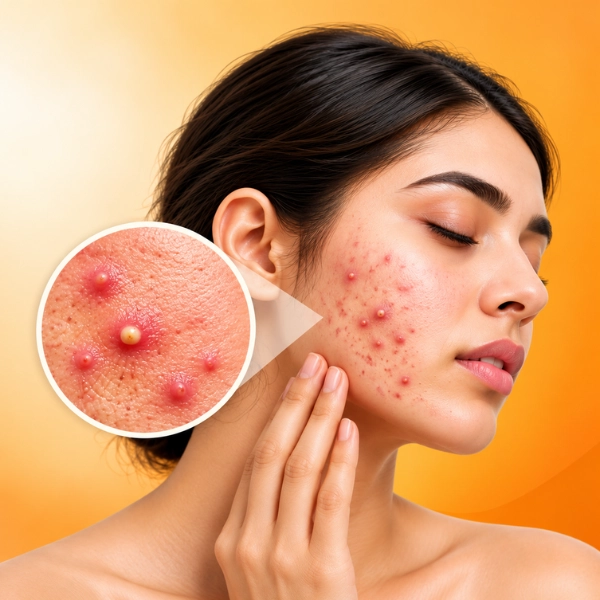
Acne is a skin condition that develops when hair follicles become blocked by oil and dead skin cells. It can produce blackheads, whiteheads, inflammatory bumps, pustules, nodules, and cyst-like lesions. Acne commonly occurs on the face, forehead, chest, shoulders, and upper back because these areas contain many sebaceous glands.
A pimple usually refers to an inflamed acne lesion, but acne includes several types of lesions that may need different forms of management.
People frequently search for a pimples on face reason, but there is usually no single cause. Excess sebum, blockage of follicles by dead skin cells, bacteria, and inflammation all contribute to acne development. Hormonal fluctuations, medications, cosmetics, friction, and genetic tendency can also influence breakouts.
Know Your Acne Pattern
Free Acne Assessment
Answer a few questions about when the breakouts started, where they appear, what type of lesions occur, how frequently new eruptions develop, whether they are painful, and whether they leave dark marks or scars.
The assessment also reviews pimples on forehead, jawline or chin breakouts, acne on the back or chest, menstrual or hormonal patterns, medicines, cosmetics, dandruff, and previous treatments.
People looking for pimples treatment may have very different conditions despite using the same word “pimples.” Identifying whether the lesions are comedonal, inflammatory, nodular, cystic, hormonal, or acne-like rosacea is an important first step.
Developed around Life Force’s clinical assessment process under the guidance of Dr. Rajesh Shah.
Know your chances of recovery with just a few simple questions
Ready to know your recovery chances in percentage?
A short, guided assessment built on 40+ years of clinical experience.
Which condition would you like assessed?
Choose your health condition to begin a short, guided assessment.
Understanding Acne
Healthy skin naturally produces sebum, an oily substance that protects the skin. Acne develops when follicles become blocked by excess oil and dead skin cells. Bacterial activity and inflammation can then contribute to red, swollen, or pus-filled lesions.
Understanding acne and treatments requires identifying the dominant type of lesion. Blackheads and whiteheads involve clogged pores, while papules and pustules involve more inflammation. Nodules and cystic lesions form deeper in the skin and carry a greater risk of permanent scarring.
Dr. Shah’s clinical approach is to look beyond the visible eruption and assess recurrence, distribution, hormonal influences, associated conditions, skin products, medications, and previous treatment before deciding whether supportive homeopathic care has a role.
People asking about homeopathy for pimples should also understand that moderate to severe acne may require dermatological treatment to reduce the risk of scars and persistent pigmentation.
Types of Acne
Different types of pimples on the face can occur at the same time.
Common acne lesions include:
Whiteheads: Closed follicles containing oil and dead skin cells.
Blackheads: Open clogged follicles whose contents darken when exposed to air. The dark colour is not caused by dirt.
Papules: Small, inflamed red or skin-coloured bumps without visible pus.
Pustules: Inflamed lesions containing pus.
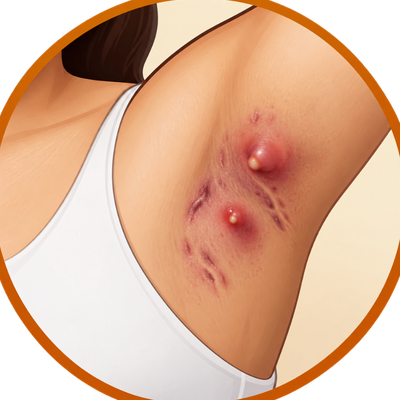
Nodules: Large, firm, painful lesions that develop deeper in the skin.
Cystic Lesions: Deep inflammatory lesions that can be painful and may leave scars.
The types of pimples on the face matter because a treatment appropriate for mild comedonal acne may not be sufficient for deep nodular or cystic acne.
How Can Homeopathy Help?
At Life Force, homeopathy for pimples may be considered as a supportive component of care after the acne pattern has been assessed.
The consultation considers:
- Type of acne lesion
- Number and frequency of breakouts
- Face, forehead, chin, chest, shoulder, or back involvement
- Pain or tenderness
- Pus formation
- Post-acne pigmentation
- Scarring tendency
- Menstrual and hormonal history
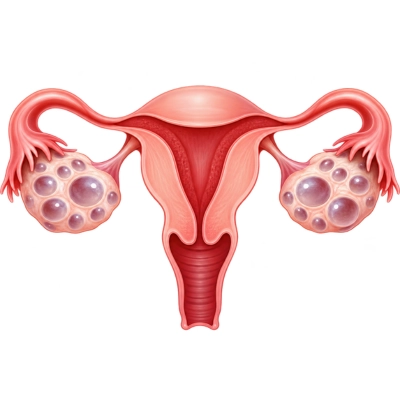
- Polycystic ovarian changes where relevant
- Skin and hair products
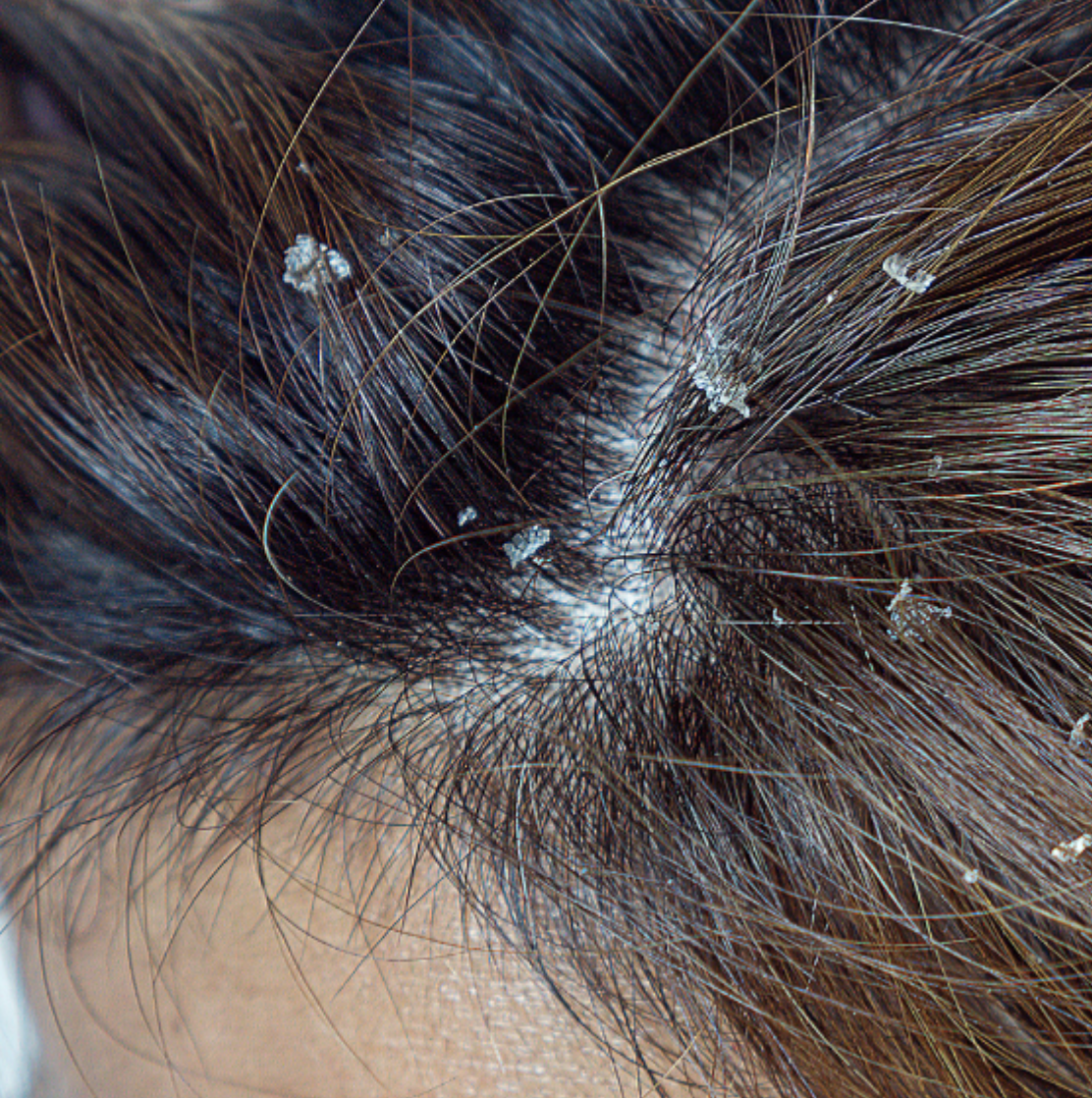
- Dandruff or scalp complaints
- Current medicines
- Previous dermatological treatment
Dr. Rajesh Shah’s approach is to distinguish mild recurring acne from inflammatory acne that needs more active medical treatment. A patient seeking homeopathic treatment for pimples should not delay dermatological assessment when nodules, cysts, progressive scarring, or extensive inflammatory lesions are present.
Evidence-based conventional acne treatments include topical benzoyl peroxide, retinoids, combinations of topical medicines, selected antibiotics, hormonal treatments in suitable patients, and isotretinoin for appropriate severe cases under medical supervision.
Looking for Help With Recurring Acne?
Share your acne symptoms, breakout pattern, previous treatments, and other relevant details. Our medical team can review your case and guide you on the appropriate next steps.
Duration of Treatment
The duration of pimples treatment varies according to acne severity, duration, lesion type, hormonal factors, body areas involved, previous treatment, scarring tendency, and individual response.
Even evidence-based dermatological acne medicines usually require time to produce visible improvement. The American Academy of Dermatology notes that many acne treatments need several weeks of consistent use before meaningful change is seen.
At Life Force, follow-up focuses on measurable changes such as the frequency of new lesions, number of inflammatory eruptions, healing time, pain, pus formation, pigmentation, and whether acne continues to spread to new areas.
Dr. Shah emphasizes that progress in chronic acne should be judged through changes in the pattern of new breakouts and severity rather than only the appearance of existing marks.
Key Homeopathic Medicines
There is no single homeopathic medicine for pimples that is appropriate for every patient.
Medicines traditionally considered in homeopathic practice may include Sulphur, Silicea, Hepar Sulphuris, Pulsatilla, Sepia, Calcarea Sulphurica, Kali Bromatum, Natrum Muriaticum, and others. Selection in homeopathic practice depends on the complete clinical case.
Patients frequently search for the best homeopathic medicine for pimples, but a medicine cannot be considered “best” without evaluating the acne type, depth of lesions, distribution, recurrence, associated complaints, hormonal history, and other medical factors.
A homeopathic medicine for pimples on face should therefore not be selected only because another person with facial acne used the same remedy.
Deep inflammatory or nodular lesions need timely evaluation because delayed treatment for nodular pimples can increase the risk of permanent scarring. The AAD recommends dermatological treatment for nodules and cystic acne.
Self-medication should not replace appropriate dermatological care.
What Happens in Acne?
Four major processes contribute to acne: increased sebum production, blockage of hair follicles by oil and dead skin cells, bacterial activity, and inflammation.
When a plugged follicle remains closed, a whitehead may form. When the opening remains exposed, a blackhead may develop. If inflammation increases, the lesion can become a papule or pustule. Deeper inflammation may result in nodules or cystic lesions.
This mechanism explains why pimples on face are not simply caused by dirt. Excessive scrubbing can irritate acne-prone skin and may worsen inflammation rather than solve the problem.
Dr. Rajesh Shah’s clinical approach is to identify which acne process is dominating and whether factors such as hormones, medications, skin products, or underlying conditions are contributing to recurrence.
Prevalence
Acne is one of the most common skin conditions. The American Academy of Dermatology reports that acne affects approximately 85% of adolescents and can persist or first appear in adulthood.
Adult acne is particularly relevant in women because hormonal fluctuations related to menstrual cycles, pregnancy, perimenopause, menopause, or changes in hormonal contraception can influence breakouts.
The need for hormonal pimples treatment should therefore be assessed clinically rather than assuming every chin or jawline breakout is hormonal.
Acne Causes
There is rarely one single cause of pimples on the face.
The main biological factors are:
- Excess oil production
- Plugging of follicles with oil and dead skin cells
- Bacterial activity
- Inflammation
Factors that can influence or worsen acne include:
- Hormonal fluctuations
- Family history
- Certain medicines
- Occlusive skin or hair products
- Friction or pressure
- Stress-related worsening
- Underlying hormonal conditions in selected patients
People searching for a pimples on face reason should not assume poor hygiene is responsible. Acne develops within the pilosebaceous unit, and repeated harsh cleansing can irritate acne-prone skin.
Pimples on Forehead
Pimples on forehead can include blackheads, whiteheads, inflammatory papules, or pustules.
Hair oils, styling products, sweat, occlusive headwear, and products that come into contact with the hairline may contribute to breakouts in some people. The AAD notes that hair-care products can cause acne around the forehead and hairline.
Persistent pimples on forehead should also be distinguished from folliculitis and other conditions that can produce small, uniform bumps.
Pimples on Chin and Jawline
Patients often search for pimples on chin causes because breakouts in this area may recur around hormonal changes.
Hormonal fluctuations can contribute to adult acne, particularly in women, but jawline or chin acne alone does not prove a hormonal disorder. Menstrual history, excess facial hair, irregular cycles, weight changes, medication use, and other signs may help determine whether further evaluation is required.
When considering hormonal pimples treatment, doctors may need to assess for conditions such as polycystic ovarian syndrome in selected patients rather than treating the skin alone.
Acne Symptoms
Acne can present with:
- Whiteheads
- Blackheads
- Red papules
- Pustules
- Painful nodules
- Cystic lesions
- Tenderness
- Post-inflammatory pigmentation
- Scarring
The types of pimples on the face may vary over time, and several lesion types can occur together.
Persistent inflammatory lesions deserve early evaluation because acne can cause permanent scars and significant post-inflammatory pigmentation.
Concerned About Your Acne?
Share your details and get your acne pattern evaluated by our medical team.
Types of Acne
Comedonal Acne
Comedonal acne mainly consists of blackheads and whiteheads. These lesions develop when follicles become blocked with sebum and dead skin cells.
Appropriate acne vulgaris treatment for predominantly comedonal acne often includes topical treatments that help unclog pores, such as retinoids, according to dermatological guidelines.
Comedonal Acne
Inflammatory acne includes papules and pustules. These lesions are red, swollen, and may be tender.
A structured pimples treatment plan may need to address both clogged follicles and inflammation rather than simply drying the surface of the lesion.
Nodular and Cystic Acne
Nodules develop deep within the skin and are usually firm and painful. Cystic acne can also produce deep inflammatory lesions.
Timely treatment for nodular pimples is important because deep acne has a greater tendency to cause permanent scars. Dermatological treatment should not be delayed in these cases.
Hormonal Acne Pattern
Hormonal fluctuations may contribute to breakouts in adolescents and adults. In women, changes around menstruation, pregnancy, menopause, or hormonal contraception may influence acne.
Hormonal pimples treatment depends on the patient’s age, severity, medical history, reproductive factors, and whether an underlying hormonal disorder is present.
Back Acne
The upper back contains many sebaceous glands, making it a common location for acne.
Acne treatment on the back may need to account for larger areas of involvement, sweat, friction from clothing or backpacks, and difficulty applying topical medicines consistently.
Deep or widespread back acne should be evaluated early because scarring can occur.
Body Acne
Acne can occur on the chest, shoulders, and upper back as well as the face.
A body pimples treatment plan should first confirm that the lesions are acne rather than folliculitis, heat-related eruptions, or another skin condition.
The location, severity, and depth of lesions determine whether topical treatment alone is sufficient or medical therapy is required.
Acne on Different Areas of the Body
Acne on the Face
A patient with pimples on face may have comedonal acne, inflammatory acne, hormonal-pattern acne, or occasionally another condition that resembles acne.
The homeopathic medicine for pimples on face used in homeopathic practice would depend on the overall case, but persistent or moderate-to-severe facial acne should also be assessed for evidence-based dermatological treatment.
Forehead Acne
Repeated pimples on forehead may be associated with acne-prone skin, hair products, sweat, friction, or occlusion around the hairline.
Changing pore-clogging products to non-comedogenic alternatives may help when cosmetics or hair-care products are contributing to breakouts.
Chin Acne
When assessing pimples on chin causes, clinicians consider the acne type together with hormonal patterns, cosmetics, touching or friction, medicines, and other possible factors.
Chin acne should not automatically be labelled hormonal without supporting clinical features.
Back and Shoulder Acne
For patients seeking acne treatment on the back, the severity and depth of lesions matter. Nodules, cystic lesions, or extensive inflammatory acne may need prescription dermatological therapy.
A 2024 Life Force case report documented a patient with pustular acne affecting the upper back and shoulders whose progress was followed over several months using photographs and clinical follow-up. Individual case outcomes should not be generalized to every patient.
Body Acne
A proper body pimples treatment approach distinguishes acne from other follicular eruptions before treatment begins.
Dr. Shah emphasizes the value of examining the distribution and morphology of lesions rather than assuming every red body bump is acne.
Explore Acne & Related Skin Conditions
Acne
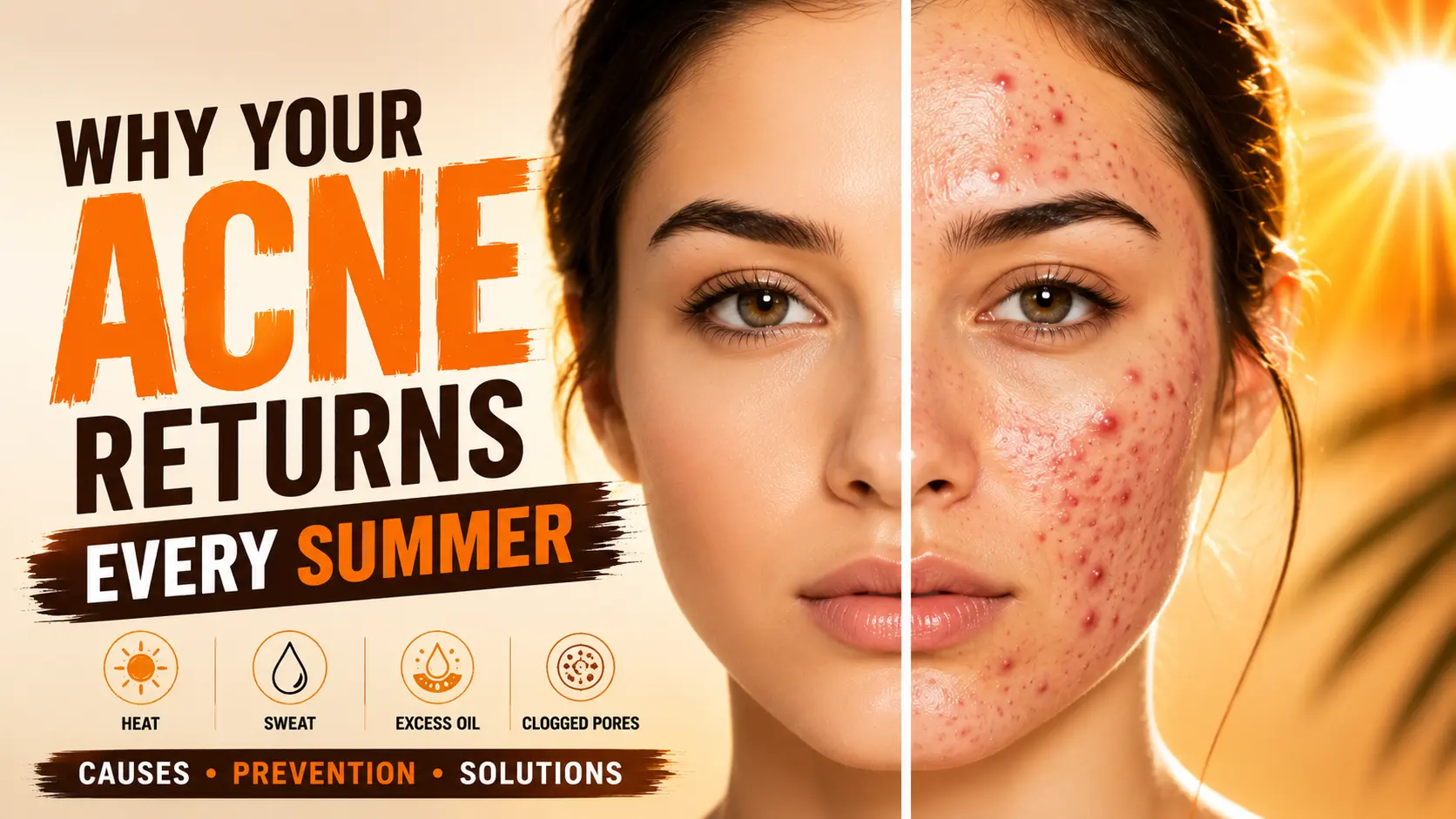
Summer Acne Breakouts: How Hot Weather Affects Your Skin and Effective Acne Treatment Options
If you are dealing with chronic or recurrent acne, there are chances that you have already tried a shelf full…
Acne and Rosacea: They Are Not the Same Condition
Acne and rosacea can both cause facial bumps, but they are different conditions and should not automatically receive the same treatment.
Acne commonly produces comedones such as blackheads and whiteheads. Rosacea may cause persistent facial colour change, flushing, visible blood vessels, burning, papules, pustules, eye symptoms, and sometimes thickening of the skin.
Understanding rosacea with pimples is especially important because papulopustular rosacea can resemble acne even though blackheads and typical acne comedones are generally not the defining feature.
Rosacea Red Skin
Rosacea red skin may appear as persistent redness in lighter skin tones, but in darker skin it may look brown, violet, dusky, or be noticed mainly as persistent warmth or burning.
This matters when assessing rosacea in Indian skin, because redness and visible small blood vessels may be less obvious in medium or darker skin tones.
Rosacea on the Face
Rosacea on face usually affects the central face, particularly the cheeks and nose, and may also involve the forehead or chin.
A suitable rosacea on face treatment should be based on the specific features present, such as persistent colour change, inflammatory bumps, visible vessels, thickening, or eye involvement.
Triggers for Rosacea
Common triggers for rosacea vary between individuals.
Reported triggers include:
- Sunlight
- Heat
- Wind
- Stress
- Alcohol
- Spicy foods
- Hot beverages
- Exercise
- Irritating skin-care products
Identifying personal triggers can help reduce flare frequency.
Rosacea Types
Older classifications described several rosacea types, including erythematotelangiectatic, papulopustular, phymatous, and ocular patterns.
Modern classification increasingly focuses on the individual features or phenotypes present rather than forcing every patient into a single subtype.
Rosacea With Pimples
Rosacea with pimples can produce inflammatory papules and pustules that resemble acne.
However, patients may also have flushing, persistent colour change, burning, sensitivity, or visible vessels. Accurate diagnosis matters because treatments used for acne may irritate rosacea-prone skin.
Rosacea in Indian Skin
Rosacea in Indian skin may be under-recognized when clinicians rely only on bright facial redness.
In darker skin tones, rosacea may show as warmth, burning, dryness, swelling, darker patches, dusky colour, or acne-like eruptions. Visible small blood vessels can also be harder to detect.
Rosacea in the Eyes
Rosacea in the eyes, also called ocular rosacea, can cause dryness, burning, gritty sensation, redness, tearing, light sensitivity, eyelid inflammation, or other eye symptoms.
Eye symptoms should be medically assessed because untreated ocular disease can sometimes affect the cornea or vision.
Rosacea on Nose
Rosacea on nose may present with persistent colour change, visible vessels, inflammatory lesions, or skin thickening.
When thickening affects the nose, it is called rhinophyma. Early medical evaluation is important because progressive thickening may become more difficult to manage.
Managing Rosacea
The appropriate rosacea on face treatment depends on the specific manifestations present. Dermatological options may include topical or oral medicines and procedures for visible blood vessels or thickened skin.
Avoiding known triggers for rosacea and using gentle skin care and sun protection are also important parts of management.
A patient searching for rosacea red skin should seek a proper diagnosis if the colour change persists or occurs together with burning, bumps, visible vessels, or eye symptoms.
Acne or Rosacea?
If acne products repeatedly irritate the skin or do not improve acne-like lesions, rosacea should be considered among the possible diagnoses.
Rosacea with pimples particularly needs distinction from inflammatory acne because the two conditions may need different approaches.
For rosacea in Indian skin, paying attention to burning, warmth, pigmentation, swelling, and persistent sensitive skin can be as important as looking for redness.
Important Rosacea Warning Signs
Persistent irritation involving rosacea in the eyes deserves medical attention, particularly if there is pain, marked light sensitivity, or changes in vision.
Progressive rosacea on nose with thickening or contour change should also be assessed by a dermatologist.
Modern understanding of rosacea types emphasizes treating the features present in that individual rather than assuming every patient follows one fixed pattern.
Our Expertise
Life Force Homeopathy was founded by Dr. Rajesh Shah and Dr. Rupal Shah and has provided clinical homeopathic care since 1985. Life Force reports experience with more than 100,000 patients from over 180 countries and has a team of 30+ doctors.
Life Force also maintains documented acne case records and before-and-after clinical photographs for selected patients, allowing doctors to compare the appearance and frequency of lesions during follow-up.
When planning acne vulgaris treatment, Life Force doctors assess the lesion type, areas affected, recurrence, pigmentation, scarring risk, hormonal history, previous treatment, and associated medical conditions.
Dr. Rajesh Shah emphasizes that treatment decisions should change when the clinical pattern changes. New nodules, rapidly worsening inflammation, extensive scarring, or features suggesting another diagnosis may require dermatological evaluation rather than simply continuing the same approach.
For patients considering homeopathy for pimples, Life Force’s role is to provide individualized supportive care while recognizing situations where conventional dermatological treatment is necessary.
Homeopathic Treatment for Acne
At Life Force, homeopathic treatment for pimples is based on a detailed evaluation rather than prescribing one standard medicine for every acne patient.
Doctors study:
- Age when acne began
- Current age
- Type of lesions
- Frequency of new eruptions
- Pain and tenderness
- Pus formation
- Face, chest, shoulder, and back involvement
- Pigmentation
- Scarring
- Hormonal patterns
- Menstrual history
- PCOS or other hormonal disorders where relevant
- Stress-related aggravation
- Skin and hair products
- Current medicines
- Previous acne treatment
People searching for the best homeopathic medicine for pimples should know that homeopathy does not have one universal medicine that is appropriate for every presentation.
Similarly, a homeopathic medicine for pimples on face should not be chosen only according to lesion location. The type, severity, recurrence, associated symptoms, medical history, and risk of scarring also matter.
Life Force doctors may use supportive homeopathic treatment alongside skin-care guidance and medically necessary conventional care.
Acne Treatment According to the Pattern
Acne Vulgaris
Acne vulgaris treatment should be matched to the severity and type of acne. Dermatological guidelines support treatments such as topical retinoids and benzoyl peroxide, with additional topical, oral, hormonal, or isotretinoin treatment where clinically appropriate.
Homeopathic supportive care should not replace these treatments when they are medically indicated.
Facial Pimples
The appropriate pimples treatment depends on whether the face mainly has comedones, papules, pustules, nodules, or cystic lesions.
For patients asking about pimples on face reason, doctors may assess hormones, cosmetics, hair products, medicines, friction, family history, and other clinical factors.
Hormonal Pattern
Hormonal pimples treatment requires more than treating the visible lesion when signs suggest an underlying hormonal problem.
Women with persistent jawline acne together with irregular periods, abnormal hair growth, fertility concerns, or other endocrine symptoms may need appropriate medical investigation.
Back Acne
Acne treatment on the back should consider lesion depth, surface area, sweating, clothing friction, and whether scarring is beginning.
Severe back acne or multiple deep nodules should be evaluated by a dermatologist rather than managed solely through home remedies.
Body Acne
A body pimples treatment plan should include accurate diagnosis, appropriate skin care, management of sweat and friction where relevant, and prescription treatment when the condition is extensive or inflammatory.
Nodular Acne
Early treatment for nodular pimples is particularly important because nodules develop deep within the skin and have a higher risk of leaving permanent scars.
Patients with repeated deep painful lesions should seek dermatological assessment even if they are also receiving supportive homeopathic care.
Acne Case Studies: Real Patient Journeys

Acne
Adult Onset Acne in Elderly Woman Treated with Homeopathy
Mrs. S, a 67-year-old woman, started online treatment for acne on 14 Dec 2024. She was already an existing patient…
Acne
Homeopathy Helped an Acne Patient Heal Without Creams
Mr. A.S., a forty-one-year-old male (Patient ID: 26708), presented at the Life Force Homeopathy Chembur clinic in March 2024 with…
Acne
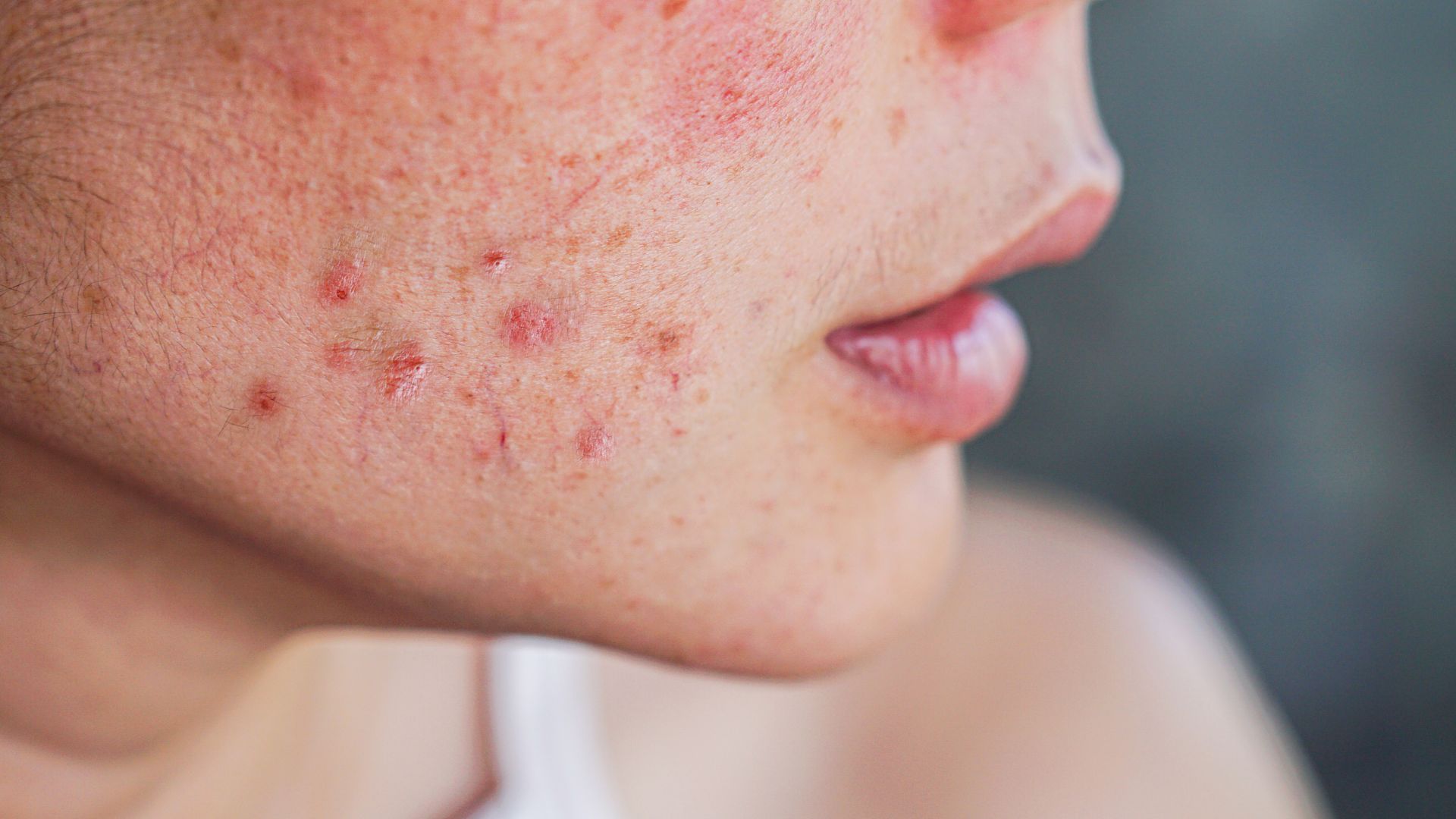
A gift of acne-free skin to a teenager from homeopathy
A 17-year-old SC (Patient ID: 53665) visited Chembur clinic on 3rd Feb 2024 with his mother with a complaint of…
Acne
Stubborn Acne Vanished With Homeopathic Medicines At Life Force
Acne is a very commonly encountered skin condition that mostly begins during puberty, as the hormone levels in the body fluctuate. For some lucky people, the condition…
Acne
Noteworthy Improvement In The Health Of Aplastic Anemia Patient With Homeopathy
Aplastic anemia is a condition that occurs when your body stops producing enough new blood cells. This happens as a result…
Videos on Acne
Watch educational videos from Life Force doctors covering acne causes, skin-care factors, recurrent breakouts, hormonal influences, pigmentation, scarring, and treatment planning.
Suggested video topics:
- Why acne keeps returning
- Different types of acne
- Pimples on chin causes
- Acne and hormonal changes
- Acne on the back and chest
- Acne scars and pigmentation
- Acne vs rosacea
- When acne needs a dermatologist
- Role and limitations of homeopathy
CTA: Watch Acne Videos
Watch Acne & Skin Health Videos From Our Doctors
Watch educational videos from Life Force doctors covering acne causes, recurring breakouts, hormonal influences, pigmentation, scarring, acne types, and the difference between acne and rosacea.
This directly follows the source content for the Videos on Acne section.


FAQ on Acne and Pimples
Expert Answers to Common Questions
The cause of pimples on the face can involve excess oil production, clogged follicles, bacterial activity, inflammation, hormones, genetics, medicines, or products that block pores.
A persistent pimples on face reason should be assessed according to age, lesion type, location, hormonal history, and skin-care routine rather than assuming one universal cause.
Pimples on forehead can develop because of acne-prone skin, excess sebum, sweat, hair products, occlusive products, or friction around the hairline.
Persistent small uniform bumps may also need evaluation to confirm that the condition is acne.
Common pimples on chin causes include ordinary acne mechanisms together with hormonal fluctuations, cosmetics, friction, and individual susceptibility.
Repeated chin or jawline acne may justify hormonal assessment when it occurs alongside other endocrine symptoms.
The common types of pimples on the face include whiteheads, blackheads, papules, pustules, nodules, and cystic lesions.
Each type differs in depth and degree of inflammation, which is why treatment should be matched to the lesion type.
There is no single pimples treatment that is appropriate for every patient.
Treatment depends on age, acne type, severity, body area, scarring risk, pregnancy status, hormonal factors, and previous response to treatment.
Evidence-based acne vulgaris treatment may include topical retinoids, benzoyl peroxide, topical or oral antibiotics used appropriately, hormonal treatments for selected patients, and isotretinoin in suitable severe cases.
A dermatologist should guide treatment when acne is moderate, severe, nodular, cystic, or causing scars.
There is no single homeopathic medicine for pimples suitable for everyone.
Homeopathic prescribing traditionally considers lesion type, location, recurrence, discharge, pain, associated symptoms, hormonal factors, and the patient’s broader clinical history.
The term best homeopathic medicine for pimples can be misleading because a remedy considered in one case may not match another person’s clinical pattern.
A medical diagnosis should come before medicine selection, particularly when acne is severe or scarring.
A homeopathic medicine for pimples on face may be considered within a professional homeopathic consultation, but persistent acne should also be assessed according to its severity and risk of scarring.
Patients should not stop dermatologist-prescribed medicines without consulting the doctor who prescribed them.
Homeopathy for pimples may be used as supportive care by patients who choose it, but it should not delay evidence-based treatment for severe inflammatory acne, nodules, cysts, or scarring.
Dr. Rajesh Shah’s approach at Life Force is to integrate the patient’s complete clinical picture with appropriate medical evaluation.
Homeopathic treatment for pimples is individualized in homeopathic practice, but the role of dermatological treatment remains important according to the severity and type of acne.
Deep nodules, cystic acne, and progressive scars require prompt medical attention.
Proper treatment for nodular pimples should be guided by a dermatologist because the lesions are deep and have a significant risk of scarring.
Prescription therapy may be required, and squeezing deep nodules should be avoided.
Acne treatment on the back involves confirming the diagnosis, reducing friction and pore-clogging products where relevant, and using treatment suited to the extent and severity of the acne.
Extensive inflammatory acne may require oral prescription treatment.
Effective body pimples treatment depends on whether the lesions are acne, folliculitis, or another eruption.
Treatment may include skin-care changes, topical medication, or prescription systemic treatment depending on severity.
Rosacea red skin refers to persistent facial colour change associated with rosacea. In darker skin tones the colour may appear brown, violet, or dusky rather than bright red.
Burning, warmth, sensitivity, inflammatory bumps, or visible vessels may also occur.
Yes. Rosacea on face most commonly affects the central cheeks and nose and may involve the forehead and chin.
A dermatologist can distinguish it from acne, seborrhoeic dermatitis, lupus, and other facial conditions.
Common triggers for rosacea include sunlight, heat, stress, alcohol, wind, hot drinks, spicy food, exercise, and irritating skin-care products, although individual triggers vary.
Keeping a trigger diary can help identify patterns.
Traditional rosacea types include erythematotelangiectatic, papulopustular, phymatous, and ocular patterns.
Current classification increasingly focuses on individual clinical features or phenotypes rather than rigid subtypes.
Appropriate rosacea on face treatment depends on whether the main problem is persistent colour change, papules and pustules, visible vessels, thickening, or eye involvement.
Dermatological treatment and trigger management form the basis of care.
Rosacea in Indian skin may show less obvious redness than in very fair skin.
Persistent warmth, burning, sensitive skin, darker facial patches, swelling, acne-like bumps, and thickening may provide important diagnostic clues.
Yes. Rosacea with pimples can cause inflammatory papules and pustules, especially on the central face.
Unlike typical acne, patients may also have flushing, burning, persistent facial colour change, or visible blood vessels.
Yes. Rosacea in the eyes can cause dryness, burning, irritation, watering, redness, light sensitivity, and eyelid problems.
Ocular symptoms should be evaluated because eye complications occasionally require ophthalmological care.
Yes. Rosacea on nose can cause redness or colour change, visible blood vessels, inflammatory lesions, and in some patients progressive thickening called rhinophyma.
Progressive thickening should be assessed early by a dermatologist.

Have Questions About Your Acne?
Tell us about your acne, breakouts, previous treatments, and concerns. Our medical team will review your case and guide you on the appropriate next steps.
Contact Us