

Life Force Homeopathy
best homeopathic doctor
1000+
PMOS Patients Treated

41+
Years of Experience

30+
Homeopathic Doctors

180+
Countries
What is PMOS (previously PCOD/PCOS)?
PMOS is the most common endocrine disease that affects 1 in every 5 females in their reproductive life. The signs can be seen as early as 12- 13 years at puberty. Mostly women get diagnosed of PMOS in late 20s or accidentally when they are trying to conceive. PMOS presentation can vary from female to female. PMOS is more than just menstrual disturbance or ovarian cysts. Women with PMOS can have higher risk of severe metabolic and cardiovascular diseases, sleep disorders and even psychological symptoms.
Know all about PCOD, PCOD and PMOS:
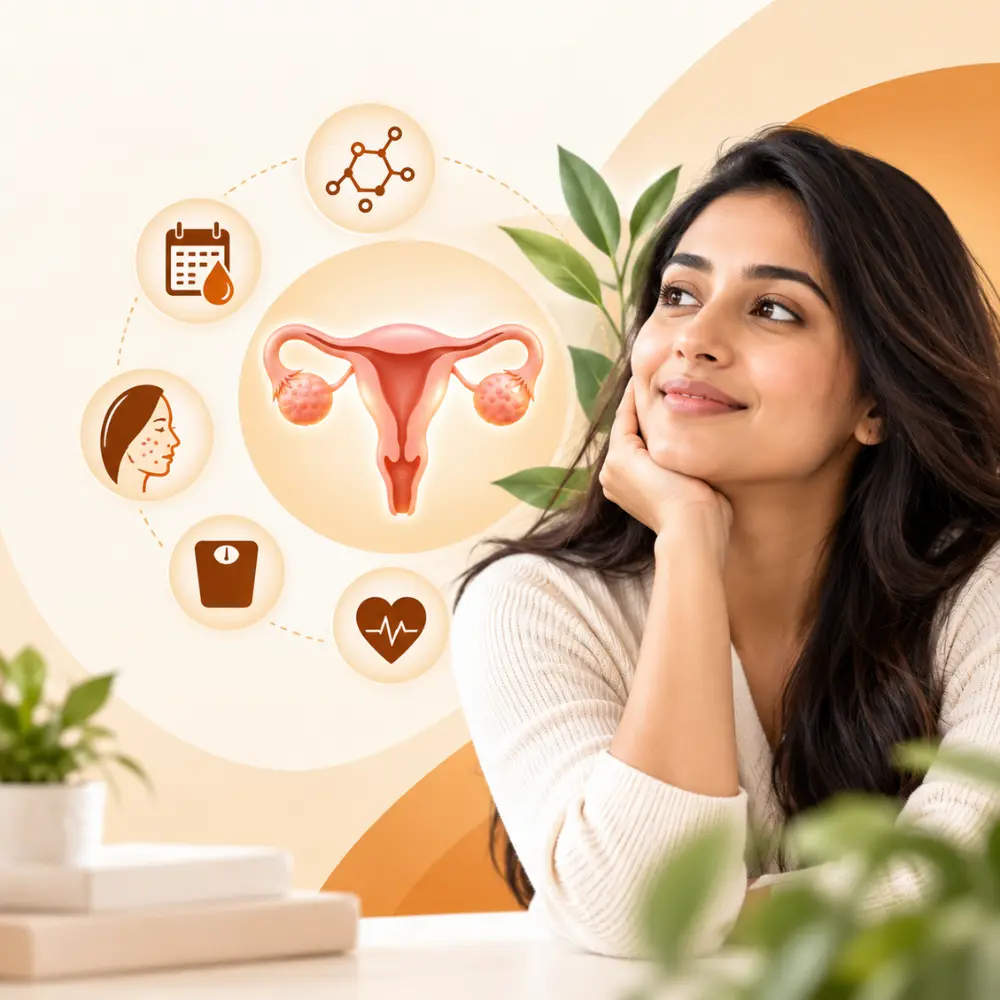
PCOS (Polycystic Ovarian Syndrome) which is now known as PMOS (Polyendocrine Metabolic Ovarian Syndrome) is a complex hormonal and metabolic disorder that can affect females in their reproductive age. It affects the menstrual cycles, fertility, skin, hair, metabolism, cholesterol levels, insulin levels, cardiovascular health, sleep, weight and even mental health.
PMOS is a broader term that suggests the disease is not just restricted to the ovarian cysts but a broad spectrum metabolic and endocrinal dysfunction. Having multiple follicles on USG does not qualify for diagnosing PMOS. Likewise, a woman can have PMOS even without having polycystic appearance of ovaries on the USG (sonography).
Symptoms of PCOD (PCOS, PMOS):
PMOS can have a different presentation in every case. Common symptoms include:
- Irregular periods (early or delayed)
- Painful cycles
- Irregular flow (scanty or heavy or prolonged menses)
- Mood swings
- Hirsuitism (excess facial hair)
- Cystic acne on face, back
- Hairfall and/or hair thinning
- Infertility (difficulty in conceiving due to irregular menses and ovulation)
- Insulin resistance
- Acanthosis nigricans (hyperpigmentation on neck and underarms)
- Weight gain
- High cholesterol levels
Diagnosis of PCOD (PCOS, PMOS):
PCOD (PCOS, PMOS) can be diagnosed with appropriate tests depending on symptoms. Your doctor may recommend following tests.
- Hormonal assay that includes FSH, LH, prolactin, AMH, testosterone levels
- Thyroid profile
- Lipid profile
- Blood sugar levels, HbA1C
- Ultrasound or USG Pelvis to evaluate the polycystic ovaries.
Two of the below criteria are required for diagnosing PMOS.
- Irregular periods – either early or delayed- suggestive of ovulatory dysfunction
- Increased androgen activity – i.e. dominance of male hormones
- Polycystic ovarian findings on the sonography
PMOS, PCOS & PCOD Explained
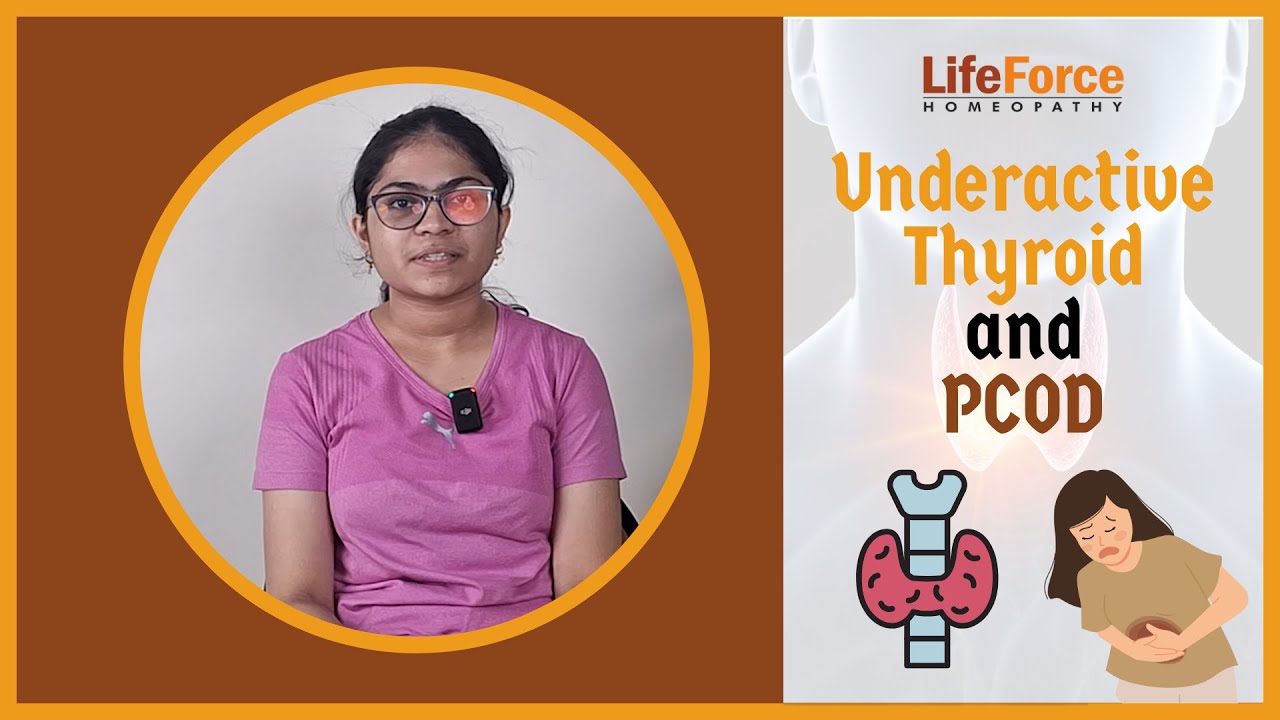
Explore videos on PMOS, PCOS and PCOD featuring Dr. Rajesh Shah and the Life Force Homeopathy team. Learn about symptoms, causes, hormonal and metabolic factors, diagnosis, lifestyle management, fertility concerns and the role of homeopathy in individualised care. These videos aim to help you better understand PMOS, PCOS and PCOD and make informed decisions about your health and PMOS treatment by homeopathy.




Causes of PCOD (PCOS,PMOS):
There is no single PCOD (PCOS, PMOS) cause. It is a combination of hormonal, genetic, metabolic and environmental factors that cause PCOD (PCOS, PMOS).
- Insulin resistance and high insulin levels: Women with PMOS have a genetic defect that stops the cells in muscle and fat tissue from responding properly to insulin. As a result, pancreas secretes more insulin to keep blood sugar stable. High insulin levels are responsible for weight gain, acanthosis nigricans. High insulin also interferes with the ovaries’ ability to ovulate.
- Increased testosterone levels: Higher insulin instructs the ovaries to produce extra testosterone and also instructs liver to stop making sex hormone binding globulin (SHBG), due to which free active testosterone levels increase in blood. High testosterone is responsible for delayed ovulation, acne, hairfall, hair thinning, hirsuitism, etc.
- Genetic factors: Women with family history of PMOS or type 2 diabetes are at higher risk of suffering from PMOS.
- Body weight and metabolic health: Overweight women are at a higher risk of having PMOS as excess body weight worsens insulin resistance. Having said that, PMOS is not exclusively found in obese women, it can affect lean women too who have significant metabolic and hormonal abnormalities.
Diet for PCOD (PCOS, PMOS):
Diet plays a crucial role in long term management of PCOD (PCOS, PMOS). A balanced PMOS diet includes following:
- Vegetables, salads should constitute 60% of your meal portion
- Whole fruits
- Whole grains
- Proteins are essential. Pulses, legumes, fish, lean chicken, eggs
- Nuts and seeds
- Adequate water intake
Food high in sugar, processed food, dairy, highly refined carbohydrates must be restricted.
Exercise and Lifestyle changes:
Lifestyle management is also equally important in PMOS treatment by homeopathy, irrespective of weight loss required or not. Regular physical activity can boost metabolism, hormonal balance and overall well-being. Brisk walking, engaging in some outdoor sport, cycling, yoga, swimming, dancing are strongly recommended. Sleep and stress management are also crucial in PMOS management. A healthy clean routine supports energy levels, mood, appetite and overall quality of life.
Treatment for PCOD (PCOS, PMOS):
PMOS is a very common disease and it can very well be managed with medicines, diet and lifestyle corrections. It requires a long term management for sustained recovery. The approach depends on the woman’s symptoms, reproductive goals and metabolic wellbeing.
Homeopathic treatment for PCOD (PCOS, PMOS):
PCOD/PMOS Homeopathic treatment by homeopathy is individualised because PCOD (PMOS) can present differently in different females. Depending on what is to be treated in the given case of PCOD, the medication is decided.
- PMOS Homeopathic medicines help is regularising the menses and the flow.
- Other complaints like acne, hair fall can also be taken care of with homeopathy
- It opens the possibility of future fertility and conception.
- The cysts dissolve gradually and ovary size also reduces, which can be checked by doing a sonography 4-6 months after starting treatment.
- Treating weight gain or symptoms like hirsuitism (excess facial hair) can be a challenge.
Conventional treatment for PCOD (PCOS, PMOS):
- Medications (Hormone Therapy):
- To regulate your menstrual cycle.
- Combination birth control pills — pills that contain both Estrogen and Progesteron
- Progesterone for 10 to 14 days every one to two months.
- Metformin, an oral medication for type 2 diabetes that improves insulin resistance and lowers insulin levels.
- To regulate your menstrual cycle.
- (Hormone Therapy):
- To reduce excessive hair growth:
- Birth control pills to decrease androgen production
- Spironolactone that blocks the effects of androgens on the skin.
- To reduce excessive hair growth:
- Surgery:
- Laparoscopic Ovarian Cauterisation or
- Ovarian Drilling or
- LEOS (laparoscopic electrocauterization of ovarian stroma).
This should be reserved for women with PCOD who have large ovaries with increased stroma on ultrasound scanning.Destroying the abnormal ovarian tissue helps to restore normal ovarian function and helps to induce ovulation.
Related Disease
No related diseases found.
Get Personalised Guidance for PMOS
Share your details and tell us about your symptoms, concerns, or treatment needs. Our team will review your information and help you understand the next steps for managing PMOS, PCOS or PCOD with personalised guidance.
Contact Us