


Table of Contents
Introduction
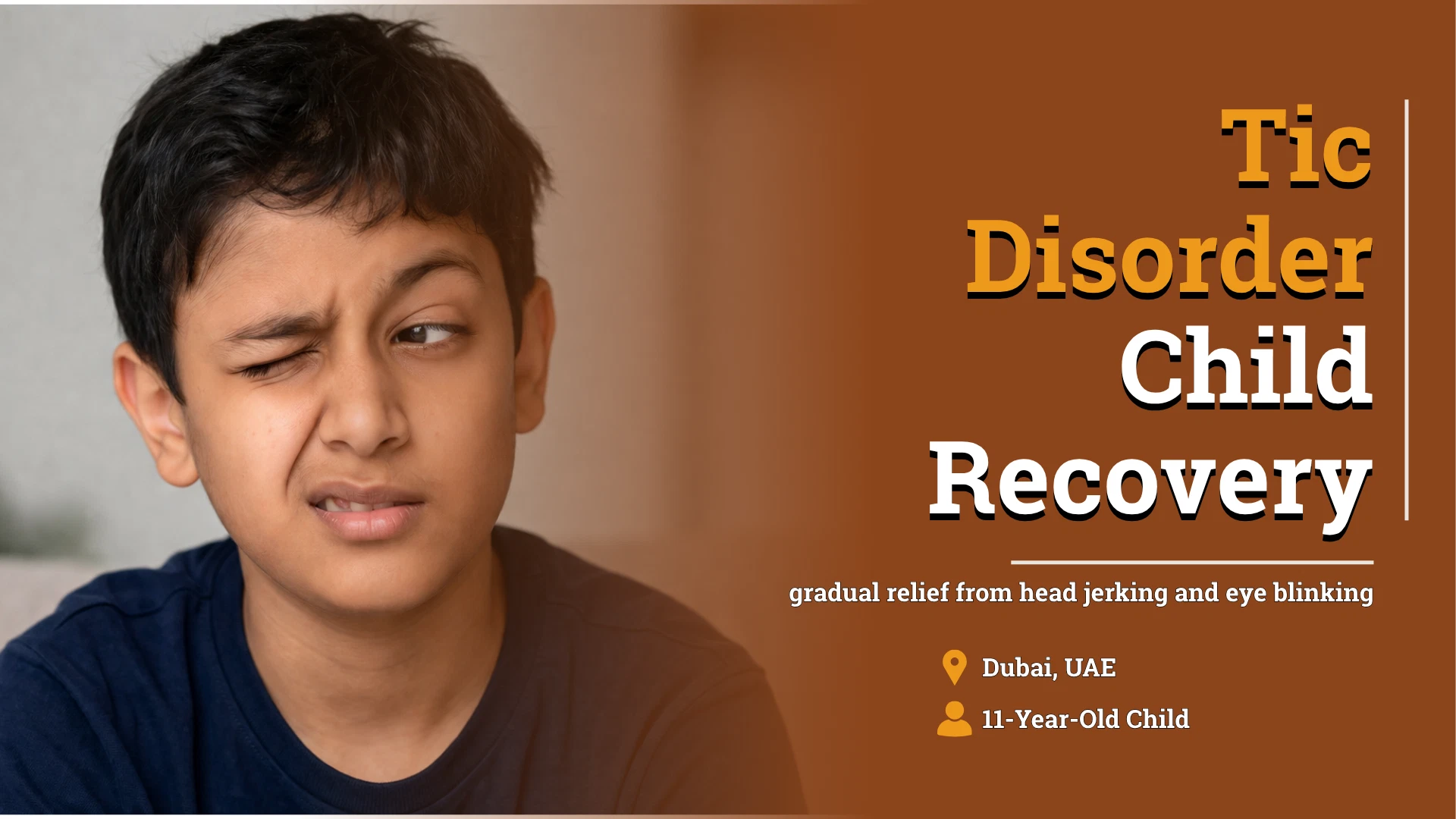
Tic disorder is a neurological disorder in children that can affect a child’s confidence, behavior, and daily routine. Symptoms such as head jerking and eye blinking in kids can be distressing for both the child and parents, especially when they occur frequently or worsen during stress.
This case study presents the clinical journey of an 11-year-old child who experienced frequent involuntary movements. With structured homeopathic treatment for tic disorder, a gradual improvement was observed over time, highlighting the importance of a holistic, patient-specific approach.
Patient Case Details
| Parameter | Details |
| Patient ID | 28634 |
| Age | 11 Years |
| Gender | Male |
| Profession | Student |
| First Consultation | 28th April 2025 |
| Condition | Tic Disorder |
| Duration | 4 Months |
About the Condition
Tic disorder is a neurological disorder in children characterized by sudden, repetitive, and involuntary movements or sounds. Common symptoms include:
- Head jerking
- Facial twitching
- Eye blinking
- Throat clearing or sniffing
These symptoms may increase with stress, excitement, fatigue, or emotional triggers. The condition may vary in severity and duration, requiring careful evaluation and monitoring.
Living with a Chronic Condition? Get Expert Guidance.
Talk to Dr. Rajesh Shah — 40+ years of experience in managing chronic conditions with a personalized, long-term approach.
Presenting Complaints
- Frequent involuntary head jerking movements (30–40 times/day)
- Continuous eye blinking and facial twitching
- Symptoms aggravated by stress, excitement, and tiredness
- Reduced confidence and social interaction
- Normal MRI, EEG, and blood investigations
Individual Case Assessment
A detailed evaluation was conducted considering both physical and emotional aspects, which is essential in child tic disorder treatment.
Physical Generals
- Craving for sweets, chocolates, pizza, and burgers
- Dislikes eggs and pasta
- Lean body structure
- Disturbed sleep with nightmares
Mental & Emotional Aspects
- Generally cheerful but developed insecurity due to symptoms
- Anxiety related to performance and social perception
- Reduced enthusiasm in studies and sports
- Fearful dreams and emotional sensitivity
This holistic understanding plays a key role in selecting appropriate homeopathic remedies for tic disorder.
Case Analysis & Treatment Approach
The case was evaluated in detail by Dr. Rajesh Shah and his team at a specialized homeopathy clinic for neurological disorders.
Treatment Plan Included:
- Individualized homeopathy treatment for tic disorder
- Initial prescription: Ignatia 30
- Later adjustments: Kali Phos 30 and potency changes
- Continuous follow-ups and monitoring
The treatment focused not only on physical symptoms but also on emotional triggers and overall well-being.
Follow-Ups & Progress Timeline
| Date | Duration | Clinical Progress & Observations |
| 5th June 2025 | 2 Months | Reduction in head jerking; increase in eye blinking and facial twitching |
| 13th Sept 2025 | 4 Months | Initial improvement; case re-evaluated; medicine adjusted |
| Feb 2026 | 10 Months | Temporary relapse after stopping treatment; symptoms milder than before |
| 20th April 2026 | 12 Months | 80–90% improvement; occasional mild head movements during stress |
Outcome
Over a period of approximately 12 months, the patient showed:
- Significant reduction in head jerking and eye blinking in kids
- Better control over involuntary movements
- Improved emotional stability and confidence
- Return to normal daily activities and sports
- Reduced dependency on conventional medications
It is important to note that improvement was gradual and required consistent follow-up and monitoring.
Key Learnings
- Child tic disorder treatment requires a long-term and individualized approach
- Emotional factors like stress and anxiety can influence symptom intensity
- Temporary fluctuations may occur during treatment
- Consistency and proper follow-up play a crucial role in outcomes
Conclusion
This case highlights how a structured and individualized homeopathy treatment approach may support gradual improvement in symptoms such as involuntary movements. While results may vary from patient to patient, addressing both physical and emotional factors may contribute to better overall outcomes when managing neurological disorders in children.