


Introduction Chronic urticaria is a persistent skin condition characterized by recurrent hives, redness, and itching. This case study presents the clinical progression, treatment, and successful resolution of urticaria in a 20-year-old female patient, highlighting the effectiveness of systematic management.A 20-year-old female (Patient ID: 53694) presented with papular hives on her legs, back, hands, and face, […]
Complete Recovery from Chronic Urticaria in a Young Female Through Care Plan Rx!
This case details a 20-year-old female with chronic urticaria marked by daily hives, angioedema, itching, burning, and food triggers lasting three years. It outlines symptom patterns, past antihistamine and steroid use, physical and mental generals, and structured follow-ups. Gradual improvement occurred with reduced episodes, stopping frequent medication, and sustained remission, leading to complete recovery after long-term monitoring and consistent patient compliance achieved. Fully well. End!
Table of Contents
Introduction
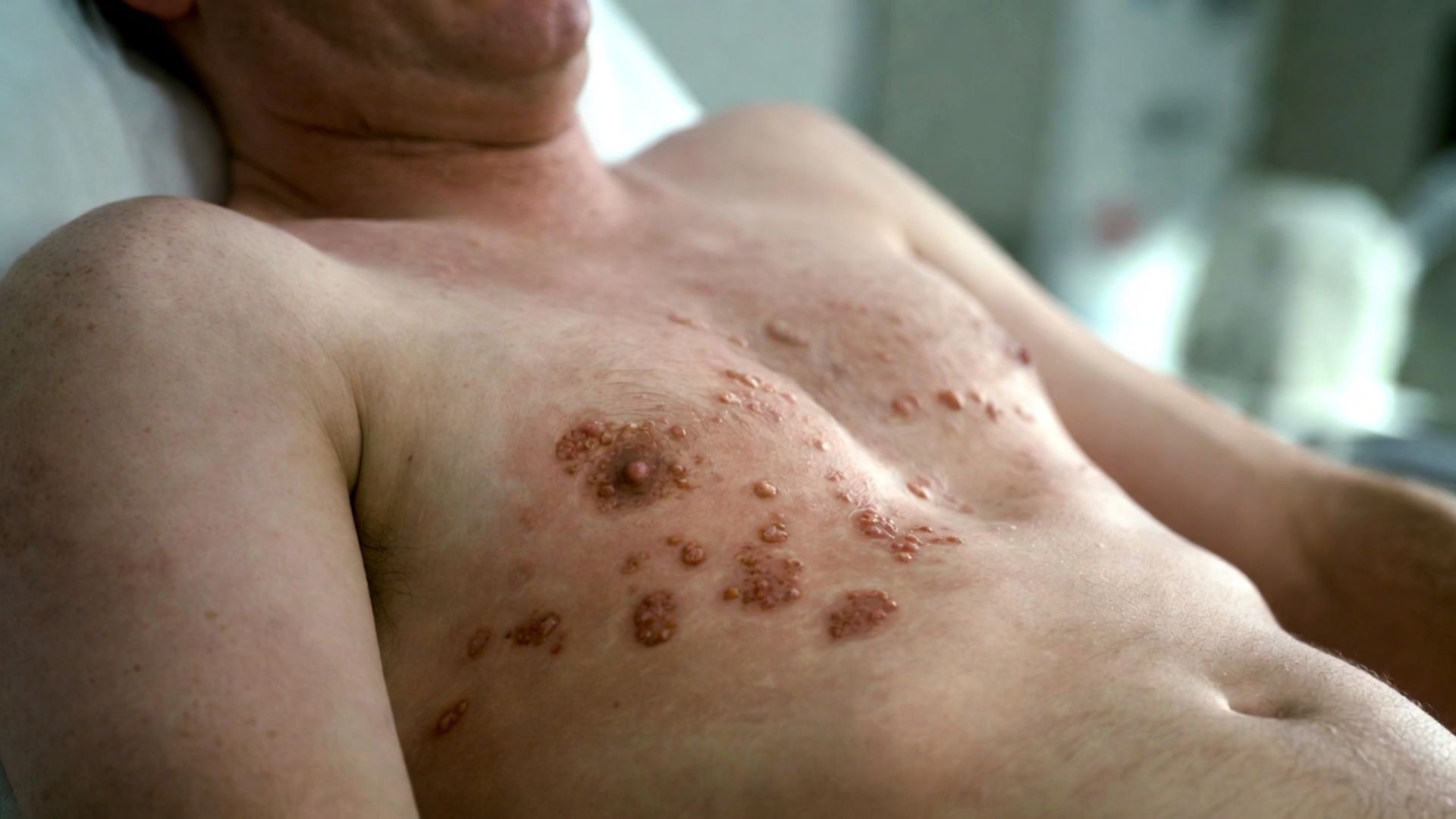
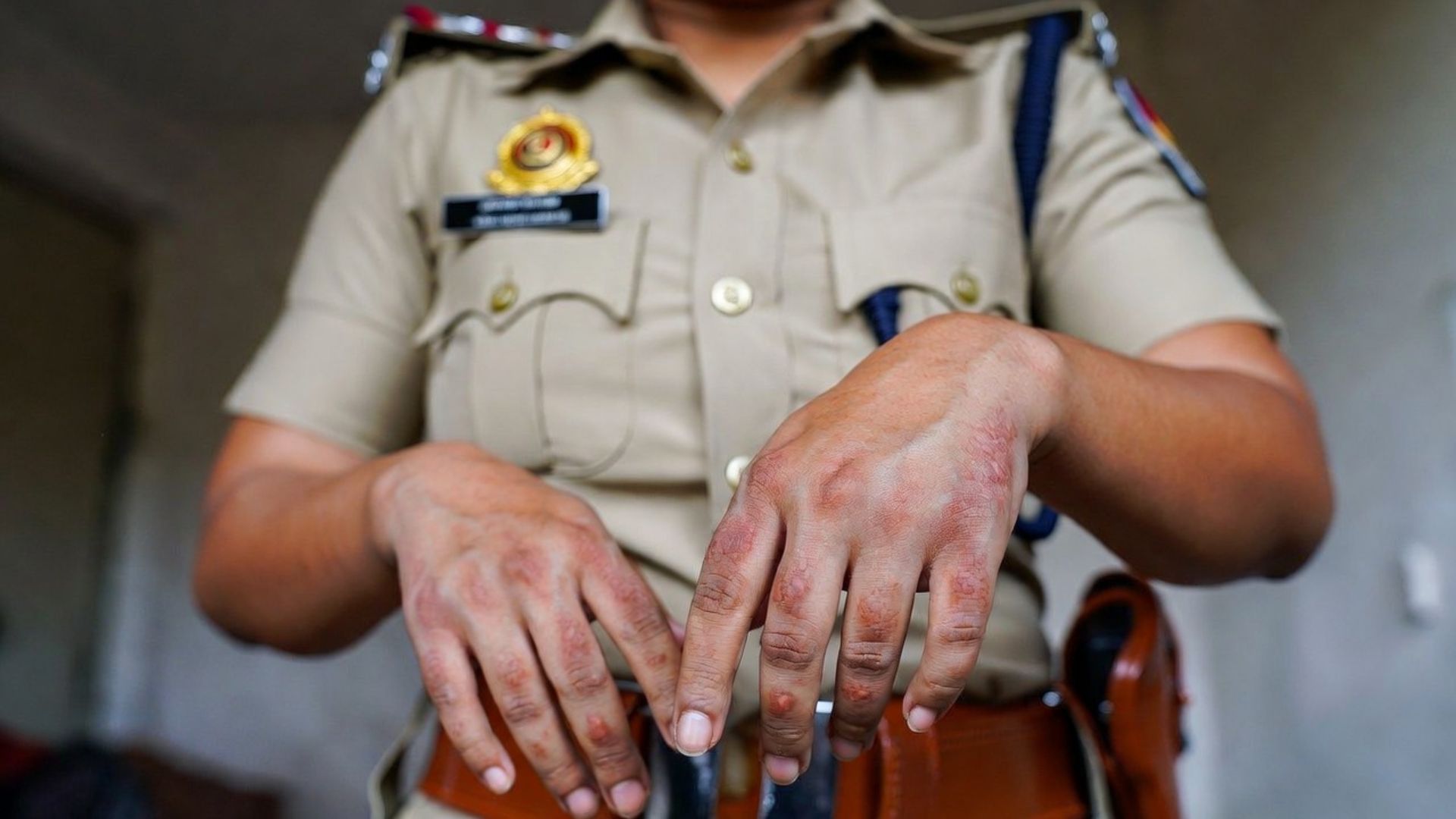
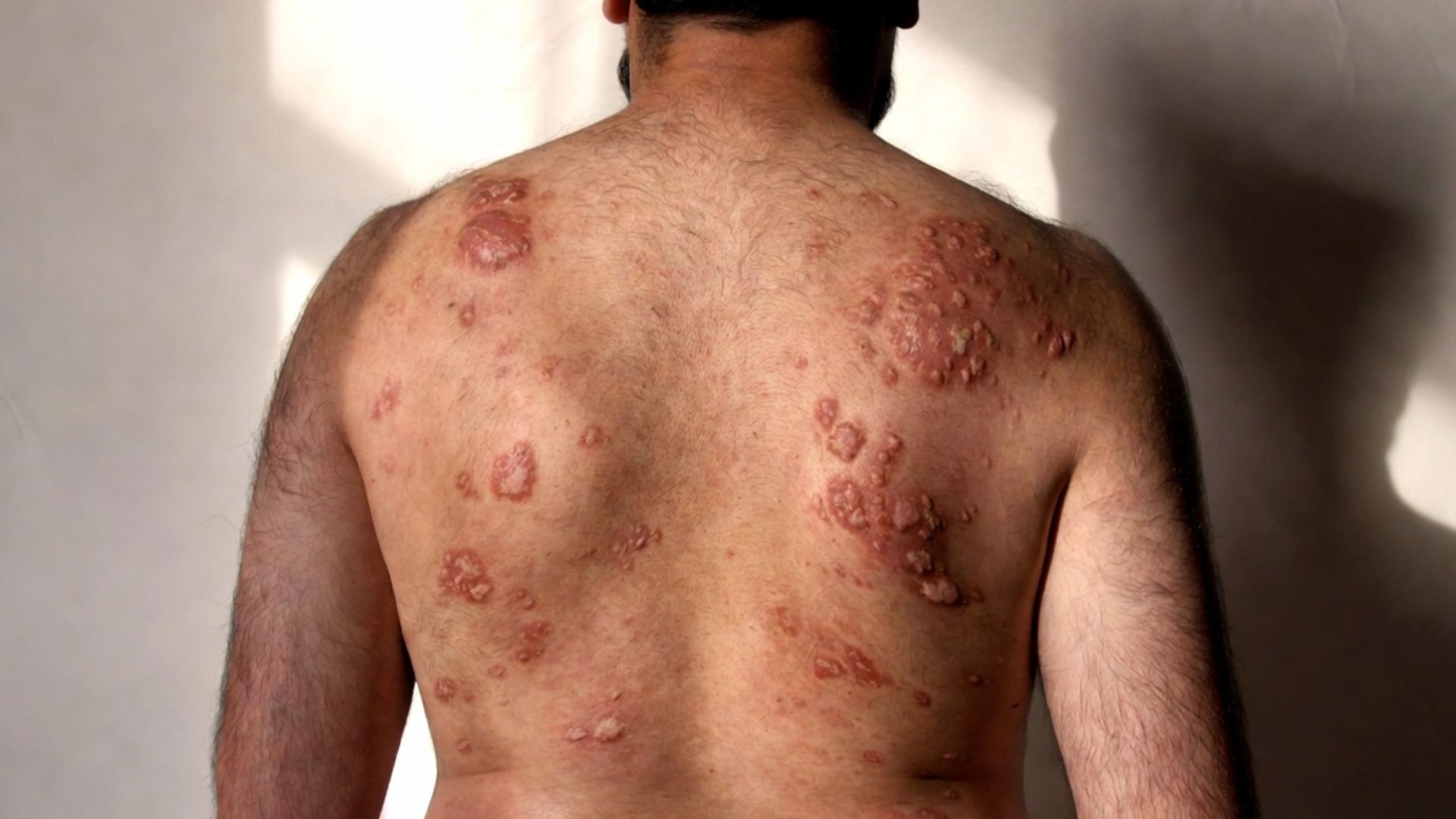
Chronic urticaria is a persistent skin condition characterized by recurrent hives, redness, and itching. This case study presents the clinical progression, treatment, and successful resolution of urticaria in a 20-year-old female patient, highlighting the effectiveness of systematic management.A 20-year-old female (Patient ID: 53694) presented with papular hives on her legs, back, hands, and face, accompanied by redness, intense itching, and a burning sensation. The symptoms worsened with cheese and paneer consumption. She also exhibited swelling on her lips and eyes (angioedema positive). The condition had persisted for three years, with a daily recurrence over the past six months. There was a remission period of one year before symptoms relapsed seven to eight months prior to presentation. Each episode lasted for 12-14 hours, primarily occurring from night to noon, with moderate to severe intensity and slow progression.
Past Medication
The patient had been taking cetirizine tablets three to four times per week for the past six months. Previously, she had taken Allegra 180 mg as needed for two months (four months before the visit) and had undergone two steroid courses (each for ten days) in November and December 2023.
Associated complaints
She also had a history of occasional elevated blood pressure (150/90 mmHg) over the past two years but was asymptomatic and not on any medication for hypertension.
Physical General
Her personal history includes a mixed average meal, a craving for sweets and chicken, an aversion to vegetables, decreased thirst (1 liter/day), and a chilly thermal preference. Her menstrual cycle was regular, with mild premenstrual abdominal cramps.
Personal History
She was a second-year B.Com student from Mithibai College, living in a well-supported family environment. Her father worked in the IT department at SBI Bank, her mother was a homemaker, and her sister was employed at BOD Company.
Mental Generals
Mentally, she was calm, adjusting, and a pampered child with a fear of ghosts/darkness, crowded thoughts, and a short temper.
Follow-Ups
First Follow-Up-21/03/2024
Slight improvement, but hives persisted with episodes every 2-3 days. Swelling of lips, redness, and itching worsened at night, disturbing sleep. Cetirizine taken as needed.
Second Follow-Up—23/04/2024
Episodes reduced to once per week. A major episode on April 16th with angioedema. Continued cetirizine once weekly.
On 20/09/2024
No hives, itching, redness, swelling, or burning sensation for 2-3 months.
On 22/11/2024
a 90% improvement was noted; no hive formation or discomfort was present. Patient was significantly improved.
On 25/01/2025
% improvement, no urticaria episodes for 4-5 months.
Her last follow-up was taken on 27/03/2025- No urticaria episodes in the last 6 months, confirming complete recovery.
Conclusion
This case highlights a successful resolution of chronic urticaria through systematic medical management and patient compliance. The patient experienced a gradual but steady improvement, ultimately achieving complete remission. This case underscores the importance of long-term monitoring and individualized treatment approaches for chronic urticaria.