


Dr. Rajesh Shah's Insights on Urticaria
Patients with urticaria from across the world have given us valuable insights into understanding and managing this condition more holistically. Urticaria must be viewed as an immunological disorder that requires treatment at the root-cause level. Genetic and hormonal factors can also influence its intensity and recurrence, making it an “immunological storm” in many patients.
While homeopathic medicines may not offer immediate relief in all severe cases, they can help reduce the frequency, severity, and recurrence of urticaria episodes over time. Homeopathy may also help lower dependency on antihistamines and cortisone in many patients. It is safe for children, pregnant women, and the elderly, making it a suitable long-term management option.

180+
Countries

4050+
Urticaria Patients Treated (November 2025)

30+
Team of Expert Doctors

40+
Years of Experience (Since 1985)

100% Satisfaction
If you are not satisfied after 6 weeks of treatment, you may return the unused medicines and request a refund for the unused portion of services, in accordance with our policy. No cure is assured within six weeks. For full terms, please visit our Detailed Refund Policy page.
What is Urticaria?
Patients with urticaria from across the world have given us valuable insights into understanding and managing this condition more holistically. Urticaria must be viewed as an immunological disorder that requires treatment at the root-cause level.
Genetic, hormonal, and autoimmune factors can influence flare-ups, making urticaria persistent in some individuals. Chronic urticaria treatment in homeopathy focuses on reducing the frequency and intensity of episodes over time.
While homeopathic medicines may not offer immediate relief in every severe case, many patients report gradual improvement and reduced reliance on antihistamines or steroids. Those exploring can homeopathy cure urticaria should understand that outcomes vary and the treatment aims at long-term control and stability rather than instant, short-lasting resolution.
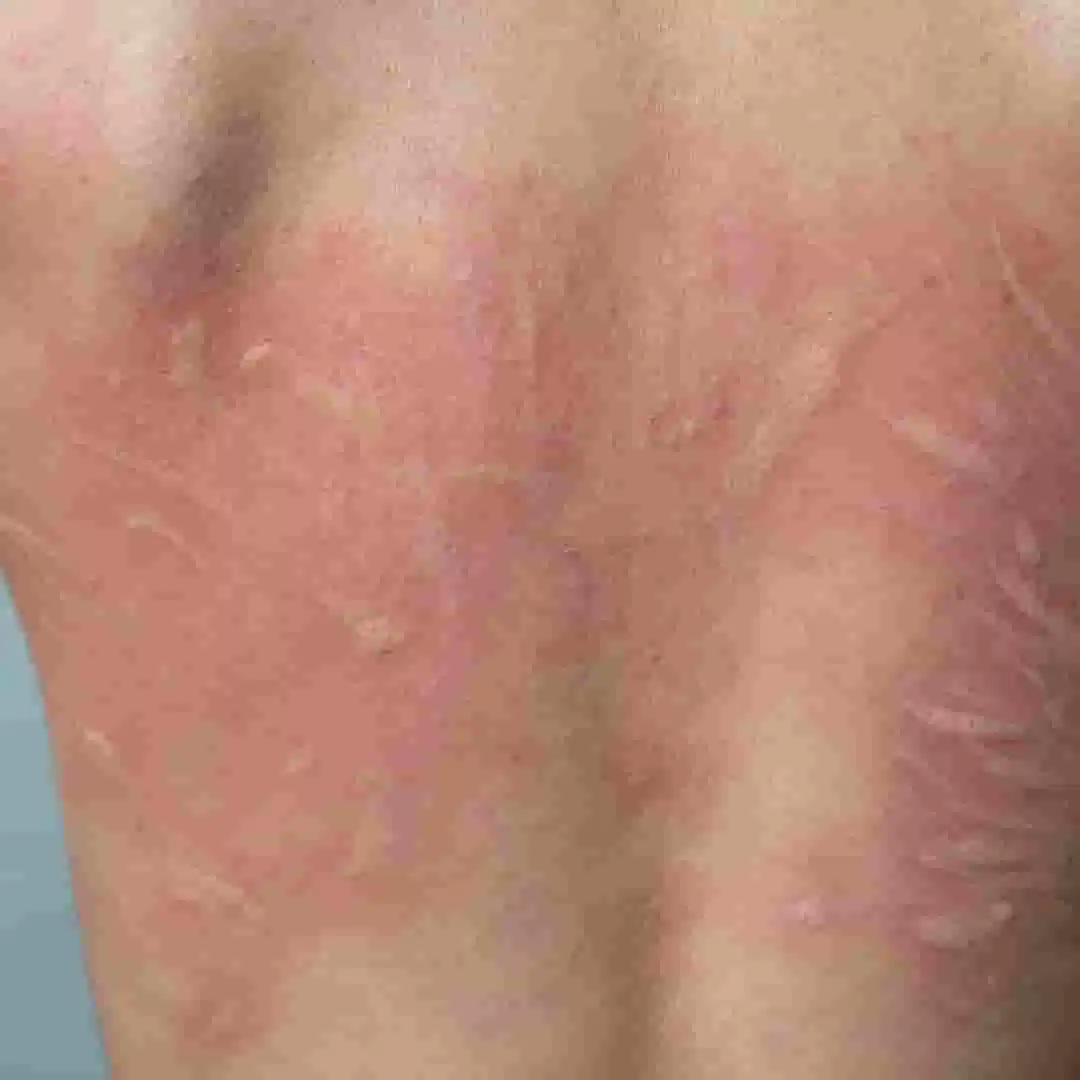
Understanding Urticaria
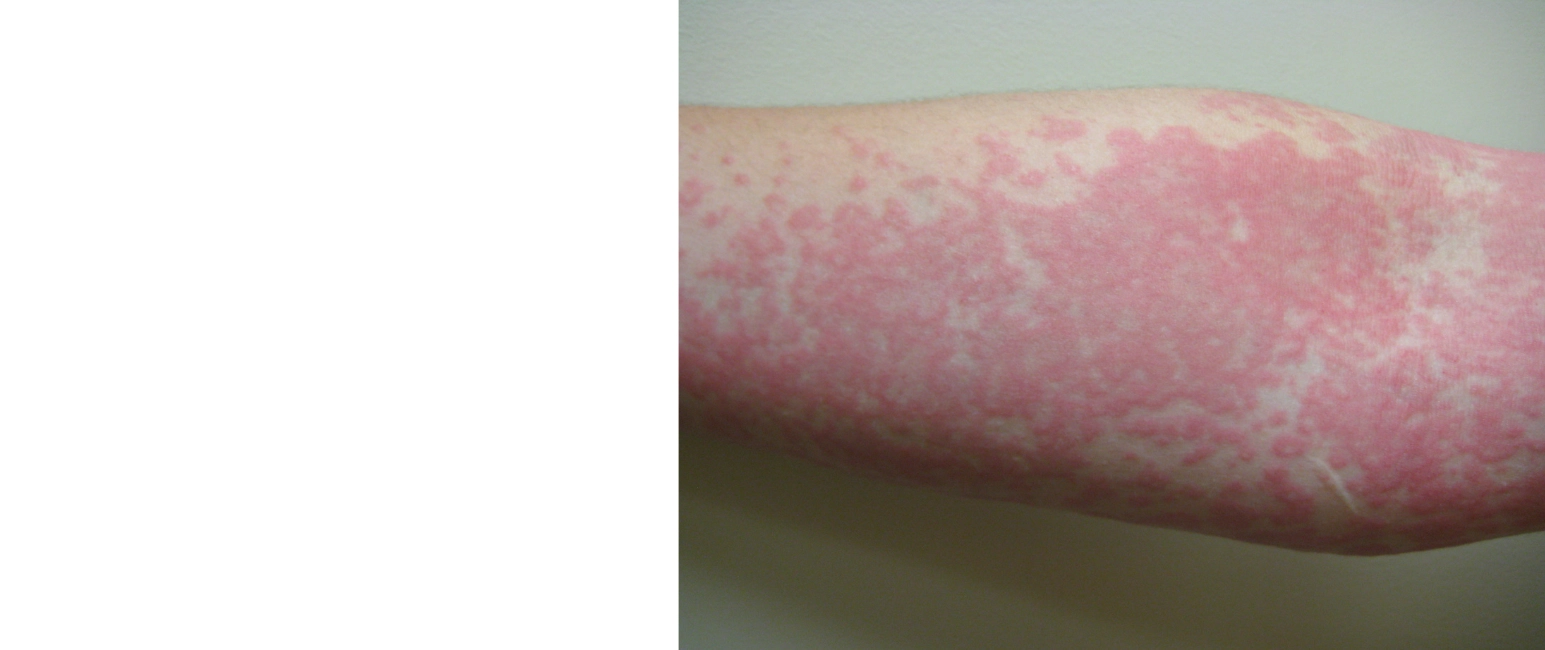







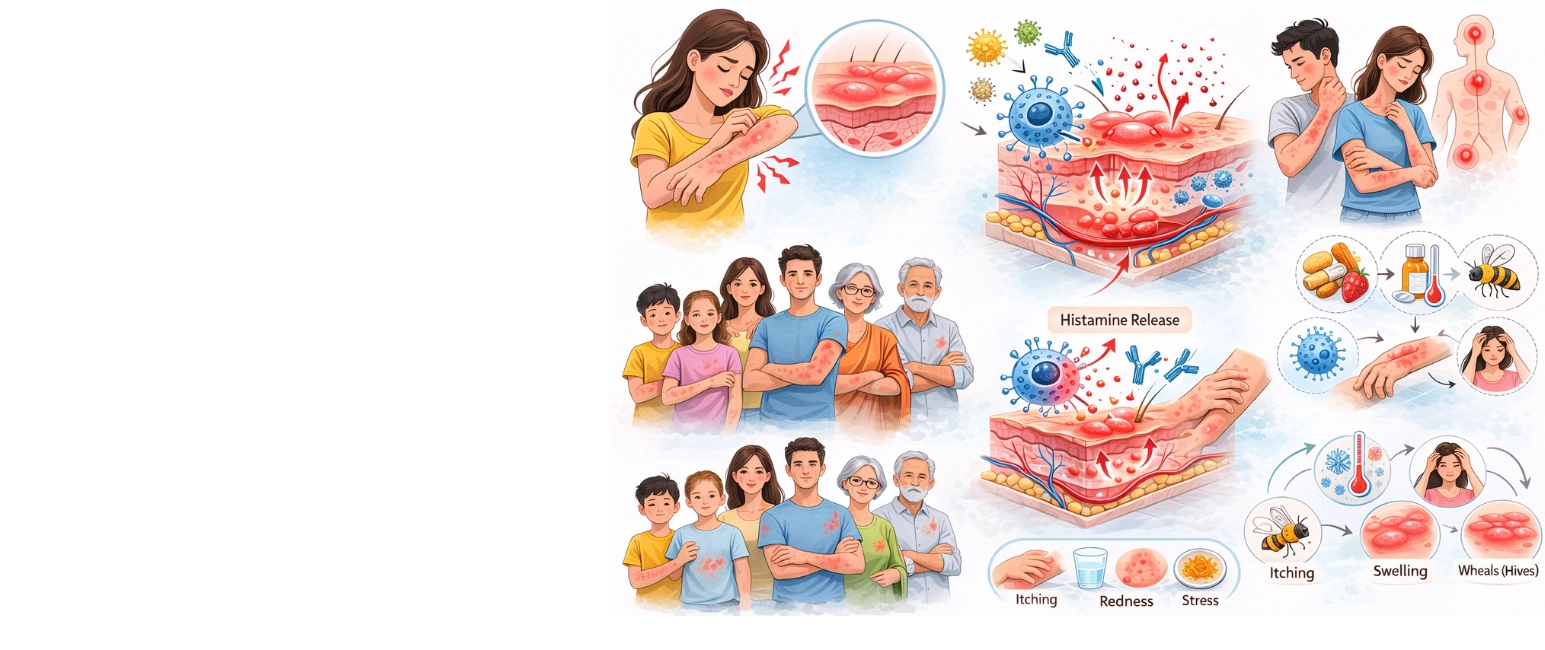





Types of Urticaria
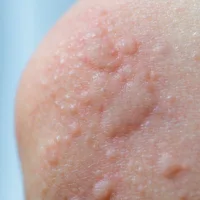
Acute Urticaria
Hives lasting less than six weeks, often linked to infections, foods, or medications.
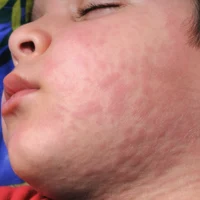
Chronic Urticaria
Hives lasting longer than six weeks, often requiring long-term chronic urticaria treatment in homeopathy or other supportive care.
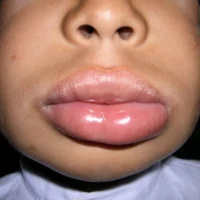
Angioedema
Deeper swelling under the skin, affecting eyes, lips, or throat, lasting longer and sometimes requiring urgent care.

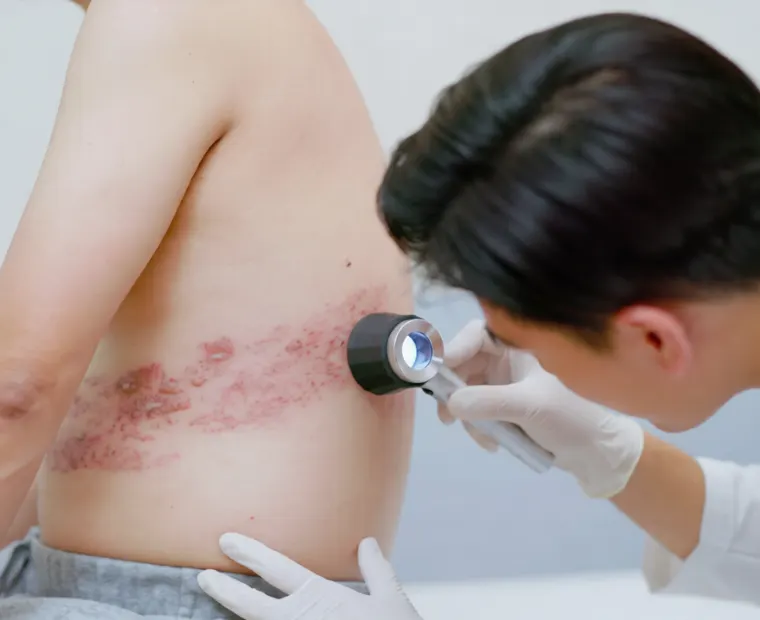
Dermatographism
Hives appearing after firm stroking or scratching the skin, forming raised lines or patterns within minutes.
Our Expertise
-
With 4,000+ documented urticaria cases from over 180 countries, we have developed a structured homeopathic protocol that has helped many patients reduce the frequency and intensity of hives.
-
Those with long-term use of antihistamines or corticosteroids may take longer to respond, but many can taper these medications under guidance.
-
Dr. Rajesh Shah’s research-based homeopathic medicines have further enhanced treatment outcomes.
-
At Life Force, we follow an integrated approach, combining medical expertise with homeopathic care to manage urticaria safely and effectively.
Homeopathy for Urticaria
Homeopathy for urticaria focuses on internal immune sensitivity rather than only suppressing external symptoms. Treatment is individualized and aims to provide steady, long-term control.
For patients seeking urticaria treatment in homeopathy, this approach may help reduce recurrence, improve symptoms, and support overall immune balance under professional guidance.
Case Studies
Urticaria
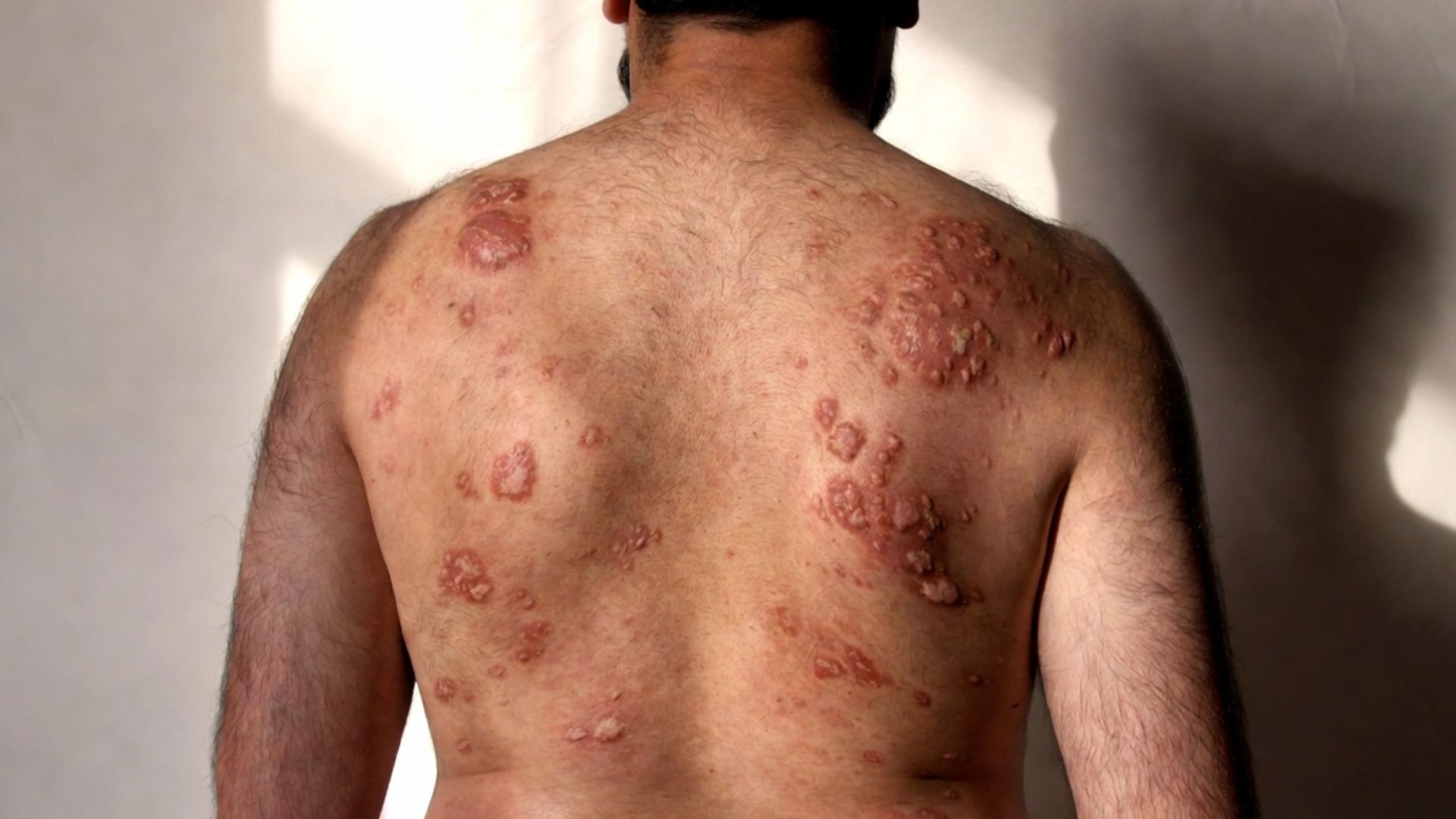
An American Aerospace Engineer Got a Phenomenal 80% Recovery from Urticaria in a Few Months with Homeopathy
A 50-year-old man, Mr. S. R. (LFMPL PIN: 14127) was suffering from urticaria since September 2022. He was previously treated…
Urticaria
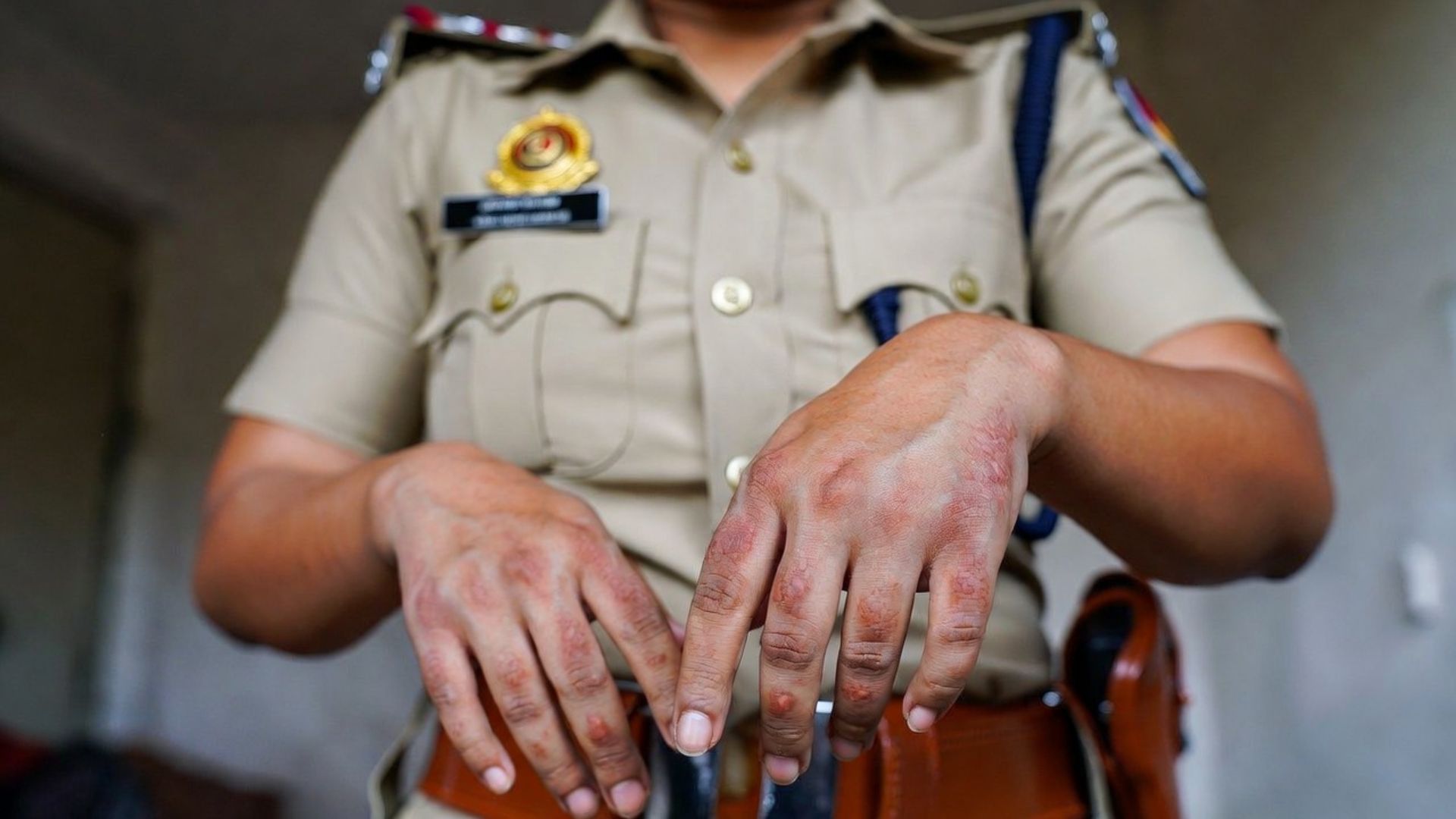
Policewoman with Chronic & Relapsing Urticaria Healed with Homeopathy That’s Helping Her Serve Nation Better
A 34-year-old female patient, Ms. B. D. (PIN: 50472) with the reference of her father taking treatment from Life Force,…
Urticaria
Homeopathy Healed an Urticaria Patient by Eliminating His Dependency on Antihistamines
A 32-year-old male patient, Mr. S. S. (PIN: 45591) visited Life Force and started homeopathic treatment for his complaints of urticaria on 18th June 2021.He was suffering…
-
Alopecia Areata
-
Ankylosing Spondylitis
-
Asthma
-
Child Asthma
-
Eczema
-
Frequent Colds
-
Hair Fall
-
Hepatitis C
-
Irritable Bowel Syndrome (IBS)
-
Lichen Planus
-
Psoriasis
-
Trigeminal Neuralgia
-
Ulcerative Colitis
-
Underactive Thyroid
-
Urticaria
-
Vitiligo
Your Curability Test Guide
Learn about the curability test and begin by selecting your condition from the left

STEP 01
Select your condition

STEP 02
Submit the Form

STEP 03
Get report Instantly
FAQ on Urticaria
Expert Answers to Common Questions
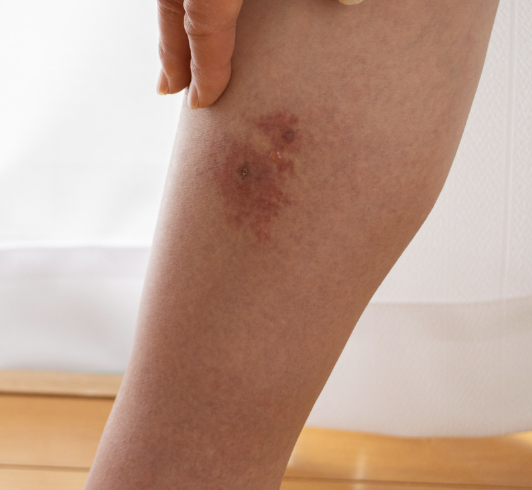
Urticaria is a skin condition characterized by itchy rashes or raised wheals caused by inflammation resulting from the release of histamine and other chemical mediators during an allergic or immune response.
Urgent medical attention is required if urticaria involves swelling of the lips, tongue, throat, or airway, as this can cause breathing difficulty. This condition is known as angioedema and may be potentially serious.
Acute urticaria refers to hives that last from a few hours up to six weeks. When urticaria persists beyond six weeks or occurs repeatedly over time, it is classified as chronic urticaria.
Urticaria is considered chronic if the symptoms last for more than six weeks or recur frequently over a prolonged period.
Urticaria is primarily diagnosed clinically through physical examination and patient history. In most cases, no specific tests are required. In rare or atypical forms, such as urticaria pigmentosa, a skin biopsy or additional investigations may be recommended.
Urticarial rashes result from the abnormal release of histamine. Conventional treatment mainly involves antihistamines, which help suppress histamine and control symptoms. Homeopathic treatment aims to address individual immune sensitivity and reduce recurrence.
Homeopathic treatment is individualized and based on the overall symptom profile, including the nature of the rash, triggers, genetic factors, hormonal influences, stress, and immune sensitivity. The goal is to support immune balance rather than only suppress symptoms.
It is not appropriate to claim that homeopathy can cure all cases of urticaria. However, clinical experience suggests that many individuals with chronic urticaria may achieve significant symptom reduction and long-term control with homeopathic treatment.
Homeopathy can generally be used alongside conventional medicines under medical supervision. As improvement occurs, conventional medications may be reduced gradually under the treating physician’s guidance.
In some cases, patients undergoing homeopathic treatment may be able to reduce their reliance on antihistamines over time. However, this should always be done under professional medical supervision.
Stress and emotional factors can influence immune and hormonal balance. Prolonged stress may alter cortisol levels, which regulate immune function, and this may contribute to urticaria flare-ups in susceptible individuals.
Related Diseases
Ask Dr. Rajesh Shah
Dr. Rajesh Shah, MD (Homeopathy), is a renowned Mumbai-based homeopath, recognized for treating patients from 180 countries, including celebrities and underprivileged individuals.
Contact Our Nearest Clinic