

Dr. Shah's Insights on Childhood Asthma
Childhood asthma is a common respiratory condition that can affect a child’s daily comfort, activity levels, and overall growth. It often presents with childhood asthma symptoms such as recurrent colds, cough, wheezing, and breathlessness. At Life Force, we offer Homeopathic Medicine for Child Asthma to strengthen immunity, ease respiratory discomfort, and help reduce the frequency of asthma episodes over time. Thousands of children have benefited from homeopathy for childhood asthma worldwide.

180+
countries

800+
Child Asthma Patients Treated

30+
Team of Expert Doctors

40+
Years of experience

100% Satisfaction
If you are not satisfied after 6 weeks of treatment, you may return the unused medicines for a refund of unused services as per our policy. Our team is available to guide you through the refund process. No cure is assured within six weeks. For full terms, please visit our Detailed Refund Policy page.
What is Child Asthma?
What is Child Asthma?
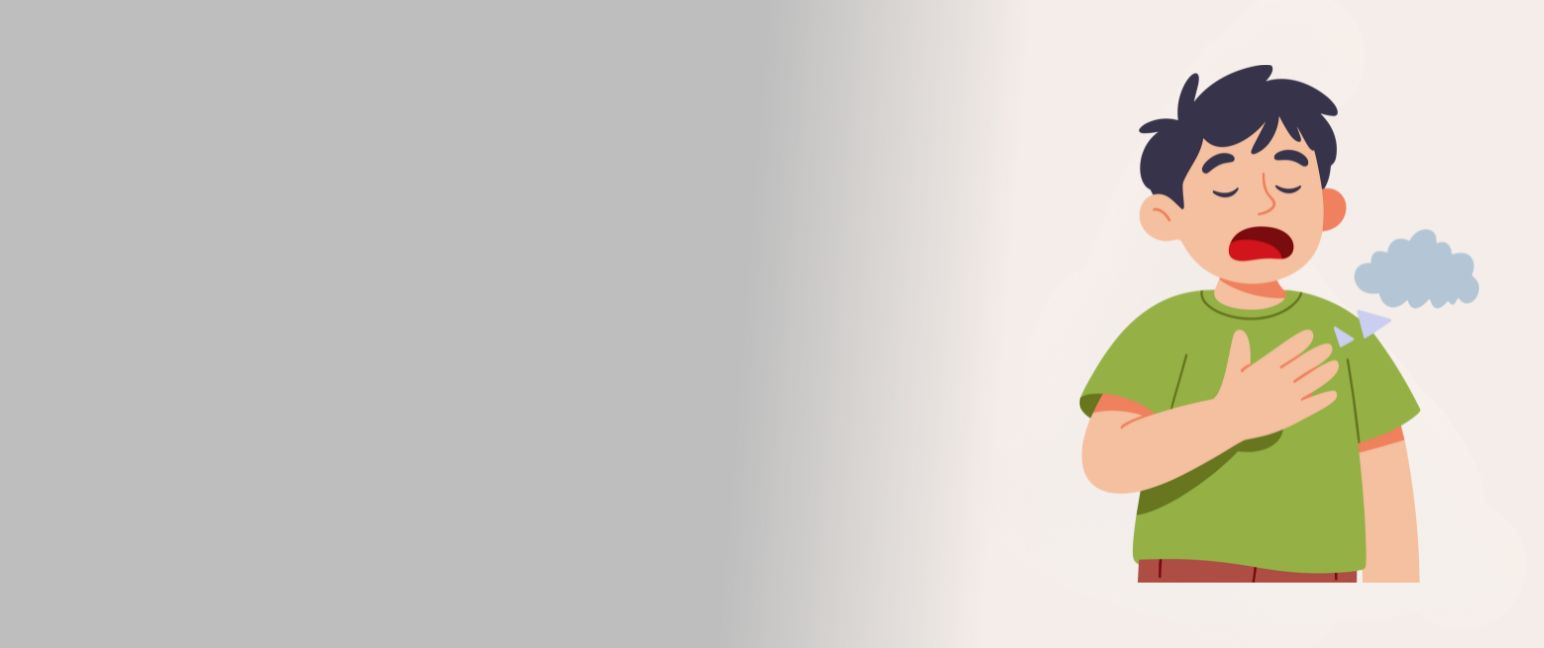
Child asthma, also known as childhood asthma, is a chronic inflammatory condition of the airways in infants and children. It causes symptoms such as recurrent cough, wheezing, breathlessness, and chest tightness. These symptoms often worsen at night, during exercise, or after exposure to triggers like dust, smoke, cold air, or allergens.
Childhood asthma may be associated with allergies such as eczema or allergic rhinitis. Early diagnosis and proper medical supervision are important to manage symptoms effectively and support long-term respiratory health.
Understanding Child Asthma
Types of Child Asthma
Allergic (Atopic) Asthma
Triggered by allergens such as dust mites, pollen, or pet dander. Symptoms often occur alongside other allergic conditions, such as eczema or allergic rhinitis.
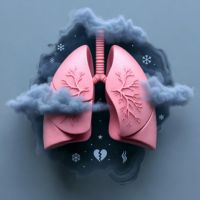
Non-Allergic (Intrinsic) Asthma
Can be triggered by factors like cold air, exercise, or infections. Children may show symptoms even without exposure to common allergens.
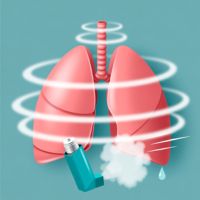
Exercise-Induced Asthma (EIA)
Symptoms such as coughing or shortness of breath typically start during or after physical activity. Often seen in active children and may occur even when rest-time breathing is normal.
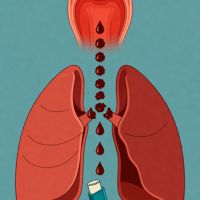
Cough-Variant Asthma (CVA)
Characterized mainly by a persistent dry cough, especially at night. Wheezing may be absent, making it easily mistaken for other conditions.

Our Expertise
• Based on our 40 years of clinical experience, Life Force recommends homeopathy for childhood asthma as a supportive, early treatment option. As of October 2025, we have documented 800+ cases of childhood asthma, many of which showed encouraging improvement with our treatment approach.
• We have treated children at various stages of asthmatic bronchitis. In many cases, homeopathic care has helped reduce the frequency of recurrent colds, coughs, and asthma episodes, while also supporting overall health and growth.
• Over the years, many parents have shared positive experiences describing how homeopathic treatment helped their children manage asthma symptoms more effectively (video testimonials available). By improving symptom control, we aim to support better school attendance and overall well-being, helping children move toward a healthier and more active future.
Homeopathy for Child Asthma
Homeopathy for childhood asthma focuses on supporting the child’s overall respiratory health and reducing the frequency and intensity of episodes over time. Remedies are selected based on individual symptoms and triggers, aligning with the efficacy of homeopathy in childhood asthma as observed in clinical practice. This gentle, child-friendly approach aims to support better immunity, fewer recurrences, and healthier day-to-day functioning.
Our personalized Homeopathic Medicine for Asthma care has helped many children manage asthma more comfortably as part of long-term care.
Case Studies
Child Asthma
How Homeopathy Helped a Child Overcome Asthmatic Bronchitis
A 4-year-old child (Patient ID: 55036) consulted at the Life Force Malleswaram branch on 14th July 2024 for treatment of…
Child Asthma
14 months old child was brought to the clinic for complaints of childhood asthma since 6 months. The child had started getting episodes of colds frequently that would end up in cough and breathlessness.
14 months old child, Master V. P., (Patient ref. no: L6619) was brought to the clinic by his parents for…
Child Asthma
Asthmatic Bronchitis Treatment for a 7-year-old Child led to him no longer using Inhalers and being Healed through Homeopathy
A 7-year-old boy visited Life Force Homeopathy for the treatment of his complaint of chronic and recurrent cough. He was suffering from it…
-
Alopecia Areata
-
Ankylosing Spondylitis
-
Asthma
-
Child Asthma
-
Eczema
-
Frequent Colds
-
Hair Fall
-
Hepatitis C
-
Irritable Bowel Syndrome (IBS)
-
Lichen Planus
-
Psoriasis
-
Trigeminal Neuralgia
-
Ulcerative Colitis
-
Underactive Thyroid
-
Urticaria
-
Vitiligo
Your Curability Test Guide
Learn about the curability test and begin by selecting your condition from the left

STEP 01
Select your condition

STEP 02
Submit the Form
STEP 03
Get report Instantly
FAQ
Expert Answers to Common Questions
Childhood asthma can begin at any age, including infancy or early childhood.
In many cases, asthma symptoms in children may reduce or resolve between the ages of 8 to 12 years. However, some children may continue to experience asthma into adulthood. It is not possible to accurately predict which children will outgrow asthma.
The duration of treatment depends on the severity and frequency of symptoms. Treatment is usually continued until asthma episodes are well controlled or significantly reduced. In some cases, homeopathic treatment may be required for one to two years or longer, based on individual response.
The homeopathic approach aims to support immune balance and address individual susceptibility. Asthma is considered to involve immune and environmental factors, and treatment is individualized accordingly.
There is no fixed rule. However, clinical experience suggests that children who have not been on long-term corticosteroids or immunosuppressive medicines, and those in the early stages of asthma, may respond more favorably.
Asthma may be associated with allergies, but it can also occur without identifiable allergic triggers. It is generally considered a hypersensitive state of the airways and immune system, influenced by allergic, environmental, and internal factors.
Yes, some children may experience asthma symptoms triggered by physical exertion, such as running or sports. This is commonly referred to as exercise-induced asthma.
Immediate medical attention is required if a child experiences severe breathing difficulty, wheezing that does not improve with usual medication, chest tightness, or signs of respiratory distress. Acute asthma attacks should always be managed promptly with appropriate medical care.
Children with asthma may benefit from avoiding known triggers such as extreme cold, chilled drinks, artificial food additives, excessive junk food, and exposure to smoke, dust, or pollution. Maintaining a healthy routine and good immunity is also helpful.
Yes, some children are sensitive to environmental and weather changes, such as cold air, rain, humidity, wind, or sudden temperature shifts, which may trigger asthma episodes.
The basic disease mechanism is similar in both. However, many children may outgrow asthma by adolescence, whereas adult-onset asthma is more likely to persist long term.
A recurrent or persistent cough, especially if associated with breathing difficulty, may be an early sign of asthma. However, a cough without wheezing can have many causes and does not always indicate asthma.
Homeopathic and conventional medicines may generally be used together under medical supervision. Conventional medicines help control acute symptoms, while homeopathic treatment aims to support long-term management and reduce frequency and severity of attacks.the
Related Diseases
Ask Dr. Rajesh Shah
Dr. Rajesh Shah, MD (Homeopathy), is a renowned Mumbai-based homeopath, recognized for treating patients from 180 countries, including celebrities and underprivileged individuals.
Contact Our Nearest Clinic