


Dr. Rajesh Shah's Insights on Sleeplessness Treatment
After treating over 1,100 cases of sleeplessness or insomnia (as of November 2025), Dr. Rajesh Shah, a senior homeopathic doctor specializing in insomnia, explains that insomnia often results from a combination of emotional stress, lifestyle habits, and underlying health factors that disrupt the body’s natural sleep rhythm. Sleeplessness treatment usually does not require sleeping pills; instead, it needs an approach that addresses the deeper causes behind it.
Although sleep is not yet fully understood, clinical experience shows that many patients respond well to homeopathic treatment of sleeplessness. In individuals who have been using sleeping pills or antidepressants for a long time, responses may be slower. Nevertheless, homeopathic methods and medicines have demonstrated definite value in the supportive management of sleeplessness.
Although sleep is not yet fully understood, clinical experience shows that many patients respond well to homeopathic treatment. In individuals who have been using sleeping pills or antidepressants for a long time, responses may be slower. Nevertheless, homeopathic methods and medicines have demonstrated definite value in the supportive management of sleeplessness.

180+
We have patientds from 180+ Countries

1100+
Sleeplessness Patients Treated (As on November 2025)

30+
Team of Expert Doctors

40+
Years of Experience (since 1985)

100% Satisfaction
If you are not satisfied after 6 weeks of treatment, you may return the unused medicines and request a refund for the unused portion of services, in accordance with our policy. No cure is assured within six weeks. For full terms, please visit our Detailed Refund Policy page.
What is Sleeplessness?
Sleeplessness, also known as insomnia, is a sleep disorder marked by difficulty in falling asleep, staying asleep, or achieving restful sleep, which can affect daily functioning and overall well-being. This condition often requires timely insomnia treatment to prevent long-term physical and emotional impact.
Some individuals struggle to fall asleep despite trying various measures, such as reading, listening to music, counting, or relaxing in bed. Others fall asleep but wake up frequently during the night and have difficulty returning to sleep. Some may wake very early in the morning and are unable to fall asleep again. As a result, many people wake up feeling unrefreshed, as though they have not slept properly.
There is no fixed number of hours of sleep suitable for everyone. On average, six to nine hours of sleep is considered adequate for adults, but the quality of sleep is often more important than the quantity.
Understanding Sleeplessness

Types of Sleeplessness
Transient Insomnia
Short-lasting sleep disturbance caused by stress or routine changes.
Short-Term Insomnia
Sleep issues lasting weeks, often linked to emotional or lifestyle strain.
Chronic Insomnia
Persistent sleep difficulty for months, affecting daily functioning.
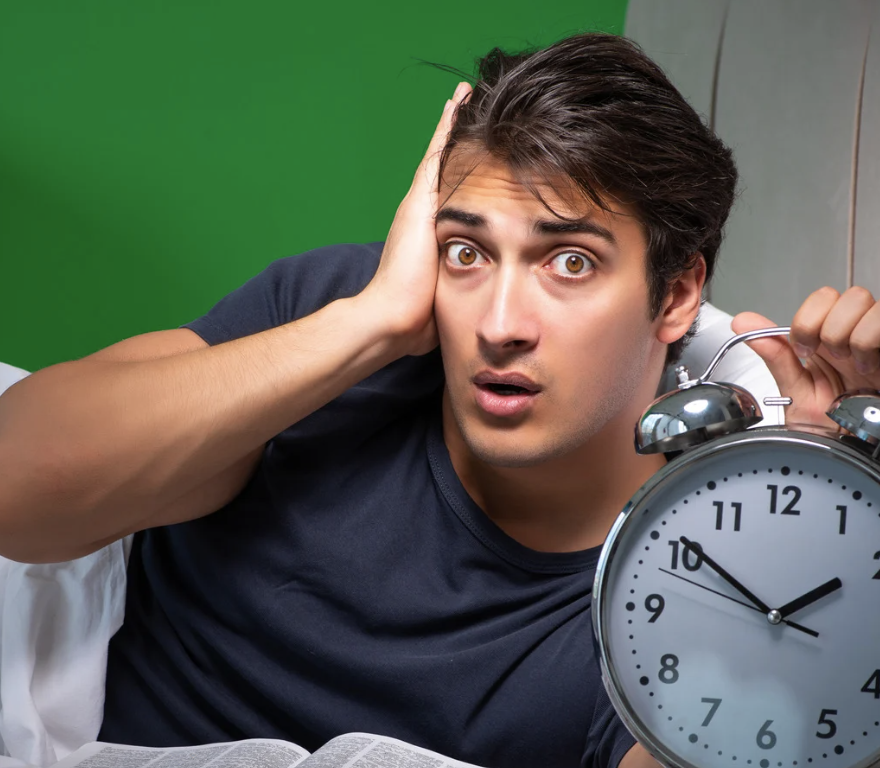
Onset Insomnia
Trouble falling asleep due to stress, overthinking, or irregular habits.

Our Expertise in Sleeplessness (Insomnia) Treatment
- At Life Force Homeopathy, under the care of Dr. Rajesh Shah, sleeplessness is not managed with sleeping pills. Following homeopathic principles, we focus on understanding the underlying causes by evaluating emotional factors, stress, lifestyle influences, and individual health patterns. Medicines are prescribed to help restore natural sleep without causing dependency.
- With decades of clinical experience, our treatment protocols address a wide range of sleep disorders—from mild difficulty falling asleep to long-standing insomnia associated with stress or medical conditions. Life Force emphasizes individualized treatment, regular monitoring, and patient education to support lasting improvement.
- Our approach combines research-based homeopathic care with guidance on daily routines, relaxation techniques, and diet. Homeopathy can be safely taken alongside conventional medicines, and, under medical advice, other drugs may be gradually reduced over time.
Homeopathy for Sleeplessness
Homeopathy treatment for sleeplessness aims to support healthier sleep by addressing factors such as stress, emotional strain, lifestyle habits, and underlying medical concerns. Remedies are chosen after a detailed evaluation of individual patterns and triggers. This approach encourages more natural rest over time, helps ease mental tension, and supports overall balance without creating dependency or suppressing symptoms
Case Studies

Sleeplessness
Sleeplessness and anxiety find excellent result with Dr. Shah’s medicines.
46 years old home maker, Mrs. H. B. B. (Patient Identification Number – 19467) visited Lifeforce clinic on 17th July,…
Sleeplessness
45 years old pre-primary teacher was 80% relieved of her sleeplessness
Mrs. V. R. D., pre-primary teacher, aged 45 years visited (Patient Identification Number – 17834) our Borivali clinic on 27th…
Sleeplessness
8 months old babys sleeplessness improved with Homeopathy
Parents of 8 months child (Patient Identification Number 15537) visited Life Force on 21st February 2011 for the treatment of…
-
Alopecia Areata
-
Ankylosing Spondylitis
-
Asthma
-
Child Asthma
-
Eczema
-
Frequent Colds
-
Hair Fall
-
Hepatitis C
-
Irritable Bowel Syndrome (IBS)
-
Lichen Planus
-
Psoriasis
-
Trigeminal Neuralgia
-
Ulcerative Colitis
-
Underactive Thyroid
-
Urticaria
-
Vitiligo
Your Curability Test Guide
Learn about the curability test and begin by selecting your condition from the left

STEP 01
Select your condition

STEP 02
Submit the Form

STEP 03
Get report Instantly
Sleeplessness FAQ
Expert Answers to Common Questions
There is no major difference between sleeplessness and insomnia. Insomnia is the medical term used to describe the condition of persistent difficulty in falling asleep, staying asleep, or getting restful sleep.
Sleeplessness is often a symptom and may be associated with several underlying conditions such as anxiety, depression, asthma, chronic pain, hormonal imbalance, and stress-related disorders.
If sleeplessness continues for more than one week or starts affecting daily functioning, mood, or health, it is advisable to consult a doctor for proper evaluation.
Yes, sleeplessness caused by temporary factors such as stress, lifestyle changes, or minor health disturbances may resolve on its own without medication.
Prolonged insomnia may affect overall health by impacting the cardiovascular system, metabolism, hormones, immune function, mental health, and concentration levels.
Yes, stress and anxiety can significantly disrupt sleep patterns by reducing sleep duration, causing frequent awakenings, and lowering sleep quality.
Yes, long-term sleep deprivation may impair memory, concentration, decision-making ability, emotional stability, and overall cognitive performance.
Homeopathic medicines may generally be taken alongside conventional medicines under medical supervision. As sleep improves, conventional sleeping pills may sometimes be reduced gradually, based on the doctor’s advice.
Some individuals may notice improvement within a few days. In chronic cases, it may take several weeks. Patients who are dependent on sleeping pills may require a longer duration for noticeable improvement.
Homeopathic treatment may help in managing chronic insomnia by addressing underlying triggers and restoring sleep patterns. However, treatment response varies from person to person, and results cannot be guaranteed.
Conditions such as anxiety disorders, depression, bipolar disorder, menopausal changes, chronic pain, asthma, hormonal disorders, pregnancy, and neurological conditions are commonly associated with insomnia.
Yes, online consultation is available for patients seeking professional guidance for sleeplessness and insomnia.
When prescribed by a qualified homeopathic physician, homeopathic medicines are generally considered safe for long-term use. They are non-habit-forming and aim to support natural sleep regulation.
Expert Answers to Common Questions
Sleeplessness FAQ
Related Diseases


Ask Dr. Shah
Dr. Rajesh Shah, MD (Homeopathy), is a renowned Mumbai-based homeopath, recognized for treating patients from 180 countries, including celebrities and underprivileged individuals.
Contact Our Nearest Clinic