
570+ Psoriatic Arthritis Patients Treated

Psoriatic Arthritis

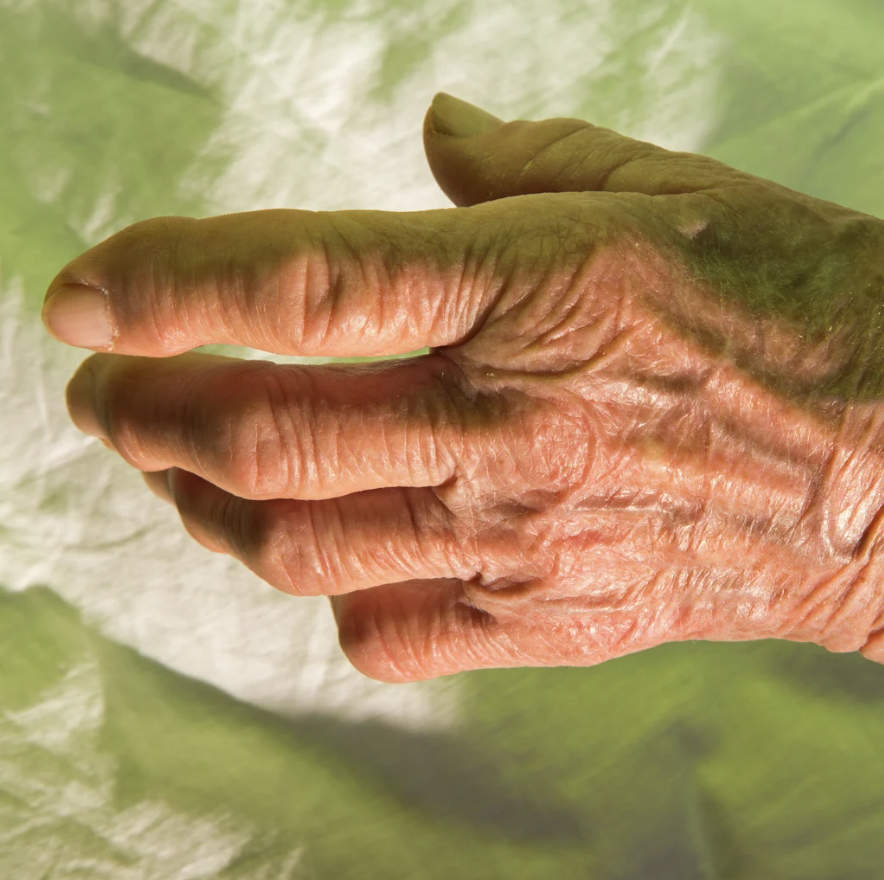
Psoriatic Arthritis is one of the most complex and challenging autoimmune diseases. It affects both the skin and the joints. This chronic, long-term inflammatory condition impacts multiple joints and the skin, leading to pain, stiffness, reduced mobility, and gradual deformity. Not every case of psoriasis progresses to Psoriatic Arthritis. Only a small number of cases may present with very severe symptoms and deformities. There is no quick solution; effective long-term management of Psoriatic Arthritis must be strategic, incorporating a well-considered integration of homeopathy and conventional medicine.

Psoriatic Arthritis

Dr. Rajesh Shah's Insights on Psoriatic Arthritis

In Dr. Rajesh Shah’s clinical experience, Psoriatic Arthritis is one of the most challenging conditions to manage. Many patients who approach us have already been treated with strong immunosuppressants such as methotrexate, which often makes the response to homeopathic treatment more limited. Tapering or discontinuing methotrexate can be difficult, as relapse is commonly seen soon after its withdrawal.

At Life Force, our experience suggests that success rates in Psoriatic Arthritis are modest, and expectations need to be realistic. While homeopathy may not reverse the condition in most cases, it can help support symptom control and slow disease progression to some extent, especially when used alongside careful medical supervision.

Our patients

180+

Countries

Patients Treated

570+

Psoriatic Arthritis Patients Treated (Oct 2025)

30+

Team of Expert Doctors

40+

Years of Experience

100% Satisfaction

If you are not satisfied after 6 weeks of treatment, you may return the unused medicines and request a refund for the unused portion of services, in accordance with our policy. Our team is available to assist you through the refund process. No cure is assured within six weeks. For full terms, please visit our Detailed Refund Policy page.

What is Psoriatic Arthritis?

Psoriatic Arthritis (PsA) is a chronic autoimmune condition that affects the joints and connective tissues, often in people with psoriasis. It causes joint pain, swelling, stiffness, and fatigue. About one-third of people with psoriasis may develop PsA.

In some cases, joint symptoms appear before skin lesions, and a few people may not show visible psoriasis at all. PsA can occur at any age but is most common between 30 and 50 years and affects men and women equally. Early diagnosis and timely care are important to reduce joint damage and maintain mobility.

Understanding Psoriatic Arthritis

Understanding Psoriatic Arthritis

Overview

Psoriatic arthritis is a chronic, progressive inflammatory condition that affects joints and connective tissues, often occurring in people with psoriasis. It leads to pain, swelling, stiffness, and fatigue, and may appear before or after skin lesions. Some individuals never develop obvious skin patches. It affects men and women equally, most often between ages 30 and 50, though it can appear at any age, and around one-third of people with psoriasis may develop joint involvement over time.

Homeopathy Approach

Psoriatic arthritis is an autoimmune condition that can lead to permanent joint damage if left untreated. While there is no definitive cure, various treatment approaches can help control inflammation, reduce pain and stiffness, and protect joint function. Homeopathic care aims to support the body’s natural healing processes, help slow disease progression, ease discomfort, and maintain daily activity and mobility—without relying solely on strong suppressive medicines. Homeopathy can be used alongside conventional treatment as part of an integrated care approach.

Homeopathy Scope

The scope of treatment for psoriatic arthritis varies from person to person and depends on factors such as disease severity, degree of joint involvement, and duration of illness. Early and mild cases often show better improvement. Moderate or long-standing cases may also respond, especially when potent immunosuppressants have been used sparingly. More severe or advanced cases, including those with joint deformities, may experience partial relief from pain and stiffness rather than complete recovery.

Homeopathic Action

Homeopathic treatment seeks to reduce pain, stiffness, swelling, and inflammation by addressing underlying immune imbalance rather than temporarily suppressing symptoms. Remedies focus on long-term stability, supporting immune regulation, reducing recurrence tendencies, and slowing disease activity. They may be used alongside NSAIDs initially for relief. Treatment aims to ease joint discomfort, support healthier skin, regulate the immune response, and improve overall resilience as part of a comprehensive management plan.

Treatment Duration

Because psoriatic arthritis is chronic and progresses differently in each individual, the duration of homeopathic treatment cannot be predicted precisely. It depends on many factors, such as how long the disease has been present, the severity and intensity of joint symptoms, the degree of joint damage, involvement of other organs, the patient’s age, vitality, genetic tendencies, and previous exposure to conventional therapies. The treatment duration is a minimum of 2 years.

Key Medicines

Homeopathic remedies commonly used for psoriatic arthritis include Kali carbonicum, Rhus toxicodendron, Calcarea fluorarum, Silica, Natrum muriaticum, Sulphur, Thuja occidentalis, Sepia, Medorrhinum, and others selected based on detailed case analysis. Treatment at advanced centers may also include research-based formulations developed by specialists for added support. Each prescription is tailored to the individual’s physical, emotional, and genetic factors, ensuring the remedy aligns with the patient’s overall symptom pattern and long-term health needs.

Disease Mechanism

Psoriatic arthritis arises from a complex interaction among genetic predisposition, immune system activity, and environmental triggers. Stressors or antigens near the entheses may disrupt immune responses, causing angiogenesis, T-cell activation, and cytokine release. Factors like HLA-B7 increase susceptibility. Pro-inflammatory cytokines, including TNF-α and various interleukins, play significant roles. Imaging studies show involvement not only in joints and skin but also in entheses, joint capsules, and tendon sheaths, highlighting its multi-tissue nature.

Disease Prevalence

Studies show that between 6% and 42% of individuals with psoriasis may eventually develop psoriatic arthritis, often appearing 5 to 12 years after the onset of skin symptoms. Both men and women are equally susceptible. The condition most commonly starts between ages 30 and 55, but can occur at any stage of life, including childhood. In children, the onset most often occurs between ages 11 and 12. Although the risk of joint involvement is higher in people with psoriasis, not everyone will develop it.

Possible Causes

Although the exact cause is unknown, genetics play a major role in psoriatic arthritis. Around 40% of affected individuals have a family member with psoriasis or psoriatic arthritis. Environmental triggers such as infections, injuries, or emotional stress may activate the condition in genetically predisposed individuals. As an autoimmune disorder, the immune system mistakenly targets healthy joints and tendons, treating them as foreign tissues, which leads to chronic inflammation and the wide range of symptoms seen in PsA.

Common Symptoms

Psoriatic arthritis symptoms may develop slowly or progress rapidly. Common signs include swollen, sausage-like fingers or toes; tender, painful joints; red, scaly skin plaques; morning stiffness; reduced range of motion; and back, neck, or heel pain. Nail changes such as pitting or nail separation may occur, as may eye inflammation. The severity of skin psoriasis does not necessarily correlate with joint severity. Early recognition and management are key to reducing long-term joint complications and maintaining quality of life.

Psoriatic Arthritis Types

Psoriatic arthritis presents in five recognized forms. Symmetrical PsA affects matching joints on both sides of the body. Asymmetric or oligoarticular PsA involves fewer joints, unevenly distributed. Distal predominant PsA affects joints near the nails. Psoriatic spondylitis impacts the spine from the neck to the lower back. Arthritis mutilans is a rare but severe, destructive type that causes loss of joint function. Each type varies in severity, progression, and tissues involved, influencing long-term care needs.

Diagnostic Process

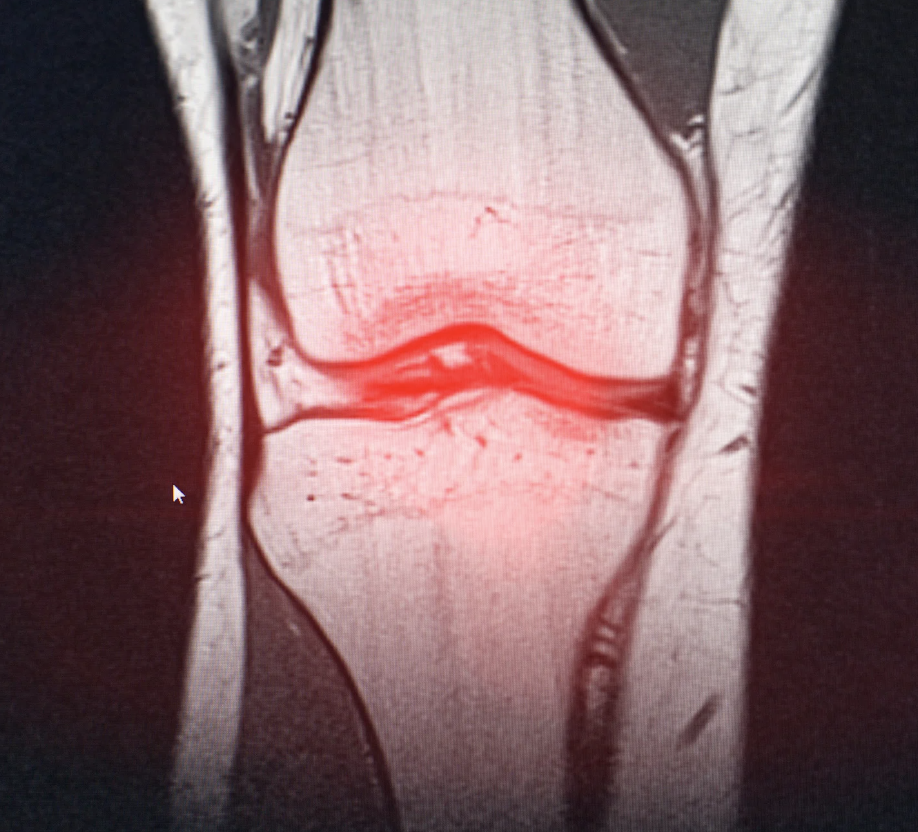
Diagnosis can be challenging because PsA shares symptoms with other arthritic conditions. Doctors rely on medical history, physical examination, blood tests, X-rays, and MRI scans to distinguish it. Features like dactylitis, nail changes, and asymmetrical swelling support the diagnosis. Early X-rays may not reveal changes, but later stages may show typical findings such as the “pencil-in-cup” deformity. Identifying the condition early helps limit joint damage and improve management strategies over time.

Supportive Measures

Supportive care plays an important role in psoriatic arthritis management. A balanced routine combining medication, diet, exercise, hot or cold applications, physical therapy, and good posture practices helps reduce stiffness and maintain mobility. Isometric exercises strengthen muscles without stressing inflamed joints. Physical and occupational therapy improve joint function and daily activity performance. All supportive treatments should be chosen with guidance from a healthcare professional to ensure safety and suitability.

Helpful Diet

Since psoriatic arthritis involves inflammation, foods with anti-inflammatory or antioxidant effects may help. Avocados, leafy greens, fatty fish, and green tea support overall joint health. Adequate calcium and vitamin D strengthen bones. Avoiding processed meats, refined sugars, alcohol, and trans-fats can reduce flare-ups. These foods also influence weight, and excess weight adds strain to joints. Understanding how medications affect nutrient levels, such as folic acid with methotrexate, is also essential for balanced health.

Conventional Care

Conventional treatment options include NSAIDs for pain relief, DMARDs and sulfasalazine to control inflammation, and biologic agents that target specific immune pathways. These therapies aim to manage symptoms and slow the progression of structural joint changes. In advanced cases with severe joint destruction, reconstructive surgery may be considered. The choice of treatment depends on symptoms, severity, affected joints, and overall health, with regular monitoring to ensure long-term safety and effectiveness.

Types of Psoriatic Arthritis

Asymmetric Psoriatic arthritis

Asymmetric Oligoarthritis

Affects a few joints unevenly, often causing mild to moderate swelling and discomfort.

Symmetrical Psoriatic arthritis

Symmetric Polyarthritis

Involves joints on both sides of the body, resembling rheumatoid arthritis in its presentation.

Distal Psoriatic arthritis

Distal Interphalangeal Predominant (DIP)

Primarily affects the small joints near the nails, leading to pain, stiffness, and nail changes.

Axial psoriatic arthritis

Spondylitis (Axial Psoriatic Arthritis)

Involves the spine and sacroiliac joints, causing back stiffness and reduced flexibility.

Our Experience in Psoriatic Arthritis

Our Expertise

  • At Life Force Homeopathy, Dr. Rajesh Shah’s clinical experience indicates that homeopathy has a limited yet meaningful role in managing Psoriatic Arthritis. While a complete cure may not be possible, individualized assessment helps design a gentle, patient-specific treatment plan to support long-term joint comfort and improve daily functioning.
  • Experience in Managing Autoimmune and Chronic Conditions

With over four decades of clinical experience, Life Force has managed numerous autoimmune and chronic inflammatory conditions, including Psoriatic Arthritis. Our approach focuses on understanding immune-driven inflammation and addressing underlying tendencies, helping patients reduce pain and stiffness, improve mobility, and slow disease progression.

  • Integrated Care for Skin and Joint Involvement

Psoriatic Arthritis affects both the skin and joints, making an integrated care approach essential. Treatment is planned to support skin health, moderate inflammatory responses, and maintain joint mobility. For best outcomes, homeopathy is often used alongside conventional medical treatment, under professional guidance, to help patients achieve a better quality of life while managing this challenging condition.

Homeopathy for Psoriatic Arthritis

Homeopathy offers a controlling measure through an individualized approach to managing Psoriatic Arthritis. At Life Force Homeopathy, treatment aims to reduce inflammation, improve mobility, prevent deformity, and enhance daily comfort. Guided by Dr. Rajesh Shah’s clinical experience, homeopathy seeks to achieve long-term symptom management and improved quality of life.

View All

Case Studies

Life Force Homeopathy Case Study

Psoriatic Arthritis

I wanted long-lasting solution for my Psoriasis and Psoriatic arthritis; I achieved it at Life Force

Mr. H.G.S. (Patient Identification Number: 21464) aged thirty-eight years visited Life Force on 6th August 2013 for the treatment of…

Read More
Life Force Homeopathy Case Study

Psoriatic Arthritis

A Patient Got A Good Relief From Psoriatic Arthritis By Homeopathy At Life Force

A 51-years old lady, Mrs S.L. (Pin no- 28121) visited our Pune’s Life Force centre on 1st March 2016 with the…

Read More
Life Force Homeopathy Case Study

Psoriatic Arthritis

Associated with the skin complaints also had pain in both the knees with occasional swelling since last 2 years

Mr. R .J (Patient Ref. No. L-6973) aged 43 yrs, reported to the clinic on August 10, 2004 with psoriatic…

Read More
Life Force Homeopathy Case Study

Psoriatic Arthritis

I am almost 100% rid of my psoriasis and the joint pain and stiffness of Psoriatic arthritis is 95% better!!

Mrs. R.Y. (PIN no. 10909) was a known case of Psoriasis since 8 yrs. She had taken multiple treatments for…

Read More
Life Force Homeopathy Case Study

Psoriatic Arthritis

Psoriatic Arthritis was effectively treated with Dr. Shah’s medicines

55 years old head of marketing department, Mr. A. D. G. (Patient Identification Number – 19818) visited us on 9th…

Read More
Life Force Homeopathy Case Study

Psoriatic Arthritis

Palmar psoriasis responded very well to homeopathic medicines within short span of time.

Mrs ST (PIN no.18502) 59 yrs old house wife from Karnatak registered online in March 2012.She was suffering from semi…

Read More

    Your Curability Test Guide

    Learn about the curability test and begin by selecting your condition from the left

    STEP 01

    Select your condition

    STEP 02

    Submit the Form

    STEP 03

    Get report Instantly

    Patients Testimonials

    d

    Life Force medicines are purely safe and there are no side effects. my daughter has been using it for 4 months and she herself is experiencing the difference. Doctors and staff both are very good and co-operative. Doctors cheer up the patients in a friendly manner which matters a lot

    Leena Mileend Mahajan, Kothrud, Pune

    I am satisfied that the doctors take detailed history and help me. Also Dr. Ishwari is friendly and keeps me motivated.

    Manisha Bharat Kamble, Pune

    Happy With Treatment, Staff is coordinating and guides me very well. I like the ambiance of the clinic. Both the doctors are all the time approachable. Would continue my treatment for further relief.

    Dr. Ruta Ruturaj Chalke, Navi Mumbai

    Good environment. Doctor Mansi is very kind and polite. Counter person is good to talk and explains everything properly. Everyone is co-operative.

    Mahesh Mallesh Jogi, Jogeshwari (West)

    I am taking medicine for Lichen Planus for Oct 2015. Much difference. Now I can eat something. I feel better 60% improvement is there. Thank you.

    p7

    Dr. Krutika has been quite helpful with my condition and has helped me with the ups and loops of the disease. I wish her the best.

    Ramesh Ambritch Manrakhan, Maurtitus

    "Extremely pleased to the office and Life Force. Nice staff, pleasant atmosphere and of course Dr. Shah is very efficient and pleasant person. Thanks and wish you all a Very Happy New year 2015."

    p2

    Response of Dr Krutika is very helpful. thanks.

    Ruchika

    Good consultation and proper communication with my first visit very nice staff.

    Satish Eknath Kolhe, Pune

    Excellent service and information provided by LifeForce. Keep up the Good work.

    View All

    Ask Dr. Shah

    Dr. Rajesh Shah, MD (Homeopathy), is a renowned Mumbai-based homeopath, recognized for treating patients from 180 countries, including celebrities and underprivileged individuals.

    Contact Our Nearest Clinic