1230+ Nephrotic Syndrome Patients Treated

Nephrotic Syndrome

Nephrotic Syndrome is a kidney disorder marked by excessive protein loss in urine due to abnormal filtration in the kidneys. This leads to swelling of the face, legs, and abdomen, along with low albumin levels and raised cholesterol. It is a complex immune-mediated condition and can be difficult to resolve completely. However, homeopathic treatment may help manage the condition by reducing the frequency, severity, and duration of relapses. Based on experience with over 1,200 cases, a careful, individualized, and long-term approach is followed.

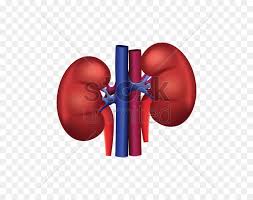
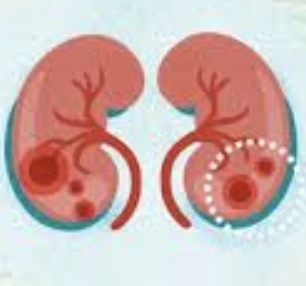
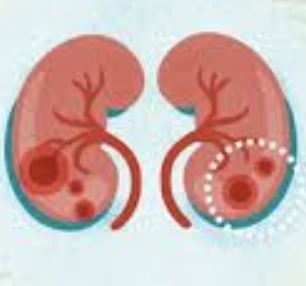
Nephrotic Syndrome Image

Dr. Rajesh Shah's Insights on Nephrotic Syndrome

Nephrotic Syndrome is a complex condition that is often best managed through an integrated approach rather than a single system of medicine. Combining conventional treatment with homeopathy may offer improved long-term management, including in conditions such as IgG nephropathy.

Conventional immunosuppressants are essential for controlling acute kidney inflammation and protein loss. When used alongside standard care, homeopathy may help address underlying immune imbalance, reduce relapse frequency, and support a gradual reduction in drug dependence under medical supervision.

Based on clinical experience, including homeopathy as a supportive component can add value to comprehensive Nephrotic Syndrome management.

180+ countries

180+

Countries

Patients Treated

1200+

Nephrotic Syndrome Patients Treated

30+

Team of Expert Doctors

40+

Years of Experience

100% Satisfaction

If you are not satisfied after 6 weeks of treatment, you may return the unused medicines and request a refund for the unused portion of services, in accordance with our policy. Our team is available to assist you through the refund process. No cure is assured within six weeks. For full terms, please visit our Detailed Refund Policy page.

What is Nephrotic Nephrotic Syndrome?

Nephrotic Syndrome is a kidney disorder caused by increased leakage of proteins through the kidney’s glomerular filtration system, leading to excessive protein loss in the urine. This results in swelling of the face, legs, and feet, along with low blood albumin levels, increased blood fats, and a higher tendency for infections and blood clotting.

The condition may develop suddenly or progress gradually and can affect individuals of all ages. It is most commonly seen in children, particularly boys, while adults are affected equally across genders. Nephrotic Syndrome is a complex, long-term immune-mediated disease that requires careful and sustained management.

Understanding Nephrotic Syndrome

Understanding Nephrotic Syndrome

Homeopathy Treatment

Homeopathy can play an important supportive role in the management of Nephrotic Syndrome. Conventional therapy alone may not always be sufficient for long-term control of this chronic condition. Homeopathic treatment offers internal support through carefully selected medicines in highly diluted doses.

Used alongside standard medical care, homeopathy may help reduce the frequency and intensity of relapses, support kidney function, improve resistance to infections that often trigger episodes, and assist in the gradual reduction of steroid dependence under medical supervision. This integrative approach aims to support more sustainable, long-term disease management.

Homeopathy Scope

Homeopathy can be used independently in early or mild nephrotic syndrome, often providing encouraging outcomes. In moderate or severe cases, it works alongside conventional treatment to help minimize further kidney damage and improve symptom control. In advanced or recurrent conditions, homeopathy offers supportive benefits by reducing episode frequency, enhancing comfort, and helping stabilize the patient’s overall health.

Homeopathy Benefits

Homeopathy may help regulate autoimmune processes, reduce protein leakage, and support healthier glomerular function. It also aims to address genetic or individual tendencies contributing to the disorder. By strengthening overall immunity, it may help reduce recurring infections that trigger episodes. The approach works on underlying immunological factors, helping patients experience better stability and improved long-term comfort.

Treatment Duration

Nephrotic Syndrome is a chronic and recurrent condition, making consistent and long-term treatment essential. The duration of care varies widely and depends on factors such as the length of illness, frequency and severity of episodes, degree of kidney involvement, underlying causes, immune status, prior use of steroids or other immunosuppressive medicines, and associated health conditions. In many cases, 18 to 24 months or longer of ongoing treatment may be usually required.

Medicine Selection

Homeopathic medicines are selected after a thorough evaluation of symptoms, triggering factors, individual constitution, and genetic tendencies. This personalized approach aims to stimulate the body’s natural healing responses and support kidney recovery. Given the complexity of Nephrotic Syndrome, such cases are best managed by experienced homeopathic physicians who have handled at least 50-60 similar cases.

Common Remedies

There are over 30 commonly used homeopathic medicines employed in the management of Nephrotic Syndrome. Some frequently prescribed remedies include Natrum muriaticum, Eel Serum, Lycopodium clavatum, Phosphorus, Apis mellifica, Carcinosinum, Kali carbonicum, and Arsenicum album, among others. The choice of medicine depends on the individual’s symptoms, disease pattern, and overall constitution.

Disease Process

Nephrotic Syndrome develops when inflammation or structural changes in the kidneys increase glomerular permeability, allowing excessive protein to leak into the urine. The resulting drop in blood albumin lowers oncotic pressure, causing fluid to shift into body tissues and leading to swelling (edema).

In response, the liver increases protein and lipid production, which can lead to elevated cholesterol and other blood lipids (hyperlipidemia). Disruption of regulatory mechanisms may also increase the risk of blood clot formation. Overall, Nephrotic Syndrome involves multiple interacting processes, making it a complex and multifactorial condition.

Disease Prevalence

Nephrotic Syndrome can appear from infancy to adolescence, but is uncommon during the first year except in congenital forms. Global prevalence is about 16 per 100,000, with an annual incidence of 2–7 per 100,000 children. Boys are more frequently affected in early childhood. Minimal Change Disease accounts for most childhood cases, while FSGS represents about 10%. Despite treatment advances, risks persist in severe forms.

Causes

Nephrotic Syndrome arises from multiple factors and may originate from primary kidney disorders or secondary systemic conditions. Minimal Change Disease is the most common primary cause in children. Both primary and secondary forms damage the glomeruli, increasing permeability and protein loss. Identifying the cause helps guide treatment decisions and supports better long-term management of the condition.

Primary Type

Primary nephrotic syndrome includes Minimal Change Disease, FSGS, Membranous Nephropathy, MPGN, and RPGN. These conditions are diagnosed after excluding secondary causes and are identified by distinct histological patterns seen in biopsy. Although their mechanisms differ, they all impair glomerular filtration and lead to significant protein loss, swelling, and changes in kidney function requiring long-term care.

Secondary Type

Secondary nephrotic syndrome occurs due to systemic diseases such as lupus, diabetes, amyloidosis, infections, malignancies, drug reactions, and certain genetic disorders. Adults may also present with IgA nephropathy or related conditions. Triggers include hepatitis infections, autoimmune activity, prolonged medication exposure, or systemic inflammation. These factors damage glomeruli and result in significant protein leakage and fluid imbalance.

Symptoms of Nephrotic Syndrome

Symptoms arise from fluid retention and protein loss. Puffiness around the eyes, ankle swelling, foamy urine, and weight gain due to fluid buildup are common. Fatigue, reduced appetite, abdominal discomfort, breathing difficulty from fluid around the lungs, generalized edema, reduced urine output, and headaches linked to hypertension may occur. These symptoms reflect disturbed filtration and altered electrolyte balance.

Nephrotic Syndrome Diagnosis

Diagnosis involves evaluating symptoms, physical signs, and detailed laboratory tests. Significant proteinuria and edema are primary indicators. Urine tests measure protein loss, while blood tests reveal low albumin, high lipids, and electrolyte changes. Additional testing excludes other causes of swelling. Proper assessment helps determine the severity of kidney involvement and guides further investigations such as imaging or biopsy.

Cause Evaluation

To determine the cause, doctors assess for autoimmune markers, infections, metabolic issues, or systemic conditions through detailed urine and blood tests. Imaging studies like ultrasound or CT examine kidney structure. When unclear, a kidney biopsy helps identify the exact type and extent of glomerular damage. This evaluation guides precise management and helps understand disease behavior and long-term expectations.

Diet Guidance

Diet plays a crucial role in the management of Nephrotic Syndrome. Limiting salt helps control swelling and blood pressure. Fluid restriction may be required based on individual needs. A low-fat, low-cholesterol diet helps manage elevated lipid levels. Despite protein loss in the urine, excessive protein intake is discouraged, as it may further stress the kidneys. Balanced nutrition supports better health and stability. See our suggested diet plan on this website.

Conventional Care

Conventional treatment for Nephrotic Syndrome focuses on controlling symptoms and protecting kidney function. Immunosuppressive medicines such as corticosteroids, cyclophosphamide, and cyclosporine are commonly used. Additional medications may be prescribed to manage blood pressure, cholesterol levels, swelling, clotting risks, and infections.

ACE inhibitors or ARBs can help reduce protein loss in the urine, while diuretics are used to decrease fluid retention. Identifying and managing underlying causes is an important part of treatment. In advanced cases, where kidney function declines significantly, dialysis or kidney transplantation may become necessary.

Types of Nephrotic Syndrome

kidney4

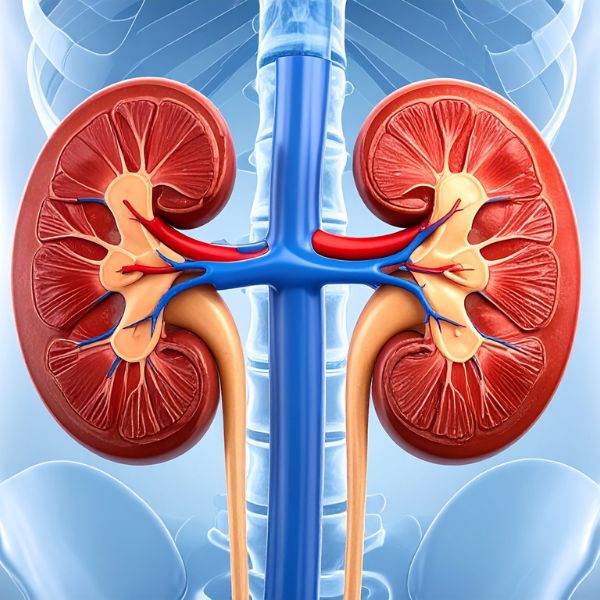
Minimal Change Disease

Causes significant protein loss with normal-appearing kidneys on routine microscopy.

Screenshot 2025-12-06 at 5.01.38 PM

Focal Segmental Glomerulosclerosis (FSGS)

Scarring in scattered kidney filters leads to persistent proteinuria and swelling.

kidney

Membranous Nephropathy

Thickened glomerular membranes cause gradual protein leakage and fluid retention.
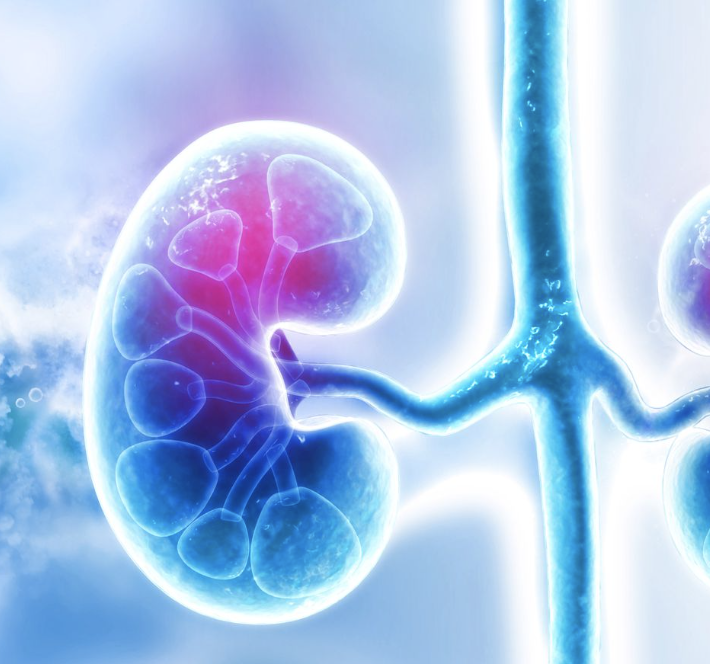
CKD

Membranoproliferative Glomerulonephritis (MPGN)

Abnormal immune activity damages glomeruli, causing chronic protein loss and edema.

Our Experience in Nephrotic Syndrome

Our Expertise

  • Under the guidance of Dr. Rajesh Shah, MD (Hom), Life Force has been treating Nephrotic Syndrome since 1985. We have documented and managed over 1,200 cases across various age groups worldwide. This extensive experience has helped us understand which cases respond well to homeopathy and which may have limitations.
  • Based on our clinical insights, we can identify cases that are likely to benefit from homeopathic treatment. Patients from any part of the world can conveniently receive treatment through our online protocols.
  • While homeopathy may not cure every case of Nephrotic Syndrome, it can significantly support better long-term management in many patients. In our experience, conventional medicine alone often falls short in managing this chronic condition, and integrating homeopathy provides a more comprehensive approach.

Homeopathy for Nephrotic Syndrome

Homeopathy offers a gentle, personalized approach that supports kidney function, reduces the frequency of relapses, and improves overall immunity. At Life Force, treatment is tailored to each patient’s unique symptoms and health needs.

View All

Case Studies

Life Force Homeopathy Case Study

Nephrotic Syndrome

A Child with Nephrotic Syndrome Healed and Could Stop Steroid Doses with Homeopathy

In October 2019, a child from the United States, who was 7 years old, was first diagnosed with Nephrotic Syndrome.…

Read More
Life Force Homeopathy Case Study

Nephrotic Syndrome

An Expectational Recovery Of a 5-Year-Old Steroid-Dependent Nephrotic Syndrome Patient At Life Force

A 5-year-old boy from Uttar Pradesh, Mr. S.G. (PIN: 37354) visited Life Force on 11th July 2018 for the treatment of…

Read More
Life Force Homeopathy Case Study

Nephrotic Syndrome

9-Year-Old Child With Chronic Nephrotic Syndrome Got Rid of Relapses and Steroids With Homeopathy

A 9-year-old patient, Mast. D. S. (PIN: 46705) along with his parents consulted Life Force in November 2021 for the treatment of his Nephrotic Syndrome that was bothering him since 2018. When he consulted us, the…

Read More
Life Force Homeopathy Case Study

Nephrotic Syndrome

A 5-Year-Old Steroid-Dependent Nephrotic Syndrome Kid Healed with Homeopathy at Life Force

Nephrotic syndrome is a disease condition with a group of symptoms that indicate your kidney isn’t functioning properly. Excess loss…

Read More
Life Force Homeopathy Case Study

Nephrotic Syndrome

A 26-Year-Old Patient With Nephrotic Syndrome Became Stable And Off The Steroids With Homeopathy

A 26-year-old patient from Pune, Master. V. T. (PIN: 43208) started treatment from Life Force Homeopathy for his complaints of nephrotic…

Read More
Life Force Homeopathy Case Study

Nephrotic Syndrome

26-Year-Old Patient With Nephrotic Syndrome Became Stable And Off The Steroids With Homeopathy

A 26-year-old patient from Pune, Master. A. S. (PIN: 43836) started treatment from Life Force Homeopathy for his complaints of…

Read More

    Your Curability Test Guide

    Learn about the curability test and begin by selecting your condition from the left

    STEP 01

    Select your condition

    STEP 02

    Submit the Form

    STEP 03

    Get report Instantly

    Patients Testimonials

    Ranveer Ajit Shinde, Pune

    Very good improvement seen. Treatment also giving is good and very satisfied.

    GuestBook 38

    Today it was my 1st follow-up. A great stuff with slight improvement. Looking forward for permanent relief over all good experience.

    GuestBook 46

    It's a very nice experience. Dr. Shah & his team is working great. We surely recommend for others.

    g4

    Special thanks Dr. Karishma. She made me understand that I also have to improve my self with medicine. I really like the staff.

    b


    Very good experience. the medicines are good and effective.

    Yuvraj

    We are taking treatment for one of chronic diseases, I am happy to say that we are very satisfied with the progress of treatment. No side effects. Keep doing great work.
     

    Mrs Kadambari Nilesh Chaude

    I came here for the treatment of Chelitis. Last winter it aggravated so much that I was not able to give my smile Confidently. I was not happy, was conscious always, Lost my Confidence to give Kodak Smile and was way too frustrated with by lips. After the recommendation of my friend, I came here and the MAGIC Happened from the very 1st dose. Now there is immense improvement and I am Really Happy with my Smile. Thanks for Bringing my Smile back  :-)

    Trupti Bauva, Australia

    "I have been shown a light of hope by Dr. Anand today. Thank you so much. Dr. Shah and Dr. Sumeet have been very helpful. "

    Jeet Anil

    Since last one year, I have been taking medicines and my psoriasis is getting better day by day. All thanks to Dr.Rajesh Shah and his team of Life Force.


    Dipak Haldar, Pune

    For follow up, I am here. It's a good experience gathered here. Hope all the best.

    View All

    Ask Dr. Shah

    Dr. Rajesh Shah, MD (Homeopathy), is a renowned Mumbai-based homeopath, recognized for treating patients from 180 countries, including celebrities and underprivileged individuals.

    Contact Our Nearest Clinic