
850+ IBS Patients Treated

IBS Homeopathic Treatment | Irritable Bowel Syndrome Care

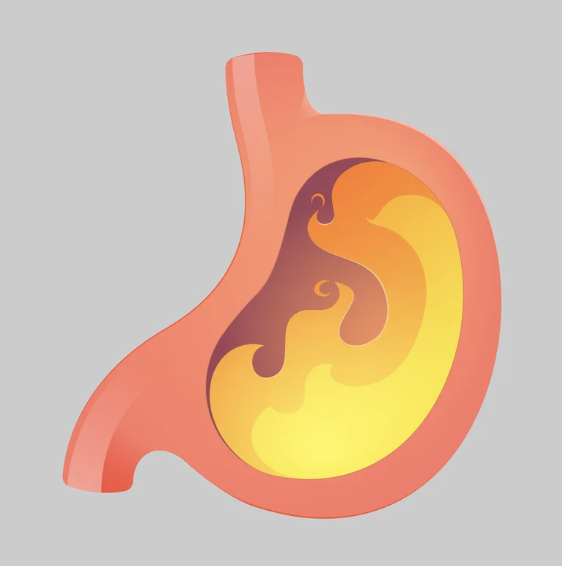
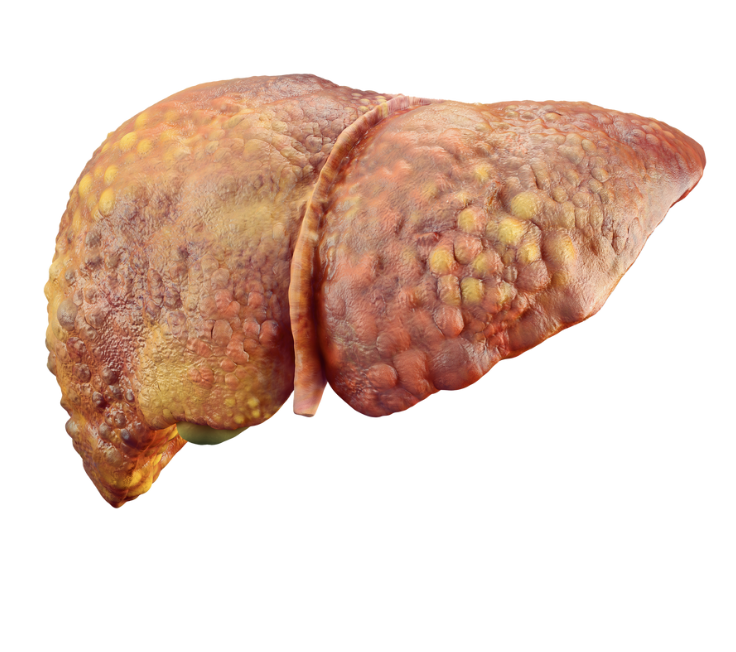
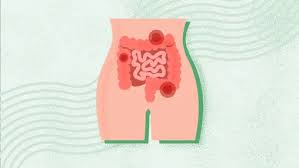
Our learning of Irritable Bowel Syndrome (IBS) comes from the experience of having treated over 850 cases (as of Oct 2025) over the last forty years. IBS is a good example of a psychosomatic disorder, where long-term or intense stress manifests itself by disrupting the gastrointestinal system. As a result, one experiences constipation or diarrhea, bloating, burps, gas, dyspepsia, abdominal discomfort, gastritis, acidity, and other related symptoms. This extensive experience has helped us refine our approach to homeopathic treatment for irritable bowel syndrome in a clinically responsible and patient-focused manner.

Irritable Bowel Syndrome image

Dr. Shah's Insights on Irritable Bowel Syndrome (IBS)

Dr. Rajesh Shah emphasizes that Irritable Bowel Syndrome is a functional digestive disorder influenced by gut sensitivity, stress, and lifestyle factors. He highlights the importance of understanding individual triggers and adopting a holistic approach. At Life Force homeopathic clinic, his insights guide personalized care to improve comfort, regulate bowel habits, and support overall digestive well-being through IBS homeopathic treatment.

180+ countries

180+

Countries

Patients Treated

400+

IBS Patients Treated

30+

Team of Expert Doctors

40+

Years of Experience

100% Satisfaction

If you are not satisfied after 6 weeks of treatment, you may return the unused medicines and request a refund for the unused portion of services, in accordance with our policy. No cure is assured within six weeks. For full terms, please visit our Detailed Refund Policy page.

What is Irritable Bowel Syndrome?

Irritable Bowel Syndrome (IBS) is a set of symptoms that may include abdominal discomfort, a change in bowel habits, bloating, cramps, urgency to pass stools, and a sense of incomplete evacuation. Based on bowel pattern changes, IBS may be diarrhea-predominant, constipation-predominant, alternate between both, or show neither. Some individuals develop IBS after an infection with symptoms like fever, diarrhea, or vomiting; this is known as postinfectious IBS.

IBS is a functional disorder, meaning the intestinal movements are irregular, even though no structural abnormality is seen on examination. Peristaltic movements may be too strong or too weak, leading to symptoms. IBS is also referred to as spastic bowel or functional bowel disease, though many older names, such as colitis, are inaccurate because IBS does not involve inflammation.

Understanding Irritable Bowel Syndrome

Understanding Irritable Bowel Syndrome

Homeopathy for Irritable Bowel Syndrome

Homeopathy treatment focuses on correcting the mind-gut network, thereby improving the symptoms of Irritable Bowel Syndrome. Individual personality types are evaluated, patients’ emotions are studied, and, accordingly, individual homeopathic medicines are selected that work at a deeper level to support digestive balance. Notably, irritable bowel syndrome treatment in homeopathy is generally considered safe, individualized, and non-habit forming when practiced under professional guidance.

Homeopathy & IBS

IBS is a functional gastrointestinal disorder often triggered by stress, HPA-axis imbalance, or food sensitivities. Homeopathic Treatment for IBS (Irritable Bowel Syndrome) aims to address these factors by supporting stress regulation, improving emotional resilience, and promoting balance between mind and body. This approach may help reduce triggers and provide relief from IBS-related symptoms.

Homeopathy Benefits

Homeopathic care for IBS focuses on:

  • Calming the mind and managing emotions like anxiety, anger, or worry
  • Supporting healthier stress responses
  • Reducing gut hypersensitivity to certain foods

With its individualized approach, homeopathic medicine for irritable bowel syndrome focuses on each person’s unique symptom pattern and overall health profile, offering tailored support that may help improve symptom management over time.

Addresses Root Factors

Chronic IBS treatment in homeopathy addresses root factors such as emotional stress, frustration, fears, work pressures, and food sensitivities. It works by supporting the stress-coping system and strengthening the mind-body connection, helping patients respond to stress more positively. Homeopathy studies each IBS patient in detail, considering general symptoms and those related to specific organ systems, not only the gut.

Treatment Duration

IBS is a functional disorder influenced by many triggers, so diet, lifestyle, and stress management are important, along with IBS homeopathic treatment. The duration of treatment depends on factors such as how long the condition has existed, prior conventional treatments, overall health, age, and any associated diseases. Initial improvement may be seen in 8–12 weeks, while 12–16 months of treatment is often recommended for sustained progress.

Key Medicines

Common homeopathic medicines for IBS include remedies suited to specific symptom patterns. Nux vomica is used when there is an urge with incomplete evacuation; Sulphur for morning diarrhea; Pulsatilla for alternating stool patterns; Lycopodium for bloating and fullness; Argentum nitricum for anxiety-triggered symptoms; Podophyllum for profuse diarrhea; Silicea for chronic constipation; Colocynthis for colicky pain; Lilium tigrinum for bearing-down sensations; and Asafoetida for gas and abdominal fullness. Self-medication is not suggested, and remedies should be selected by a qualified homeopathic physician/doctor.

How IBS Develops

IBS occurs due to abnormal intestinal muscle contractions that may be too strong or too slow, leading to constipation, bloating, discomfort, or diarrhea. The gut may send stronger pain signals, making normal sensations feel intense. IBS is common worldwide, more in women, and is not life-threatening. Its causes vary and may include disturbances in the gut-brain axis, changes in motility, bacteria, food sensitivities, genetics, or psychological factors.

Causes of IBS

IBS may develop after infections, seen in about 10% of cases, often as diarrhea-predominant IBS, due to increased gut permeability influenced by stress, anxiety, or genetics. Psychological stress can trigger or worsen IBS by disturbing the HPA axis and gut movement. Bacterial overgrowth, food sensitivities, genetic predispositions, vitamin D deficiency, and reactions to medications such as steroids, antibiotics, or anti-inflammatory drugs may also contribute.

Symptoms of IBS

IBS patients share common symptoms, but each has a unique pattern and varying intensity. Common signs include:

  • Constipation, diarrhea, or alternating bowel habits
  • Abdominal pain that worsens after meals and eases after stools
  • Urgency and incomplete evacuation
  • Gas, bloating, and abdominal distension are relieved by passing gas

Diagnosis of IBS

There is no specific test for IBS, so diagnosis relies on symptoms and ruling out conditions like bleeding, onset after 50, weight loss, anemia, or family history of colon cancer. A detailed medical history helps identify key signs such as pain relieved after a bowel movement, distension, mucus, and incomplete evacuation. Tests like stool exam, stool culture, CBC, ESR, LFT, celiac tests, X-ray with barium enema, and colonoscopy may be used to exclude other diseases.

General Management

Diet, lifestyle, and stress play an important role in IBS management. Helpful measures include:

  • Avoiding dairy, fatty or spicy foods, tea, coffee, aerated drinks, alcohol, and smoking
  • Eating small, frequent meals and increasing water intake
  • Choosing fiber-rich foods
  • Practicing stress management techniques such as CBT or hypnotherapy

Conventional Treatment

Conventional medicines target specific IBS symptoms and offer temporary relief, as they do not correct the Brain-Gut Axis disturbance. They may also cause side effects that some patients cannot tolerate. Pain is managed with anticholinergic or antispasmodic drugs; diarrhea with loperamide; constipation with laxatives; bloating with antacids or anti-foaming agents; indigestion with prokinetics; and depression-related IBS with antidepressants.

Types of Irritable Bowel Syndrome

abdomen

IBS-C

Constipation-dominant; hard stools, bloating, abdominal discomfort
consti

IBS-D

Diarrhea-dominant; frequent loose stools with urgency and cramps
constipa

IBS-M

Mixed type; alternating constipation and diarrhea
gi

IBS-U

Unclassified; symptoms that do not fit standard patterns

Our Experience in Irritable Bowel Syndrome

Our Expertise

  • Decades of Clinical Expertise: Life Force has been managing IBS cases since 1985, under the care of Dr. Rajesh Shah, M.D. During this time, a large number of cases have been carefully evaluated, treated, and systematically documented, giving us extensive practical experience.. 
  • Consistent Symptomatic Relief: With homeopathic management, many patients have experienced meaningful relief from IBS symptoms and better control over the condition’s progression, improving day-to-day comfort and functioning. 
  • Support in Preventing Complications: With timely, appropriate treatment, we have helped patients reduce the risk of future complications often linked to unmanaged IBS, making homeopathy a beneficial long-term approach to overall management.

Homeopathy for Irritable Bowel Syndrome

Homeopathy treats IBS by focusing on the individual’s unique symptom pattern, such as bloating, abdominal discomfort, and irregular bowel habits. Emotional stressors like irritability, anxiety, depression, frustration, anger, and guilt are also considered when determining treatment. Remedies are selected to address both physical symptoms and stress-related triggers. This personalized approach aims to support digestive balance and long-term gut health through Chronic IBS treatment in homeopathy.

Case Studies

12-Year-Old Boy Overcame Chronic Urticaria Naturally

IBS

How a 12-Year-Old Boy Overcame Chronic Urticaria Naturally

A 12-year-old male patient (Patient ID: 55528) from Nerul, Navi Mumbai, visited Life Force Homoeopathy, Vashi, on 04 Sep 2024…

Read More
Life Force Homeopathy Case Study

IBS

A 12-Year-Old Boy Overcomes IBS with Life Force Homeopathy

Master R.K., a 12-year-old boy, came to the Life Force Homeopathy Thane branch on 10 September 2024 with PIN 55572…

Read More
  • Alopecia Areata

  • Ankylosing Spondylitis

  • Asthma

  • Child Asthma

  • Eczema

  • Frequent Colds

  • Hair Fall

  • Hepatitis C

  • Irritable Bowel Syndrome (IBS)

  • Lichen Planus

  • Psoriasis

  • Trigeminal Neuralgia

  • Ulcerative Colitis

  • Underactive Thyroid

  • Urticaria

  • Vitiligo

Your Curability Test Guide

Learn about the curability test and begin by selecting your condition from the left

STEP 01

Select your condition

STEP 02

Submit the Form

STEP 03

Get report Instantly

FAQ on Irritable-Bowel-Syndrome

Expert Answers to Common Questions

IBS is often influenced by the close connection between the mind and the gut. Emotional stress, anxiety, or long-standing mental strain can disturb bowel function. Homeopathic treatment focuses on this mind–gut relationship and aims to reduce symptoms by addressing both emotional and physical factors involved in IBS.

In many individuals, IBS has a strong stress-related or psychosomatic component. At times, ongoing or unrecognized emotional stress or anxiety may contribute to bowel symptoms, even when the person is not consciously aware of it.

Clinical experience suggests that homeopathic treatment may help relieve long-standing IBS symptoms such as constipation, diarrhoea, abdominal pain, bloating, acidity, and gas. Treatment is individualized and focused on long-term symptom control rather than temporary relief.

IBS is classified based on the predominant bowel pattern:

  • IBS-C: constipation-predominant IBS
  • IBS-D: diarrhoea-predominant IBS
  • IBS-M: mixed IBS, where constipation and diarrhoea alternate

Yes. Severe or prolonged stress and anxiety can trigger or worsen IBS symptoms in many individuals by affecting gut motility and sensitivity.

Homeopathic medicines are prescribed based on individual symptom patterns rather than diagnosis alone. Remedies such as Nux vomica and Lycopodium clavatum are commonly considered for IBS-C, depending on the person’s overall symptom profile.

Yes. Some individuals may develop IBS after intestinal infections such as typhoid, dysentery, or severe gastroenteritis. This is known as post-infectious IBS.

Homeopathic treatment aims to address underlying susceptibility, including stress sensitivity, emotional factors, and individual response patterns, rather than focusing only on bowel symptoms.

Homeopathic treatment may help manage common IBS symptoms such as bloating, gas, abdominal discomfort, acidity, burping, constipation, and diarrhoea. Results vary between individuals and depend on the overall clinical picture.

Ask Dr. Shah

Dr. Rajesh Shah, MD (Homeopathy), is a renowned Mumbai-based homeopath, recognized for treating patients from 180 countries, including celebrities and underprivileged individuals.

Contact Our Nearest Clinic