


Dr. Rajesh Shah’s Expertise
Dr. Rajesh Shah, MD (Hom.), is a globally recognized homeopathic physician with over four decades of clinical experience. He has treated patients from more than 180 countries and is known for his research-based, individualized approach to chronic and recurring conditions, including cervical spondylitis and cervical spondylosis.
His work focuses on integrative, patient-centric care that aims to improve quality of life through safe, long-term homeopathic treatment for cervical spondylitis under medical supervision.

180+
Countries

650+
Cervical Spondylitis Patients Treated

30+
Team of Expert Doctors

40+
Years of experience

100% Satisfaction
If you are not satisfied after 6 weeks of treatment, you can return any unused medicines and request a refund for the unused portion of services, in accordance with our policy. Our team can help you through the refund process. No cure is assured within six weeks. For full terms, you can visit our Detailed Refund Policy page.
What is Cervical Spondylitis?
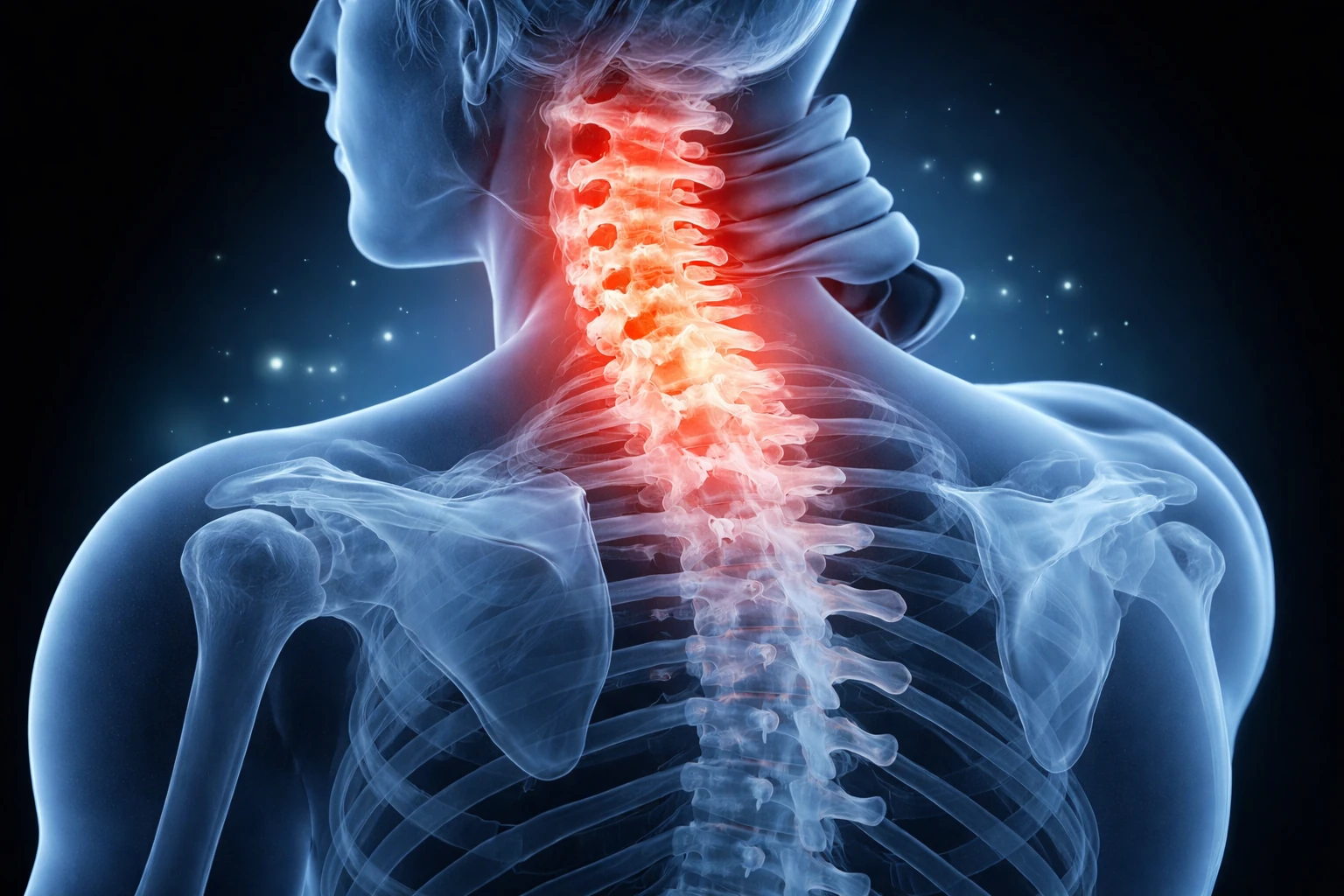
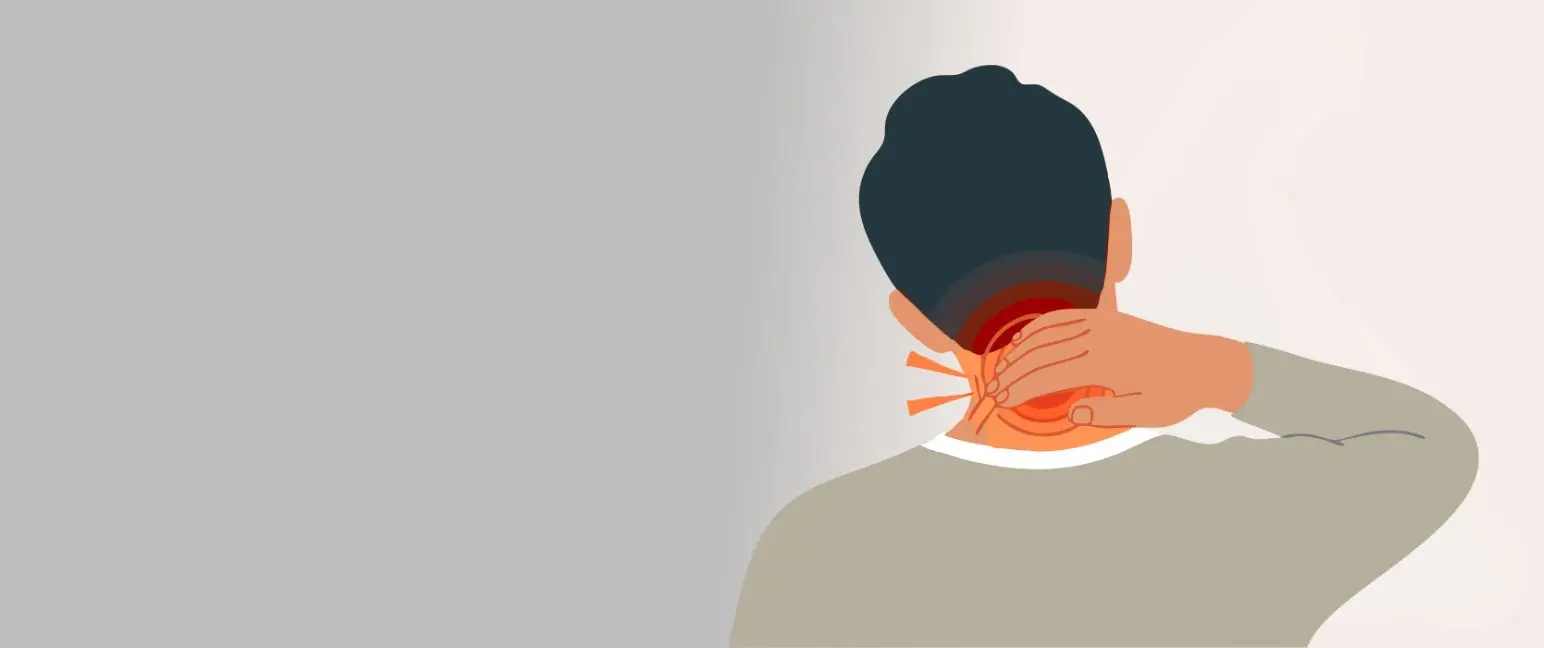
Cervical spondylitis refers to degenerative changes affecting the vertebrae, intervertebral discs, and ligaments of the neck region, collectively known as the cervical spine. This condition develops primarily due to age-related wear and tear, but in recent years, prolonged computer and smartphone use has made cervical spondylitis increasingly common even among younger individuals.
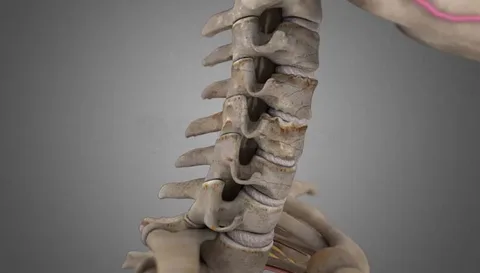
The cervical spine consists of seven vertebrae separated by intervertebral discs that act as shock absorbers. With time, these discs may lose hydration and elasticity, reducing their cushioning capacity. Bony outgrowths (osteophytes) may form along the vertebral margins, contributing to stiffness and discomfort.
In some individuals, these changes may compress nearby nerves, leading to pain radiating to the shoulders or arms, tingling, numbness, or weakness—a presentation often referred to as cervical radiculopathy.
Understanding Cervical Spondylitis
Types of Cervical Spondylitis
Cervical Radiculopathy
Occurs due to compression or irritation of cervical nerve roots, leading to radiating arm pain, tingling, or numbness.
Cervical Myelopathy
Results from spinal cord compression due to advanced degeneration or canal narrowing, affecting coordination, balance, and hand strength.
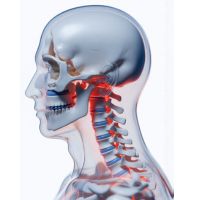
Cervical Disc Degeneration
Age-related disc dehydration and thinning reduce cushioning between vertebrae, contributing to stiffness and pain.
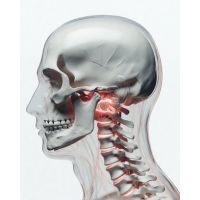
Cervical Osteoarthritis
Degeneration of cervical joints with osteophyte formation may restrict movement and compress nearby nerves.
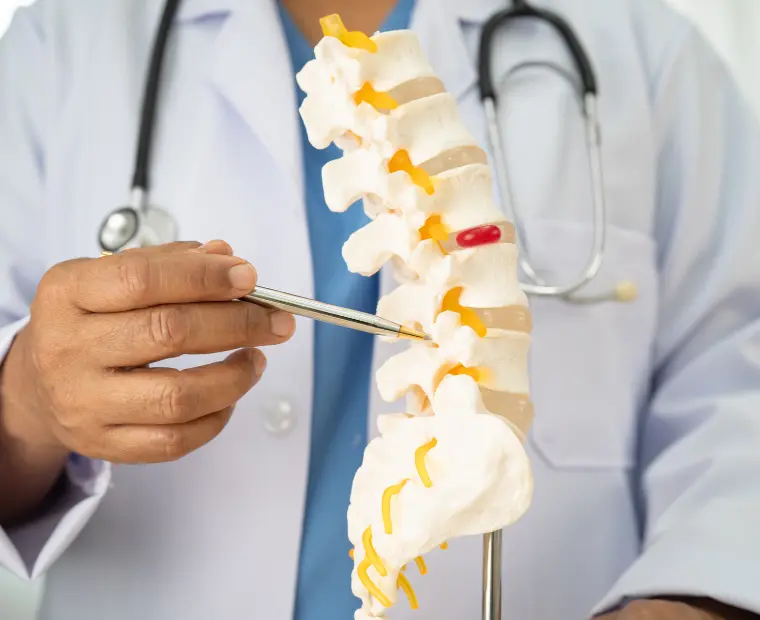
Our Expertise
- If you are struggling with cervical spondylitis, homeopathic care may offer supportive relief. Homeopathic treatment for cervical spondylitis focuses on individualized care, taking into account your specific symptoms, the severity of neck pain, and overall health. At Life Force, we use a research-based cervical spondylitis treatment in homeopathy designed to support well-being and address long-standing cervical spine concerns.
- With experience managing chronic conditions—including cervical spondylitis and cervical spondylosis—for patients in over 180 countries, our team strives to provide compassionate, personalized care. Our online Homeopathy treatment program enables patients to receive professional guidance for cervical spondylitis treatment from anywhere in the world.
- Some of the new drugs developed by Rajesh Shah have been of immense help. His related research paper could be read here by clicking on this link
Homeopathic Treatment for Cervical Spondylitis
Homeopathy is often considered a supportive option for managing chronic conditions such as cervical spondylitis. An individualized homeopathic treatment for cervical spondylitis focuses on understanding the patient’s specific symptoms, overall health, and disease progression pattern. This approach aims to help reduce neck pain, stiffness, and discomfort associated with cervical spine degeneration by supporting the body’s natural healing responses over time. With regular treatment, some patients may experience improved neck and arm mobility and easing of tingling or numbness related to cervical nerve root compression.
Homeopathic medicines are selected on an individual basis and may help in slowing further degenerative changes, thereby supporting the stability of the cervical spine. Over time, some patients report a reduced dependence on pain-relieving medications as part of a comprehensive cervical spondylitis treatment plan. When combined with supportive measures such as physiotherapy, posture correction, and yoga, cervical spondylitis treatment in homeopathy may contribute to better long-term symptom management under professional supervision.
Case Studies

Asthma
Homeopathy Treated Asthma Effectively & Eliminated The Dependency On Inhalers
A 35-years-old obese woman, Ms. D.N.S (PIN 15174) visited the clinic on 6th December 2010.From the last 4 years, Ms.…
Asthma
Asthmatic Bronchitis Of A Teen Girl Got Treated Successfully With Homeopathy At Life Force
A 13-years-old girl, Miss S.K.W. (PIN 19678) was suffering from Asthmatic Bronchitis from one year. She visited Life Force along…
Asthma
A Great Relief From Asthma & Associated Complaints Obtained With Homeopathy
A 38-years-old homemaker, Mrs. N. A. C (PIN 18678) visited our clinic on26thMarch2012.Shecomplainedof Asthma since childhood which had aggravated in…
-
Alopecia Areata
-
Ankylosing Spondylitis
-
Asthma
-
Child Asthma
-
Eczema
-
Frequent Colds
-
Hair Fall
-
Hepatitis C
-
Irritable Bowel Syndrome (IBS)
-
Lichen Planus
-
Psoriasis
-
Trigeminal Neuralgia
-
Ulcerative Colitis
-
Underactive Thyroid
-
Urticaria
-
Vitiligo
Your Curability Test Guide
Learn about the curability test and begin by selecting your condition from the left

STEP 01
Select your condition

STEP 02
Submit the Form

STEP 03
Get report Instantly
FAQ on Cervical Spondylitis
Expert Answers to Common Questions
Cervical refers to the neck, spondyl to the vertebrae, and -itis to inflammation. Cervical spondylitis refers to inflammatory and degenerative changes affecting the vertebrae and surrounding structures of the neck region.
With aging, repeated strain, and poor posture, the cervical spine may undergo degenerative changes. These changes can lead to inflammation, stiffness, and reduced flexibility of the neck.
Common symptoms include neck pain that may radiate to the shoulders, arms, forearms, or fingers. Some individuals may experience numbness or tingling in the arms or hands. Other symptoms can include neck stiffness, headache, dizziness, and restricted neck movement.
Age-related wear and tear is a common cause. Other contributing factors include prolonged poor posture (such as desk work), repetitive neck strain, heavy weightlifting, previous neck injuries, and lack of ergonomic support.
Cervical spondylitis is usually a manageable condition. Many patients experience significant symptom relief with appropriate treatment. The degree of recovery depends on the severity of degeneration, duration of symptoms, lifestyle factors, and treatment approach.
In medical terminology, -itis denotes inflammation, while -osis refers to a degenerative condition. Cervical spondylitis emphasizes inflammatory changes, whereas cervical spondylosis refers more broadly to age-related degenerative changes of the cervical spine. In clinical practice, the terms are often used interchangeably.
Yes, most cases of cervical spondylitis can be managed without surgery. Conservative measures such as medication, physiotherapy, posture correction, and supportive therapies are usually effective. Surgery is considered only in severe cases with neurological complications that do not respond to non-surgical treatment.
Homeopathic treatment is individualized and aims to reduce pain, stiffness, and inflammation while improving neck mobility. It may also help relieve radiating pain and associated numbness in some patients.
Some clinical studies and observational research have explored the role of homeopathy in musculoskeletal pain conditions, including cervical spondylitis. Research conducted by Dr. Rajesh Shah has reported improvement in various pain-related conditions. However, further large-scale studies are required for broader scientific validation. You can read the research paper by clicking on this link.
Response time varies among individuals. Some patients may notice improvement within a few weeks, while long-standing or severe cases may require longer treatment and ongoing management.
Homeopathic medicines are selected based on individual symptoms. Commonly used remedies may include Arnica montana, Rhus toxicodendron, Bryonia, Paris quadrifolia, Calcarea fluorica, Lycopodium clavatum, and Magnesium phosphoricum, among others.
Related Diseases


Ask Dr. Shah
Dr. Rajesh Shah, MD (Homeopathy), is a renowned Mumbai-based homeopath, recognized for treating patients from 180 countries, including celebrities and underprivileged individuals.
Contact Our Nearest Clinic