


Homeopathy Enables Significant Recovery in Chronic Vitiligo in 13-Year-Old Girl
This case follows a 13-year-old girl with vitiligo affecting her nose, eyes, thighs, and nails since early childhood. Dr. Shah prescribed individualized homeopathic remedies and research-based medicines, complemented by essential tests for deficiencies. Gradual, consistent treatment led to significant repigmentation, though relapse occurred when therapy was stopped. Readers will learn how tailored homeopathy and ongoing care can manage chronic autoimmune vitiligo effectively.
Vitiligo is a chronic autoimmune disease that causes the skin to lose pigment, resulting in white patches. White patches can appear anywhere on the body but are most common on the face, neck, hands, and skin creases. The patches can be oval, round, or linear-shaped and can range in size from millimeters to centimeters. The skin feels normal, but the patches are more vulnerable to sunburn. Vitiligo can also cause premature whitening or greying of the hair and loss of color in the tissues inside the mouth and nose.
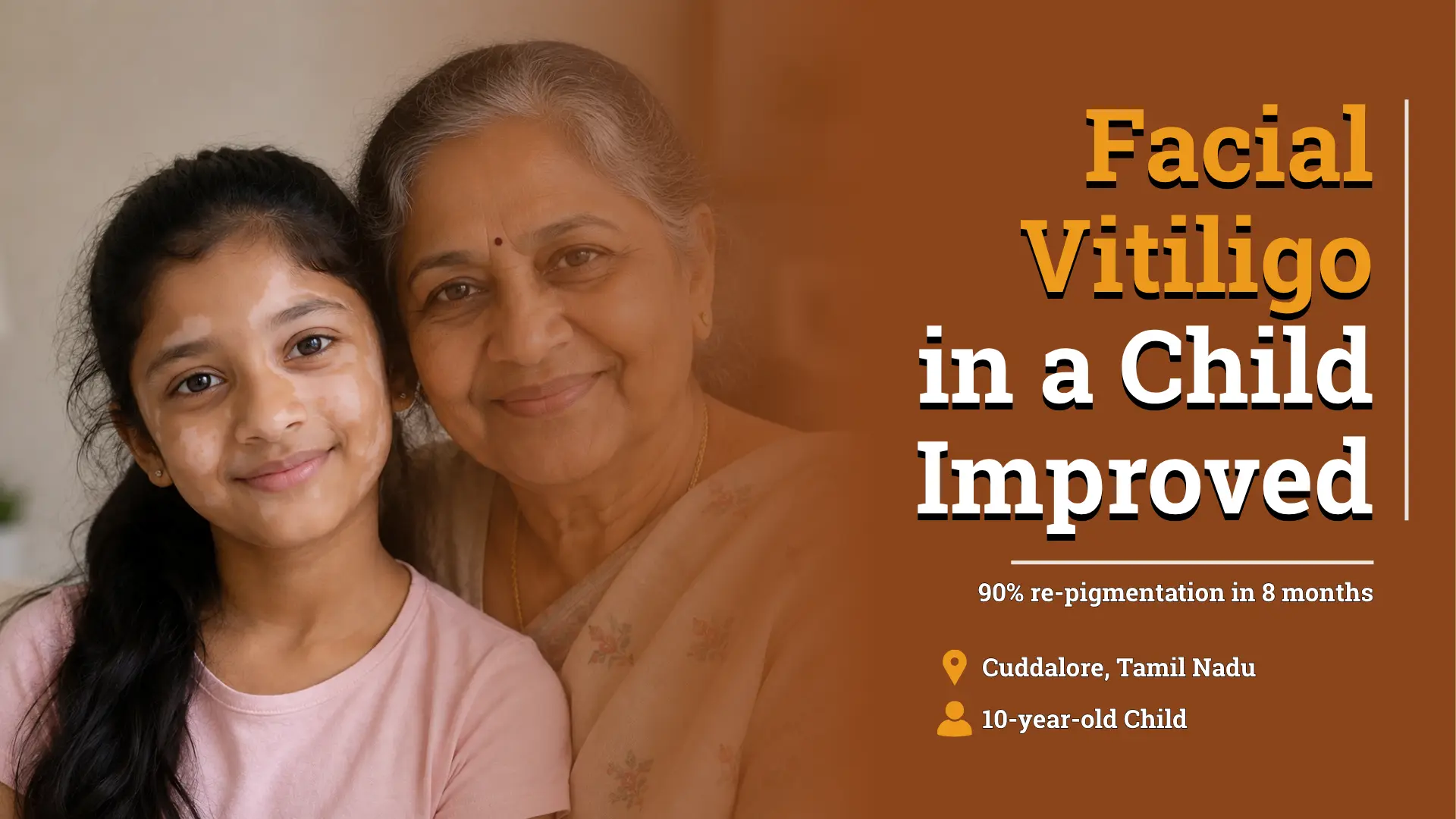
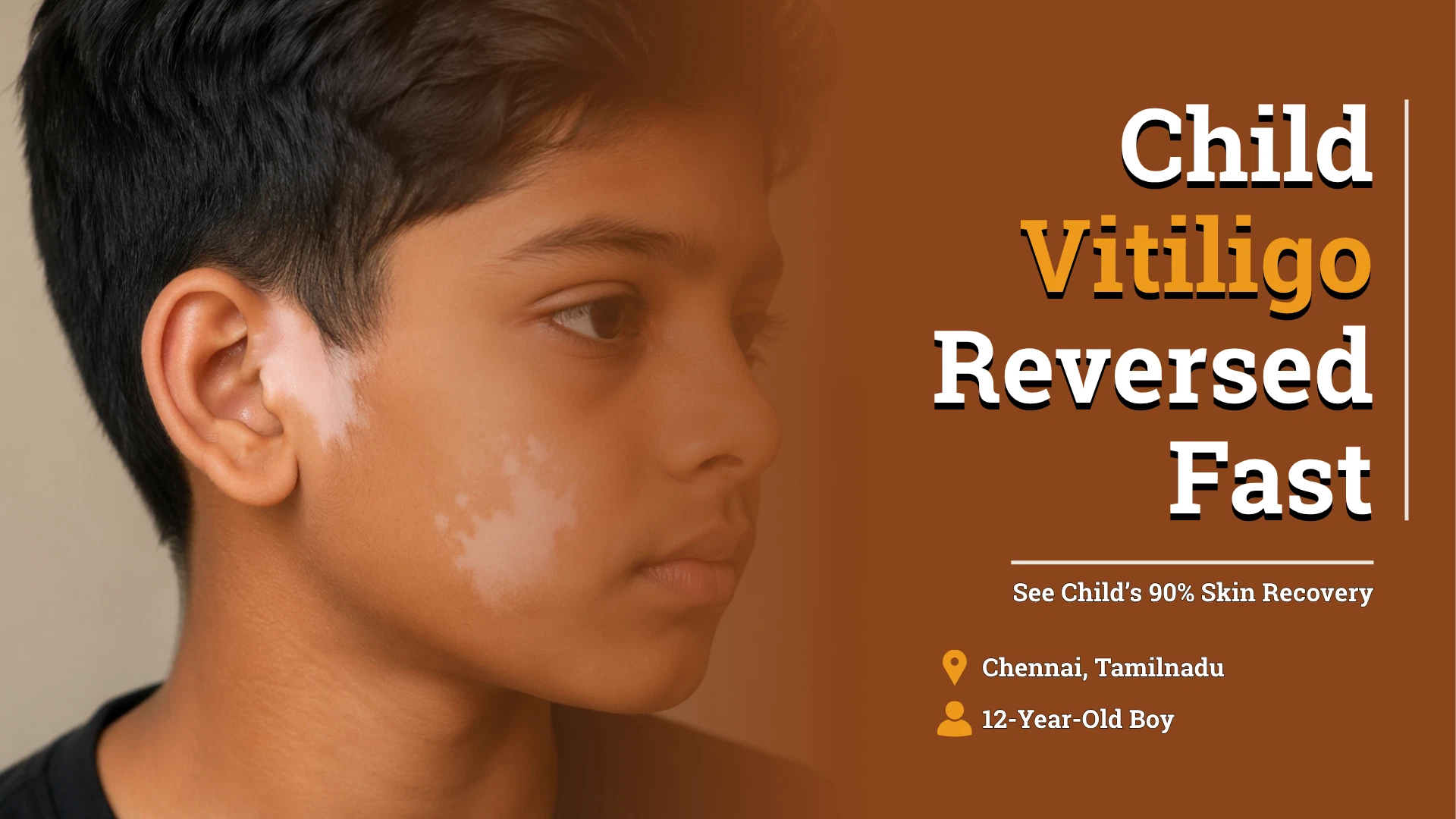
A 13-year-old girl from Cidco-Nashik (Patient Identification Number: PIN-24027) presented to the clinic with noticeable hypopigmented patches distributed across her body. These patches were primarily located on the nose, thighs, nails, and the lower area beneath her left eye. The patient’s condition was first brought to attention by her mother when she was 3.5 years old, and she was formally registered at the clinic on November 7, 2014.
The mother, as the primary informant, provided a detailed narrative of the child's Vitiligo. She expressed concern over the gradual appearance and spread of these pale, depigmented areas on her daughter’s skin and nails. Initially small and localized, the patches began to expand, raising questions about their cause and progression. The hypopigmentation was most prominent on the nose and around the left eye, which the mother described as particularly noticeable and concerning. Additionally, the child had faint, irregular patches on her thighs, and her nails showed a degree of discoloration, which the mother believed was associated with the condition.
Her mother also shared additional information regarding the child’s overall health, daily habits, and any potential hereditary or environmental factors that might have contributed to the hypopigmentation. These details were essential to gaining a comprehensive understanding of the child’s condition and to guiding a treatment plan that would address the underlying cause rather than just the external symptoms.
Living with a Chronic Condition? Get Expert Guidance.
Talk to Dr. Rajesh Shah — 40+ years of experience in managing chronic conditions with a personalized, long-term approach.
Physical Generals
She desired to eat chocolates, sweets, and sweet lime (mosambi), and she disliked spicy foods. Her bowel movements were normal and she had no complaints regarding urination. She sweats moderately.
Family History
There was no family history of vitiligo on either the maternal or paternal side. However, her father has a history of hypertension, diabetes, and acidity, while her mother also has a history of acidity.
Based on her case details and the location and extent of the patches, Dr.Shah prescribed CALC-PHOS 30 along with his research-based medicines. Also, few blood tests were advised to rule out deficiencies especially Vitamin D which is crucial in the recovery of Vitiligo.
Follow-Ups
The patient was doing well at her initial check-up; no new lesions were seen on any body parts, and the hypopigmented patches that were already there had not spread. For several months she showed, constant and slow improvement and her health stayed steady.
The family decided to stop treatment in 2019 after noticing mild repigmentation on her nose and thighs by the fourth follow-up.
Repigmentation did not persist after treatment was stopped, though, and the patient re-started treatment again in 2020. By this point, homeopathic treatment had significantly covered the other hypopigmented areas, leaving only one spot below her left eye.
Conclusion
This case highlights how holistic, individualized homeopathic remedies, along with Dr. Shah's research-based molecules selected based on the presentation of vitiligo spots and mental and physical generals, can help in significant recovery in chronic, challenging autoimmune conditions like vitiligo. Also, the relapse of hypo-pigmented spots after discontinuing treatment highlights the importance of consistent follow-ups and maintenance therapy.