





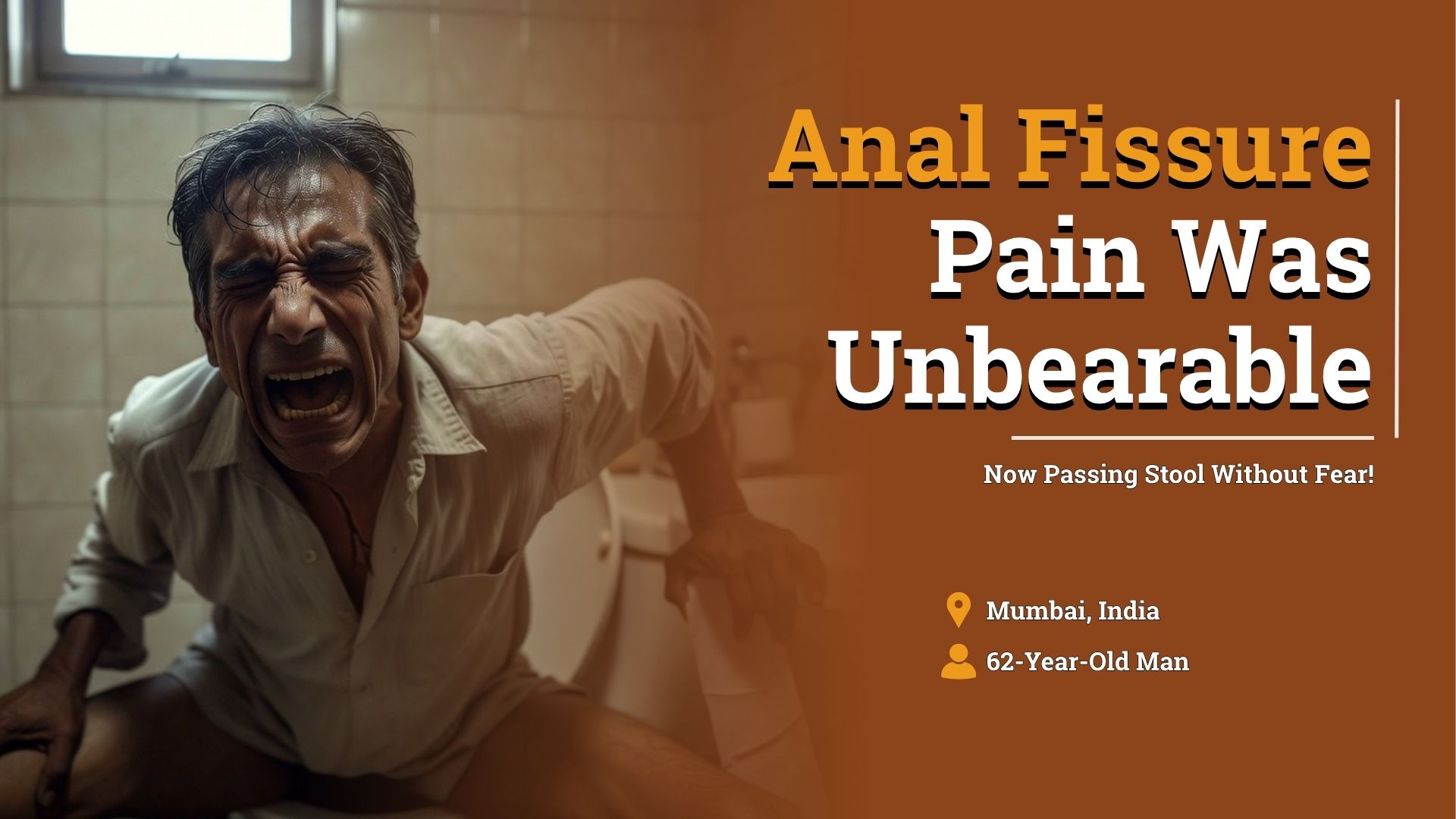
Fissure-in-ano is a painful condition characterized by a small tear in the lining of the anus, often causing pain, a burning sensation, and difficulty while passing stool. It is commonly associated with hard stools and straining. This case study highlights how homeopathy for fissure-in-ano helped reduce symptoms and improve bowel habits through a gentle, individualized […]
Table of Contents
Fissure-in-ano is a painful condition characterized by a small tear in the lining of the anus, often causing pain, a burning sensation, and difficulty while passing stool. It is commonly associated with hard stools and straining. This case study highlights how homeopathy for fissure-in-ano helped reduce symptoms and improve bowel habits through a gentle, individualized approach.
A 62-year-old male from Mumbai, Mr. P. R. (Patient ID: 49266), visited Life Force Homeopathy’s Kemp’s Corner clinic on 17th September 2022 for the treatment of a fissure-in-ano. He had been suffering for one month with complaints of pain and burning in the anal region after passing stool. There was no bleeding or mucus discharge, but his stools were very hard, requiring significant straining. He had taken conventional medicines earlier but did not experience satisfactory relief, so he opted for homeopathic treatment.
Case Details & Patient Profile
The patient had an average appetite with no specific cravings or aversions. His thirst was adequate, and there were no issues with urination. However, he suffered from chronic constipation with hard stools, requiring effort during bowel movements. His sleep was sound and refreshing.
He was a builder by profession and lived with his family. He had a cheerful, extroverted personality and reported no major stress in life. There was no significant past medical history, and no major illnesses were reported in the family.
After a detailed case evaluation, Dr. Rajesh Shah prescribed individualized research-based homeopathic medicines for fissure-in-ano, along with dietary advice to improve bowel habits and reduce strain.
Follow-Ups & Progress
First Follow-Up: 1st November 2022
At the first follow-up, the patient reported significant improvement in his fissure symptoms. The pain and burning sensation in the anus were no longer present, and his stools had become soft and easy to pass. He did not need to strain during bowel movements and had stopped all other medications. Overall, there was a clear positive response to the homeopathic treatment.
Second Follow-Up: 6th January 2023
During this visit, the patient reported that he was much better. There was no pain, burning, or bleeding, and bowel movements were normal and satisfactory. He experienced no discomfort while passing stool and was feeling comfortable in his daily routine, indicating steady recovery.
Third Follow-Up: 7th July 2023
At this stage, the patient continued to show improvement. The pain and burning were minimal, and his stools remained well-formed and satisfactory. He experienced occasional acidity for a few days, but his fissure symptoms remained well-controlled. Overall, his condition was stable and improving.
Fourth Follow-Up: 30th January 2024
The patient reported further improvement, with complete relief from pain and burning. There were no associated complaints such as acidity or discomfort during bowel movements. His bowel habits had normalized, and he was satisfied with the progress.
Final Follow-Up: 10th July 2024
At the final follow-up, the patient reported that he was completely better. There was no pain, burning, bleeding, or discomfort while passing stool. He was able to live a normal, comfortable life without any symptoms. He expressed satisfaction with the treatment and continued it as advised to maintain overall well-being.
Conclusion
This case illustrates that with a personalized homeopathic approach, patients suffering from fissure-in-ano may experience significant improvement in pain, burning, and bowel habits. Early management and proper dietary care can also help reduce strain and support long-term recovery without invasive procedures.
👉 Explore more Patient Case Studies
👉 Check your eligibility with our Curability Test
The patient expressed his gratitude towards Dr. Shah and the Life Force team for their support and effective management of his condition.

