


What is Homeopathy?
Medical Science
Homeopathy is a medical science introduced by a German scientist, Dr. Samuel Hahnemann, MD, in 1796, and it has been in use all over Europe, the US, Australia, most parts of Asia, the Middle and Far East, and India. It is considered one of the widely practiced complementary medical systems globally, according to the World Health Organization (WHO).
Link to Dr. Shah’s video on What is Homeopathy?

Effectiveness
Homeopathic treatment is often considered a supportive approach for chronic and recurring diseases. It may also be used in certain acute conditions under medical supervision. However, it is not the most suitable for critical or emergency conditions, highlighting important limitations and safety considerations in homeopathy.

Chronic Care
Homeopathy for chronic diseases focuses on long-term health support and individualized care. Conditions where chronic disease management with homeopathy is commonly explored include:
● autoimmune diseases
● homeopathy for skin diseases
● homeopathy for allergies
● various forms of arthritis
● metabolic, hormonal, psychosomatic, and stress-related disorders

Treatment Limitation
Homeopathy is not suggested for critical conditions such as severe infections, critical heart and brain diseases, accidental damage, etc., highlighting the importance of understanding Homeopathy limitations and safety before starting treatment.

Treatment at Root Level
Homeopathy stands out as distinct from other modes of treatment by its fundamental principles, aiming for root cause homeopathy treatment by addressing multiple causative factors such as genetic, immunological, metabolic, hormonal, and emotional influences.

Nano Medicine
Interestingly, homeopathic medicines are prepared in a sophisticated manner. Rather than using harsh chemicals, homeopathy employs attenuated and ‘potentized’ substances in nanoparticle form, supporting the concept of modern homeopathic medical science.

How Does Homeopathy Work?

Similia Similubus Curenture
How homeopathy works is based on the principle of ‘like cures like.’ Substances that can cause disease at high doses may support recovery when administered in small, potentized doses under professional supervision.

Nano-therapeutic Method
The latest research at IIT-Bombay and other institutions has shown that homeopathic medicines may contain nanoparticles of the source material. These findings contribute to ongoing discussions within Homeopathy medical science regarding immune response and biological signaling.

Treating the Roots, Personalised Medicine
Homeopathy focuses on the immune system and genetic tendencies through personalized homeopathic treatment, aiming to support overall balance by addressing deeper factors influencing health. A detailed case-taking process forms the basis of a personalised homeopathy consultation.

Latest Scientific Research
Collaborative research with multiple scientists and institutions continues to explore the scientific basis of homeopathy. Emerging studies aim to better explain how homeopathy works in relation to immune regulation and individualized care approaches.
Why Choose Homeopathy?
Scientific Efficacy
Homeopathy uses highly diluted preparations that are studied within the framework of homeopathic medical science, offering a gentle approach when prescribed by qualified professionals.

Excellent for Chronic Diseases
Many patients explore Homeopathy for chronic diseases as a complementary approach when long-term symptom management is required. Chronic disease management with homeopathy focuses on improving overall well-being and reducing the risk of recurrence through individualized strategies.
Suits all age groups, free from side effects
Homeopathic medicines may be considered suitable across age groups—from newborn infants to elderly individuals—when prescribed appropriately. Safety and suitability depend on professional evaluation during a personalized homeopathy consultation.
Dr. Rajesh Shah explains Homeopathy
Homeopathy Vs. Conventional Medicine (Allopathy)
Both complement each other, can also be used together in many diseases.
Systems
- Approach
- Side Effects
- Personalization
- Long-Term Results
- Suitable For
Homeopathy

- Attempts to treat the Root Cause
- None, safe for all ages
- Unique treatment for each patient
- Yes, potentially reduces recurrences
- Chronic, Recurrent & Acute conditions
Conventional Medicine

- Controls the disease, symptoms
- Possible side effects
- Standard for all
- Temporary relief
- Critical & Acute disease care
What could you miss by not using homeopathy?

What will you miss by not using ChatGPT or AI tools? Similarly, you miss a lot by not using homeopathy.

By not knowing about homeopathic treatment, one might continue relying only on antihistamines or cortisone for prolonged periods.

Parents’ lack of awareness about Homeopathy for chronic diseases may lead to long-term inhaler dependence in asthmatic children under conventional care.
Certain patients explore homeopathy for skin diseases such as eczema, vitiligo, or lichen planus as a complementary option alongside medical supervision.
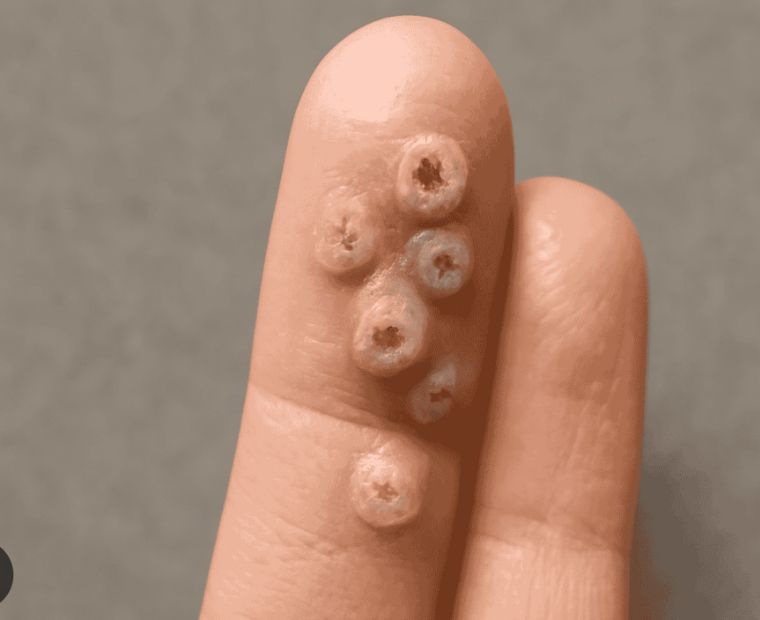
Some recurrent viral conditions, such as warts or herpes, may prompt individuals to consider personalized homeopathic treatment to support immunity.

In some cases, improving immune balance through root cause homeopathy treatment may reduce frequent infections, though medical supervision remains essential.
Myths and Facts About Homeopathy

Myth
Homeopathy is just a placebo
Fact
Research in laboratory and clinical settings continues to explore the effects of homeopathic medicines. Within Homeopathy medical science, ongoing studies aim to better understand mechanisms and outcomes, though interpretations may vary among experts.
To know more, click on this link.

Myth
Homeopathy is slow to act.
Fact
The response time to homeopathic treatment varies depending on the individual and the condition. While chronic diseases may require longer observation, acute conditions may sometimes show quicker responses under guidance.

Myth
Homeopathy is a magic medicine that cures all diseases.
Fact
Homeopathy is not a magic pill. Like any medical system, it has strengths and limitations. Understanding Homeopathy limitations and safety is important. When used appropriately, Homeopathy for chronic diseases can offer meaningful supportive care as part of an individualized treatment plan.








FAQ on Homeopathy
Expert Answers to Common Questions
Homeopathic medicines are generally considered safe when prescribed by qualified practitioners. The extremely diluted and potentised doses contain nanoparticles of the source material, which are non-toxic. For chronic or serious conditions, treatment should always be taken under medical supervision, and existing medications should not be stopped abruptly.
Yes, homeopathy can usually be taken alongside conventional medicines in many diseases. In many cases, conventional medicines can be tapered off once improvement with homeopathy sets in. Homeopathic medicines do not interfere with the efficacy of conventional medicines.
The response time varies depending on the condition, duration, and individual health status. Acute conditions may improve relatively quickly, while chronic or long-standing diseases often require sustained treatment and regular follow-ups to achieve stable and meaningful improvement.
Homeopathy is commonly used as supportive care for chronic and recurring conditions such as allergies, asthma, skin disorders, anxiety-related issues, digestive complaints, hormonal imbalances, and autoimmune tendencies. Outcomes vary based on disease severity, duration, and individual responsiveness.
Homeopathic medicines generally do not cause toxic side effects because they are prepared by extreme dilution and potentiation. Some patients may experience a mild, temporary increase in symptoms at the start of treatment, which is usually monitored by the doctor and interpreted as part of the body’s response process.
Homeopathy may help in the long-term management of chronic diseases by reducing symptom intensity, improving quality of life, and supporting overall stability. It does not promise instant cures, and results depend on factors such as disease stage, adherence, and individual health
Patients should maintain realistic expectations from homeopathy. While it may support symptom control, stability, and quality of life, outcomes vary, and instant or guaranteed results are not promised. Results depend on the nature of the disease, its stage, and the body’s response to the treatment.
Homeopathy is commonly used for emotional and stress-related concerns by addressing mental, emotional, and physical responses together. Improvement may be gradual, and results depend on stress severity, duration, coping mechanisms, and adherence to the treatment plan.
Homeopathy may help reduce the frequency and intensity of recurring illnesses by supporting overall immune balance and systemic stability. Such conditions include: Migraines, urticaria, psoriasis, allergies, asthma, depression, nephritic syndrome, andmore.
Homeopathy aims to address underlying immunological and genetic imbalances rather than focusing only on surface symptoms. Remedy selection considers physical complaints, emotional patterns, triggers, and disease progression, with the objective of supporting long-term balance and reducing recurrence, rather than providing short-term symptomatic relief alone.
Homeopathy works on the principle of “like cures like,” where a substance capable of producing symptoms in a healthy person may help support recovery when given in potentized form. The aim is to stimulate the body’s immune system to heal the disease.
Homeopathy may offer supportive care for lifestyle-related conditions such as stress-related disorders, metabolic imbalance, or digestive complaints such as IBS, anxiety disorders, gastritis, GERD, sleeplessness, migraines, etc. Treatment is most effective when combined with appropriate lifestyle modifications, dietary discipline, and regular medical monitoring.
Homeopathy is often used as supportive care in autoimmune conditions to help manage symptoms and improve quality of life. Some of the diseases in this category are: Eczema, psoriasis, lichen planus, vitiligo, ankylosing spondylitis, rheumatoid arthritis, ulcerative colitis, and more.
Constitutional homeopathic treatment focuses on an individual’s overall physical build, emotional tendencies, reactions to stress, genetic tendencies, and disease susceptibility. The aim is to support long-term health and stability, rather than targeting isolated symptoms or short-term complaints alone.
Get treated online or In Person
Thousands of patients from across the world, from almost every country, city, and town have trusted Life Force Homeopathy
Contact Our Nearest Clinic
Reels on Homeopathy