



Dr. Rajesh Shah's Insights on Ulcerative Colitis Treatment
Dr. Rajesh Shah emphasizes that ulcerative colitis requires a comprehensive evaluation of immune responses, triggers, lifestyle factors, and emotional influences. Ulcerative colitis and Crohn’s disease are conditions in which no single system of medicine—whether conventional medicine or homeopathy for ulcerative colitis—can successfully manage every case on its own.

180+
Our patients in 180+ countries

1325+
Ulcerative Colitis and Crohn’s disease Patients Treated (November 2025)

30+
Team of Expert Doctors

40+
Years of Experience

100% Satisfaction
If you are not satisfied after 6 weeks of treatment, you may request a refund for the unused portion of services, per our policy, upon return of the unused medicines. Our team will assist you with the process. No cure is assured within six weeks. For full terms, please visit our Detailed Refund Policy page.
What is Ulcerative Colitis?
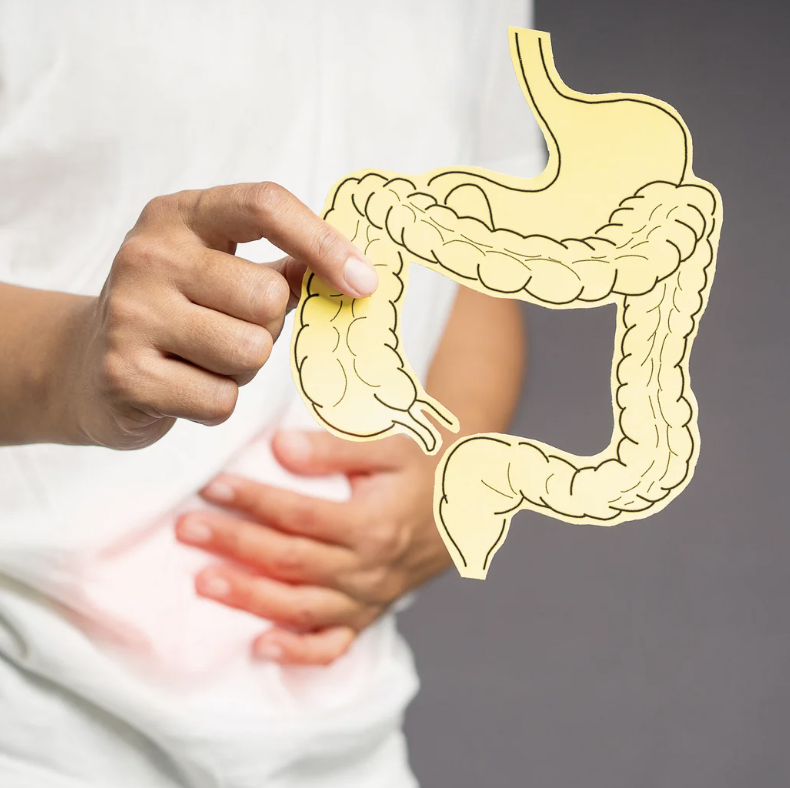
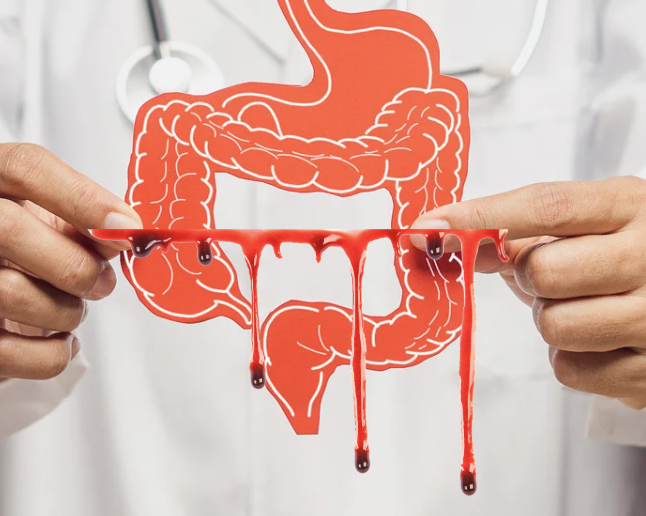
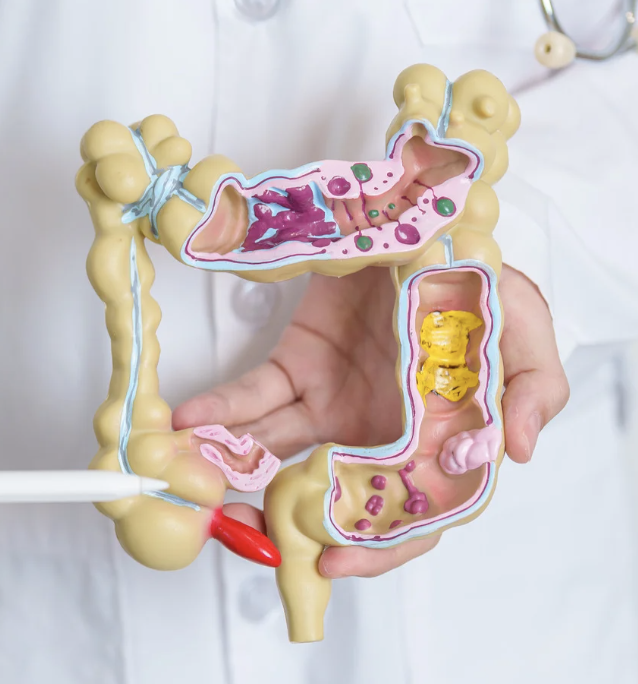
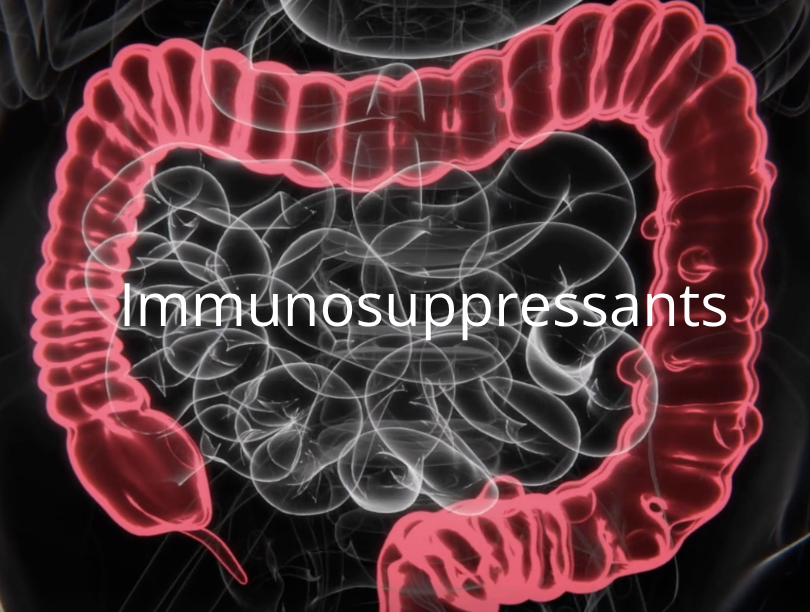
Ulcerative colitis is a chronic inflammatory bowel disease (IBD) characterized by inflammation and ulceration of the colonic and rectal mucosa. It develops due to immune dysfunction and may worsen over time, with periods of flare-ups and remission. Common symptoms include abdominal pain, diarrhea, blood in the stools, fatigue, and weight loss.
Ulcerative colitis can increase the risk of colon cancer, especially in long-standing cases. Crohn’s disease is another form of IBD, but it primarily affects the small intestine, whereas ulcerative colitis mainly involves the large intestine.
Understanding Ulcerative Colitis

Types of Ulcerative Colitis
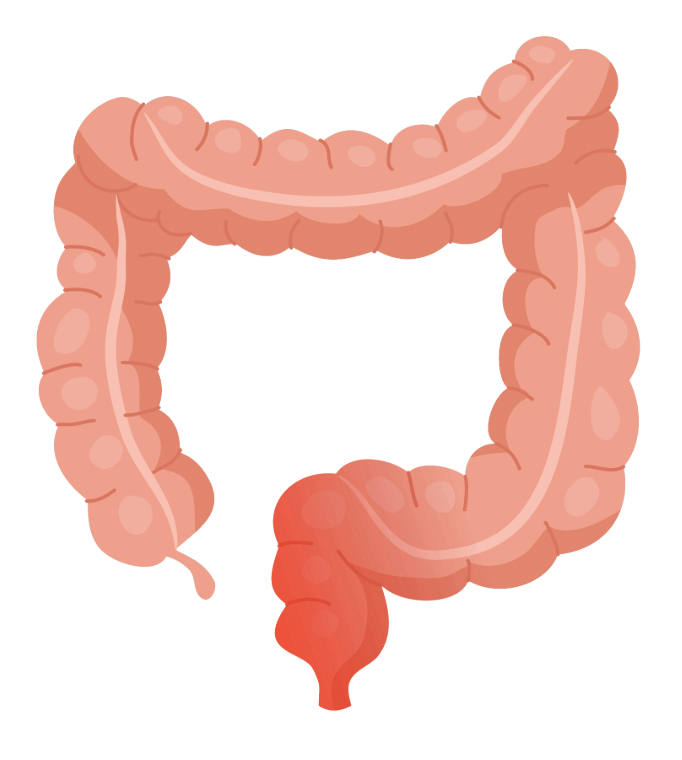
Ulcerative Proctitis
Inflammation limited to the rectum, often causing bleeding, urgency, and rectal discomfort.
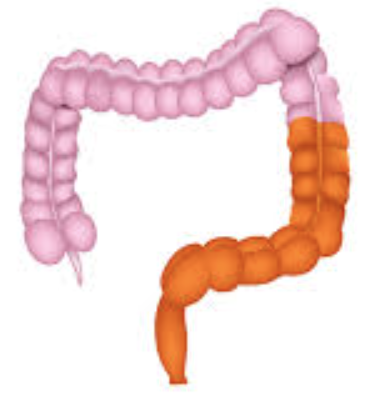
Proctosigmoiditis
Affects the rectum and sigmoid colon, leading to cramps, urgency, and frequent loose stools.
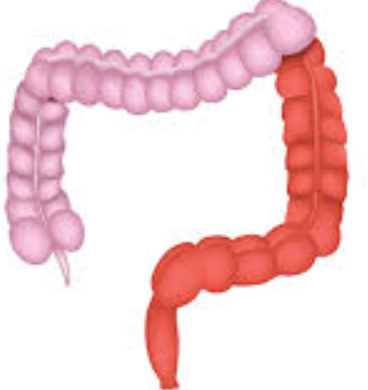
Left-Sided Colitis
Inflammation extends from the rectum up the left colon, causing pain, diarrhea, and weight loss.

Pancolitis
Involves the entire colon, leading to severe diarrhea, abdominal pain, and weakness.

Our Expertise in Ulcerative Colitis Treatment
- At Life Force Homeopathy, we have been managing a wide range of chronic diseases, including autoimmune conditions such as ulcerative colitis, for over four decades (since 1985). Our clinical experience shows that Ulcerative Colitis homeopathic treatment can help in symptom control and long-term management in many cases, though not in all. It is important to understand that no medical system can guarantee complete recovery in every case.
- We have treated and documented over 1,325 cases of ulcerative colitis and Crohn’s disease from across the world, with variable outcomes. Overall, early detection of cases tends to lead to a more favorable response to Homeopathic treatment for Ulcerative Colitis. Based on our experience, homeopathy should be explored before the disease becomes steroid-dependent or steroid-resistant.
- In cases with long-term use of corticosteroids or biologics, the response to homeopathy may be limited. In many early or moderate cases, homeopathic treatment can be used alongside conventional therapy as part of an integrated approach, under proper medical guidance and supervision by an experienced Homoeopathic doctor for ulcerative Colitis.
Homeopathy for Ulcerative Colitis
Homeopathy offers a gentle, individualized approach to managing ulcerative colitis by focusing on the underlying immune imbalance and each patient’s unique symptom pattern. Remedies aim to reduce flare-ups, ease discomfort, and support long-term stability. With careful assessment and consistent follow-up, homeopathy for ulcerative colitis can be a supportive option that enhances overall quality of life and well-being.
Case Studies

Ulcerative Colitis
Outstanding Recovery Achieved In Chronic Grade 3 Ulcerative Colitis With Homeopathy At Life Force
A 30-years-old male, Mr. D.P. (PIN 31161) consulted for ulcerative colitis on 30th January 2017 at Life Force. He was…
Ulcerative Colitis
Bleeding in stools stopped completely in a case of Ulcerative Colitis with Homeopathy
Mrs. S.J.G. (Patient Identification No: 18702); a thirty-four-year-old lady visited Life Force on 28th March 2012 for the treatment of…
Ulcerative Colitis
A Young Female Recovered From Ulcerative Colitis With Homeopathy At Life Force
A 35-years-old female, Mrs. R.R. (PIN: 29749) consulted at Life Force for her recurrent episodes of ulcerative colitis on 12th…
-
Alopecia Areata
-
Ankylosing Spondylitis
-
Asthma
-
Child Asthma
-
Eczema
-
Frequent Colds
-
Hair Fall
-
Hepatitis C
-
Irritable Bowel Syndrome (IBS)
-
Lichen Planus
-
Psoriasis
-
Trigeminal Neuralgia
-
Ulcerative Colitis
-
Underactive Thyroid
-
Urticaria
-
Vitiligo
Your Curability Test Guide
Learn about the curability test and begin by selecting your condition from the left

STEP 01
Select your condition

STEP 02
Submit the Form

STEP 03
Get report Instantly
FAQ on Ulcerative colitis
Expert Answers to Common Questions
Ulcerative colitis and Crohn’s disease are both forms of Inflammatory Bowel Disease (IBD). The main difference is that ulcerative colitis affects only the colon (large intestine) and involves surface-level inflammation, whereas Crohn’s disease can affect any part of the digestive tract and usually causes deeper inflammation.
Ulcerative colitis is a chronic and progressive condition. If left untreated, inflammation can continue to damage the colon, leading to more ulcers and an increased risk of complications over time.
Homeopathy plays a supportive role in the management of ulcerative colitis. It aims to help regulate the underlying immune response, reduce symptoms such as diarrhea and abdominal discomfort, and may help bring the disease into remission in suitable cases.
Response to treatment depends on the severity of the disease and individual health factors. Many patients may begin to notice improvement within six to eight weeks. Patients who have not been on prolonged or heavy immunosuppressive medication often respond better.
Homeopathic treatment is generally considered safe for long-term use in ulcerative colitis when taken under professional guidance.
Based on clinical experience, patients who have been on high doses of strong immunosuppressive drugs, such as cyclophosphamide, for long periods may not be ideal candidates for homeopathic treatment.
Homeopathic medicine selection is individualized and depends on specific symptoms and disease patterns. Some of the commonly used medicines for ulcerative colitis include Arsenicum album, Lycopodium clavatum, Phosphorus, Sulphur, Aurum muriaticum, Mercurius solubilis, Carbo animalis, Tuberculinum, Pulsatilla nigricans, Aloe socotrina, and others.
Homeopathy tends to be more effective when started in the early stages of ulcerative colitis. However, patients may seek homeopathic treatment at any stage. In very severe cases with heavy dependence on immunosuppressive drugs, the response to homeopathy may be limited.
Ulcerative colitis is a chronic autoimmune condition that may increase the risk of colitis-associated colorectal cancer (caCRC) in some patients, especially with long-standing disease. However, it is important to note that not every patient with ulcerative colitis develops colon cancer.
Related Diseases
Ask Dr. Rajesh Shah
Dr. Rajesh Shah, MD (Homeopathy), is a renowned Mumbai-based homeopath, recognized for treating patients from 180 countries, including celebrities and underprivileged individuals.
Contact Our Nearest Clinic