


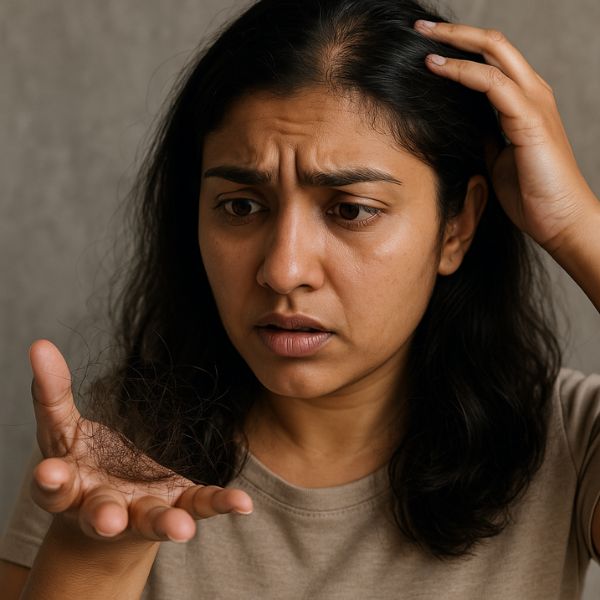
Dr. Rajesh Shah’s Insights on Hair Fall
According to Dr. Rajesh Shah, hair fall is rarely an isolated scalp problem. Hair growth and hair loss are closely connected to overall health, nutrition, hormonal balance, emotional stress, immune function, and genetic tendencies. In many patients, excessive hair fall reflects an internal imbalance rather than damage limited to the hair shaft or scalp.
With a personalized approach, attention is given to the patient’s overall health, medical history, stress levels, and scalp condition. Hair fall treatment in homeopathy aims to provide steady improvement by addressing internal factors that influence the hair growth cycle, rather than offering short-term symptomatic solutions.

180+
Countries

2875+
Hair Fall Patients Treated

30+
Team of Expert Doctors

40+
Years of Experience

100% Satisfaction
If you are not satisfied after 6 weeks of treatment, you may request a refund for the unused portion of services as per our policy, upon return of unused medicines. Our team will assist you with the process. No cure is assured within six weeks. For full terms, please visit our Detailed Refund Policy page.
What is Hair Fall?
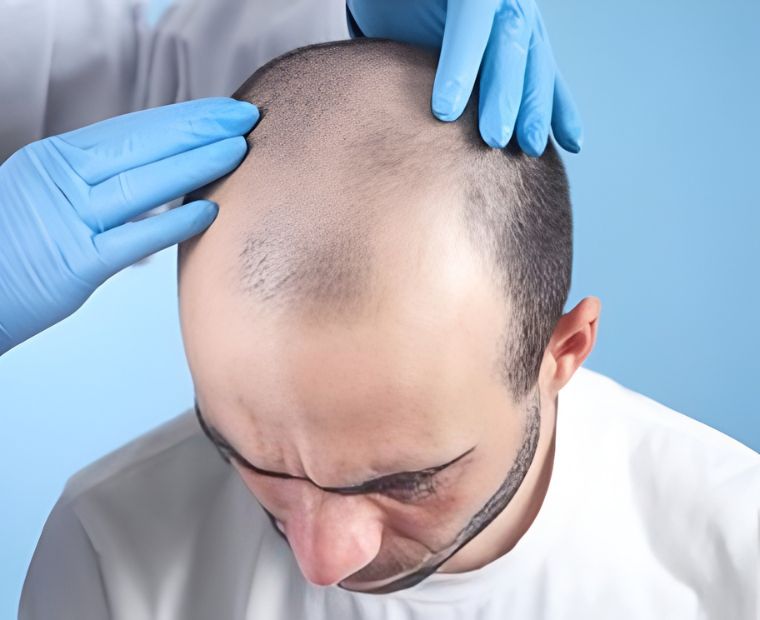
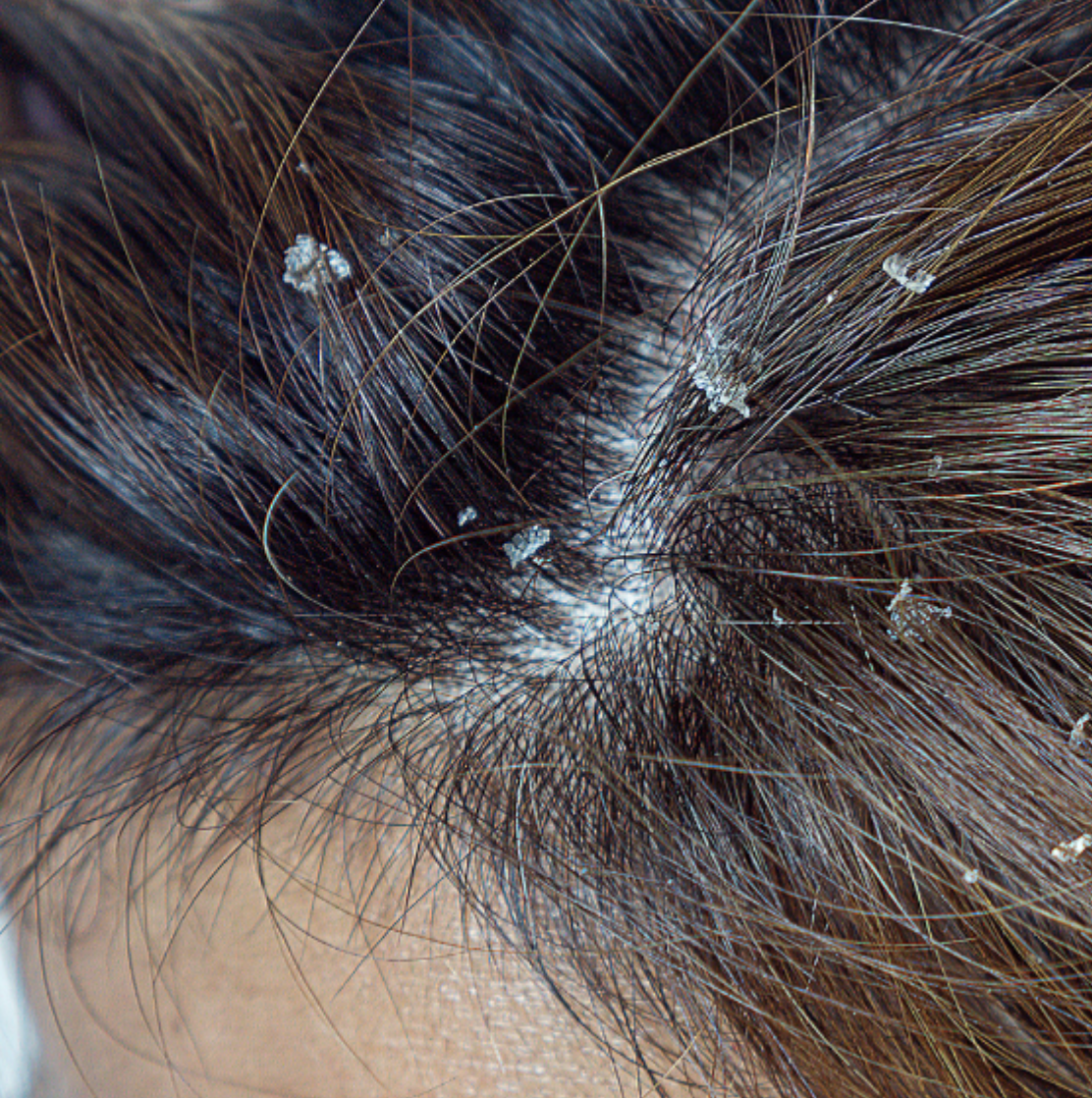
Hair fall refers to the shedding or loss of hair from the scalp or other parts of the body. Some amount of daily hair shedding is normal, as hair naturally follows a growth cycle consisting of the anagen (growth), catagen (transition), and telogen (resting) phases. On average, the loss of 70 to 100 hairs per day is considered normal.
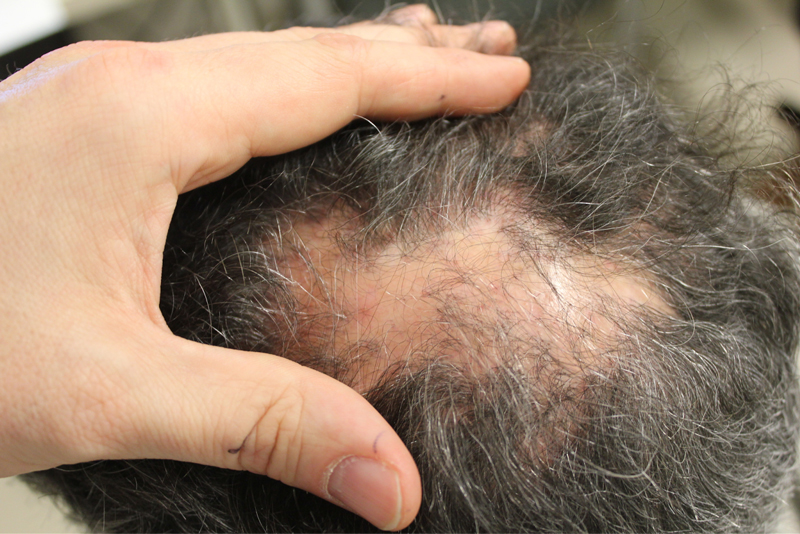
Hair fall becomes a clinical concern when hair loss increases suddenly, persists over months, or leads to visible thinning, widening of the part line, or bald patches. Conditions such as pattern hair loss, telogen effluvium, and autoimmune hair loss may present differently and require individualized evaluation. Understanding the type, duration, and triggers is essential before planning treatment.
Understanding Hair Fall

Types of Hair loss
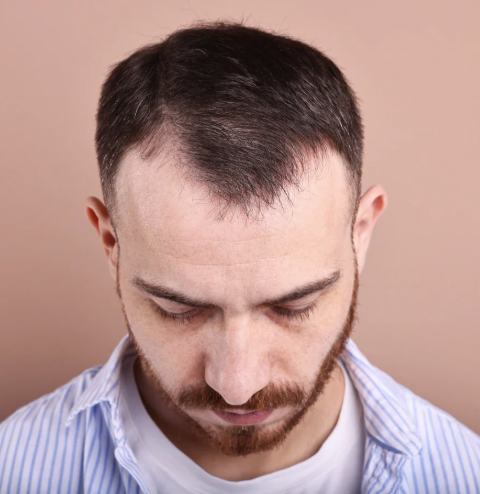
Androgenetic Alopecia
Genetic, progressive thinning.
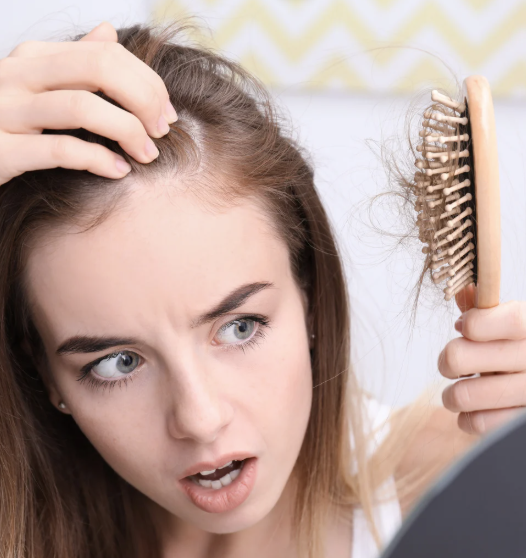
Telogen Effluvium
Sudden shedding after stress or illness.
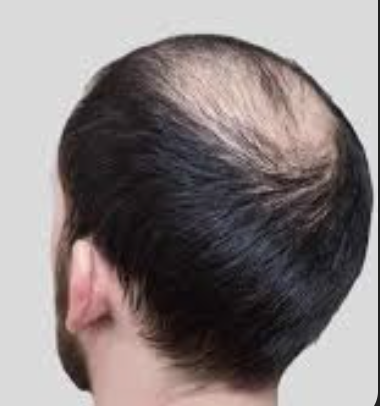
Alopecia Areata
Patchy autoimmune hair loss.
Traction Alopecia
Hair loss due to mechanical stress.
Our Expertise
● Extensive Clinical Experience:- At Life Force, thousands of patients with hair loss have been treated over the years. Dr. Rajesh Shah has wide clinical experience in managing hair fall, autoimmune hair loss, and Alopecia Areata using research-based hair fall treatment in homeopathy. Patients from around the world have sought care for both male-pattern and female-pattern hair loss under his guidance.
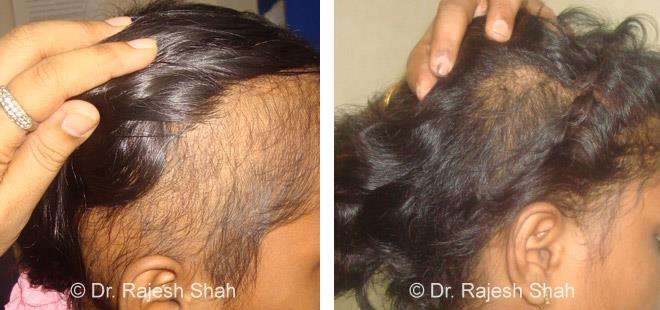
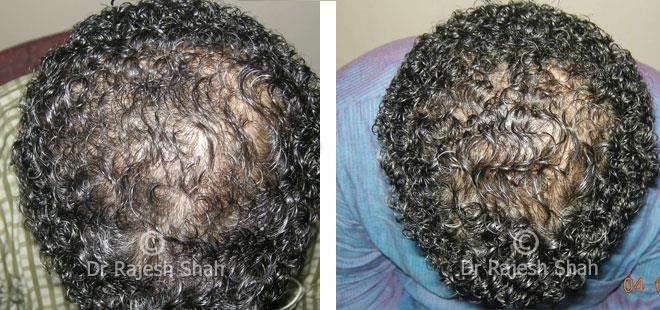
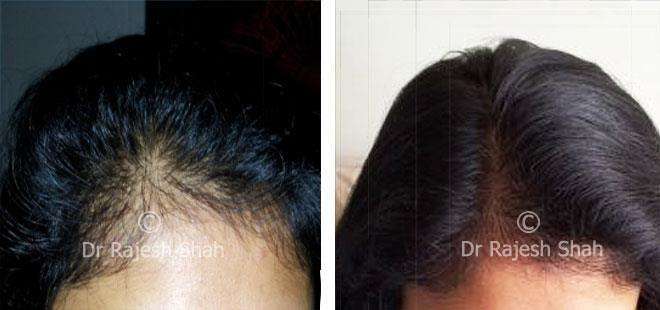
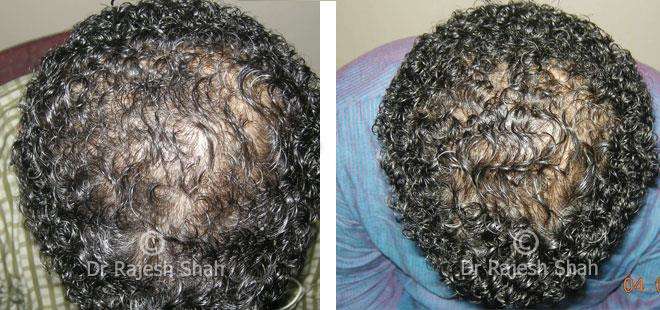
● Treatment Outcomes:- Hair loss and Alopecia Areata can be effectively controlled with appropriate, timely treatment, although established baldness cannot be reversed. With individualized hair fall treatment, many patients report noticeable improvement within 8 to 10 weeks, including a significant reduction in severe or excessive hair fall, depending on the underlying cause and duration.
● Conditions Managed:- Life Force manages a wide range of hair-related conditions, including Alopecia Areata, male pattern hair loss, female pattern hair loss, trichotillomania, and tinea capitis, through individualized and research-supported homeopathic treatment for hair fall, focused on long-term management and internal balance.
● Male pattern baldness is not curable
Homeopathy for Hair Fall
Homeopathy for hair fall focuses on restoring internal balance rather than suppressing symptoms. Treatment is individualized and aims to provide steady, long-term control by addressing stress, hormonal imbalance, immune sensitivity, and nutritional factors.
For patients seeking hair fall treatment in homeopathy, this approach may help reduce recurrence, improve scalp health, and support overall well-being under professional supervision.
Case Studies

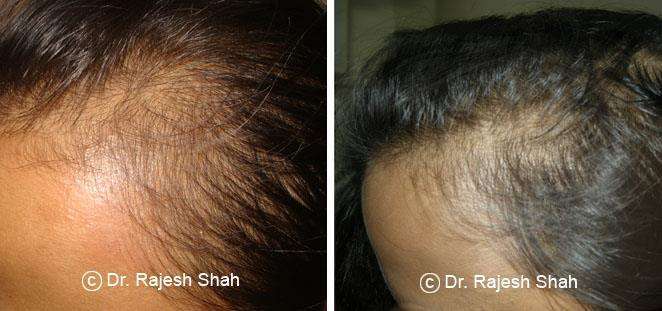
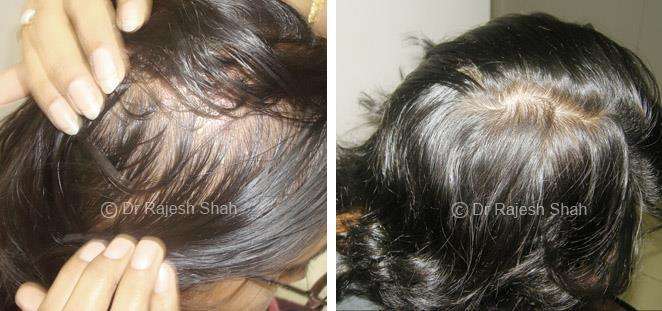
Hair Fall
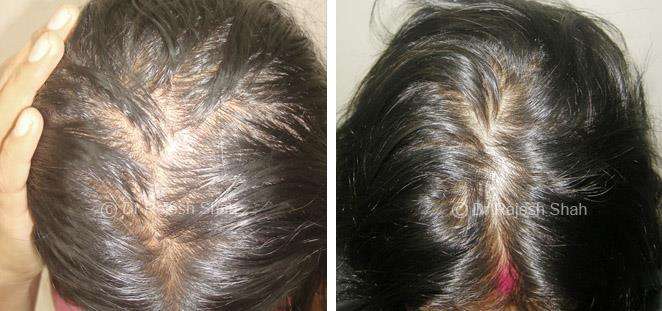
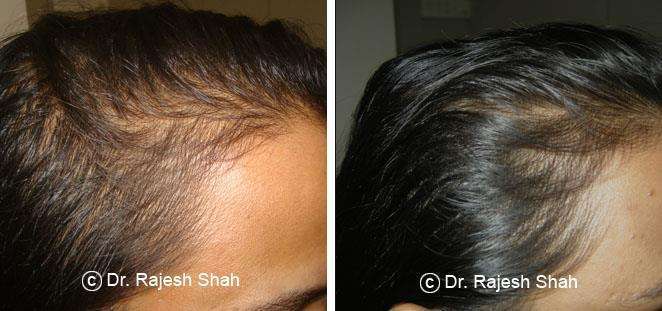
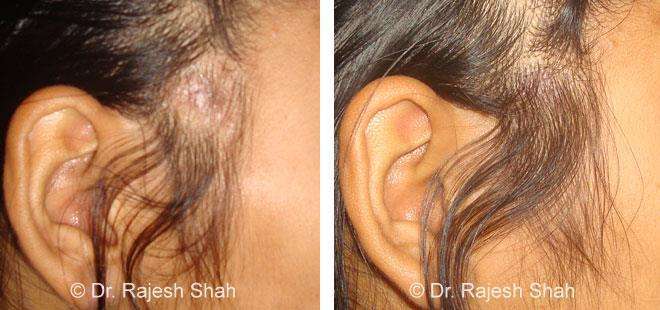
There was amazing regrowth of hair and my hairloss reduced tremendously..
A 33 yr old female (Patient Reference Number: 13329) reported to Life Force with severe hair fall since over six…
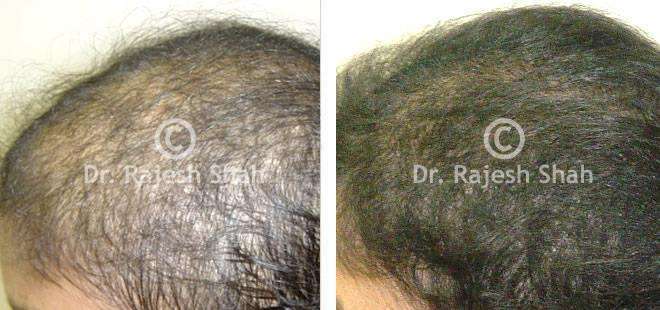
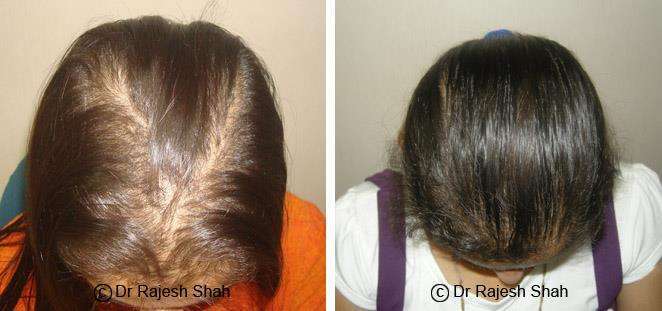
Hair Fall
19 years old case of hair loss responded very well to omeopathic treatment…
Miss R.K 19 years old female from Pakistan (Patient identification no- 16924) registered as an online patient for the treatment…
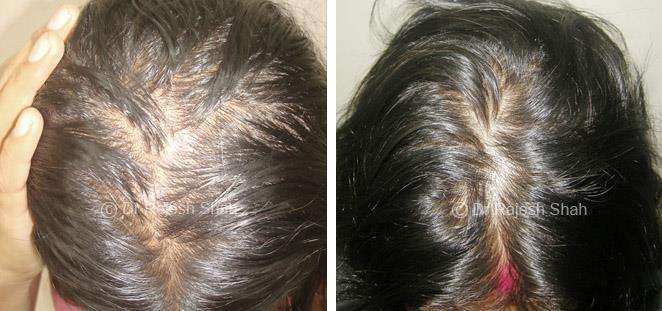
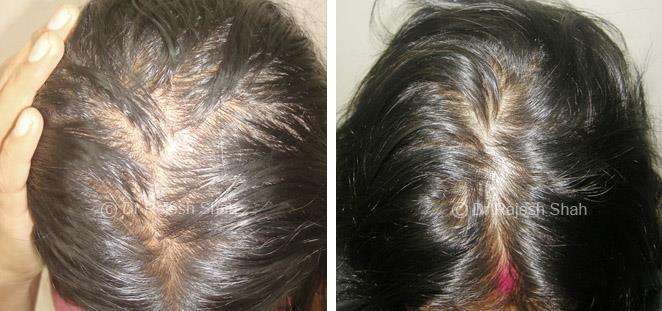
Hair Fall
I wish I had started the treatment much early.
Mrs. T.G. aged 29 years (Patient Identification Number 10279) was suffering from hair fall. Her hair fall started after delivery…
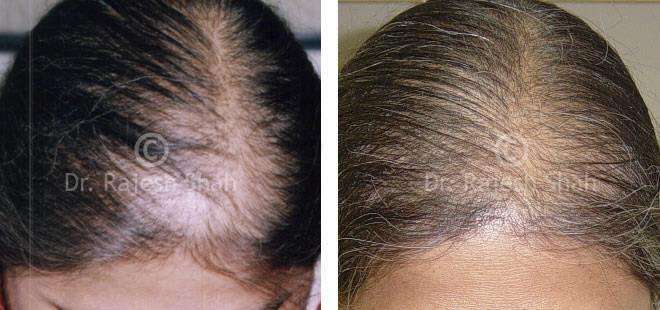
Real Case Outcomes
-
Alopecia Areata
-
Ankylosing Spondylitis
-
Asthma
-
Child Asthma
-
Eczema
-
Frequent Colds
-
Hair Fall
-
Hepatitis C
-
Irritable Bowel Syndrome (IBS)
-
Lichen Planus
-
Psoriasis
-
Trigeminal Neuralgia
-
Ulcerative Colitis
-
Underactive Thyroid
-
Urticaria
-
Vitiligo
Your Curability Test Guide
Learn about the curability test and begin by selecting your condition from the left

STEP 01
Select your condition

STEP 02
Submit the Form

STEP 03
Get report Instantly
FAQ on Hair Fall
Expert Answers to Common Questions
Homeopathy may help reduce chronic hair loss by addressing internal factors such as hormonal imbalance, nutritional deficiencies, stress, and other underlying causes.
Losing about 30 to 50 hair strands per day is considered normal and usually does not require treatment. Hair loss beyond this, especially when associated with thinning or reduced hair volume, may require medical evaluation and treatment.
Male pattern baldness is primarily caused by genetic and hormonal factors. It cannot be reversed with homeopathy.
Simple hair loss, which may result from stress, nutritional deficiency, or hormonal imbalance, often responds well to homeopathic treatment.
Stress-induced hair loss may be controlled and reduced. In such cases, stress management through lifestyle changes, appropriate medical care, and counseling may be necessary along with treatment.
Prolonged or intense stress or illness can disrupt hormonal balance and the normal hair growth cycle, leading to increased hair shedding and thinning.
Hair loss due to hormonal imbalance requires correction of the underlying hormonal disturbance. Homeopathy may be considered as one of the supportive options for hormonal regulation, based on individual assessment.
Post-pregnancy hair fall is common due to hormonal fluctuations, metabolic changes, stress, and possible nutritional deficiencies. It usually begins a few months after delivery and often improves gradually over time.
Established baldness, including male pattern baldness, cannot be reversed with homeopathy or other non-surgical treatments.
Depending on the cause and its correction, signs of improvement in hair fall may be noticed within six to eight weeks. Complete recovery may take longer and varies from person to person.
Common causes of excessive hair fall include:
● Hormonal imbalance (thyroid disorders, testosterone-related issues)
● Nutritional deficiencies (Vitamin B12, Vitamin D3, iron)
● Stress
● Use of chemical treatments and hair dyes
● Genetic factors
● Hard water and environmental exposure
Related Diseases

Ask Dr. Shah
Dr. Rajesh Shah, MD (Homeopathy), is a renowned Mumbai-based homeopath, recognized for treating patients from 180 countries, including celebrities and underprivileged individuals.
Contact Our Nearest Clinic