


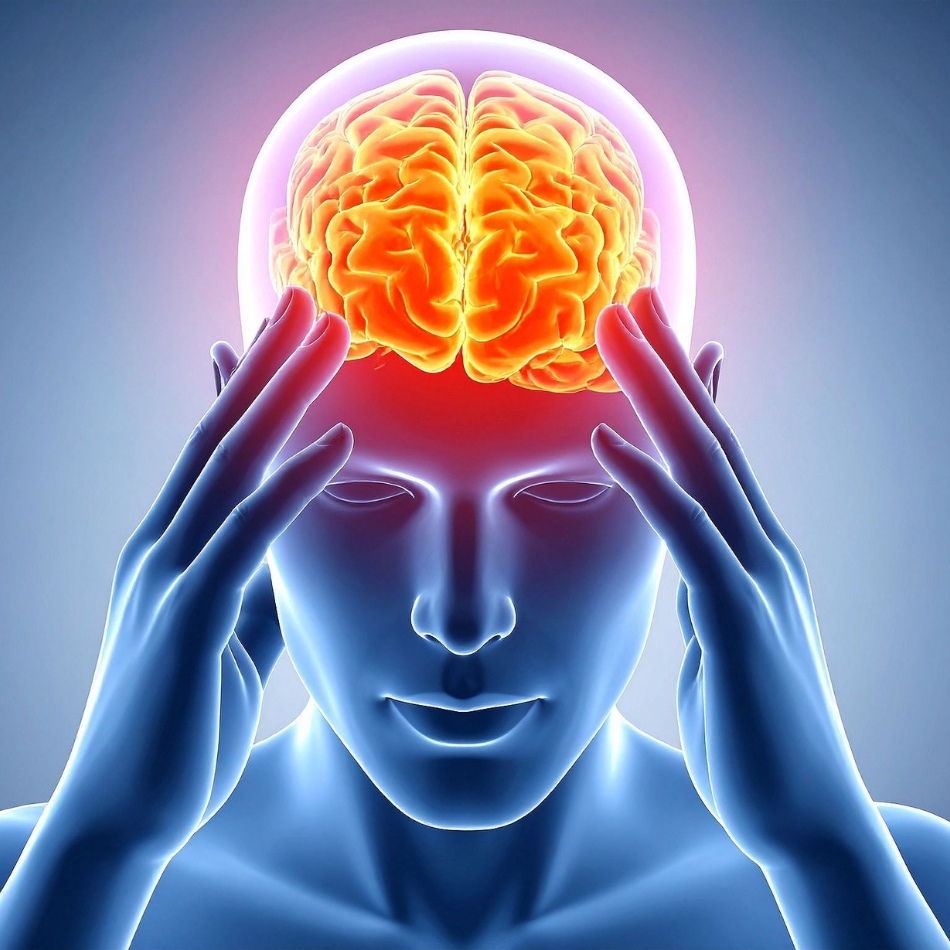
Dr. Shah's insights on Migraine
Dr. Rajesh Shah brings over four decades of clinical experience in managing recurrent migraine headaches through research-based homeopathic protocols. His approach emphasizes understanding why migraine happens, identifying individual triggers, and improving the body’s tolerance to migraine attacks. This method aims at long-term stability by reducing attack intensity, recurrence, and associated discomfort, while maintaining ethical, patient-centred care.

180+
countries

1200+
Migraine Patients Treated

30+
Team of Expert Doctors

40+
Years of experience

100% Satisfaction
If you are not satisfied after 6 weeks of treatment, you may request a refund for the unused portion of services as per our policy, upon return of unused medicines. Our team will assist you with the process. No cure is assured within six weeks. For full terms, please visit our Detailed Refund Policy page.
What is Migraine?
Migraine is a chronic neurovascular condition characterized by recurrent, throbbing headaches, usually affecting one side of the head. Episodes can last from several hours to days and are often accompanied by nausea, vomiting, and sensitivity to light, sound, or smell. These migraine symptoms can interfere significantly with daily activities during an attack.
Common migraine causes include stress, hormonal fluctuations, disturbed sleep, dietary triggers, strong smells, and environmental changes. Some individuals experience visual or sensory disturbances before the headache begins, while others do not. As migraine headache symptoms vary widely, identifying personal triggers and early warning signs is essential for effective long-term management.
Understanding Migraine
Types of Migraine

Migraine with Aura
Headache preceded by temporary visual or sensory disturbances such as flashes of light, zigzag lines, or tingling sensations.
Migraine without Aura
The most common type, characterized by recurrent throbbing headaches without prior warning signs.
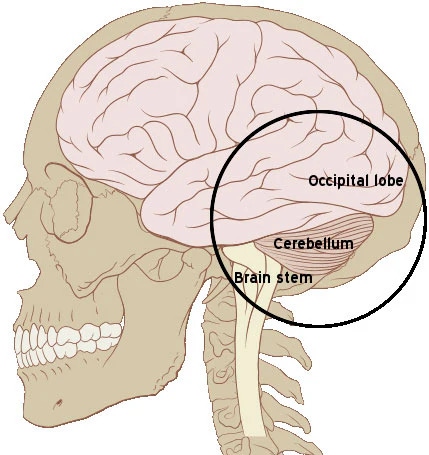
Basilar Migraine
Migraine associated with brainstem symptoms such as dizziness, imbalance, slurred speech, or double vision.
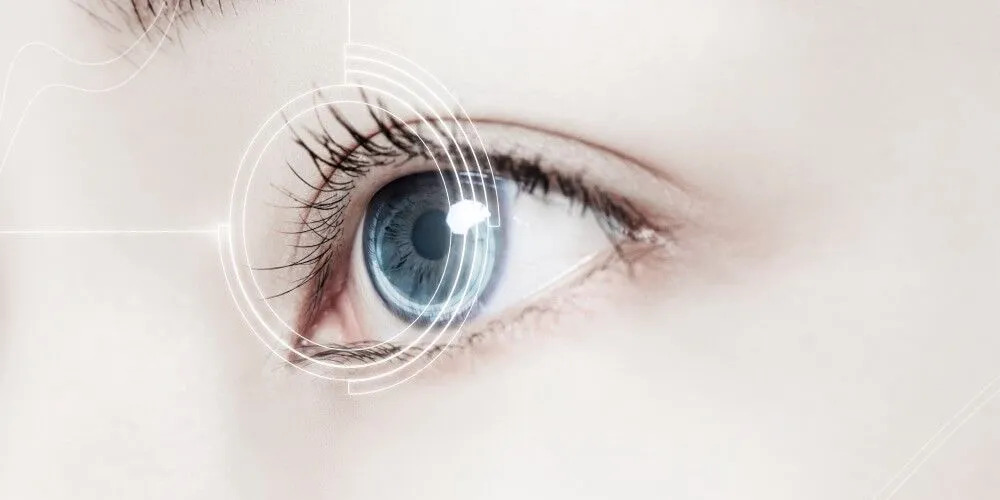
Retinal Migraine
Brief episodes of visual disturbance or partial vision loss in one eye followed by headache.
Our Expertise
• With over 40 years of clinical experience, we have managed a wide spectrum of migraine headaches, including episodic, chronic, menstrual, vestibular, and stress-related cases. Patients with early-stage or lifestyle-triggered migraine pain often respond faster, while long-standing, hormone-related, medication-overuse, or genetically predisposed cases may require longer migraine treatment duration.
• Patients experiencing frequent migraine headache symptoms, intense migraine pain, or specific types of migraine headaches, such as migraine with aura or without aura, are assessed individually to understand why migraine occurs and how triggers influence attack patterns.
• Every migraine case is unique. A detailed evaluation of migraine symptoms, triggers, lifestyle patterns, sleep habits, and overall health is essential to design a personalized and effective homeopathic plan aimed at helping reduce migraine headache frequency and severity over time.
Homeopathy for migraine
Homeopathy aims to improve the body’s ability to cope with migraine pain by addressing deeper triggers such as stress, hormonal imbalance, disturbed sleep, digestive issues, and emotional factors. Instead of only suppressing pain, treatment focuses on raising the migraine threshold over time, making attacks less frequent and more manageable. Our Migraine treatment is individualized based on headache pattern, sensitivities, and triggers, supporting long-term control and improved quality of life without dependency on painkillers.
Case Studies

Migraine
After treatment with homeopathy Asthma and Migraine remained only as a past history
A 27-year-old female, Mrs. C D (PIN 3712), visited Life Force on 12 Feb 2001, for the complaints of recurrent…
Migraine
I can concentrate on my work now as my Headache is completely better with Homeopathy
Mr. A.N., a 28-year-old general manager in a private company, resident of Mumbai, India, reported at Life Force in June…
Gastritis
Mrs. P. S. suffering from Migraine since 4 years cured with homeopathy within 6 months treatment
Mrs. P. S aged 56 years (Patient Identification Number 9954) visited Life Force on 6th September 2007 for the treatment…
-
Alopecia Areata
-
Ankylosing Spondylitis
-
Asthma
-
Child Asthma
-
Eczema
-
Frequent Colds
-
Hair Fall
-
Hepatitis C
-
Irritable Bowel Syndrome (IBS)
-
Lichen Planus
-
Psoriasis
-
Trigeminal Neuralgia
-
Ulcerative Colitis
-
Underactive Thyroid
-
Urticaria
-
Vitiligo
Your Curability Test Guide
Learn about the curability test and begin by selecting your condition from the left

STEP 01
Select your condition

STEP 02
Submit the Form

STEP 03
Get report Instantly
FAQ on Migraine
Expert Answers to Common Questions
A headache refers to any pain in the head. Migraine is a specific type of headache caused by complex neurological and vascular mechanisms. All migraines are headaches, but not all headaches are migraines.
Common migraine symptoms may include one-sided or sometimes both-sided head pain, throbbing or pulsating pain, moderate to severe intensity, and episodes triggered or worsened by stress, bright lights, sun exposure, lack of sleep, or hormonal changes (such as before menstruation). Migraines may be accompanied by nausea, vomiting, sensitivity to light or sound, and sometimes visual disturbances known as aura. Episodes can last from a few hours to two or three days.
Migraine headaches result from complex changes in the body involving brain activity, nerve signaling, blood vessel sensitivity, and the release of inflammatory chemicals.
Clinical experience suggests that many individuals with migraine may experience improvement with homeopathic treatment. Homeopathy may help reduce the frequency, duration, and intensity of migraine episodes and may support reduced dependence on conventional medicines in some cases.
The exact reason is not fully understood. Migraine pain is believed to occur due to localized neurovascular changes affecting one side of the brain and its pain pathways. In some individuals, migraine may affect both sides.
Recurrent migraines may be related to genetic predisposition, nervous system sensitivity, hormonal factors, and continued exposure to personal triggers such as stress, sleep disturbance, certain foods, or environmental factors.
Without medication, migraine attacks may last from a few hours up to two or three days. In some severe cases, they may persist longer.
Homeopathic medicines may generally be taken alongside conventional treatments under medical supervision.
In some individuals, regular moderate exercise may help reduce migraine frequency over time. However, during an active migraine attack, most patients prefer rest in a quiet, dark environment.
Related Diseases


Ask Dr. Shah
Dr. Rajesh Shah, MD (Homeopathy), is a renowned Mumbai-based homeopath, recognized for treating patients from 180 countries, including celebrities and underprivileged individuals.
Contact Our Nearest Clinic