


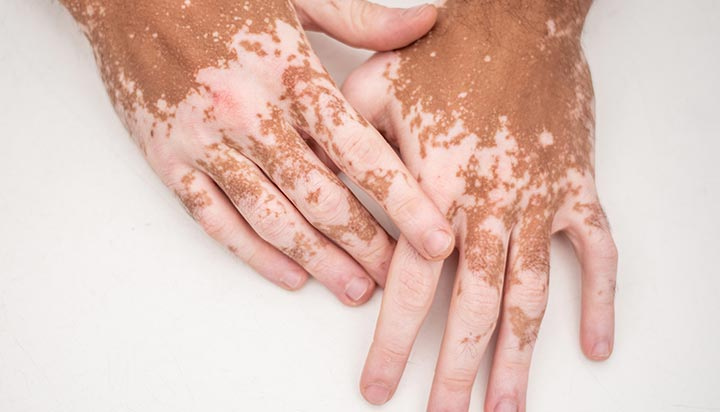
Dr. Rajesh Shah’s homeopathy for Vitiligo
Dr. Rajesh Shah has treated 12,400+ cases from 180+ countries. His research demonstrates that nanoparticle-based homeopathic formulations may help stimulate melanogenesis, the natural process of pigment formation in the skin. Based on this evidence and long-term clinical experience, Dr. Shah’s team provides clear, medically responsible guidance on the scope of homeopathic vitiligo treatment, whether patients seek treatment for white spots on skin online or in person.
His research demonstrates that nanoparticle-based homeopathic formulations may help stimulate melanogenesis, the natural process of pigment formation in the skin. Based on this evidence and long-term clinical experience, Dr. Shah’s team provides clear guidance on the scope of treatment—whether patients seek care online or through our clinics.

180
Our patients from 180+ countries, an established world record

29
Our vitiligo patients from every Indian state, districts and towns

12400+
Patients from across the continents

40
Years of experience, since 1985
100% Satisfaction
If you are not satisfied after 6 weeks of treatment, you may request a refund for the unused portion of services, per our policy, upon returning the unused medicines. No cure is assured within six weeks. For full terms, please visit our Detailed Refund Policy page.
What is Vitiligo?
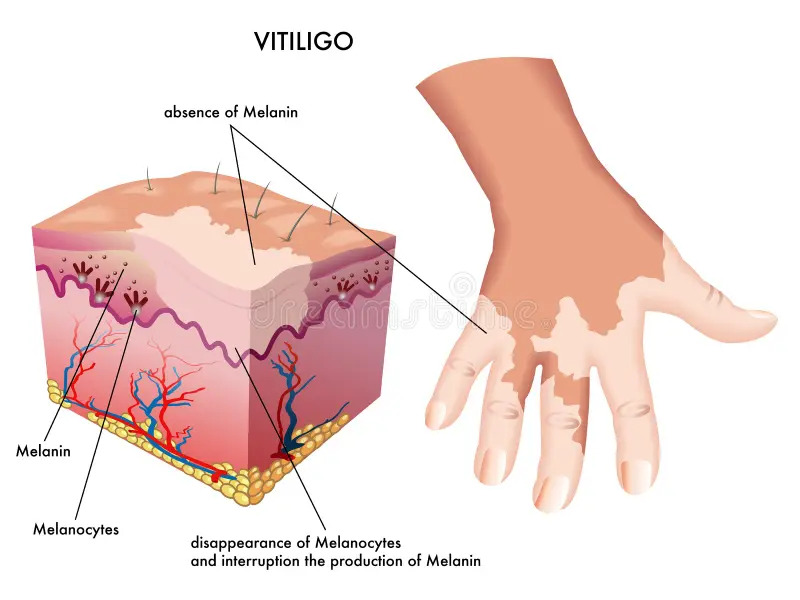
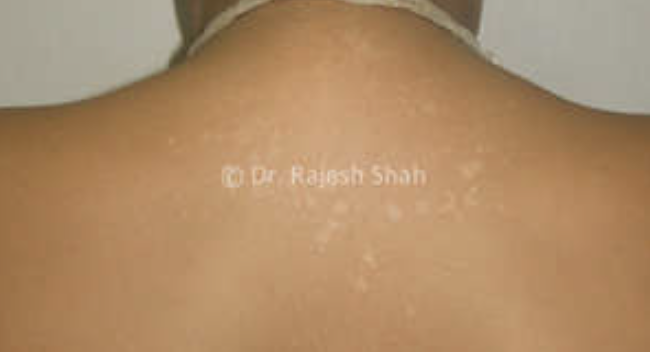
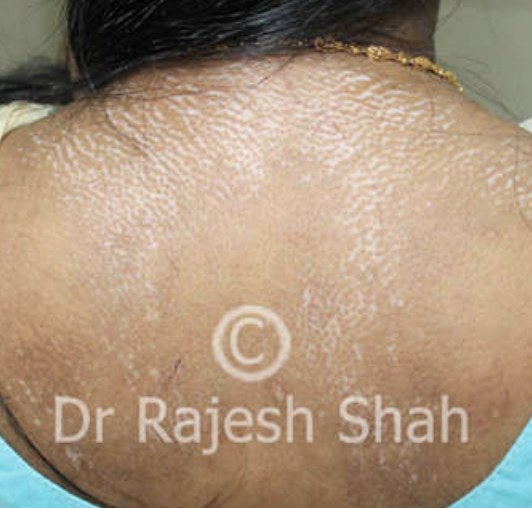
Vitiligo is an autoimmune condition characterized by loss of skin pigmentation, resulting in white or light-colored patches. This occurs when melanocytes—the cells that produce melanin—are destroyed or no longer function. Although the exact cause is unknown, genetic, hormonal, and immune factors are strongly associated. Vitiligo homeopathic treatment focuses on understanding these underlying factors and supporting overall skin health.
Vitiligo may occur anywhere on the body and can also affect the hair, lips, and genitalia. In some individuals, it remains limited for years; in others, it may spread unpredictably. The condition is not contagious and does not damage internal organs, though it can coexist with eczema, psoriasis, or hypothyroidism. Homeopathic treatment for vitiligo is often considered a supportive approach to managing associated conditions.
-
Alopecia Areata
-
Ankylosing Spondylitis
-
Anxiety Disorder
-
Asthma
-
Cancer
-
Child Asthma
-
Diabetes
-
Eczema
-
Frequent Colds
-
Hair Fall
-
Hepatitis C
-
Irritable Bowel Syndrome (IBS)
-
Lichen Planus
-
Migraine
-
Psoriasis
-
Trigeminal Neuralgia
-
Ulcerative Colitis
-
Underactive Thyroid
-
Urticaria
-
Vitiligo
Loading questions for Vitiligo…
Understanding Vitiligo



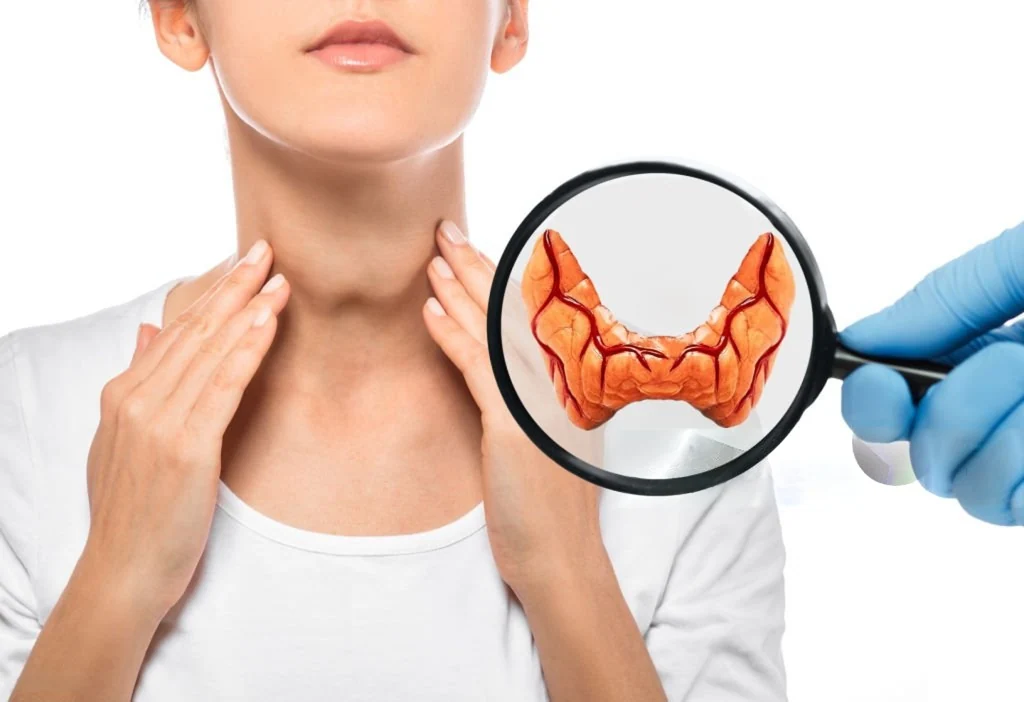

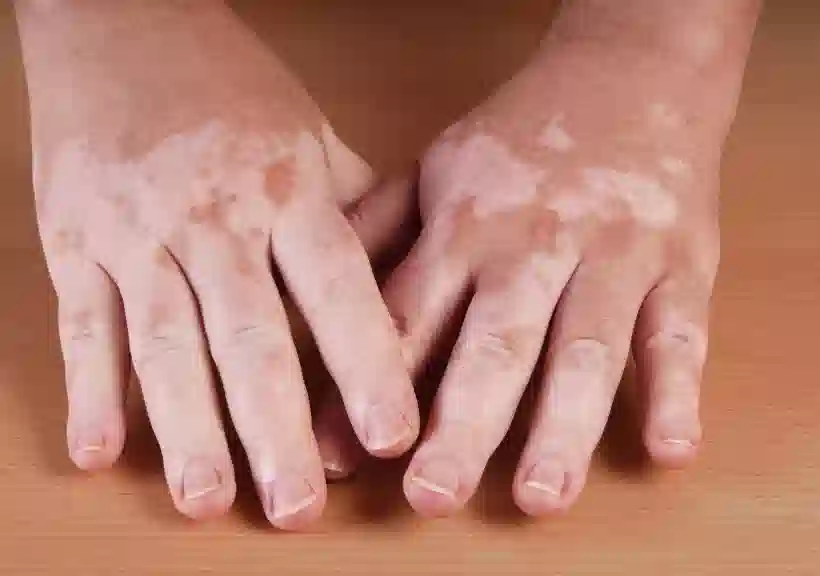


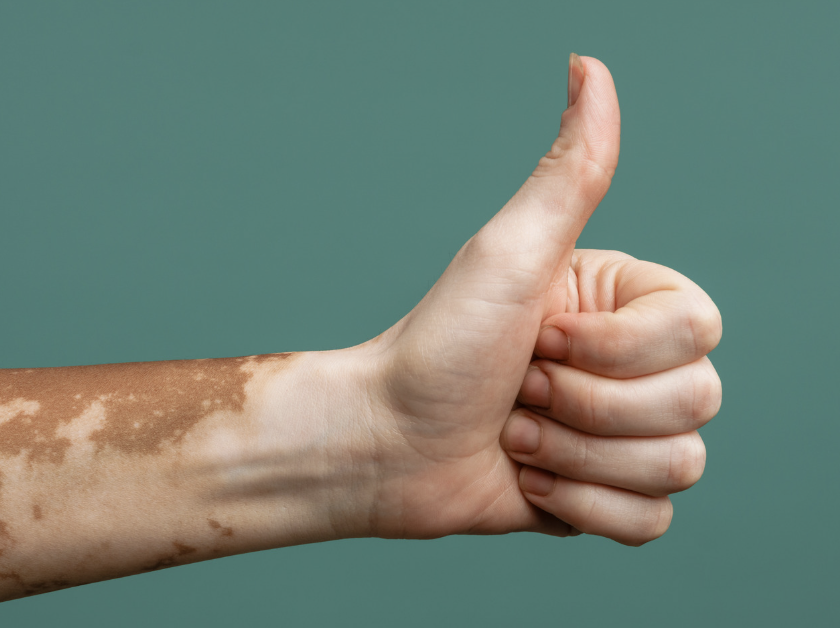



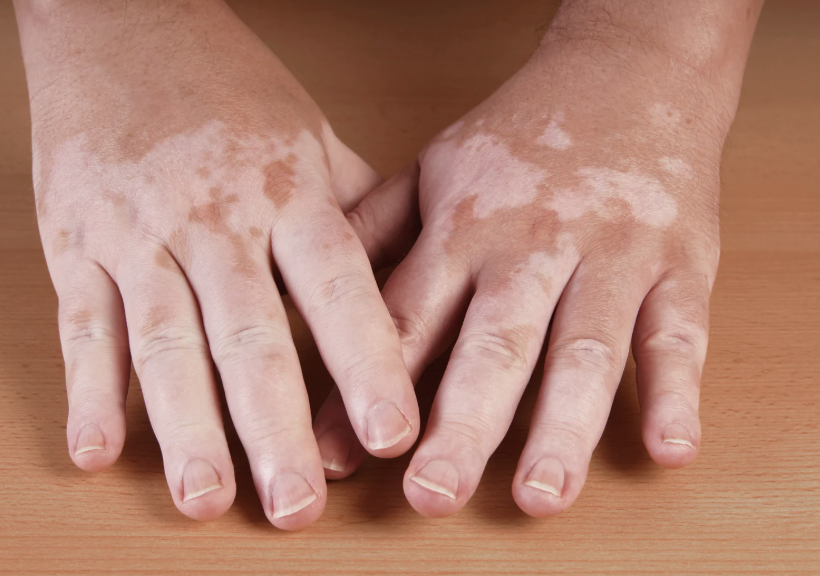
Types of Vitiligo
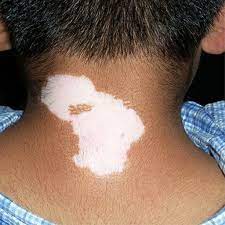
Segmental
Affects only one side or segment of the body.
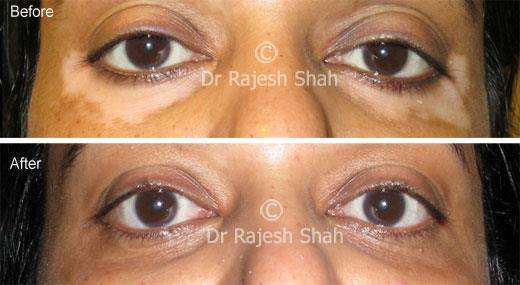
Bilateral symmetrical
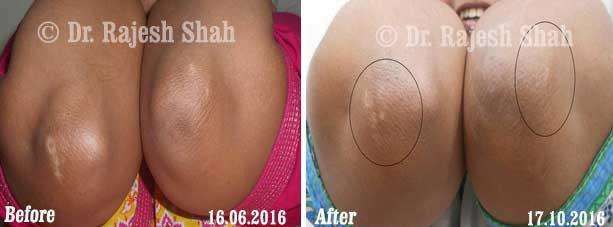
Both sides of the body, knees, around the eyes, elbows, etc.
Mucocutaneous junctions
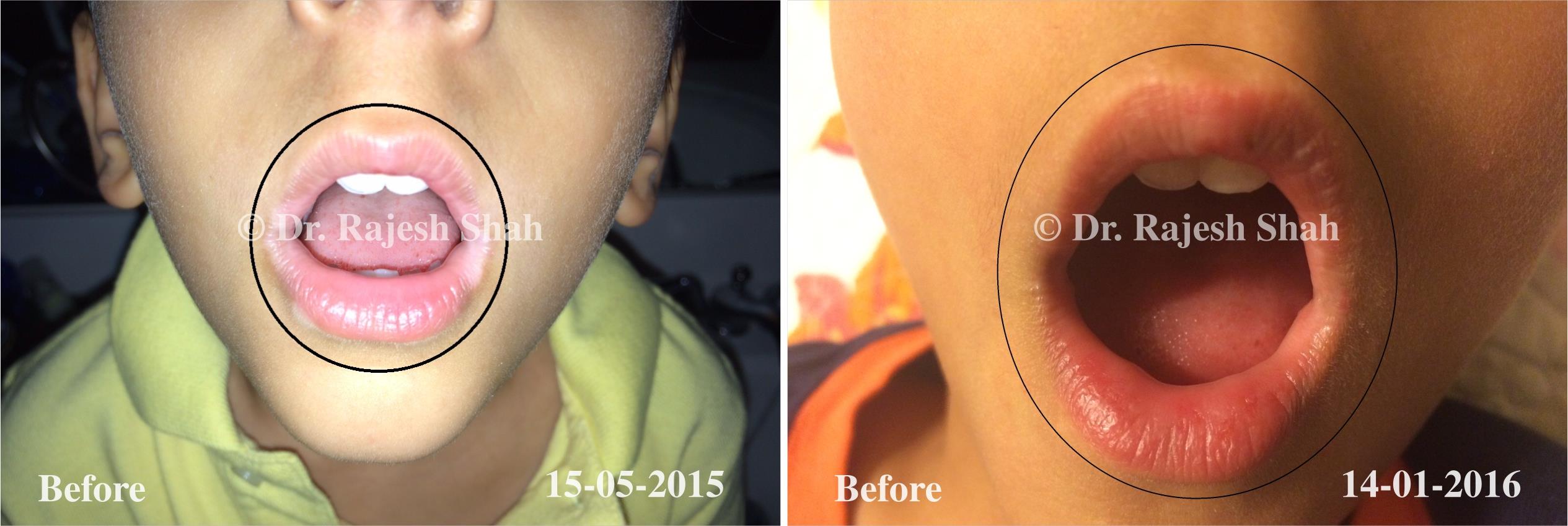
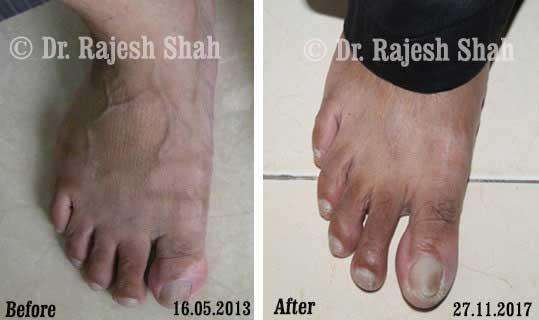
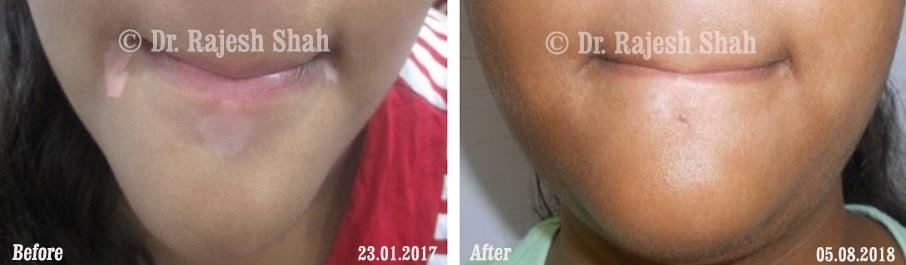
Affecting tips and toes, lips, and private parts
Universal
Extensive pigment loss covering most of the body
Our Expertise in Vitiligo Treatment
-
With over 40 years of clinical experience, we have managed a wide range of vitiligo cases worldwide—including segmental, symmetrical, mucocutaneous, single-patch, and multi-patch types, ranging from mild to extensive.
-
Mild, few-spot, and recently developed cases tend to respond more favorably. In contrast, long-standing, widespread, rapidly spreading cases, or those with recent steroid use or associated autoimmune diseases, may show slower or limited improvement.
-
Dr. Rajesh Shah’s newly developed homeopathic medicines have further improved treatment outcomes in many patients.
-
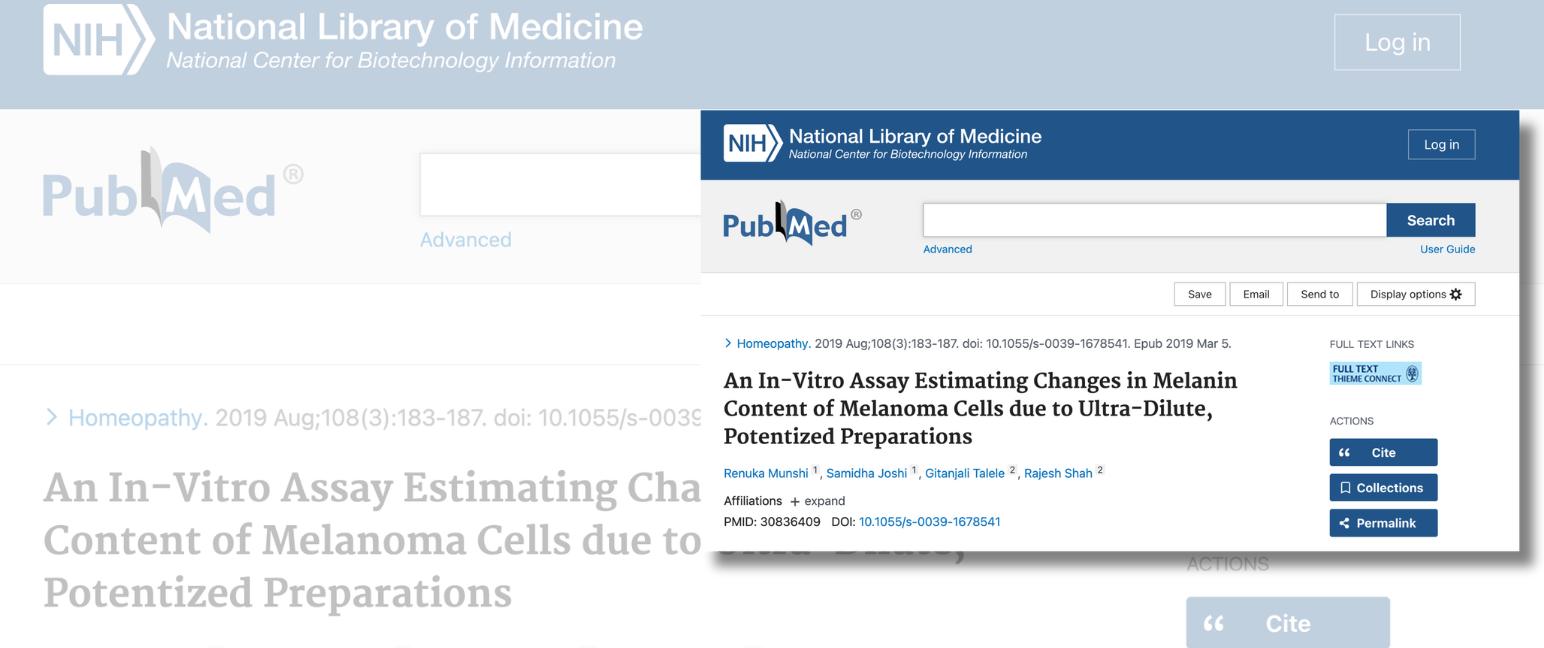
Scientific studies by our research team, led by Dr. Shah, have demonstrated the melanin-stimulating activity of these medicines in laboratory models. Link to research paper.
Vitiligo Homeopathy Treatment
Vitiligo is an autoimmune disorder in which visible white patches on the skin reflect an internal immune imbalance. Therefore, effective treatment of vitiligo should address the root cause within the immune system rather than relying solely on external applications. Homeopathy follows this internal, holistic principle and offers a medically responsible approach to treating white spots on the skin, aiming to regulate the immune system, control disease, and provide long-term management in suitable cases.






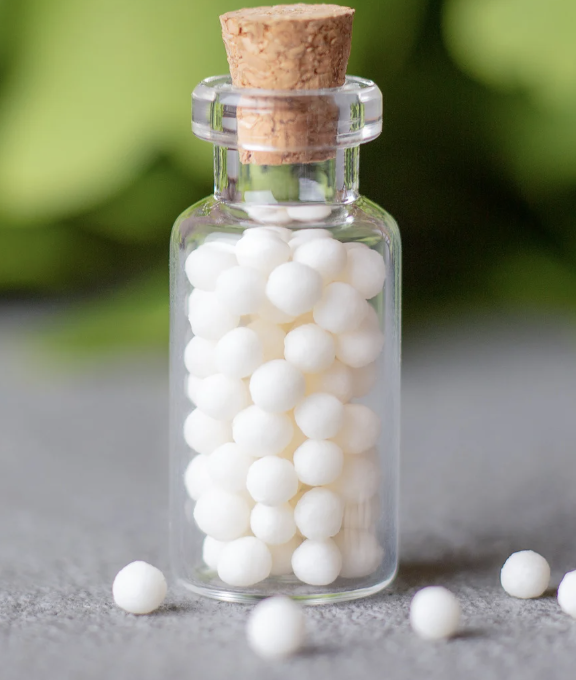
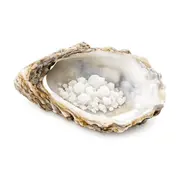
Homeopathic medicines for Vitiligo
Source: Calcarea carbonica is prepared from the middle layer of oyster shell, mainly calcium carbonate.
In homeopathy, Calcarea carbonica is one of the commonly used medicines considered in chronic skin conditions, including vitiligo white patches, when the patient’s overall constitution matches the remedy picture. It may be considered for people who tend to feel chilly, sweat easily, gain weight, feel tired, or have slow metabolism. In cases of vitiligo, homeopathic doctors do not select this medicine solely by the appearance of white spots; they consider the patient’s physical health, emotional state, family history, and disease progression. Calcarea carbonica for vitiligo should be taken only under medical guidance.
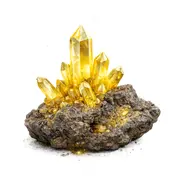
Source: Phosphorus is prepared from the chemical element phosphorus.
Phosphorus is a frequently used constitutional homeopathic medicine and may be considered in selected cases of vitiligo treatment with homeopathy where the person’s symptom pattern matches. It is often studied for individuals who are sensitive, anxious, easily tired, and may have a tendency to weakness, burning sensations, or skin sensitivity. In vitiligo, Phosphorus is not used as a general medicine for every patient. A homeopathic doctor evaluates the spread of white patches, triggers, emotional stress, digestion, sleep, and general health before prescribing. Phosphorus for vitiligo is part of individualized homeopathic care.
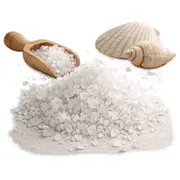
Source: Natrum muriaticum is prepared from sodium chloride, commonly known as common salt.
Natrum muriaticum is one of the well-known homeopathic medicines considered in chronic skin and pigmentary disorders, including some cases of vitiligo or leucoderma. It may be selected when the patient has a history of emotional stress, grief, reserved nature, dryness of skin, headaches, or sensitivity to sunlight, depending on the total symptom picture. In homeopathy, Natrum muriaticum is not given simply because a person has white patches. The doctor studies the patient’s complete case before deciding. Natrum muriaticum for vitiligo may be useful only when prescribed constitutionally.
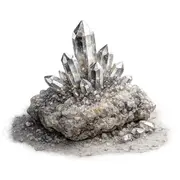
Source: Silica is prepared from silicon dioxide, a naturally occurring mineral compound.
Silica is a deep-acting homeopathic medicine often considered for chronic conditions in which the patient shows low stamina, a slow-healing tendency, sensitivity to cold, sweating of the hands or feet, or recurrent infections. In vitiligo homeopathic treatment, Silica may be considered when the patient’s general constitution and skin symptoms match this remedy. It is not a direct pigmentation medicine or a guaranteed solution for white patches. A qualified homeopathic doctor evaluates the pattern of vitiligo, immunity, digestion, stress, and overall health before prescribing. Silica for vitiligo should be used only as part of personalized treatment.

Source: Arsenicum album is prepared from arsenic trioxide through homeopathic potentization.
Arsenicum album is a commonly used homeopathic medicine considered in selected chronic skin disorders, including certain vitiligo white patch cases, when the overall symptom picture matches. It may be considered for people who are anxious, restless, chilly, weak, fastidious, or have burning sensations and sensitive skin. In homeopathy, Arsenicum album is selected based on the patient as a whole, not just the skin color change. For vitiligo, the doctor studies disease duration, patch location, spread, triggers, family history, and emotional health. Arsenicum album for vitiligo should be taken only under expert supervision.
Source: Calcarea carbonica is prepared from the middle layer of oyster shell, mainly calcium carbonate.
In homeopathy, Calcarea carbonica is one of the commonly used medicines considered in chronic skin conditions, including vitiligo white patches, when the patient’s overall constitution matches the remedy picture. It may be considered for people who tend to feel chilly, sweat easily, gain weight, feel tired, or have slow metabolism. In cases of vitiligo, homeopathic doctors do not select this medicine solely by the appearance of white spots; they consider the patient’s physical health, emotional state, family history, and disease progression. Calcarea carbonica for vitiligo should be taken only under medical guidance.
Source: Phosphorus is prepared from the chemical element phosphorus.
Phosphorus is a frequently used constitutional homeopathic medicine and may be considered in selected cases of vitiligo treatment with homeopathy where the person’s symptom pattern matches. It is often studied for individuals who are sensitive, anxious, easily tired, and may have a tendency to weakness, burning sensations, or skin sensitivity. In vitiligo, Phosphorus is not used as a general medicine for every patient. A homeopathic doctor evaluates the spread of white patches, triggers, emotional stress, digestion, sleep, and general health before prescribing. Phosphorus for vitiligo is part of individualized homeopathic care.
Source: Natrum muriaticum is prepared from sodium chloride, commonly known as common salt.
Natrum muriaticum is one of the well-known homeopathic medicines considered in chronic skin and pigmentary disorders, including some cases of vitiligo or leucoderma. It may be selected when the patient has a history of emotional stress, grief, reserved nature, dryness of skin, headaches, or sensitivity to sunlight, depending on the total symptom picture. In homeopathy, Natrum muriaticum is not given simply because a person has white patches. The doctor studies the patient’s complete case before deciding. Natrum muriaticum for vitiligo may be useful only when prescribed constitutionally.
Source: Silica is prepared from silicon dioxide, a naturally occurring mineral compound.
Silica is a deep-acting homeopathic medicine often considered for chronic conditions in which the patient shows low stamina, a slow-healing tendency, sensitivity to cold, sweating of the hands or feet, or recurrent infections. In vitiligo homeopathic treatment, Silica may be considered when the patient’s general constitution and skin symptoms match this remedy. It is not a direct pigmentation medicine or a guaranteed solution for white patches. A qualified homeopathic doctor evaluates the pattern of vitiligo, immunity, digestion, stress, and overall health before prescribing. Silica for vitiligo should be used only as part of personalized treatment.
Source: Arsenicum album is prepared from arsenic trioxide through homeopathic potentization.
Arsenicum album is a commonly used homeopathic medicine considered in selected chronic skin disorders, including certain vitiligo white patch cases, when the overall symptom picture matches. It may be considered for people who are anxious, restless, chilly, weak, fastidious, or have burning sensations and sensitive skin. In homeopathy, Arsenicum album is selected based on the patient as a whole, not just the skin color change. For vitiligo, the doctor studies disease duration, patch location, spread, triggers, family history, and emotional health. Arsenicum album for vitiligo should be taken only under expert supervision.
Case Studies

Vitiligo
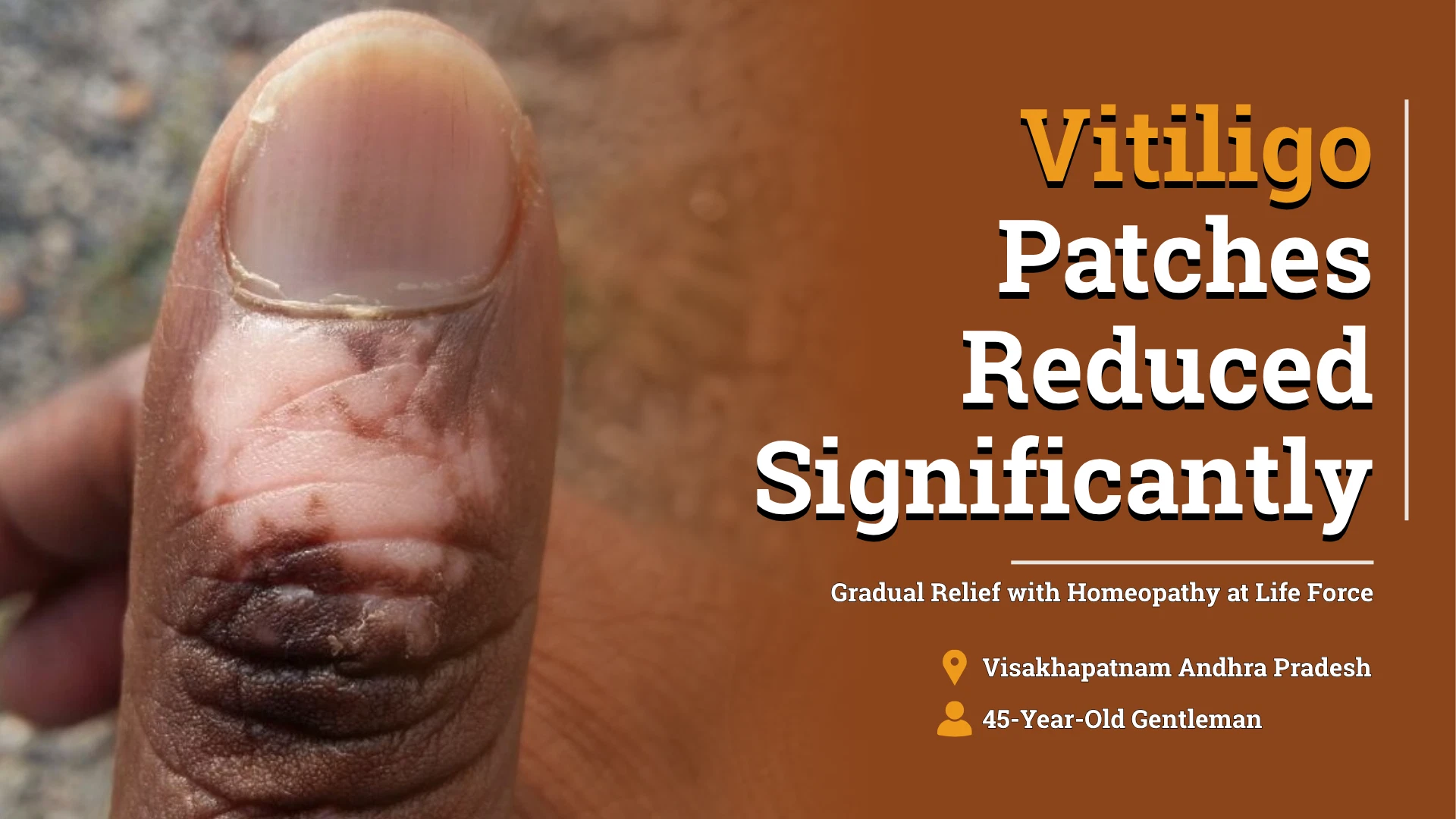
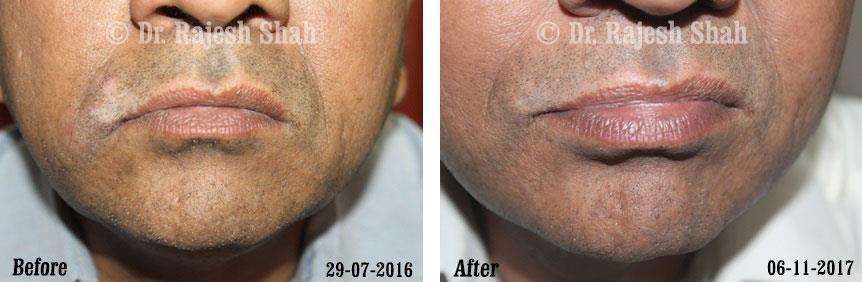
Facial Vitiligo Case Study: Gradual Repigmentation with Homeopathy in a 45-Year-Old Male
Introduction Noticing white patches on visible areas like the face can be emotionally challenging, especially when the condition continues to…
Vitiligo
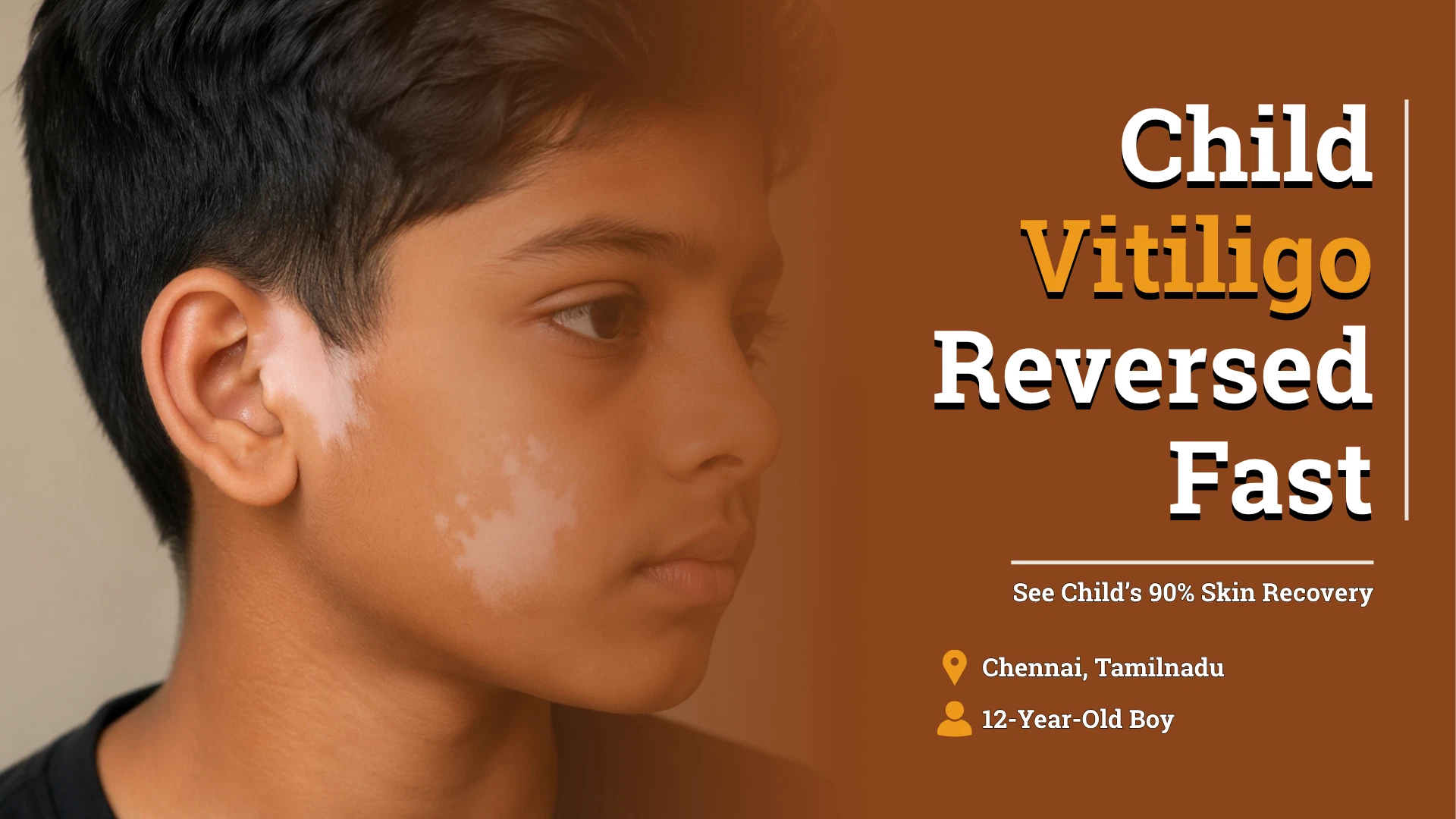
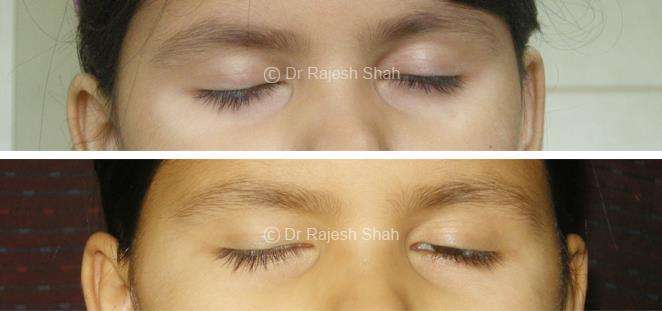
Fast Recovery in Vitiligo of 12-Year-old Child with Homeopathy
One of our former patients called the Life Force Mulund clinic in August 2024 to request a consultation with a…
Vitiligo
How Life Force Helped a Patient Overcome Spreading Vitiligo
Vitiligo, a chronic skin disorder characterized by the loss of skin pigment, presents not only physical but also psychological challenges…
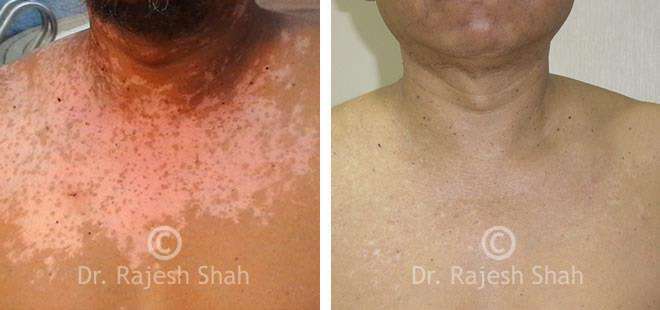
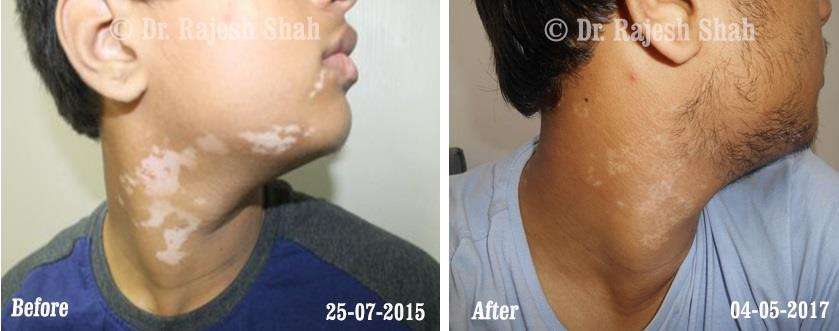
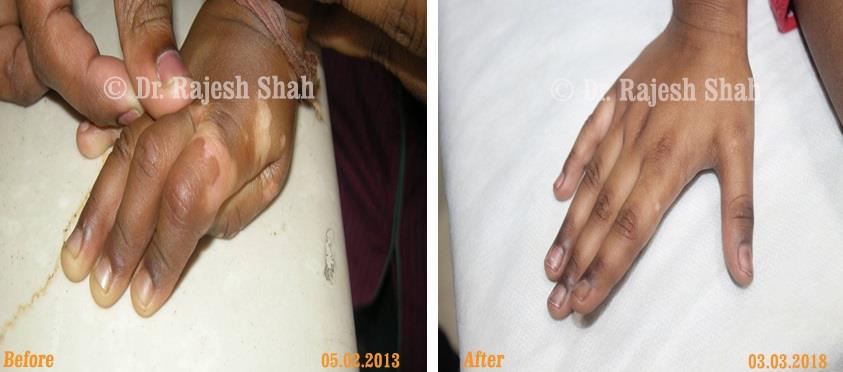
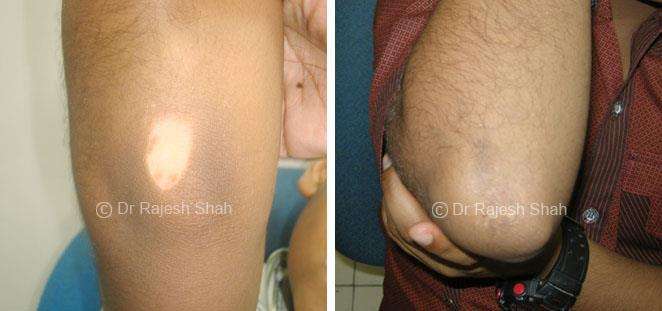
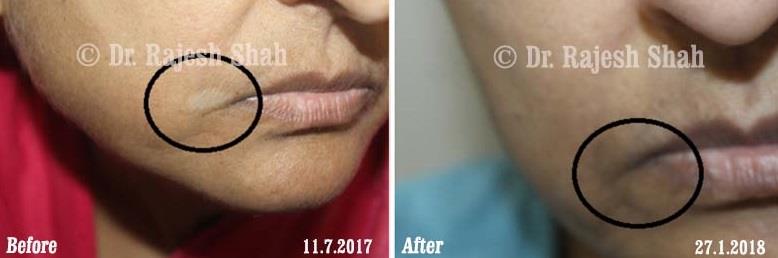
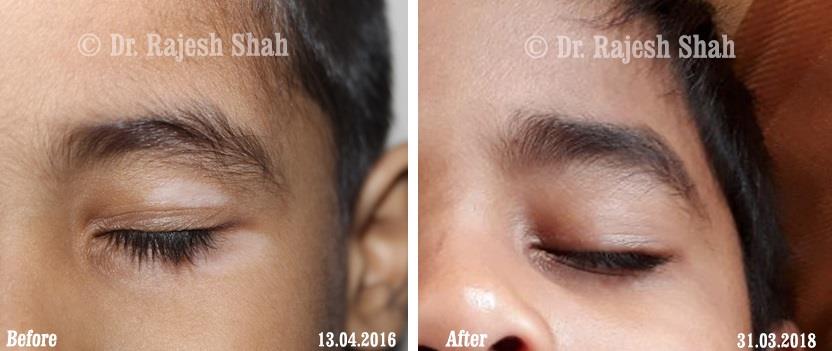
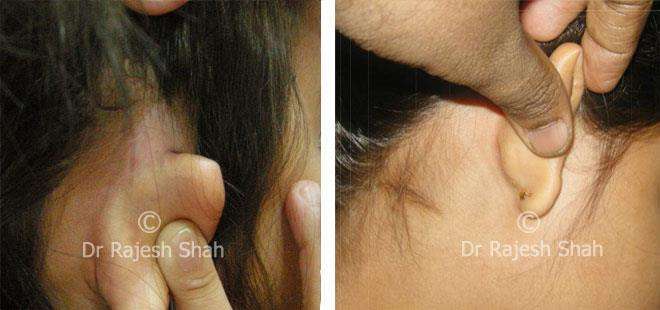
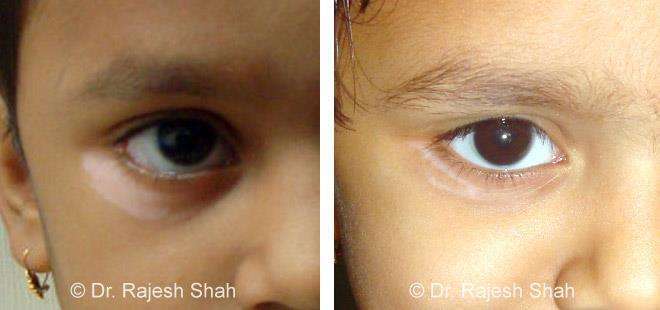
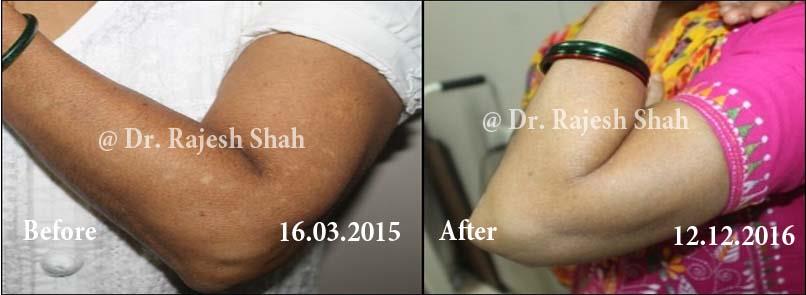
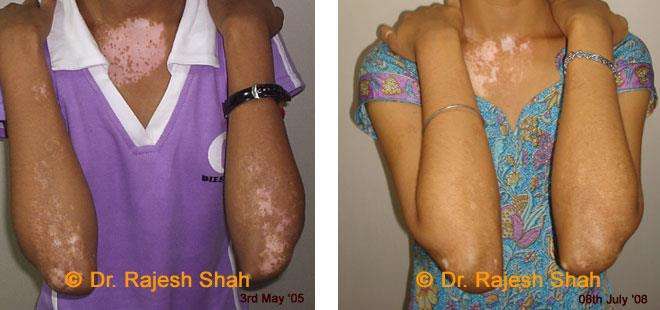
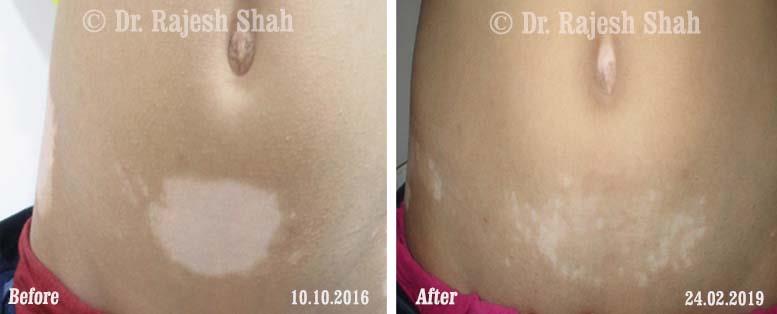
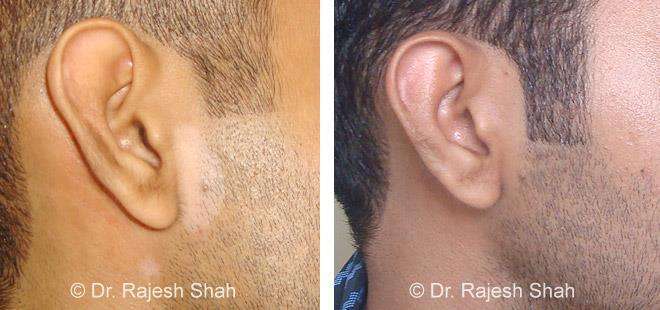
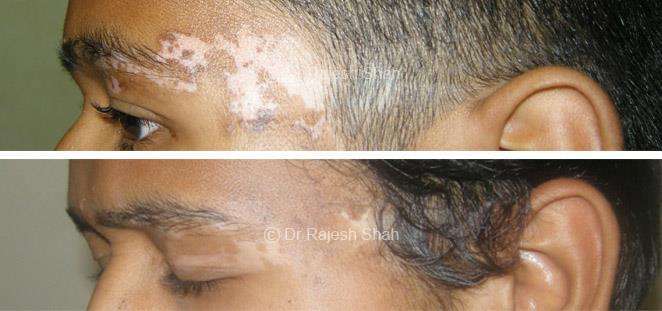
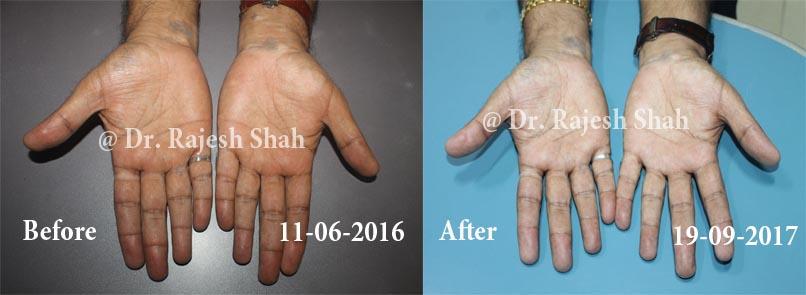
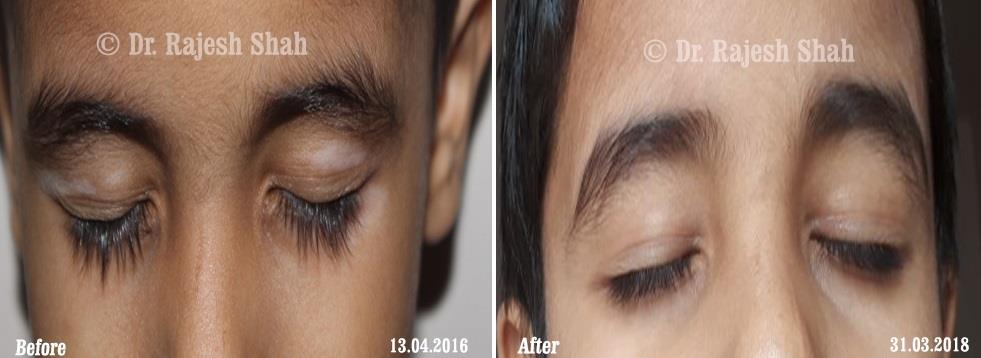
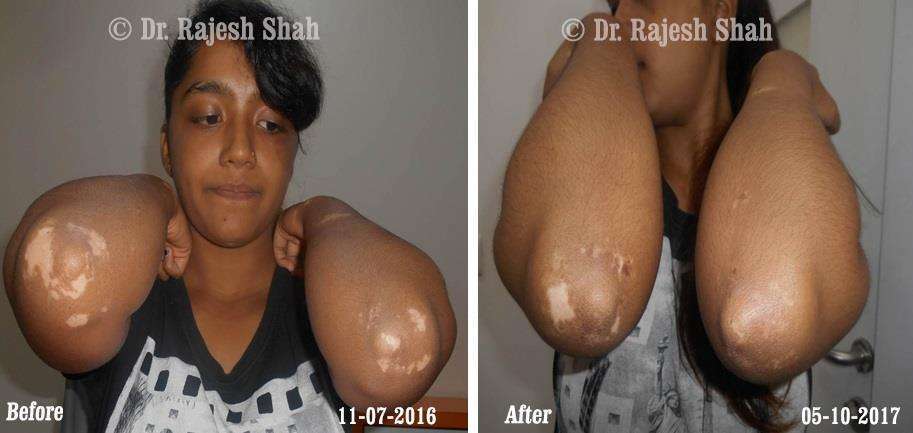
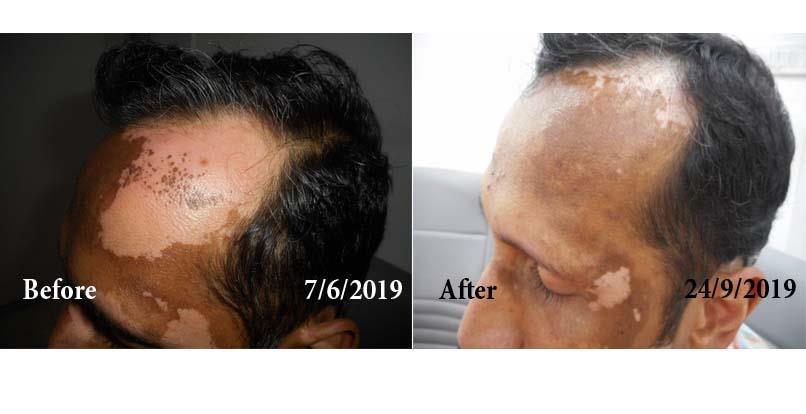
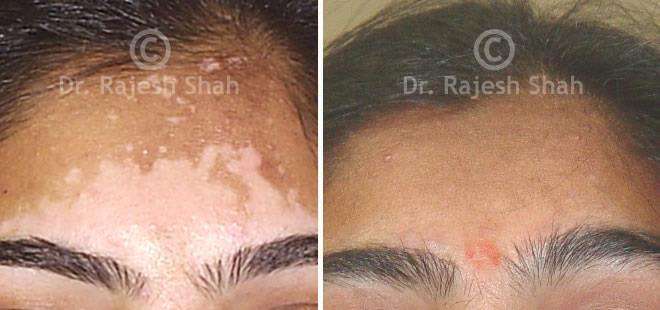
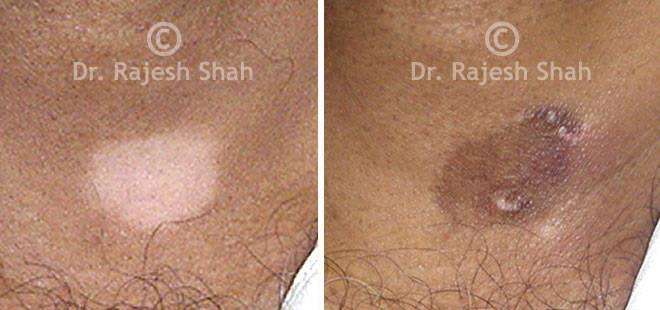
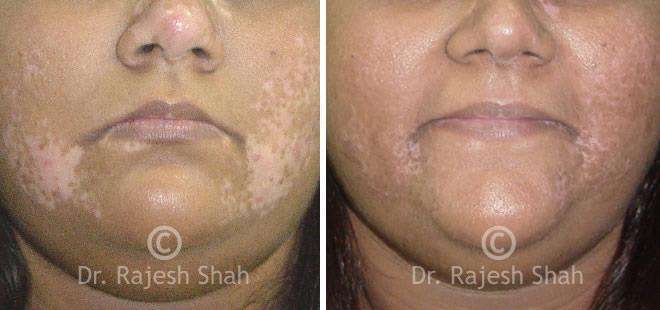
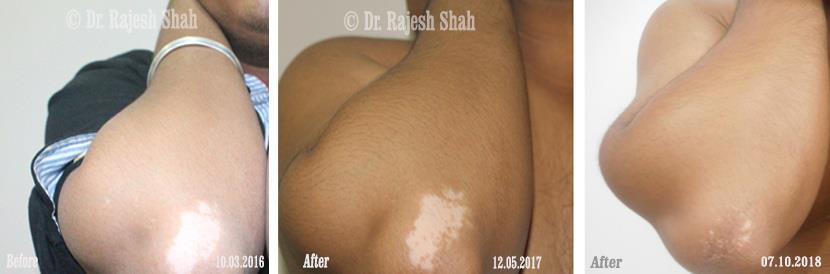
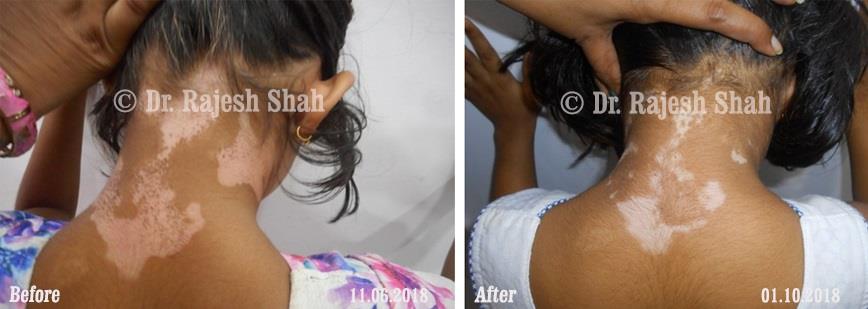
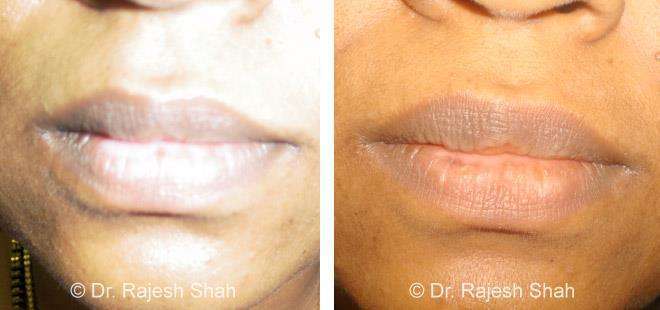
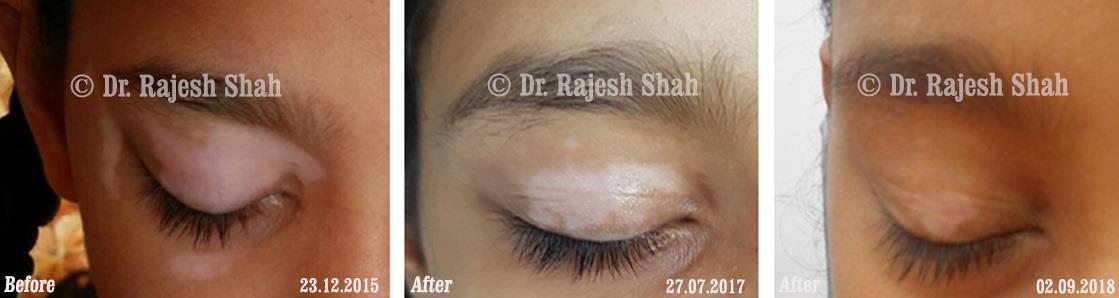
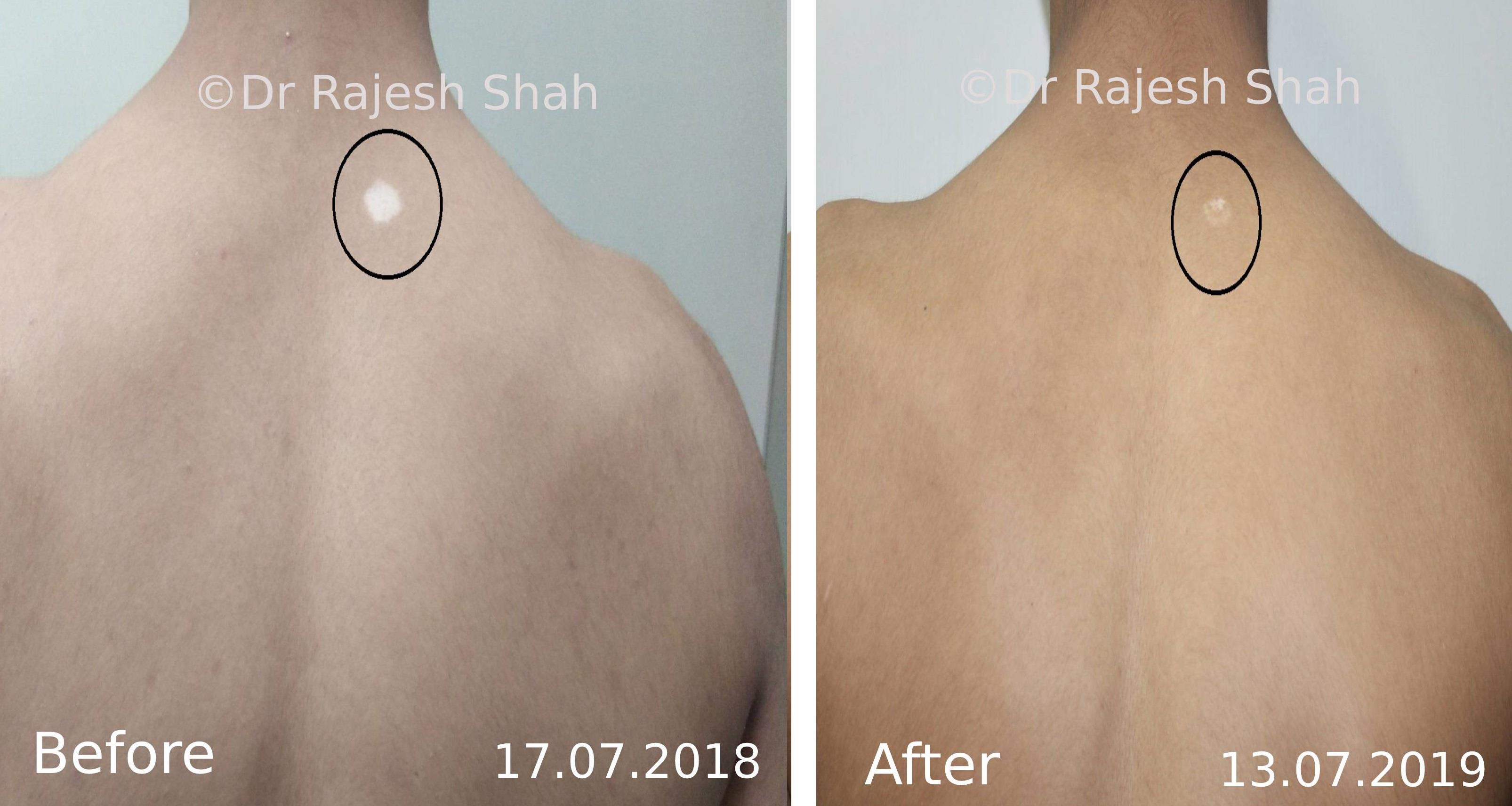
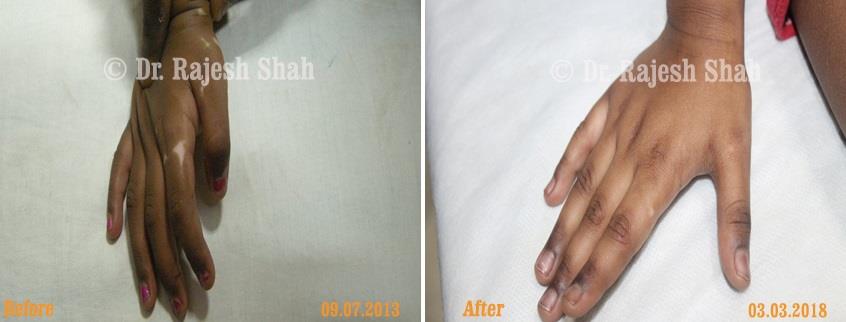
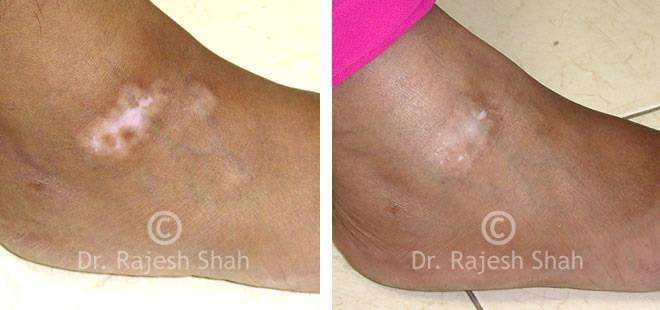
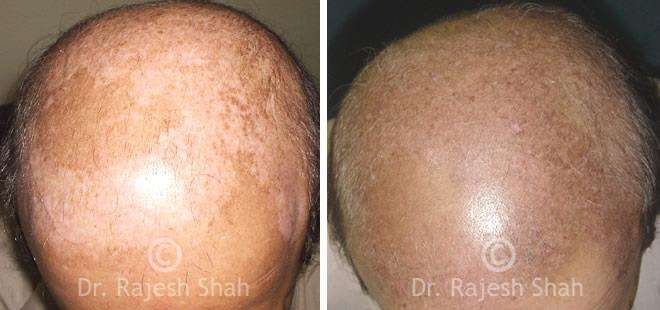
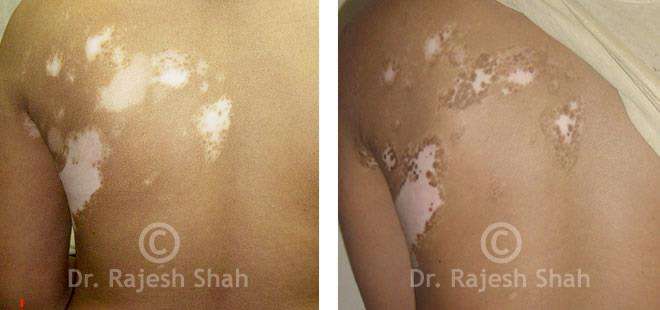
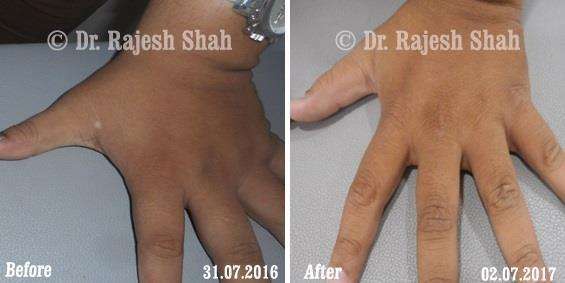
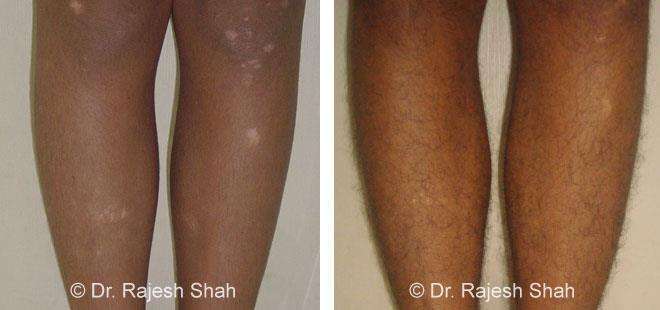
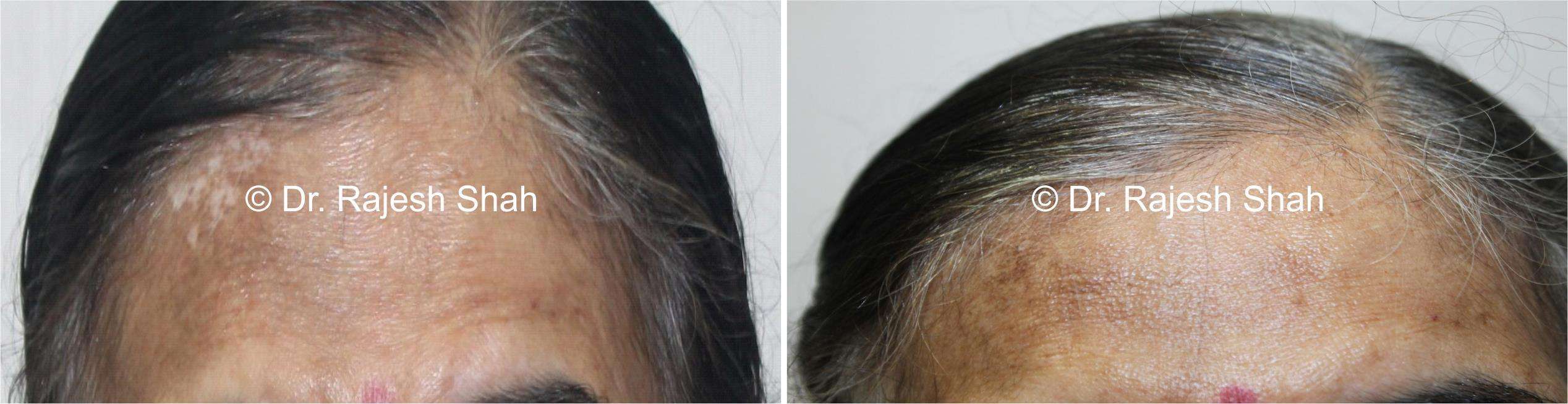
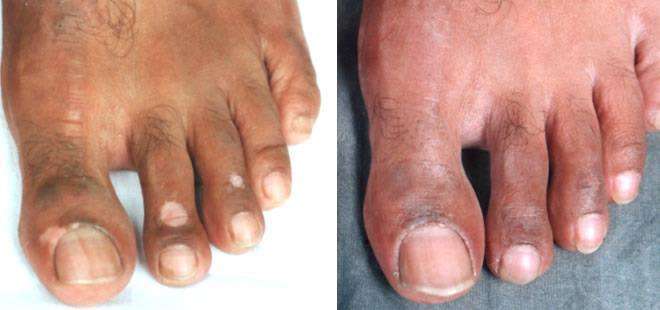
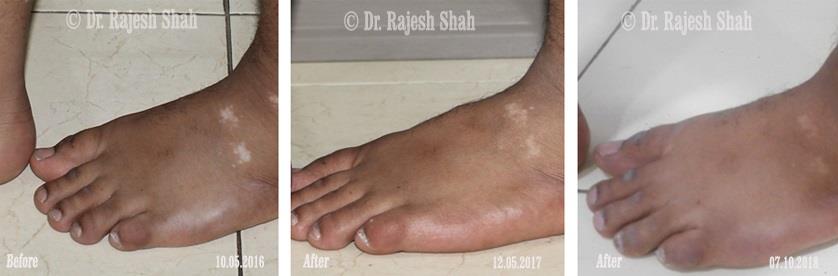
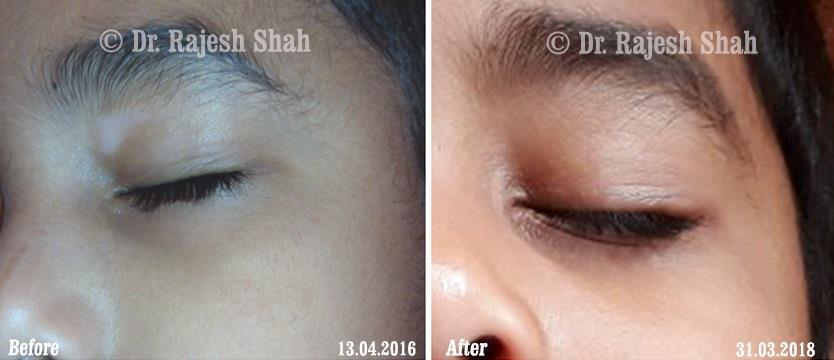
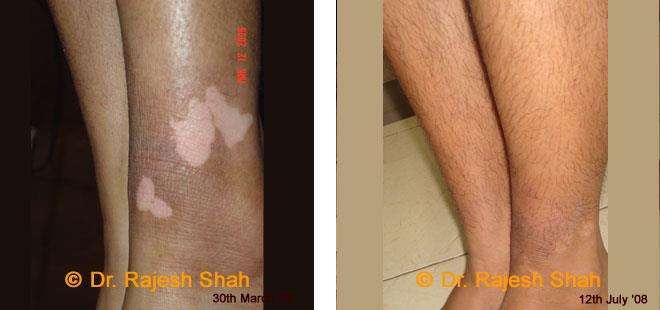
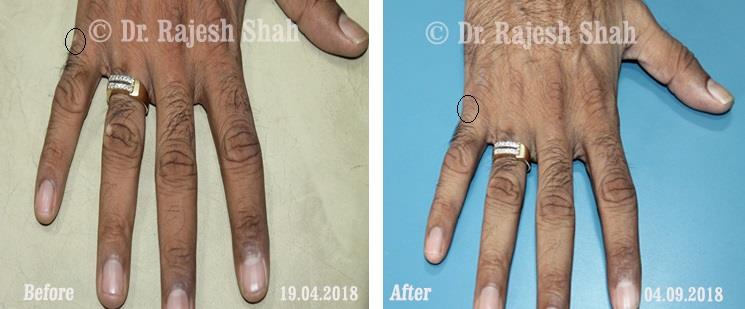
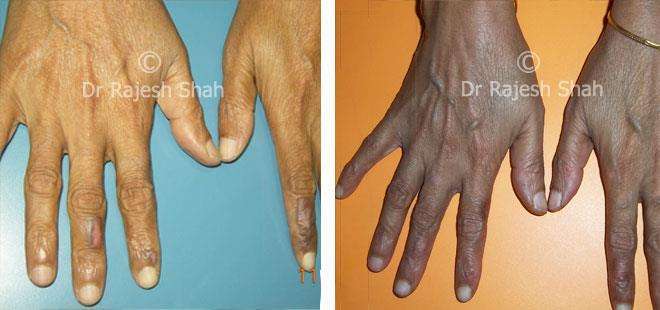
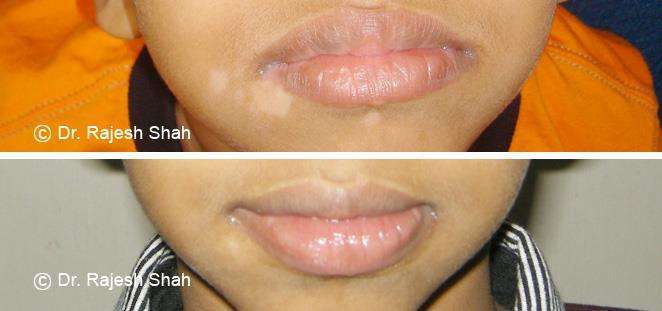
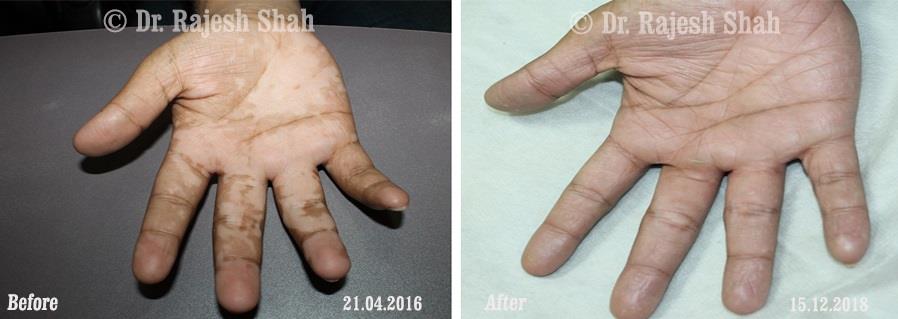
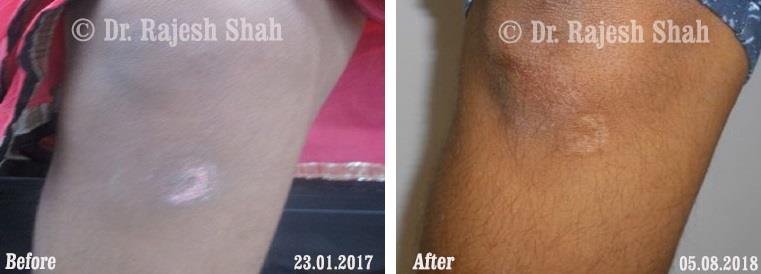
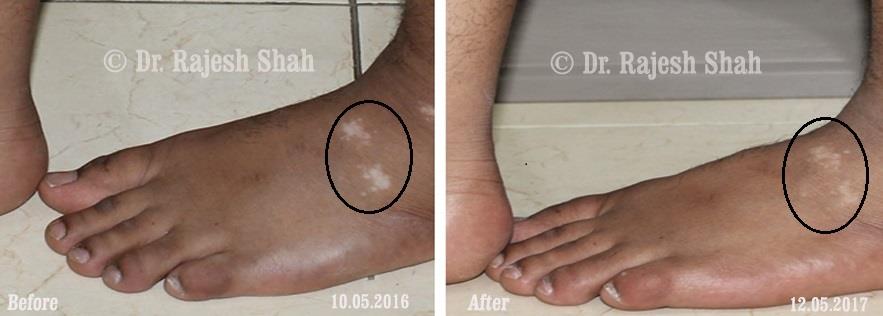
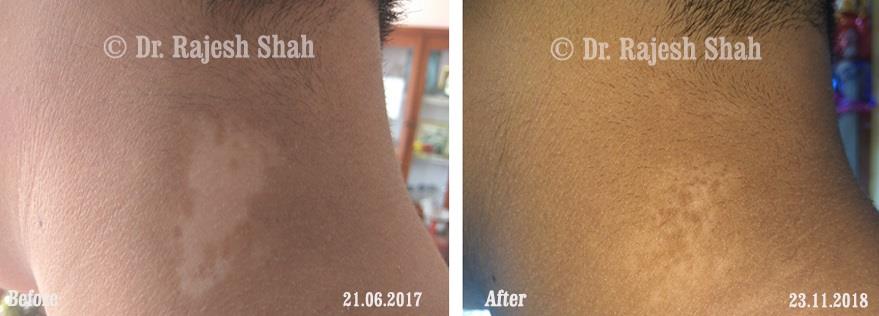
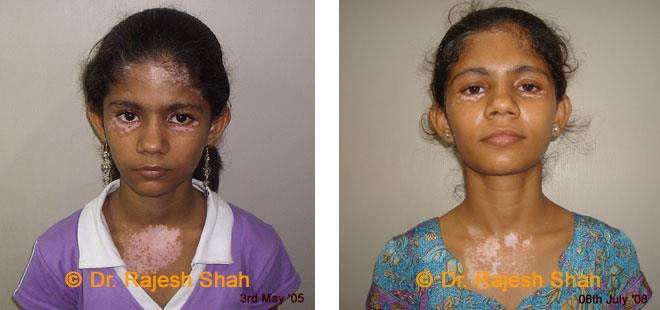
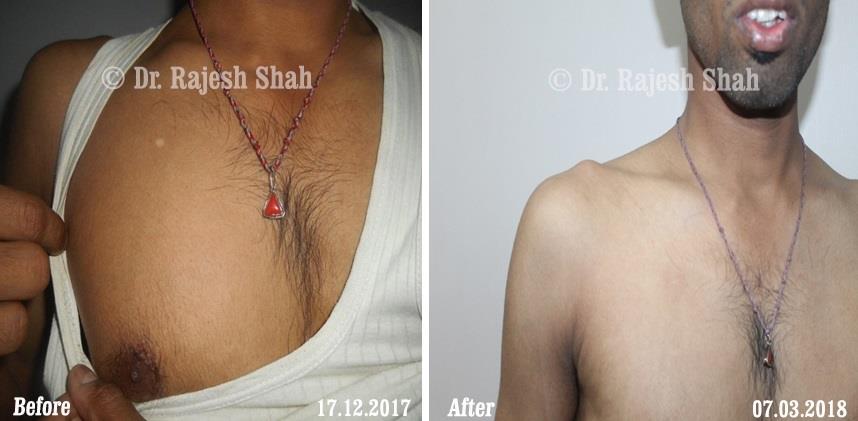
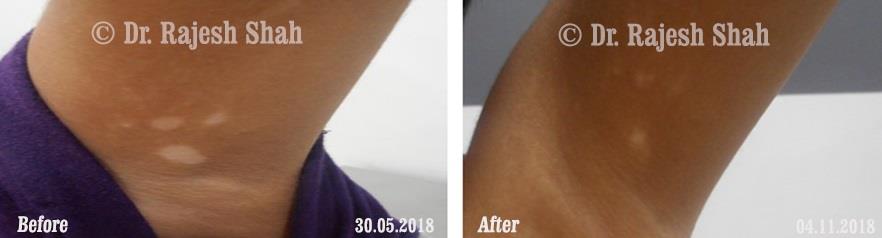
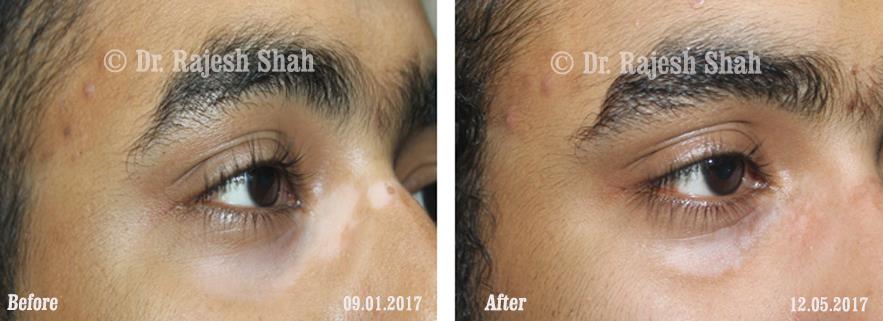
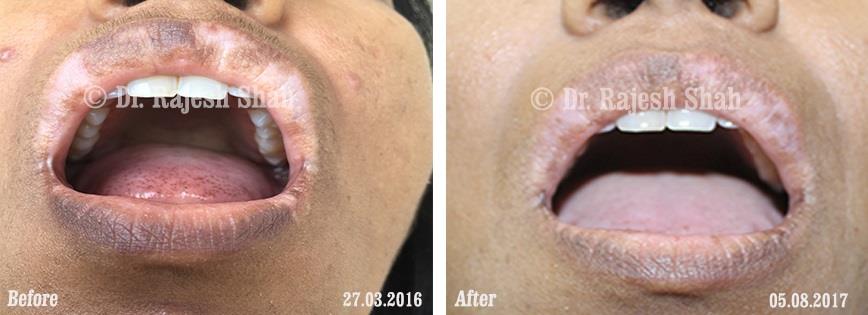
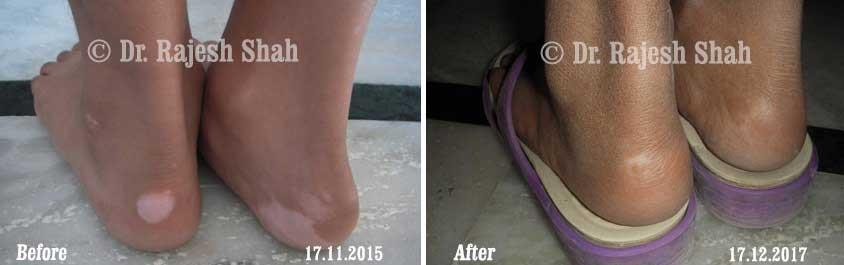
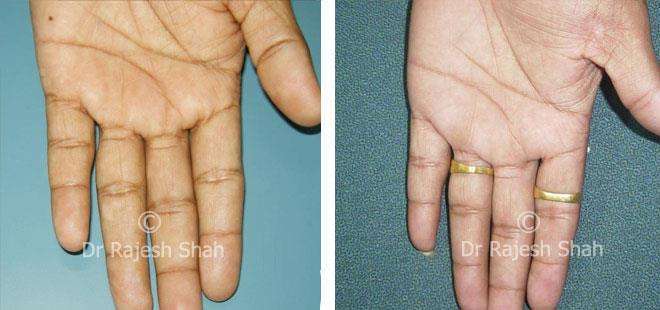
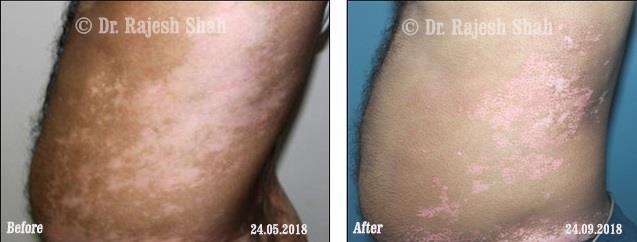
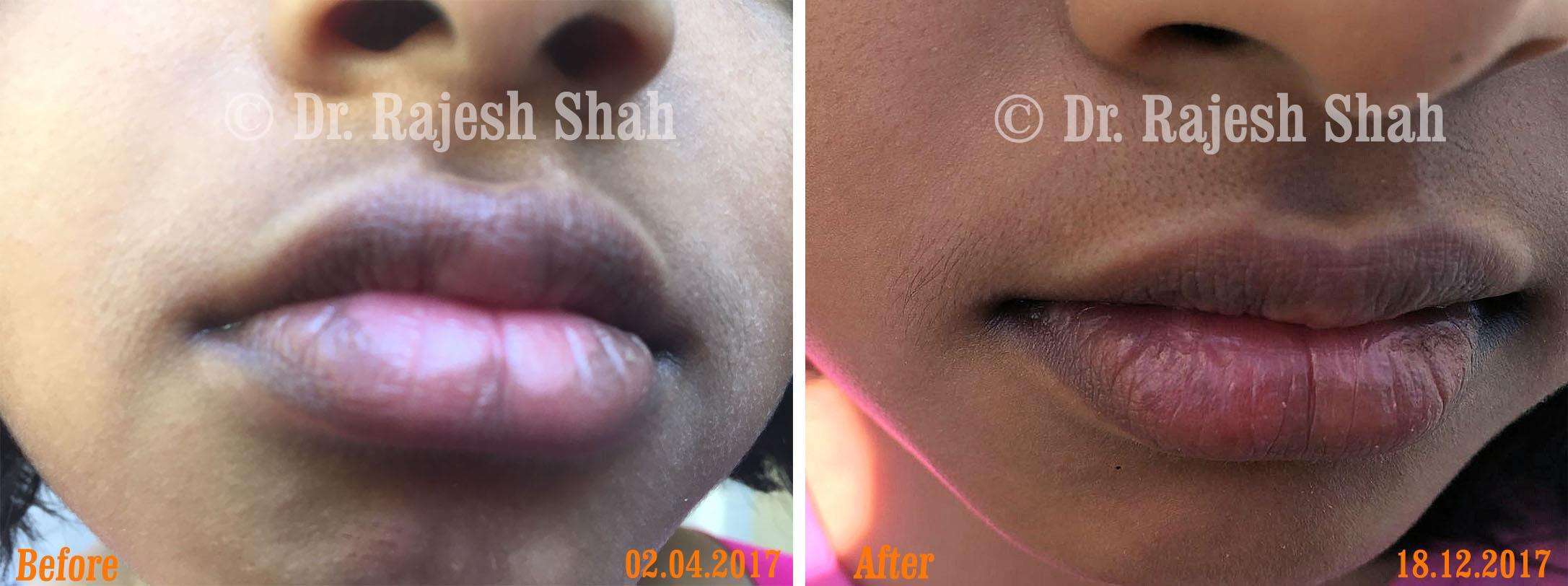
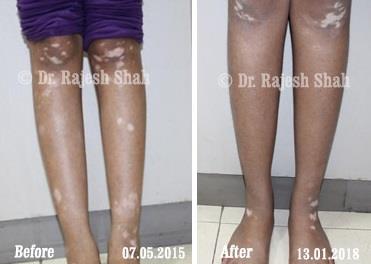
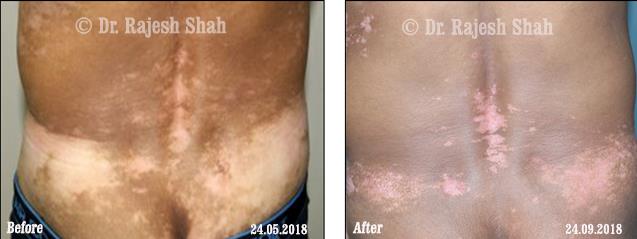
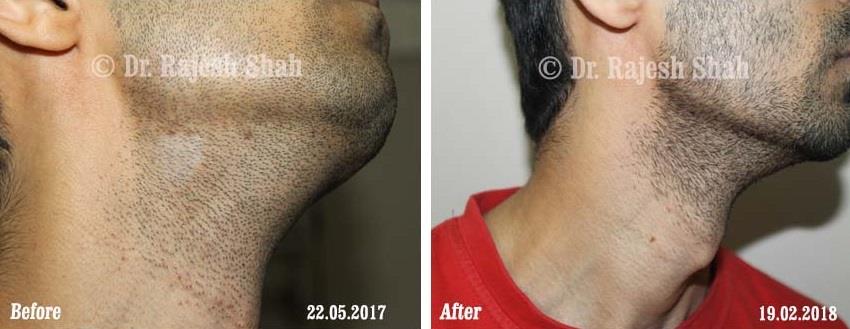
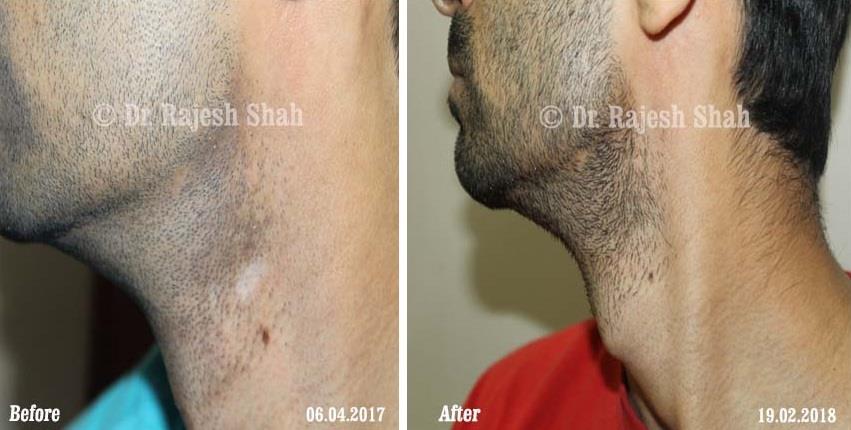
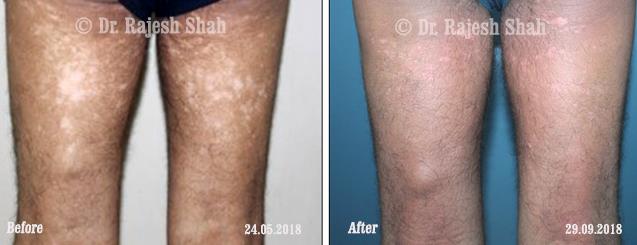
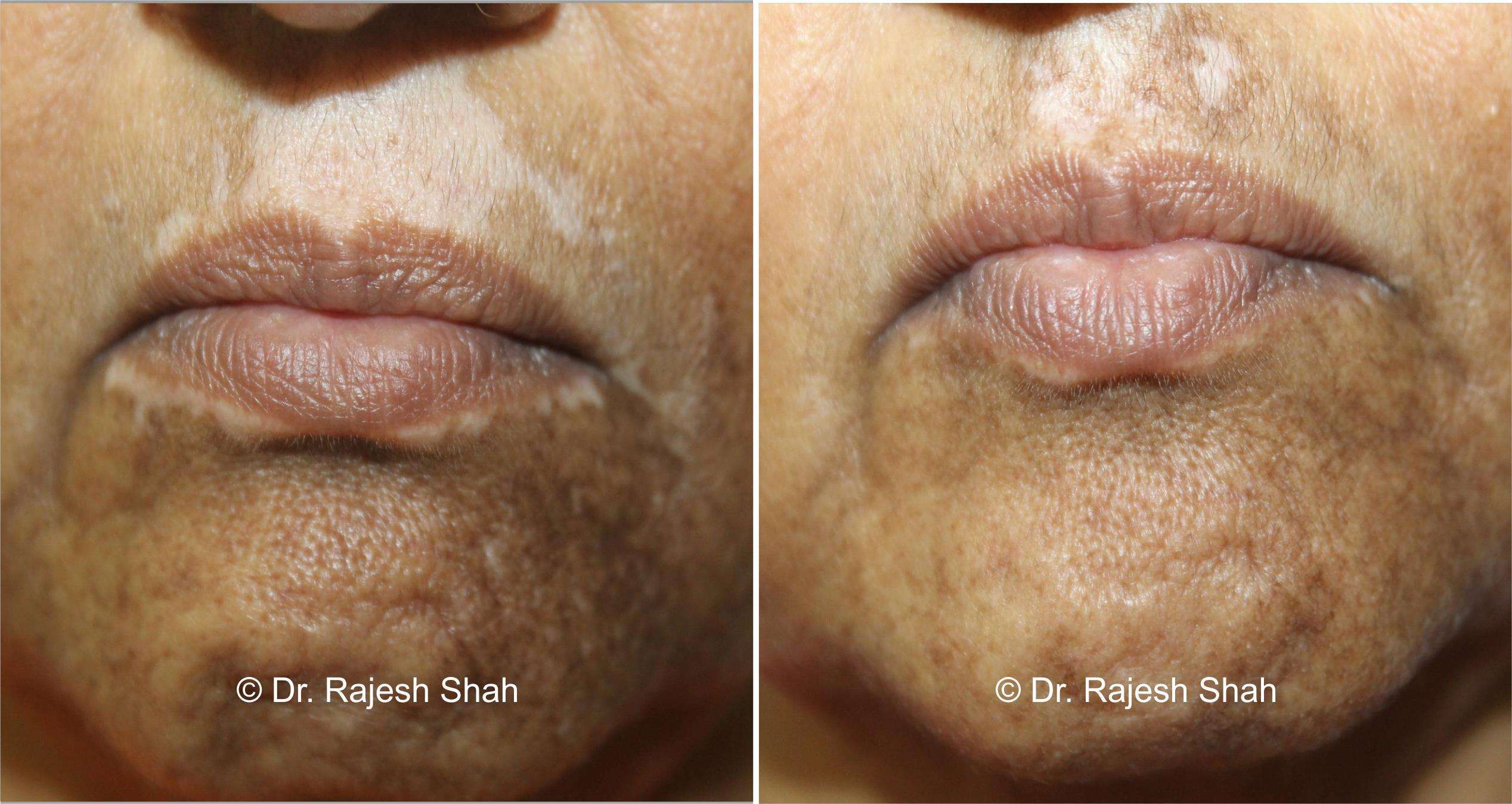
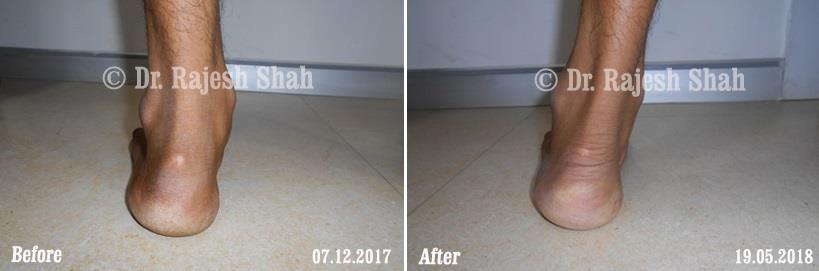
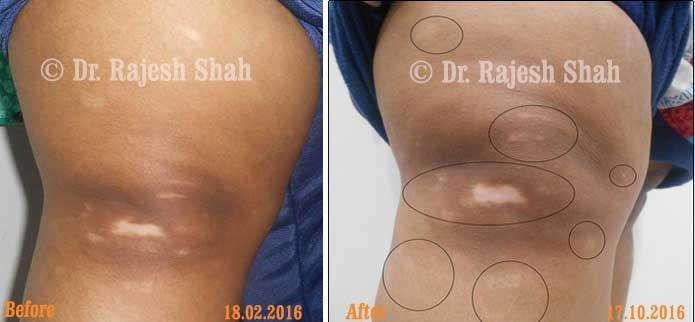
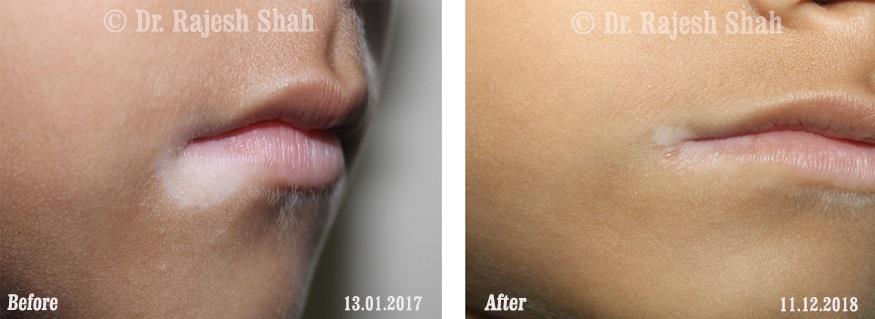
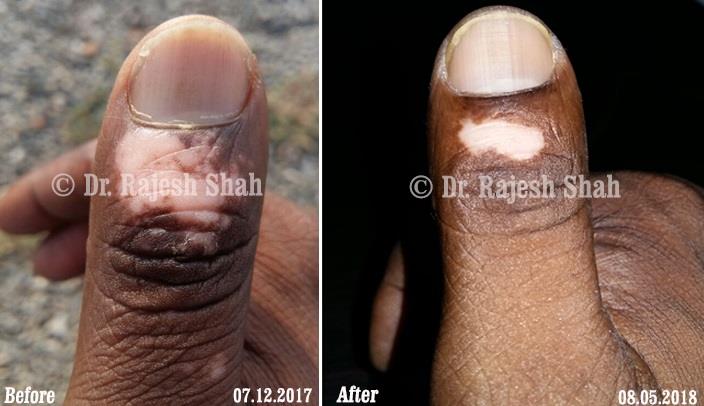
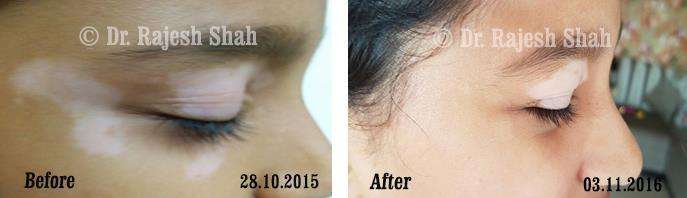
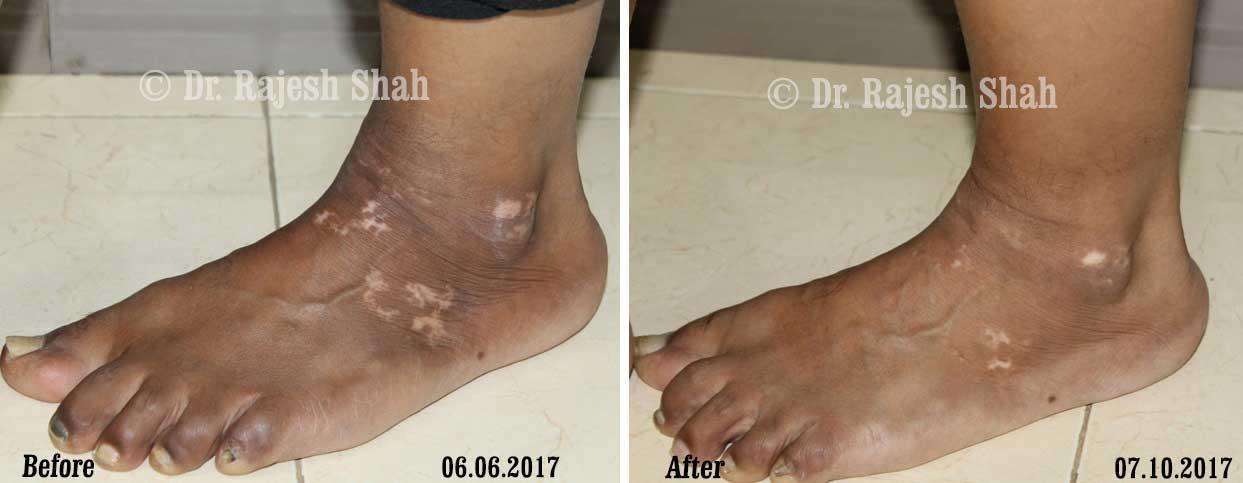
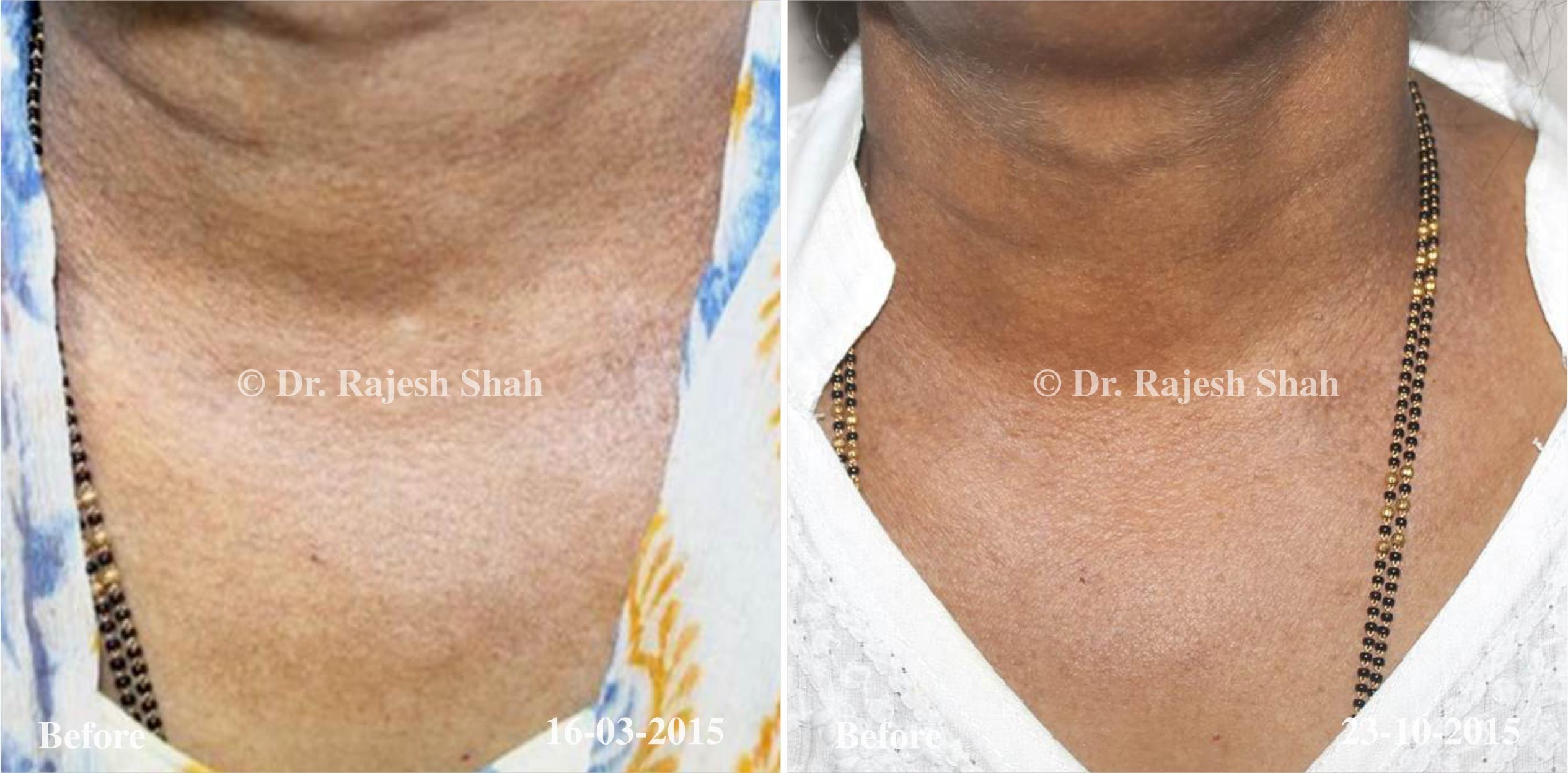
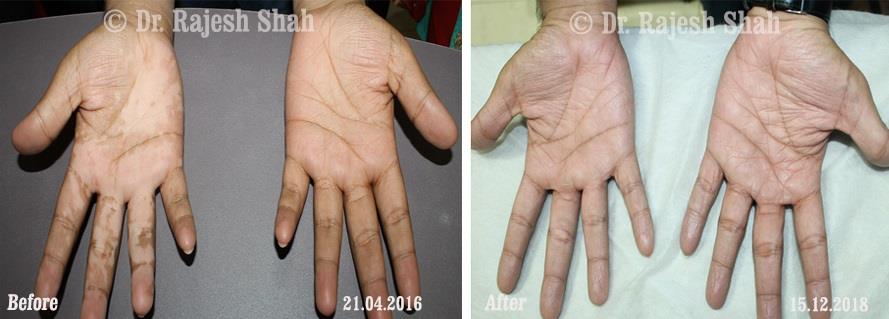
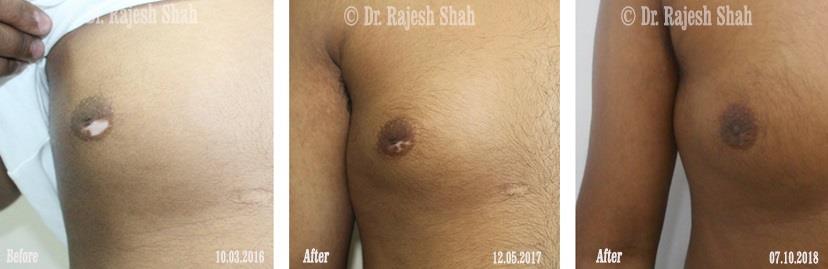
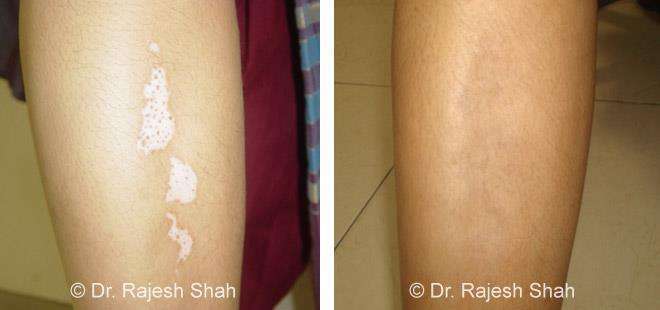
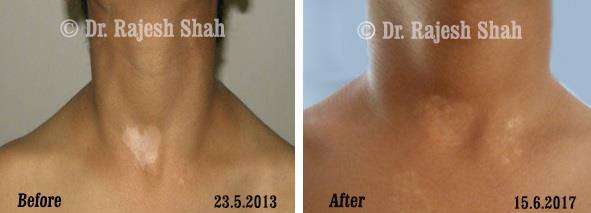
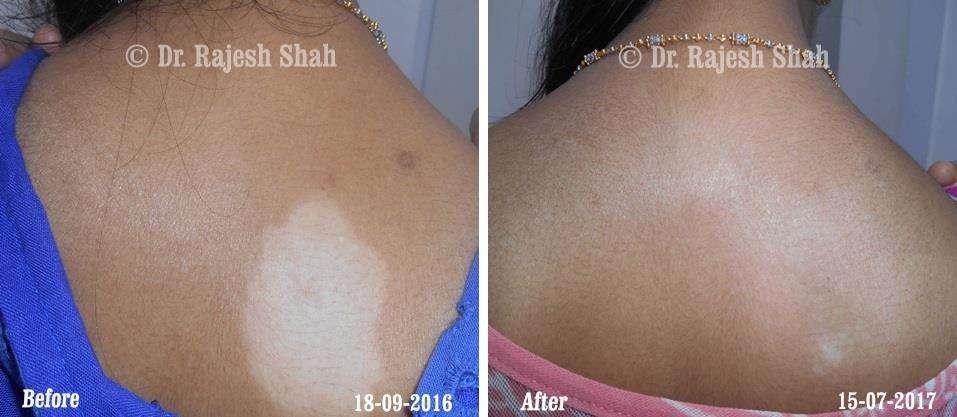
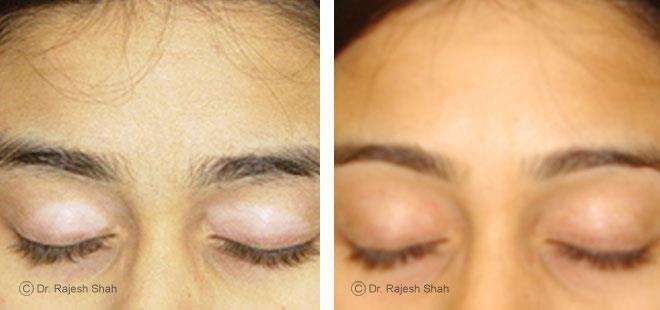
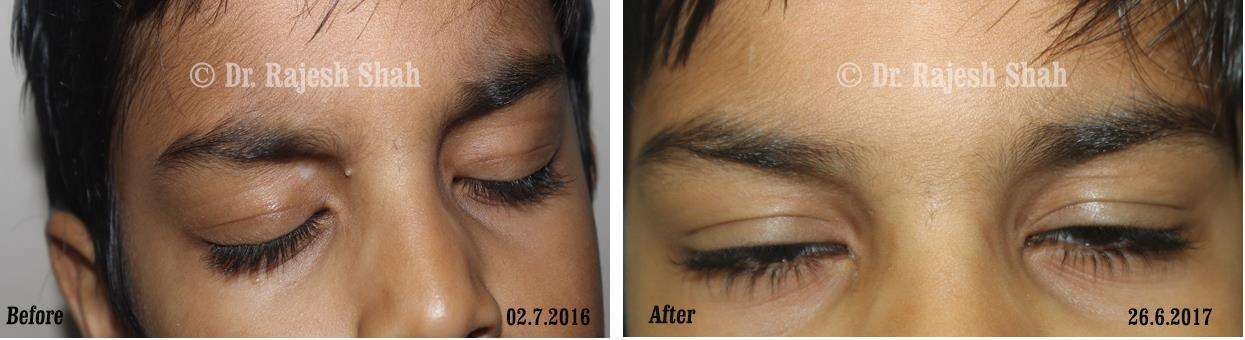
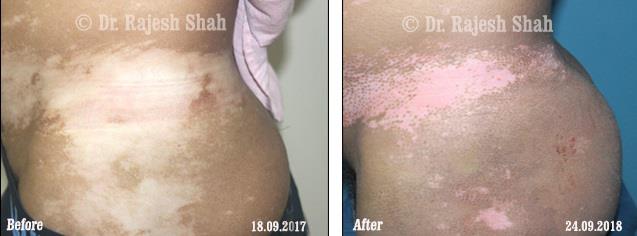
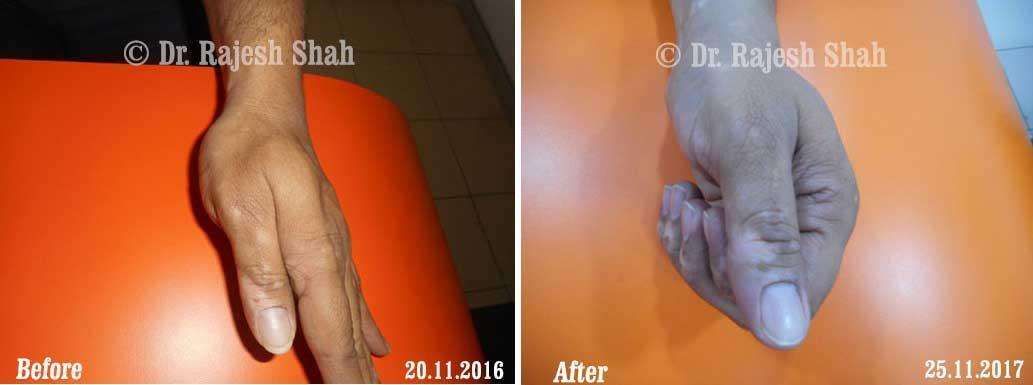
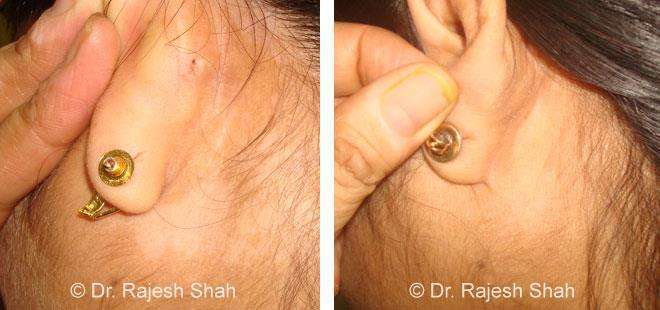
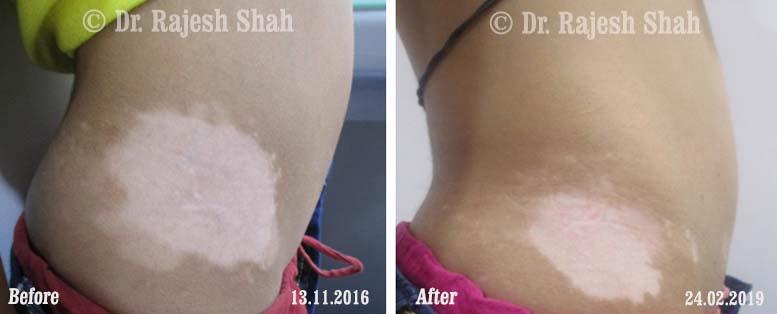
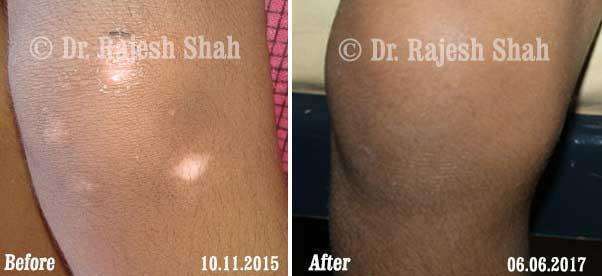
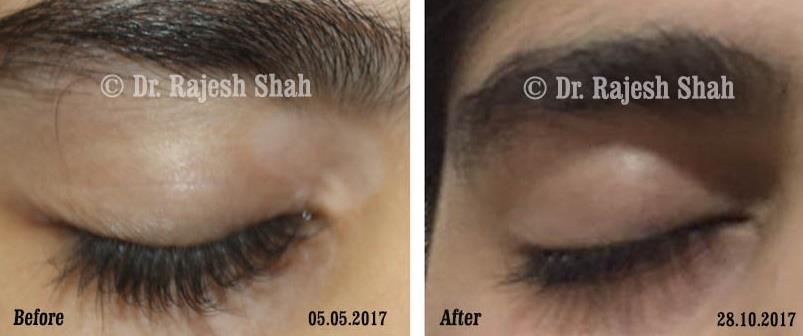
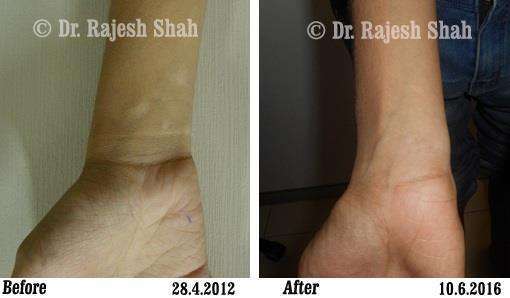
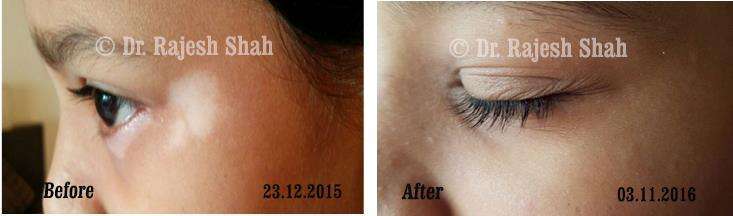
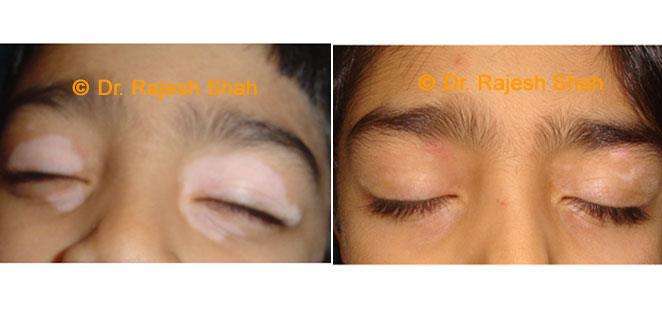
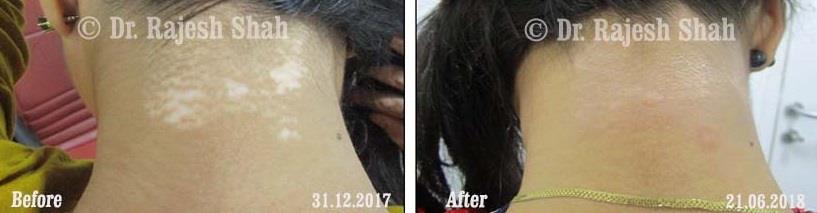
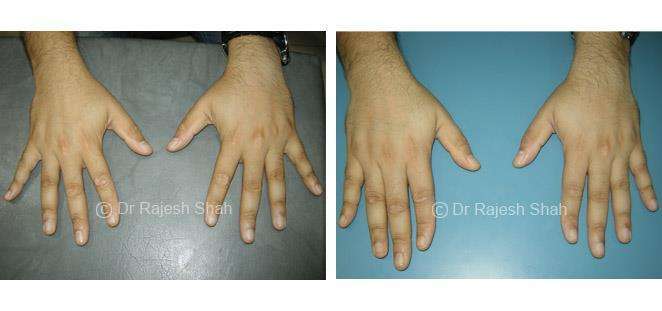
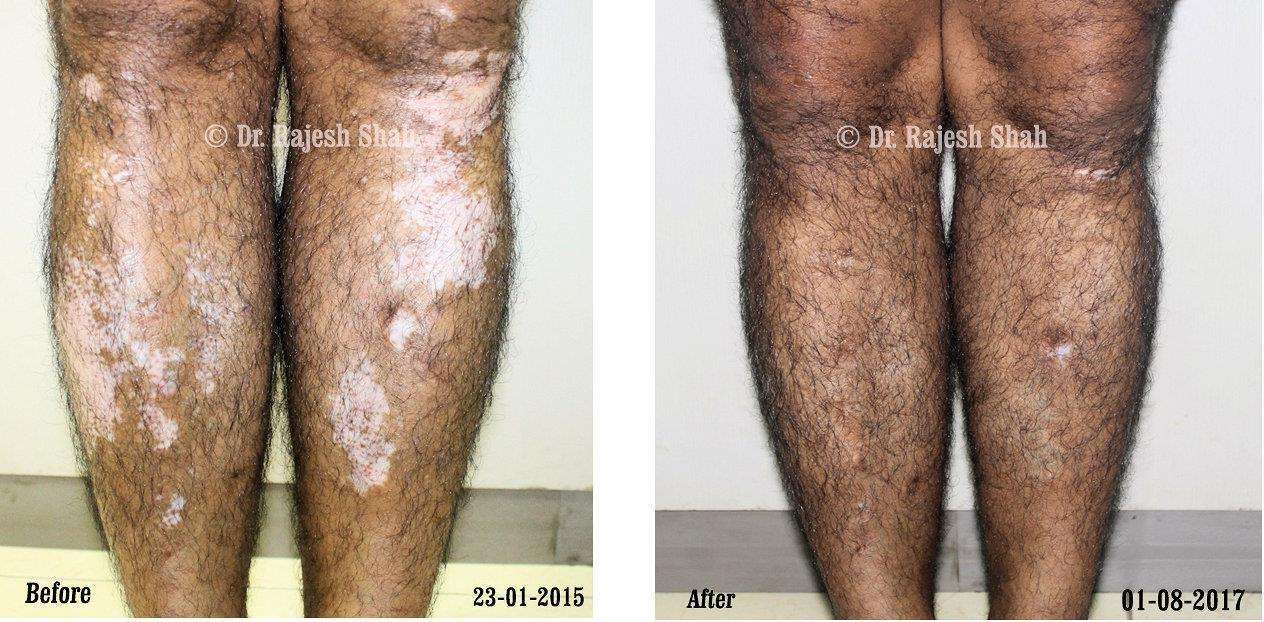
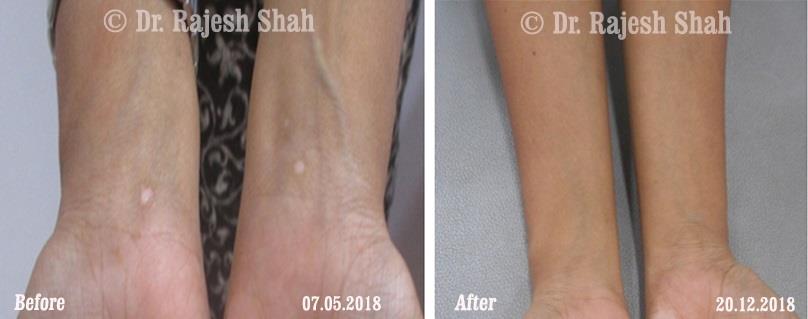
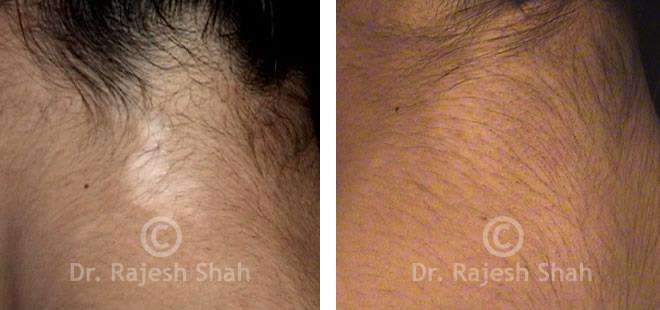
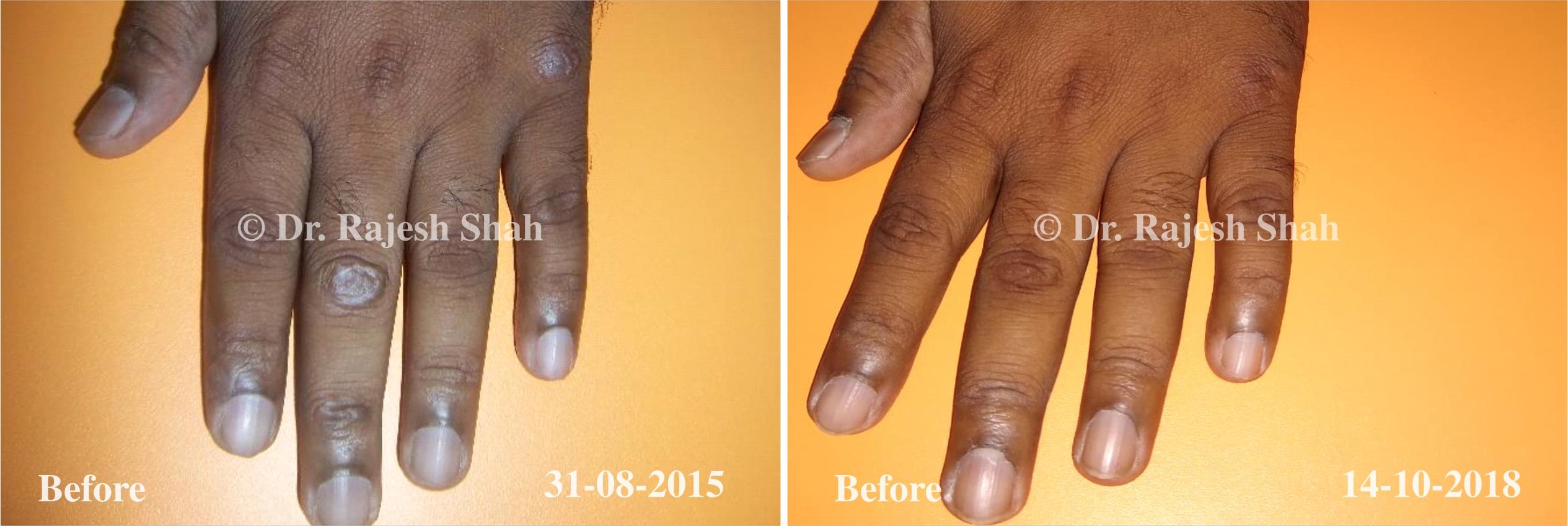
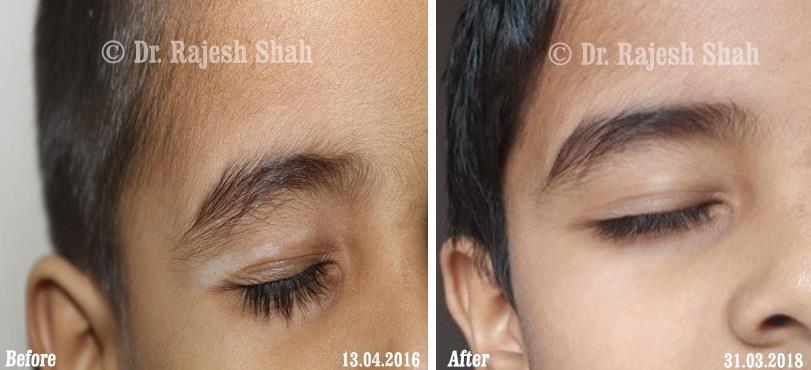
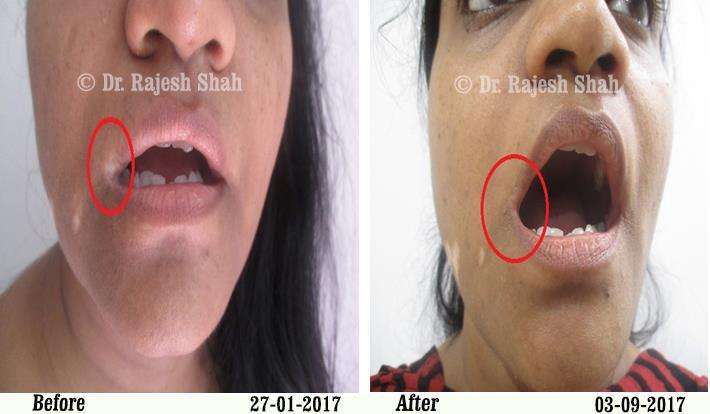
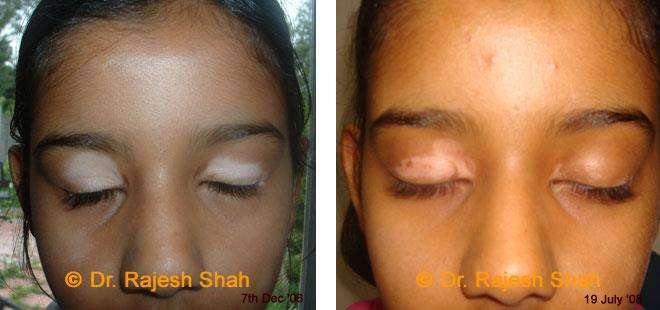
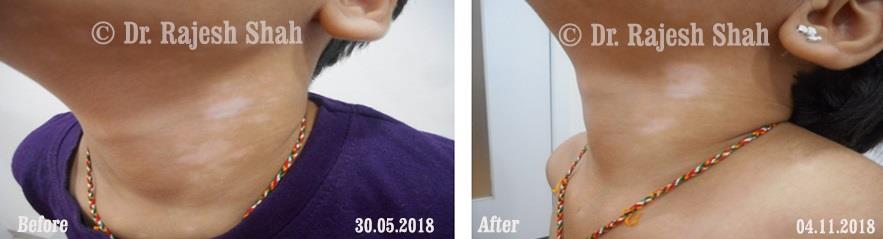
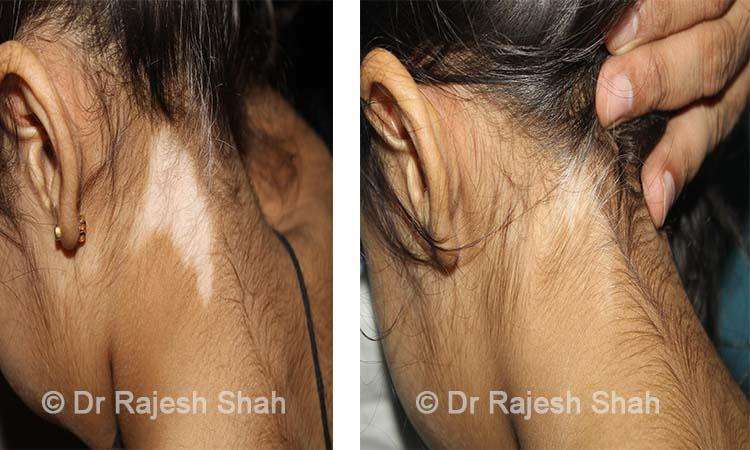
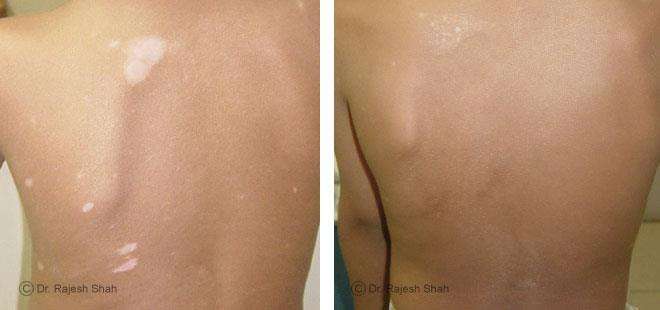
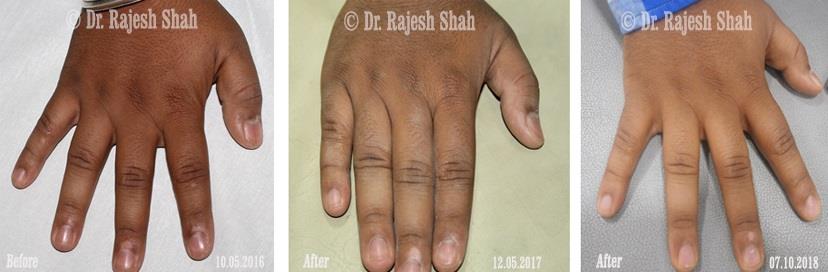
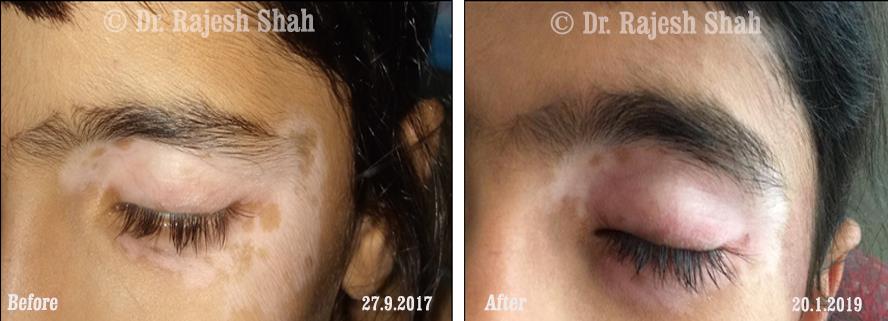
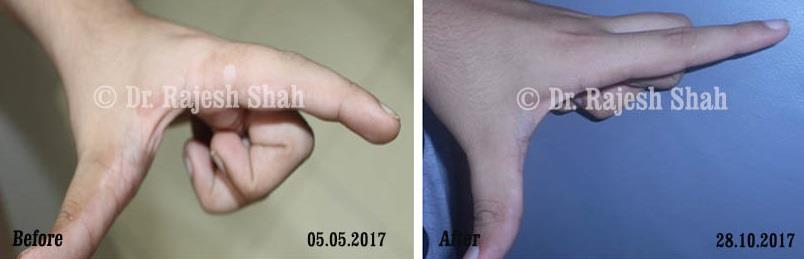
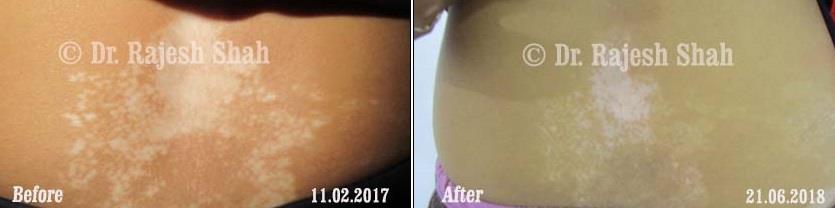
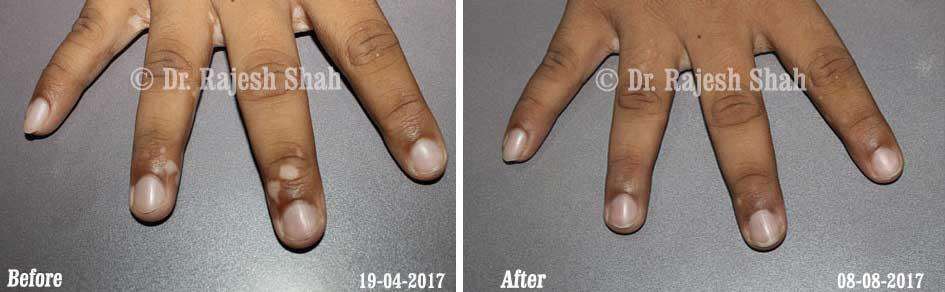
Real Results from Real Patients
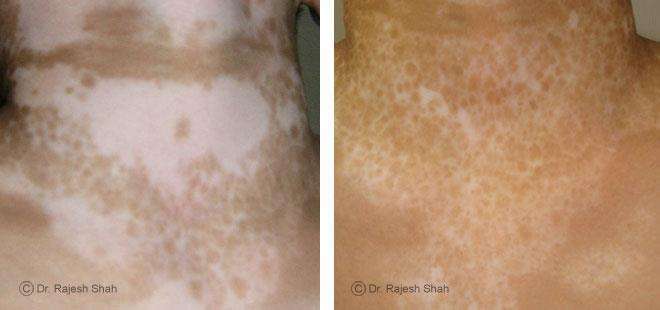
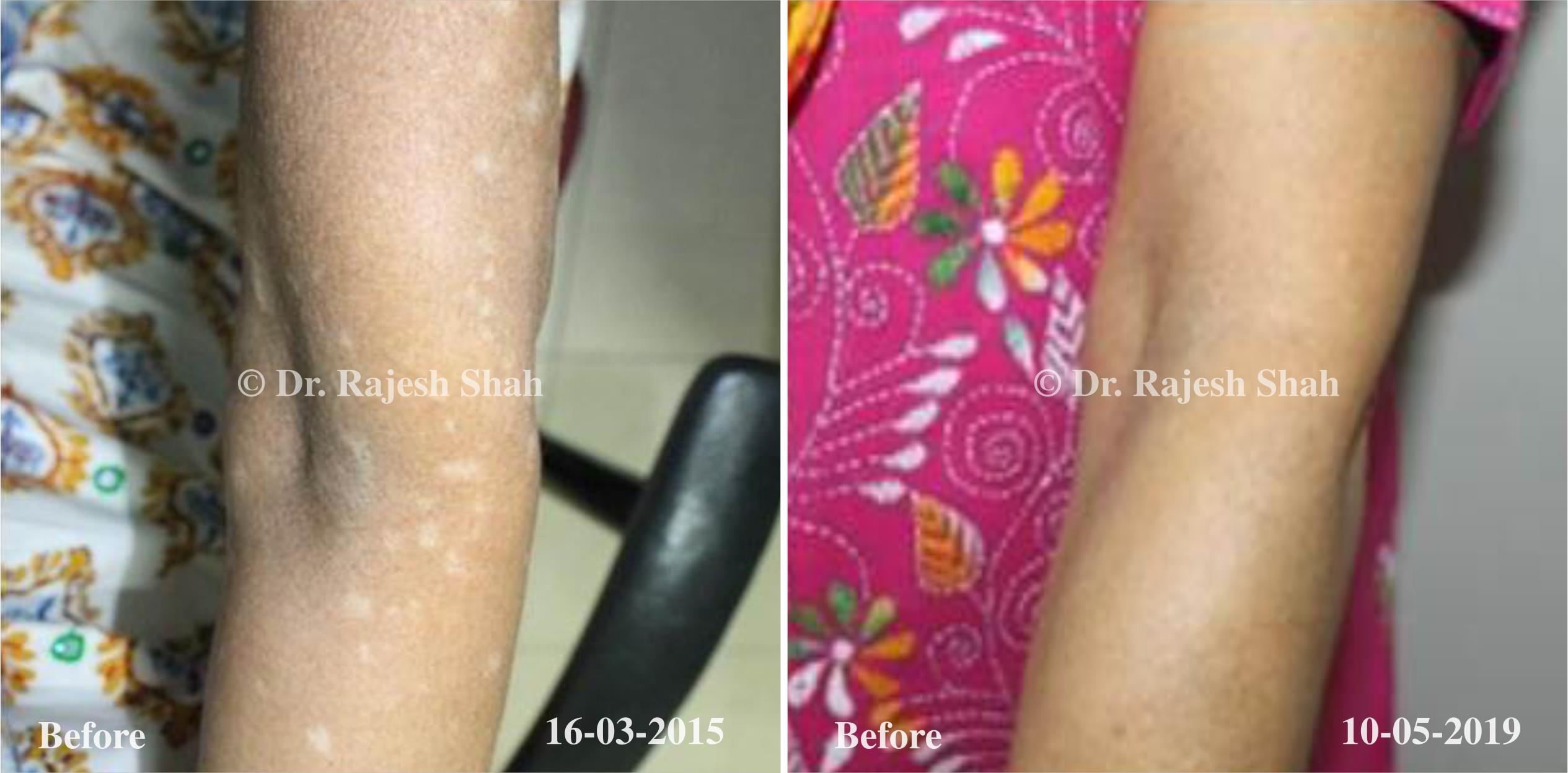
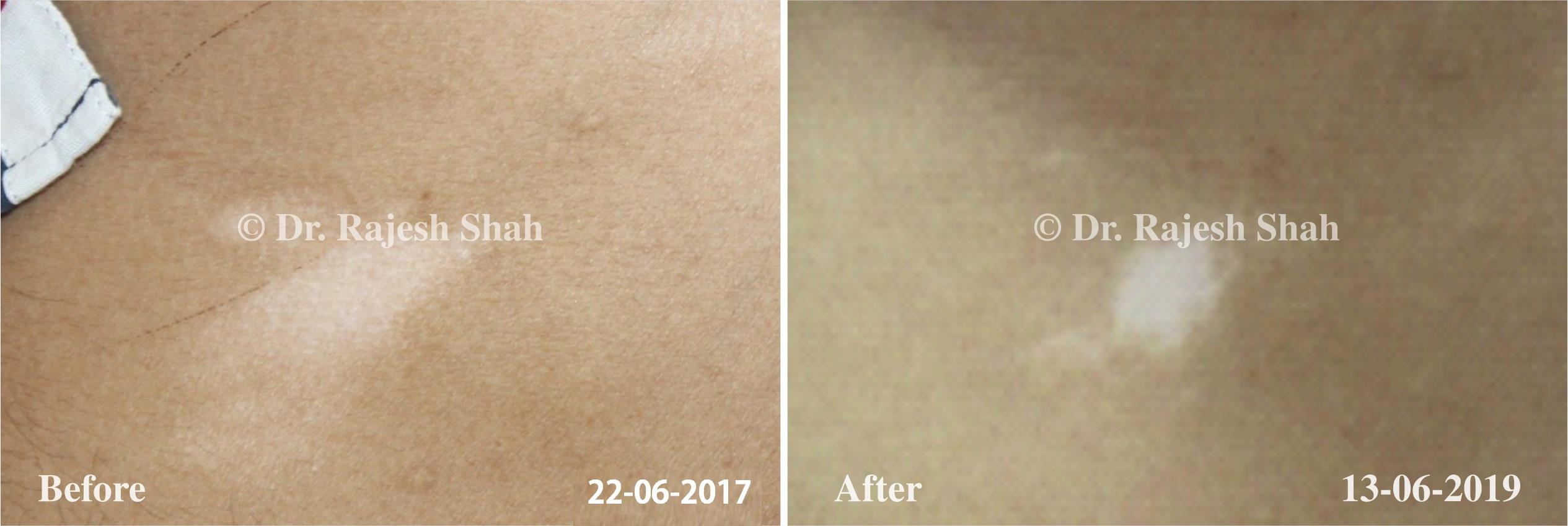
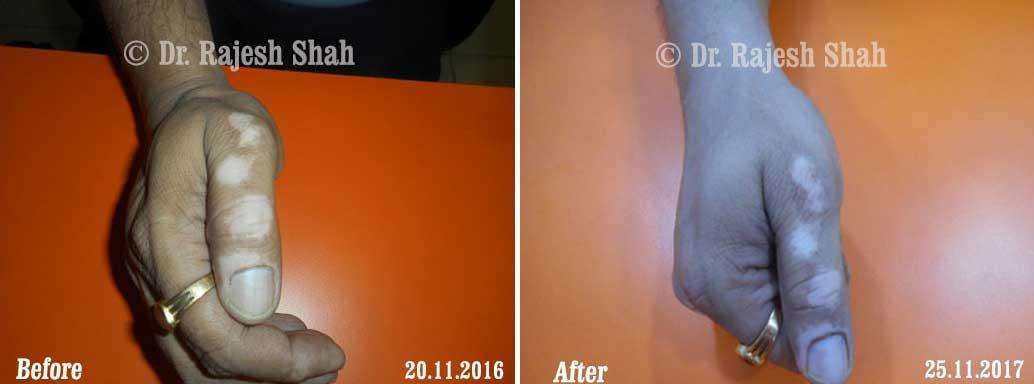
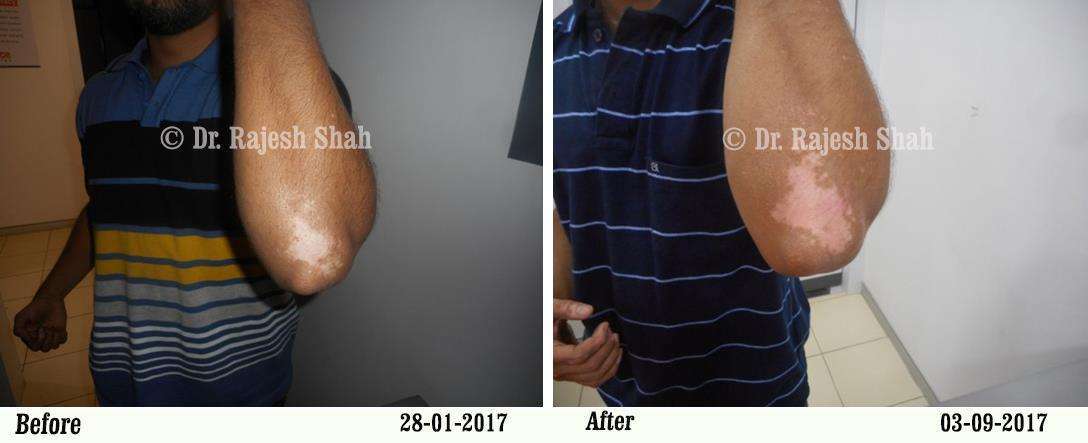
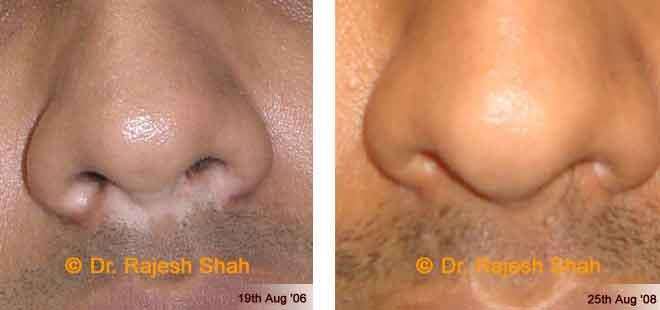
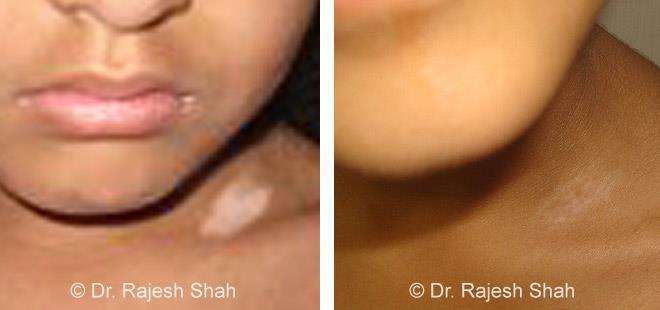
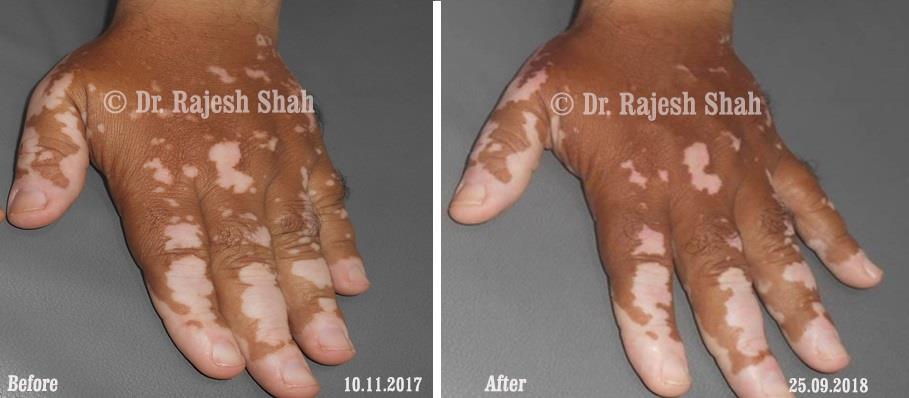
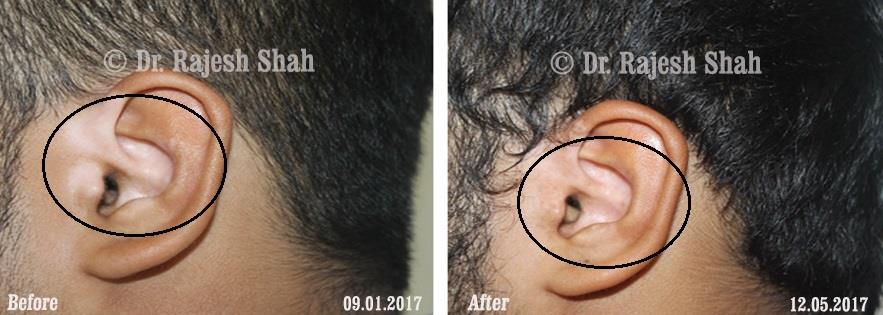
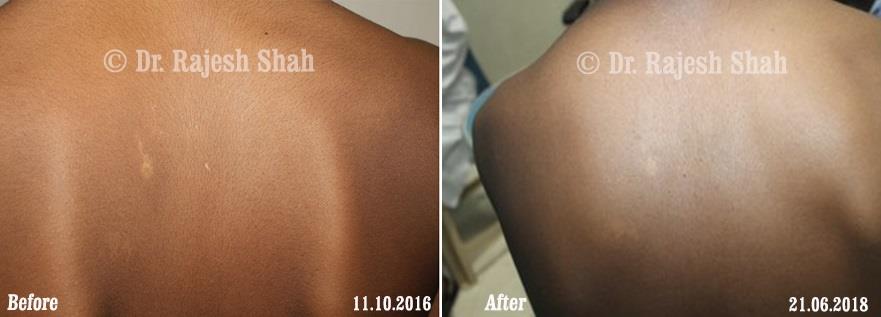
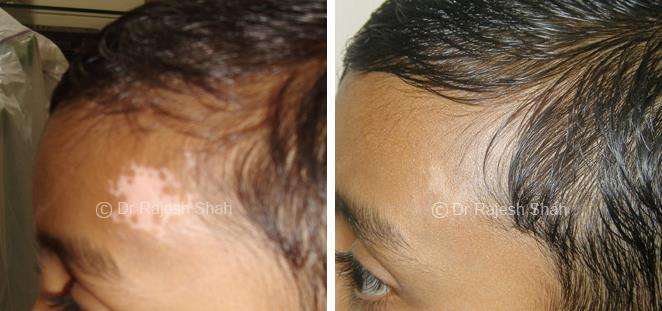
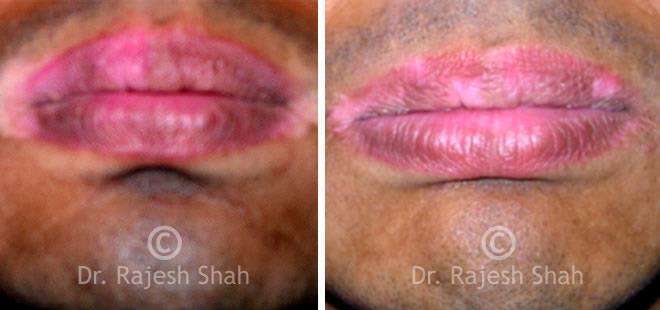
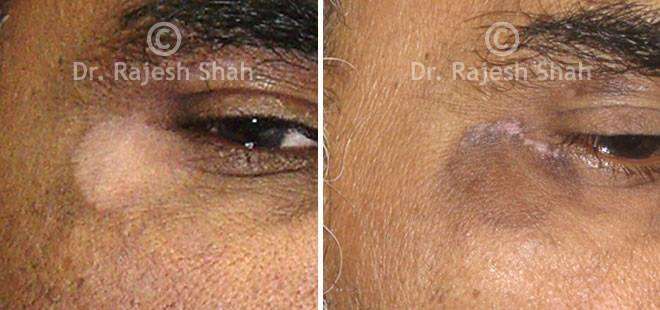
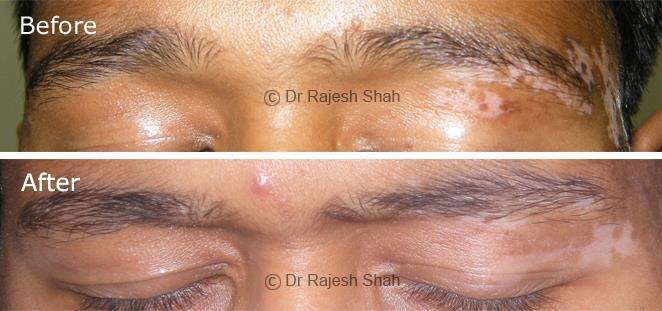
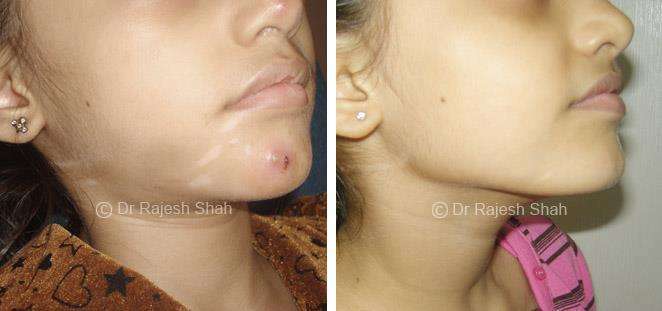
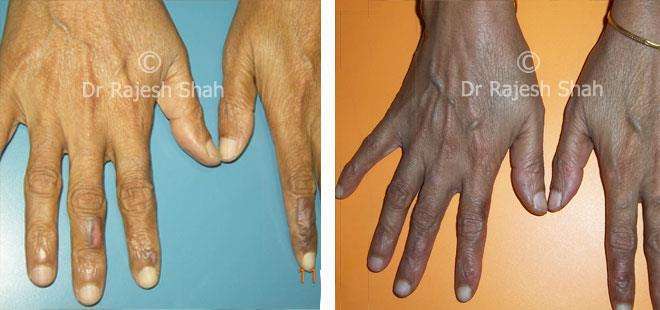
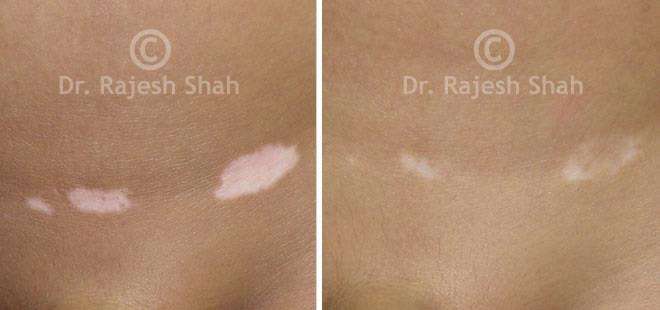
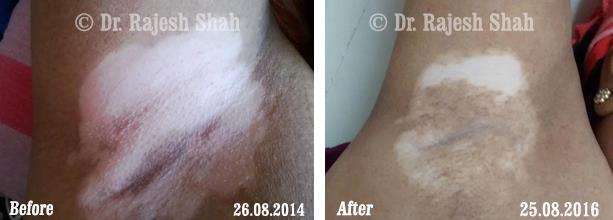
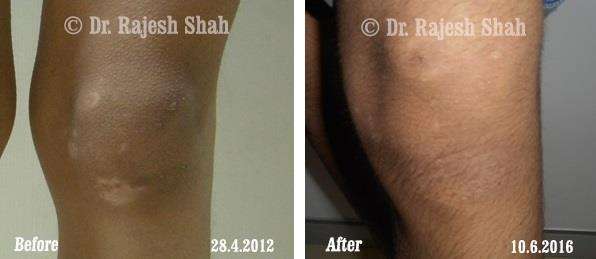
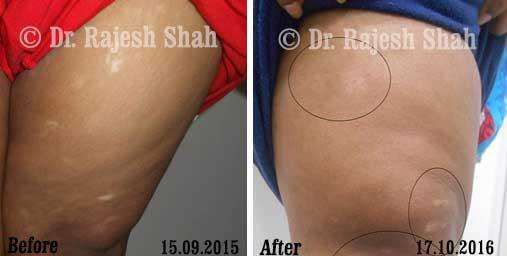
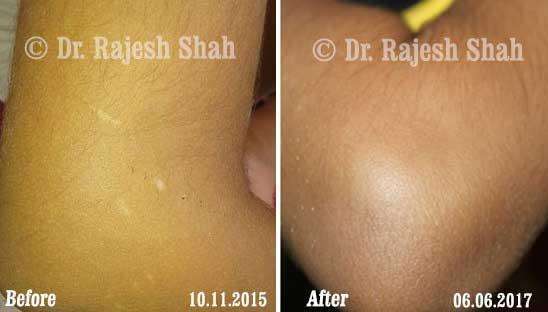
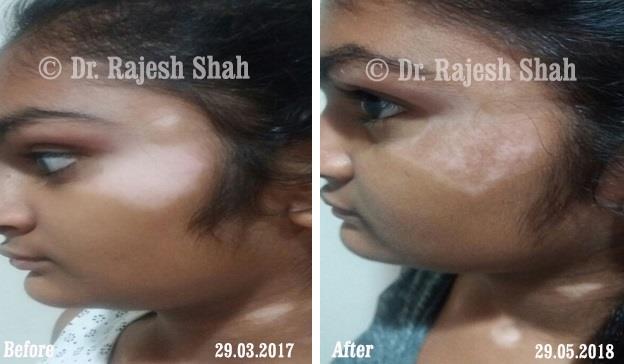
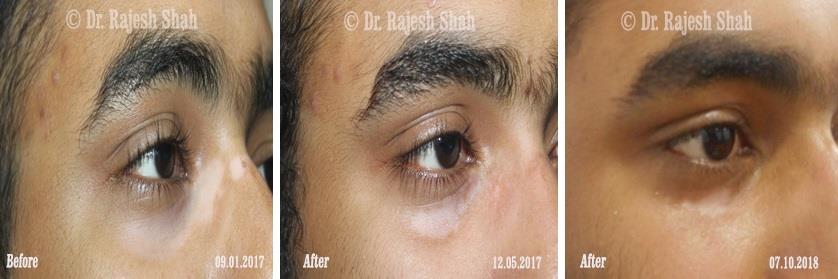
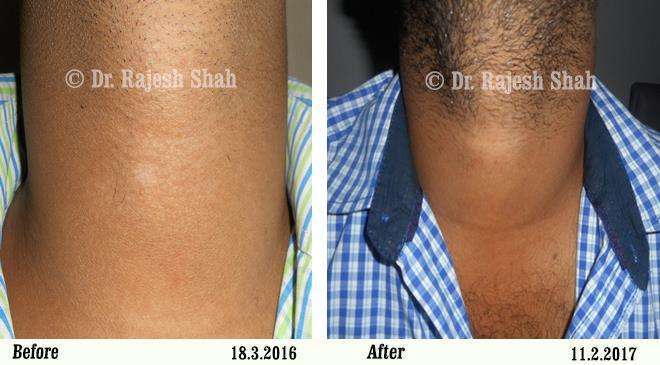
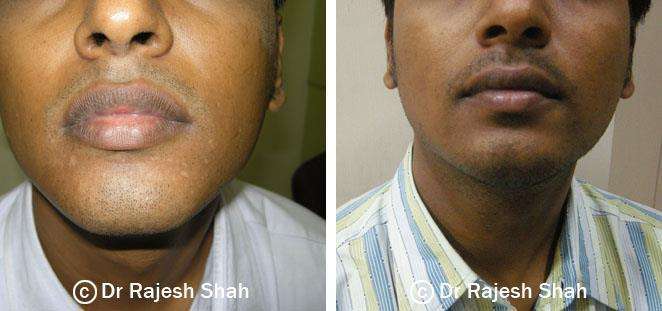
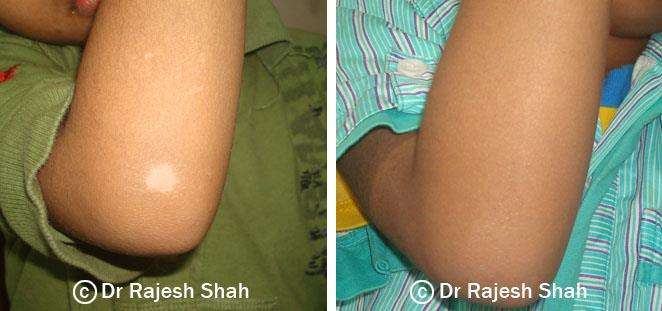
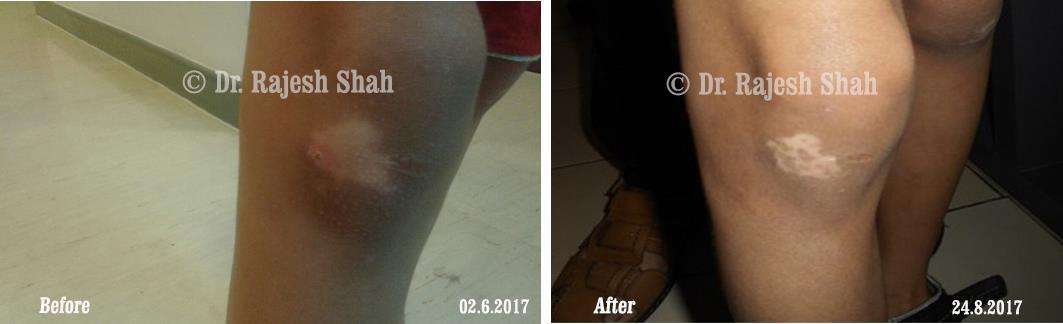
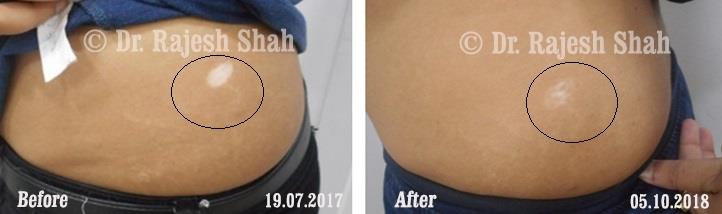
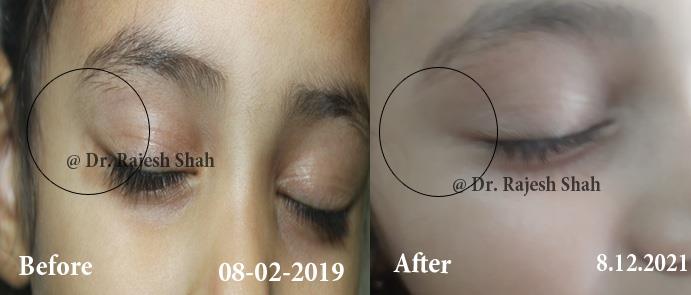
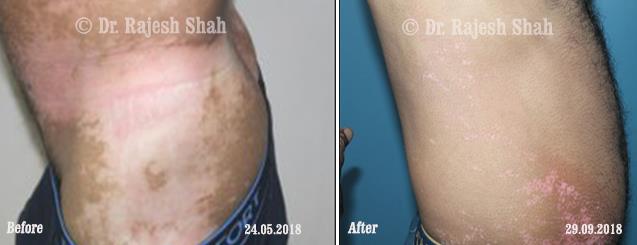
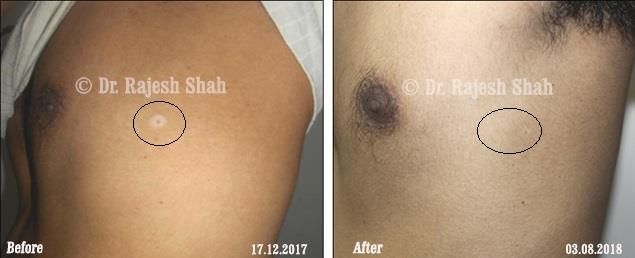
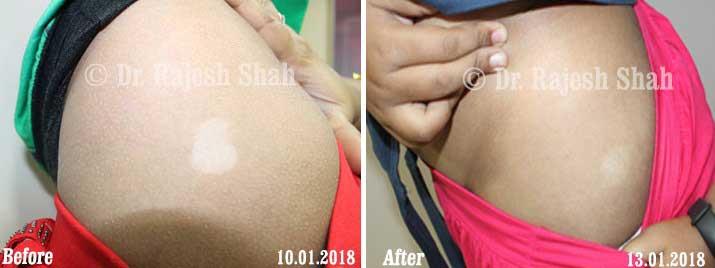
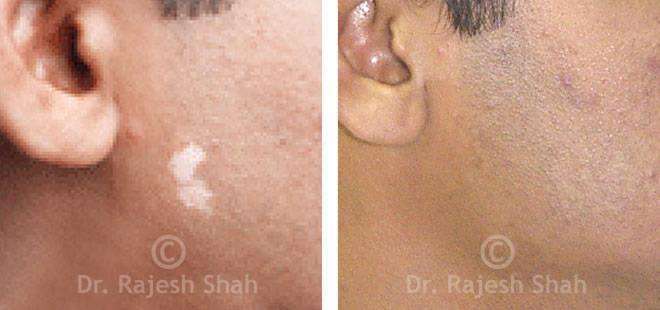
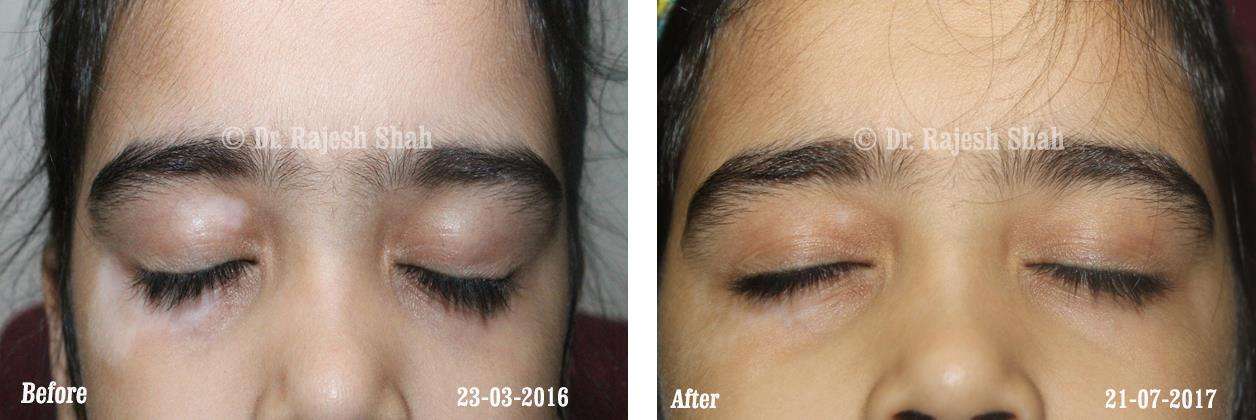
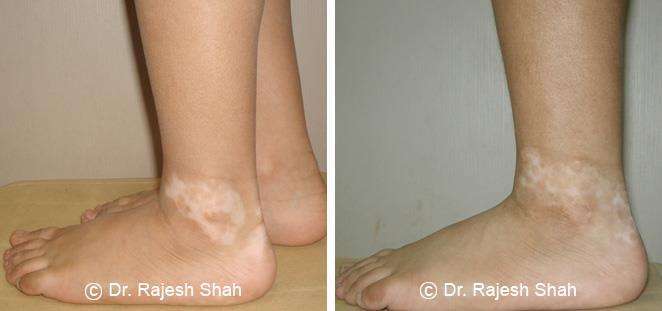
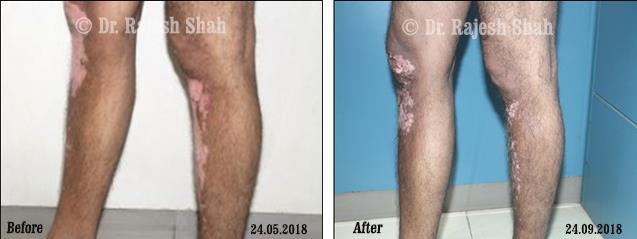
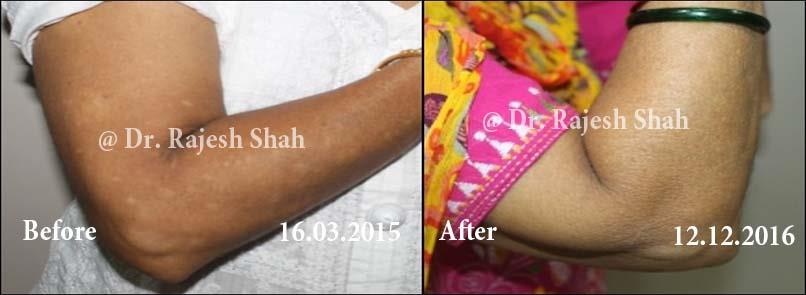
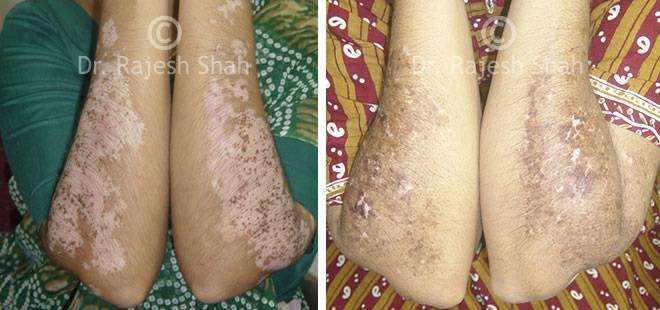
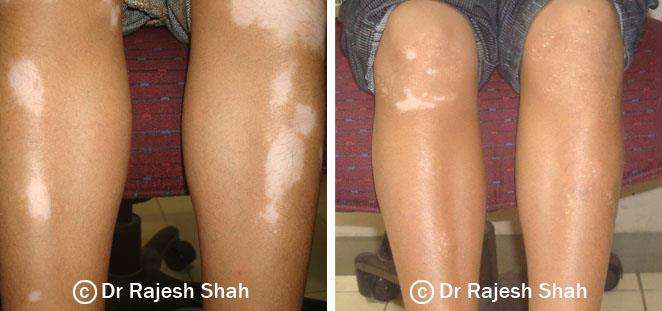
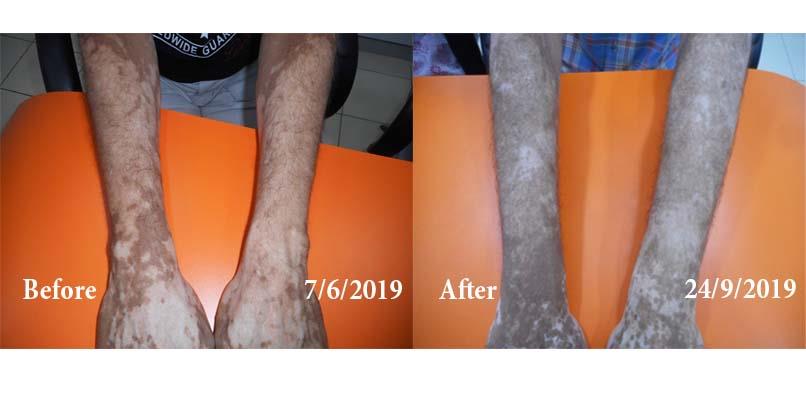
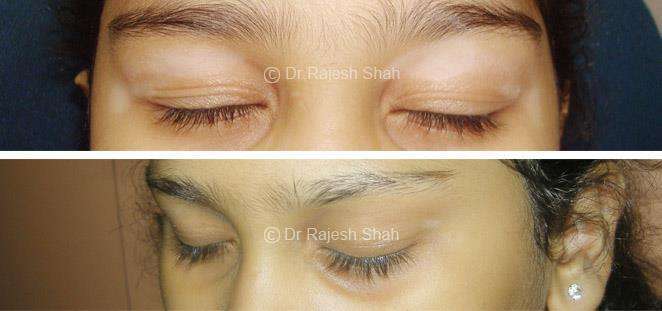
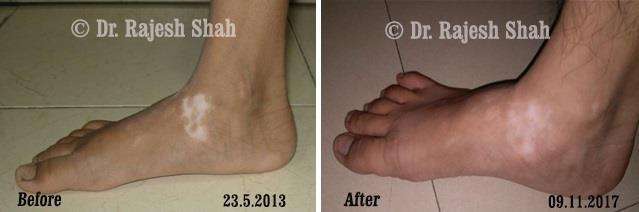
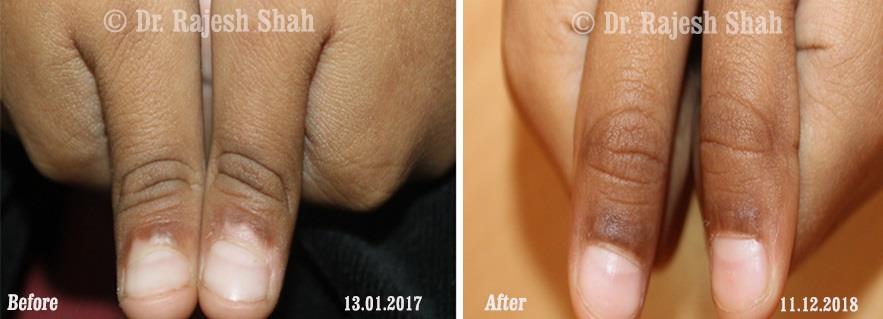
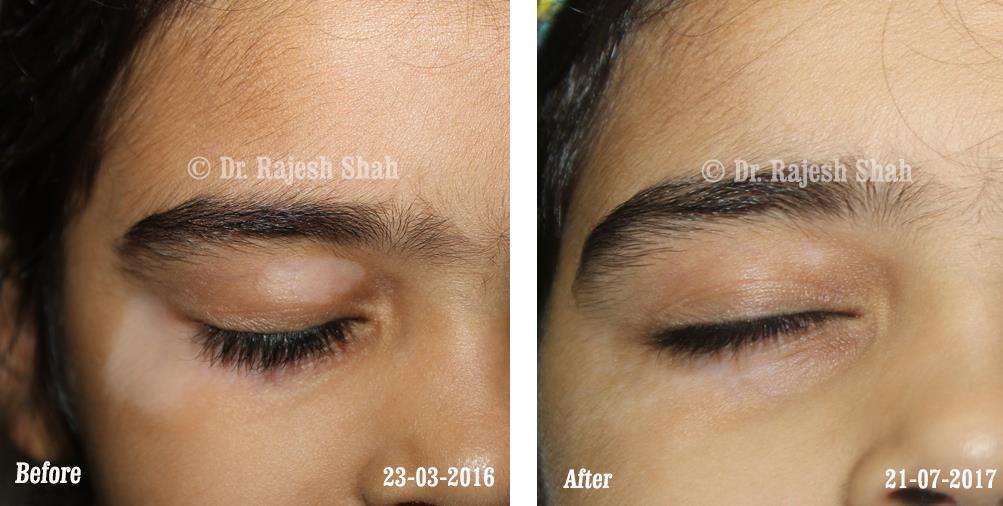
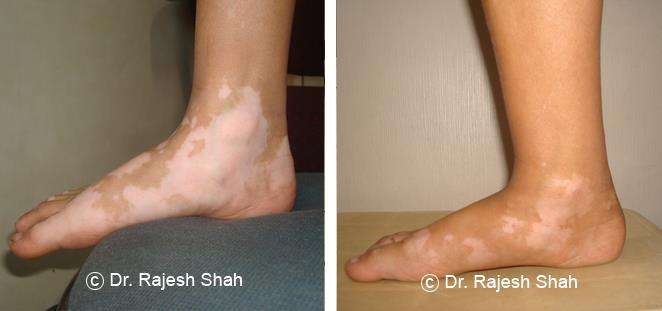
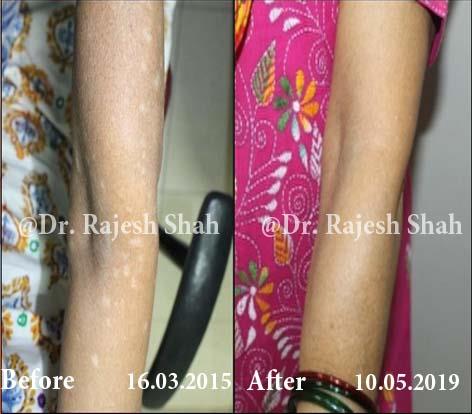
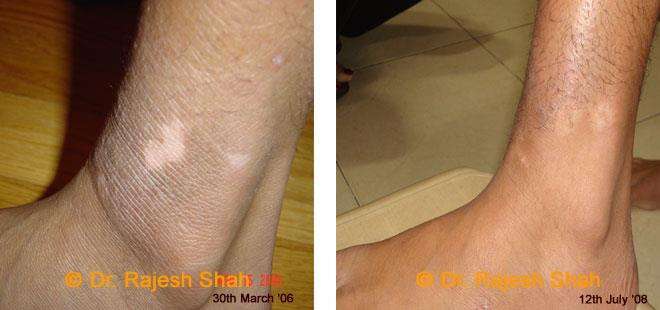
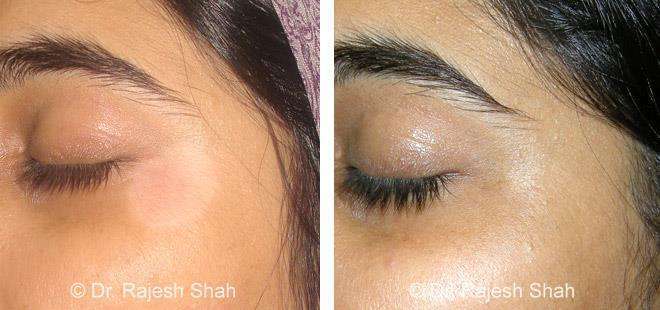
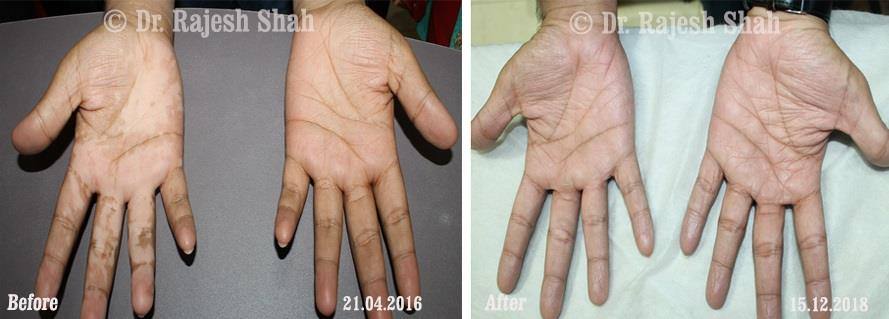
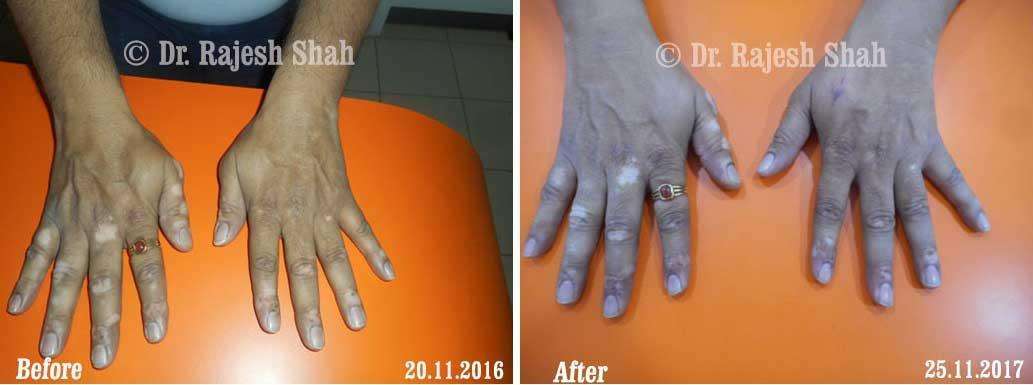
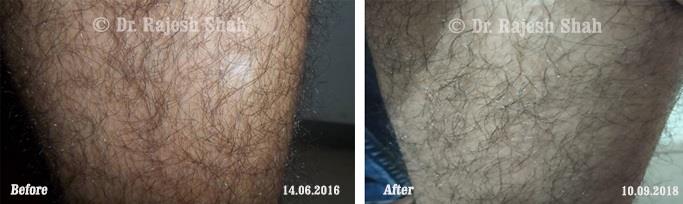
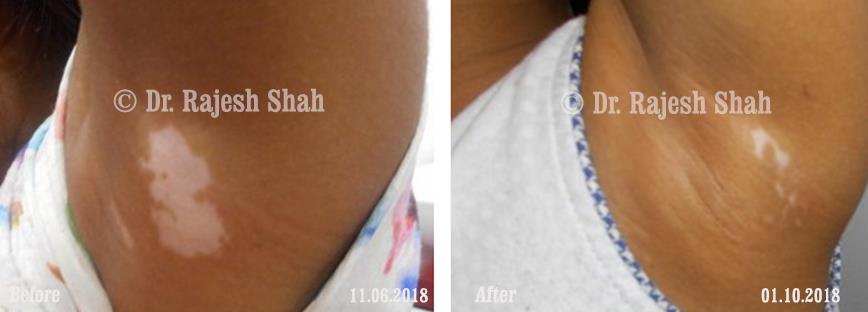
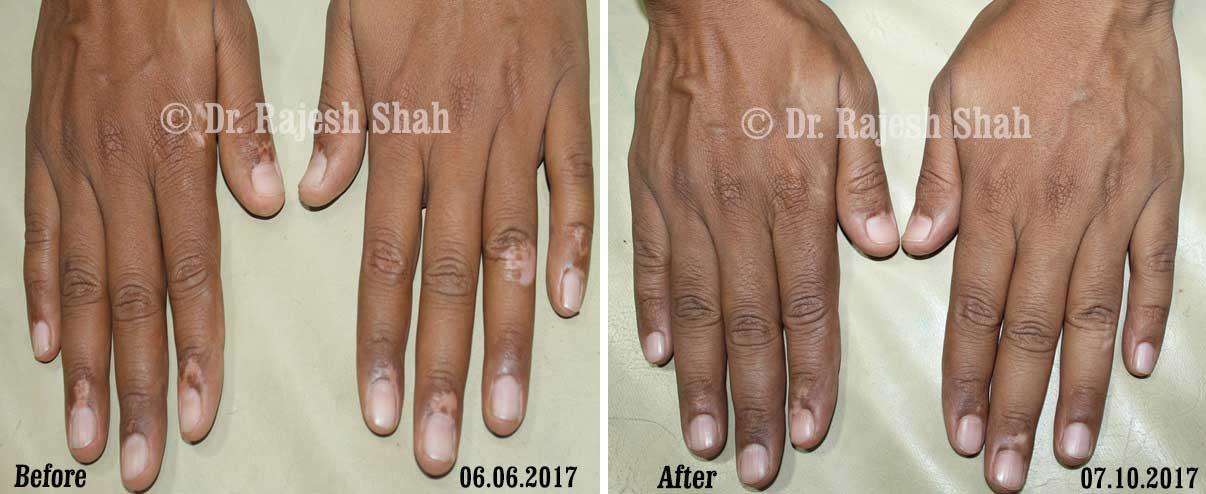
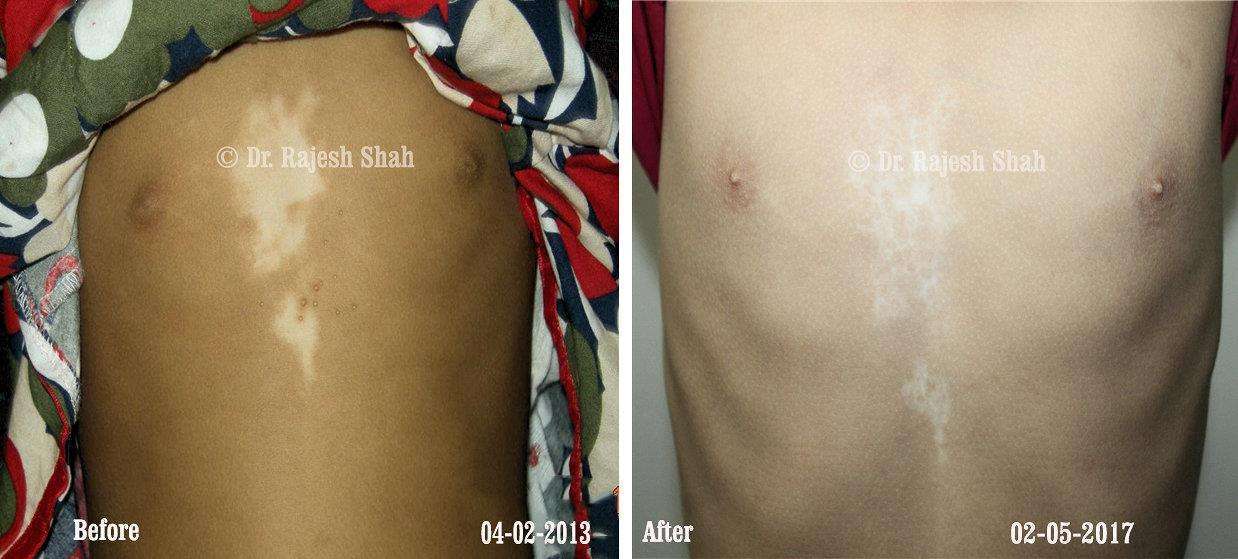
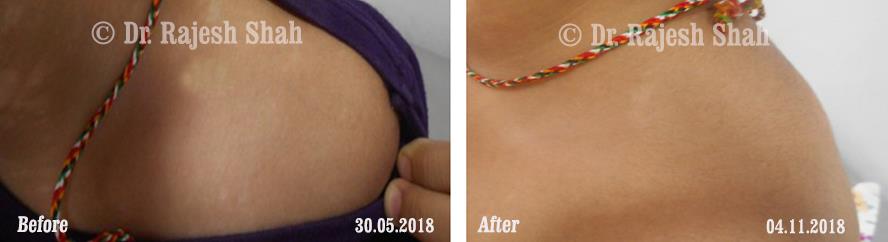
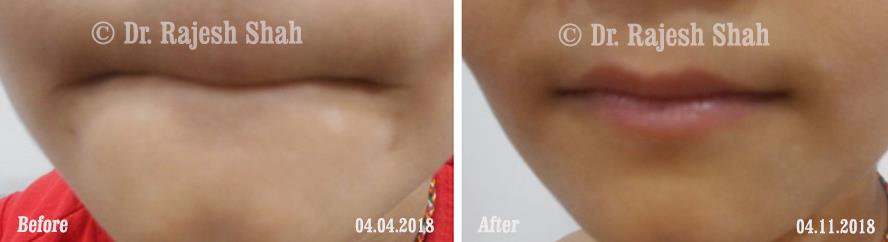
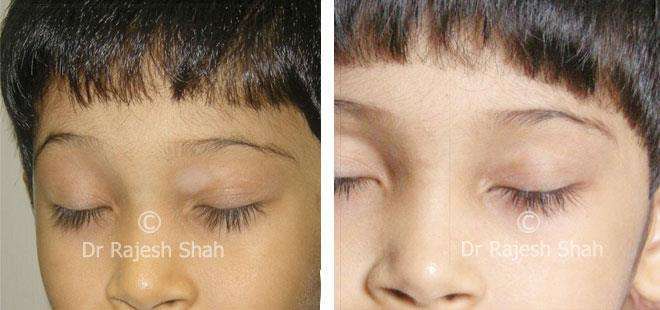
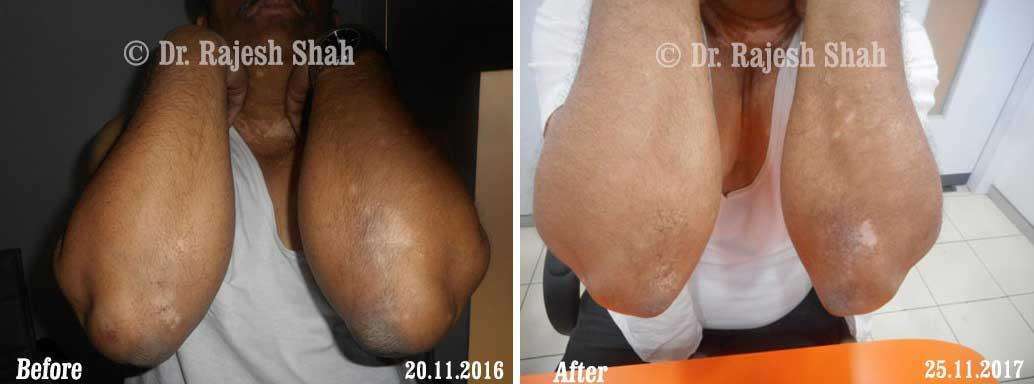
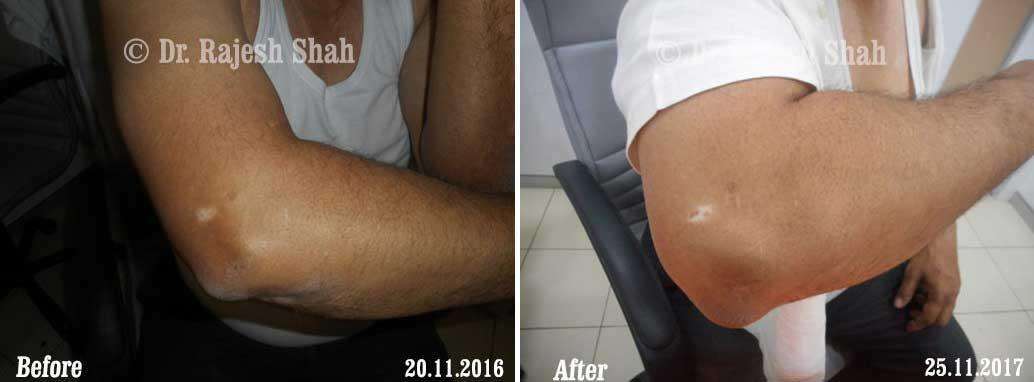
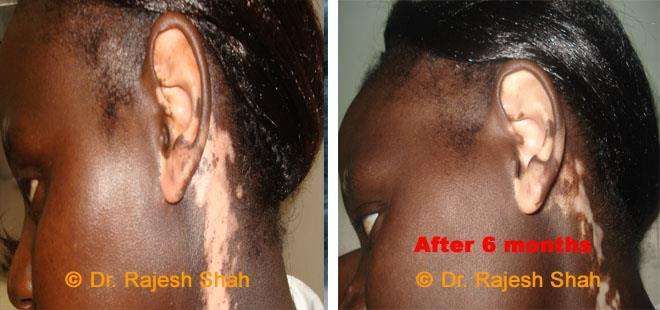
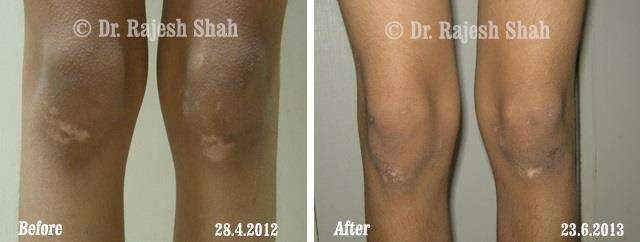
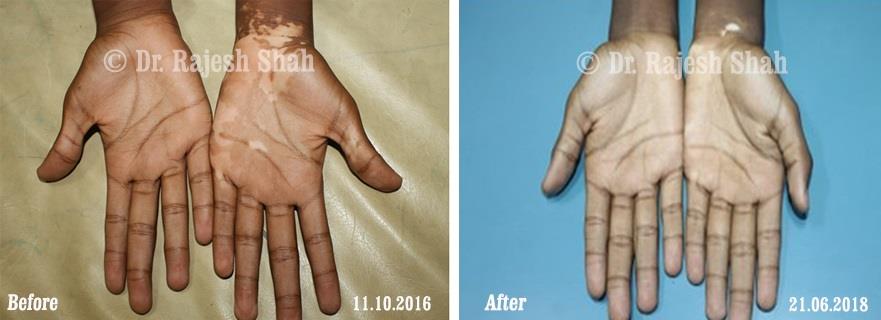
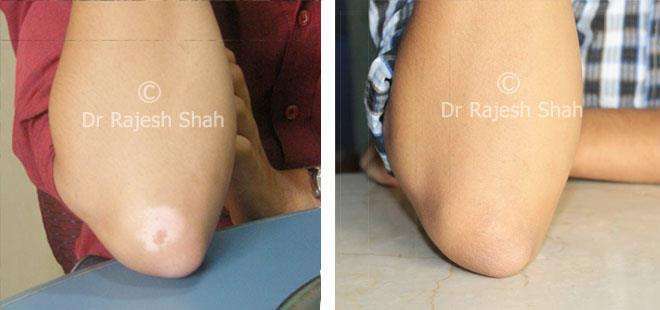
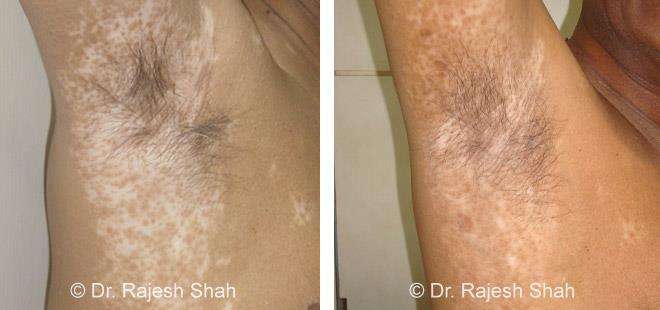
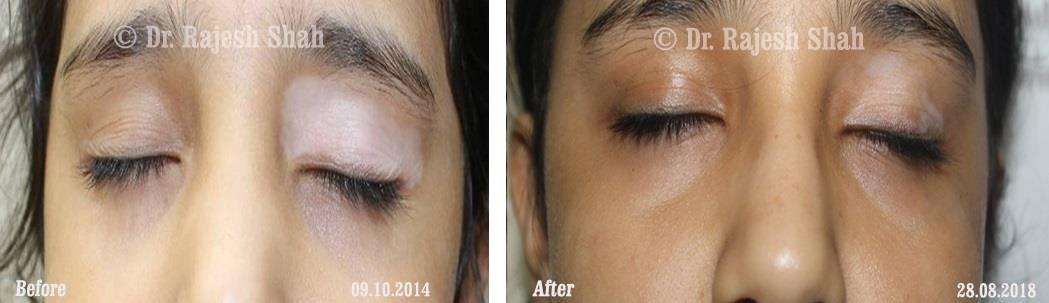
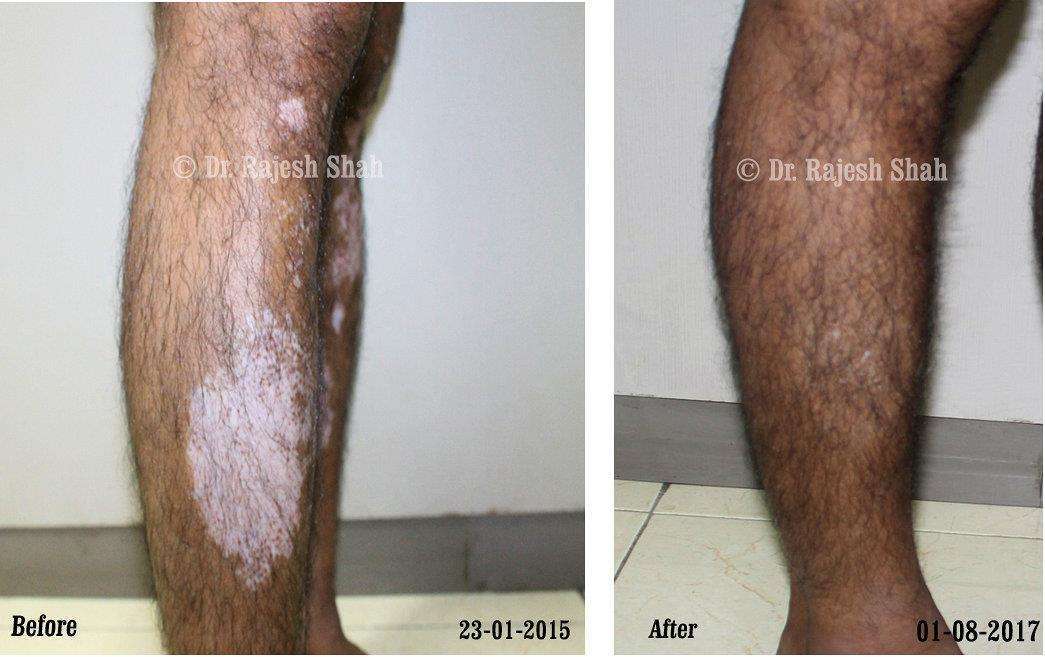
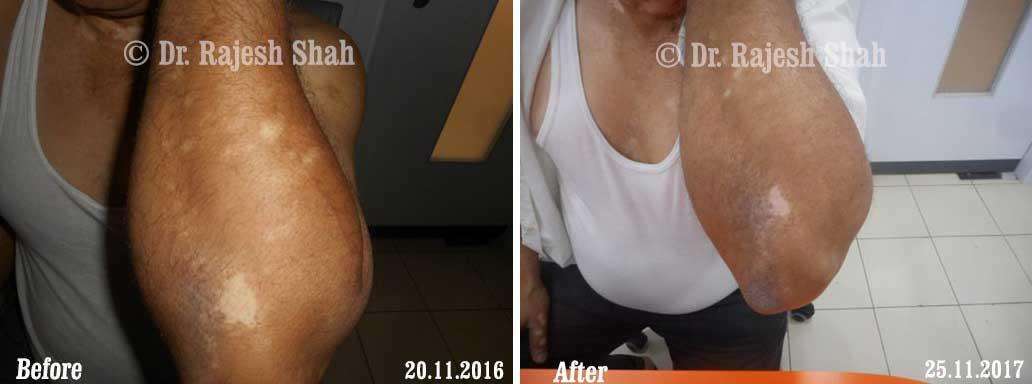
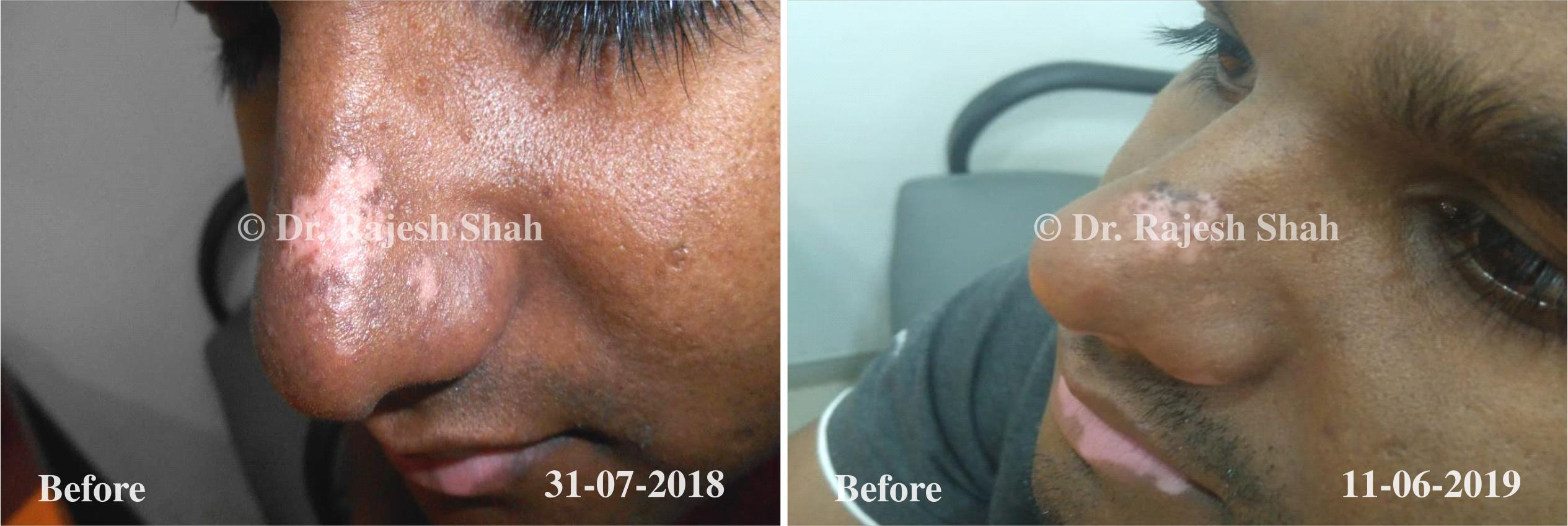
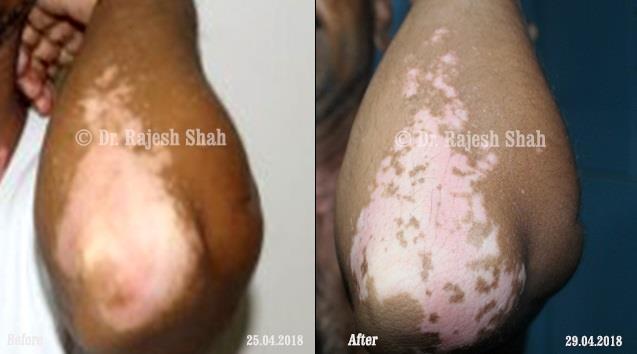
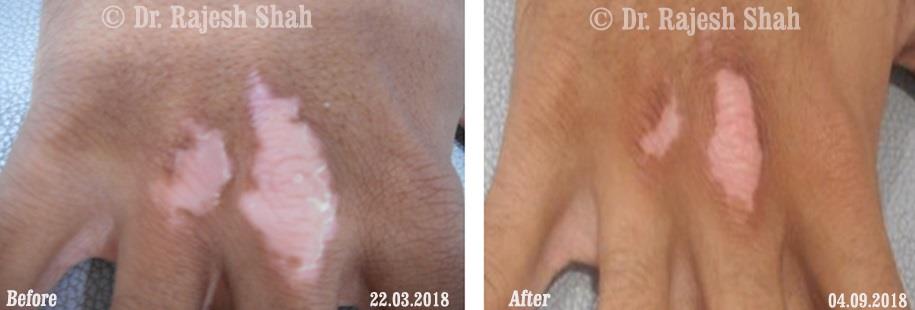
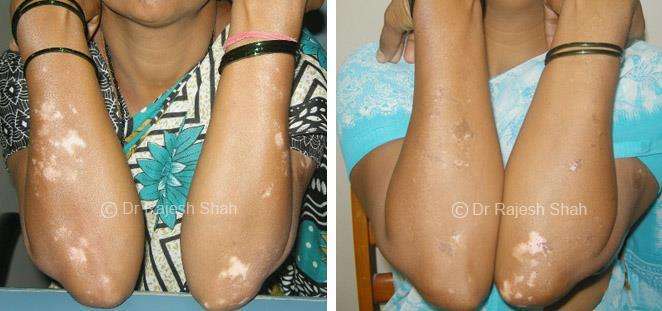
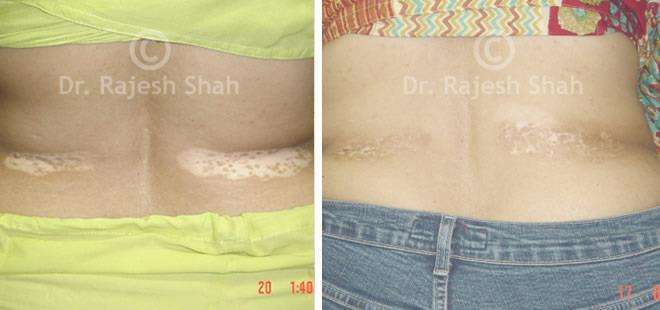
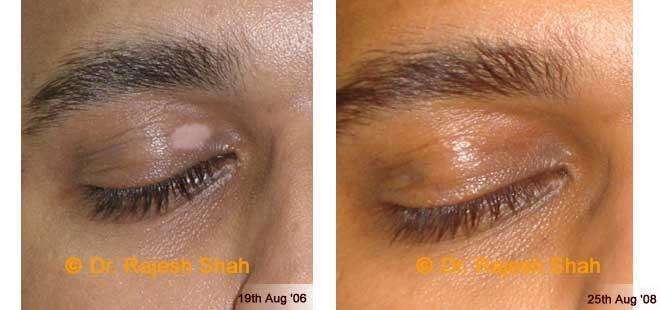
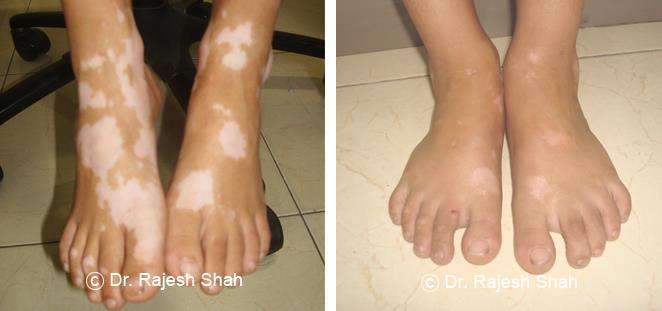
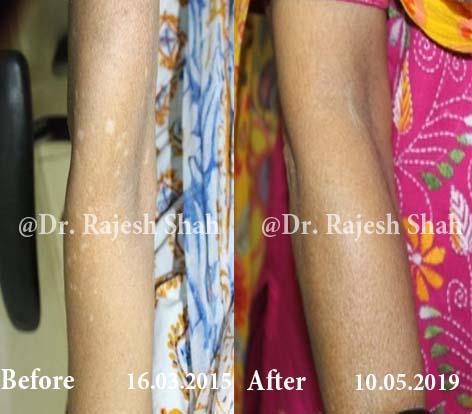
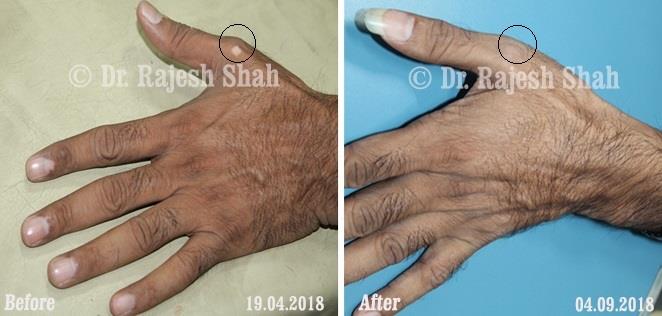

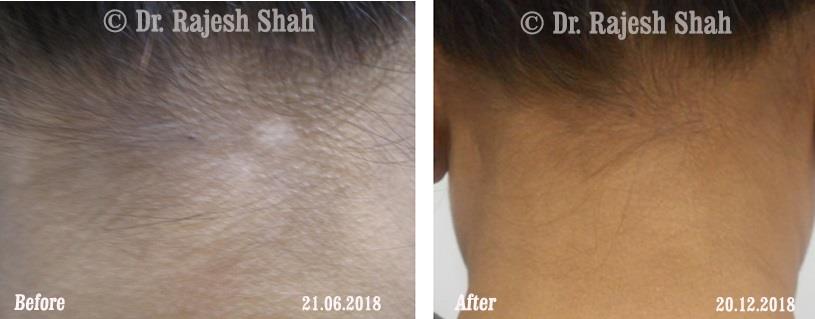
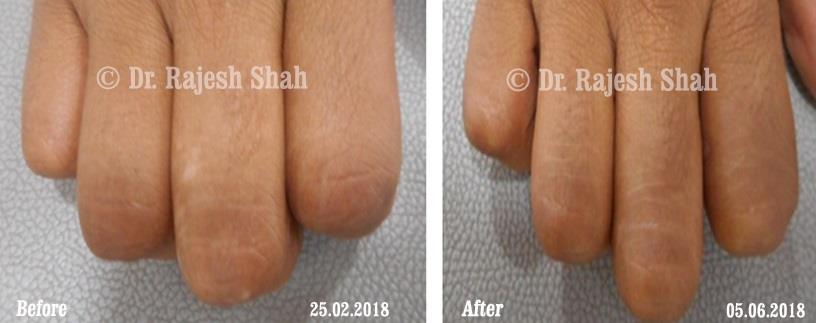
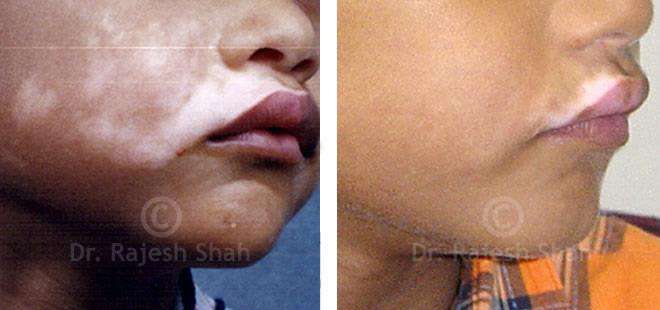
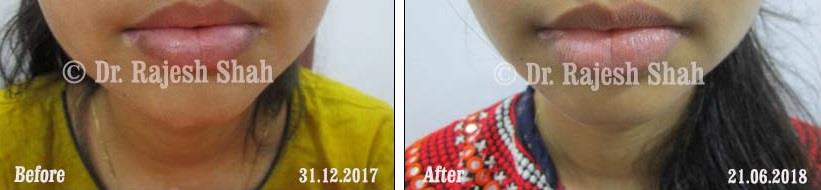
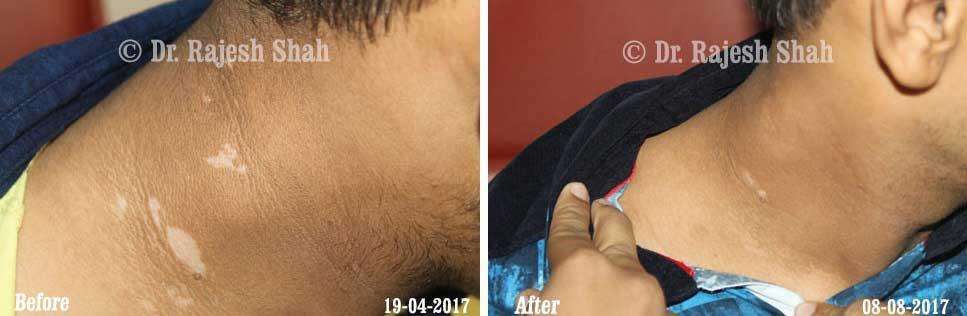
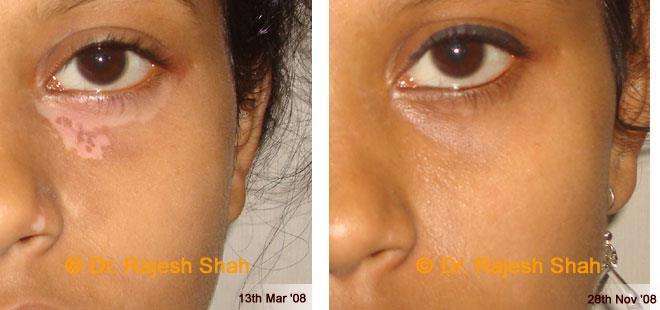
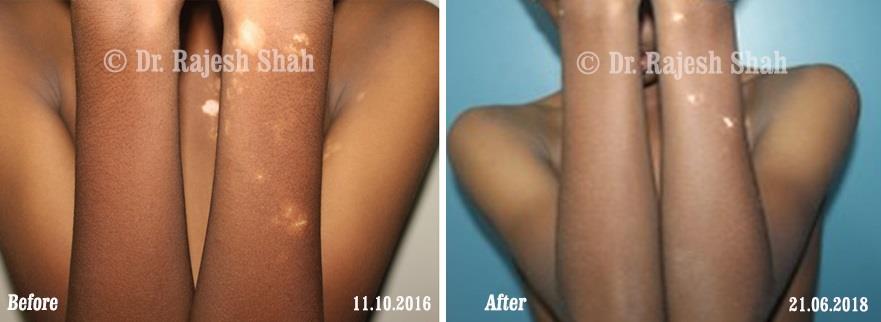
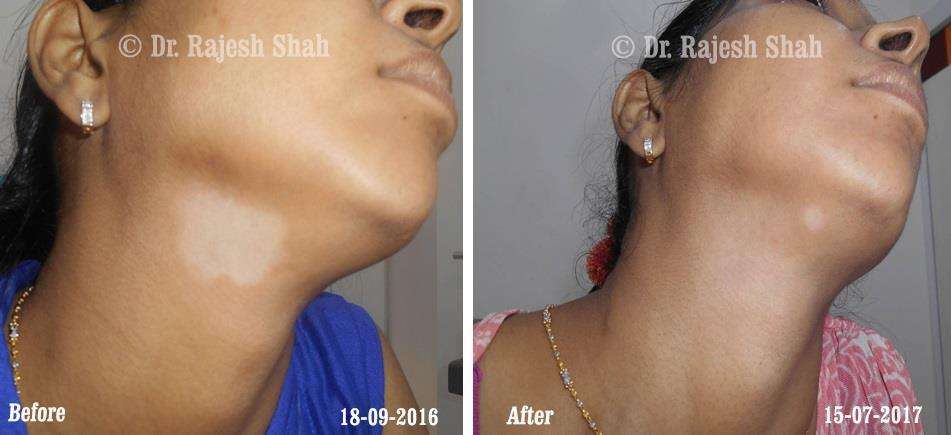
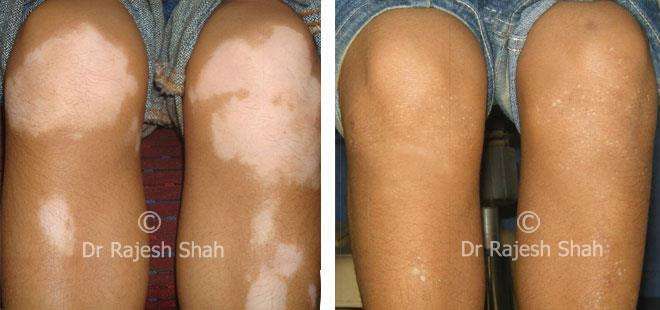
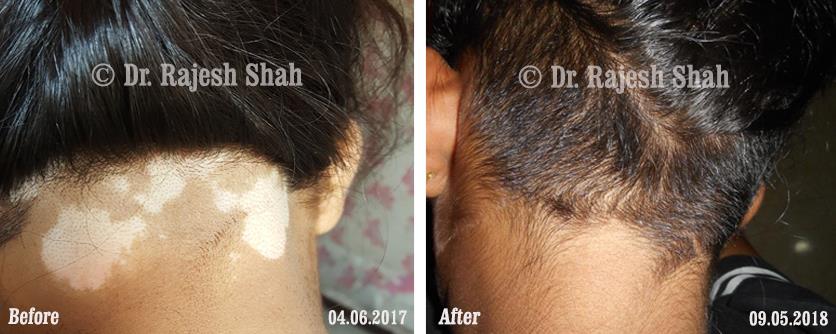
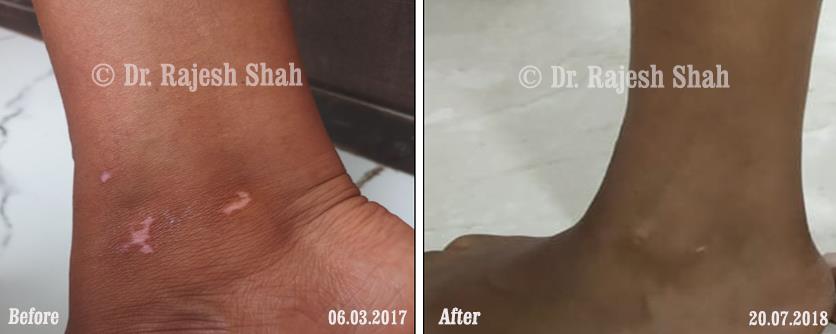
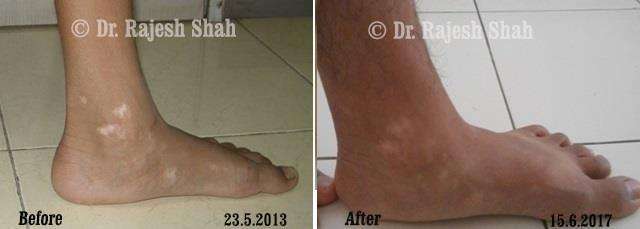
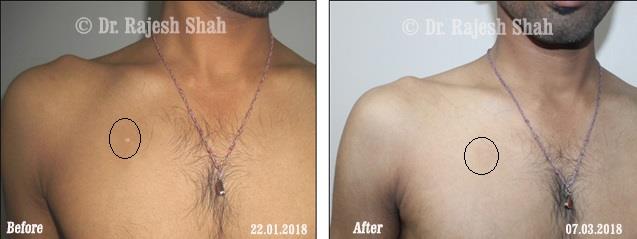
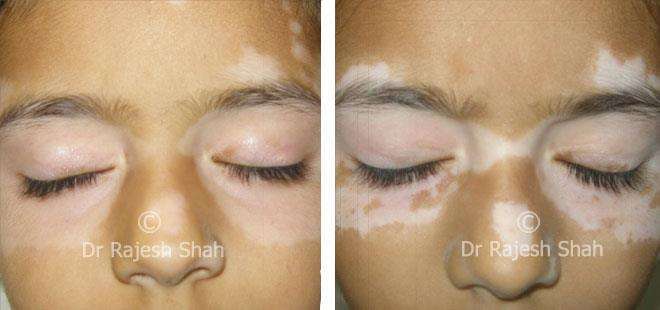
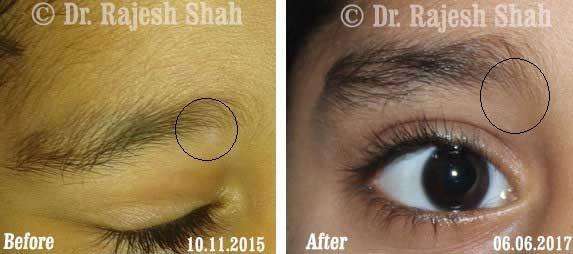
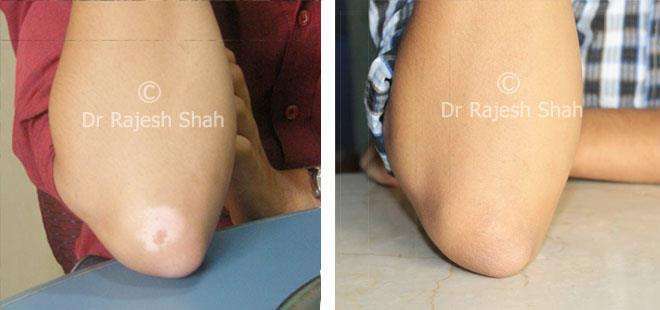
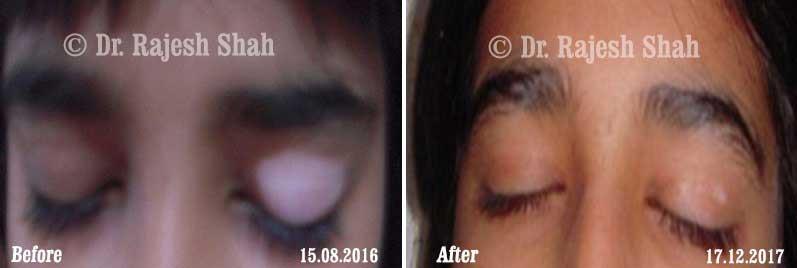
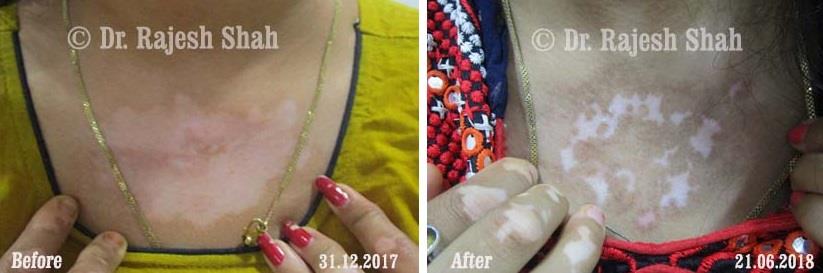
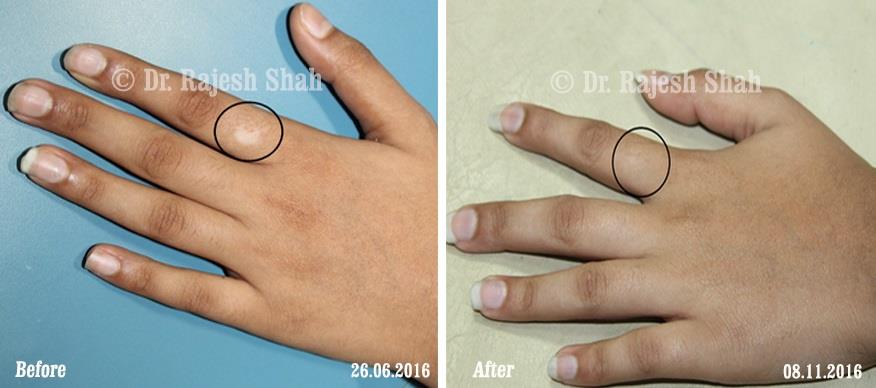
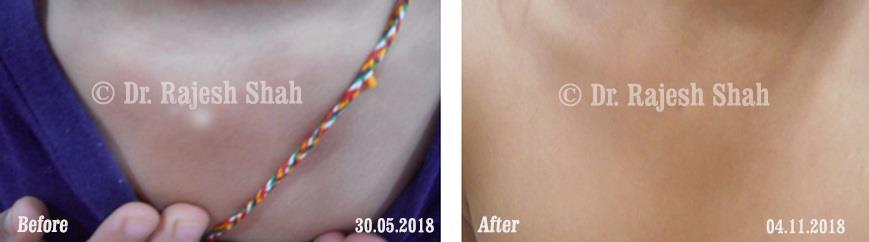
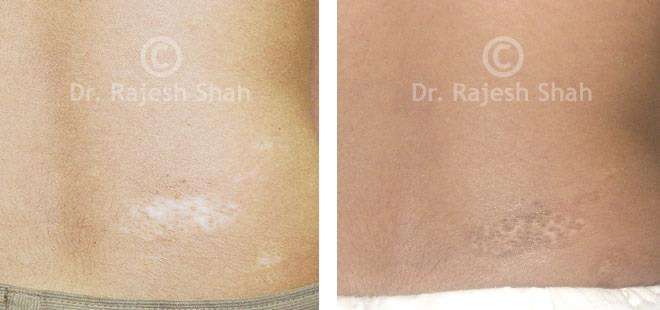
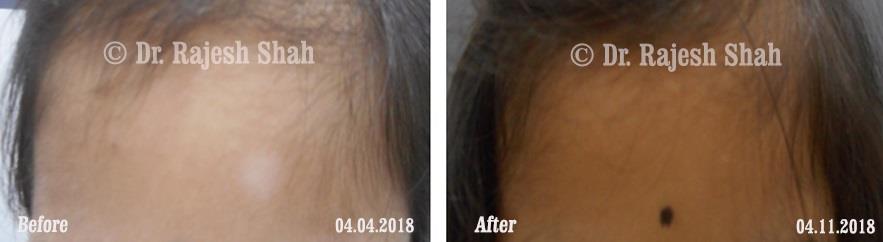
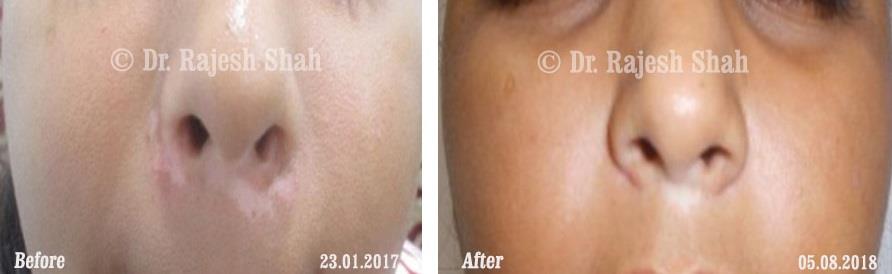
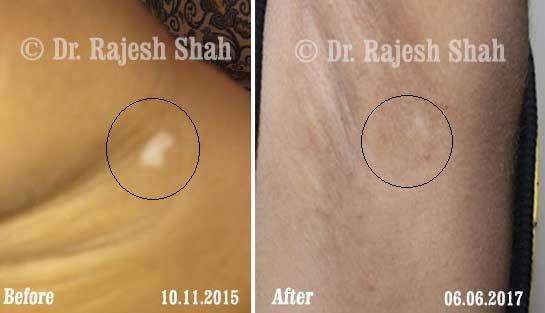
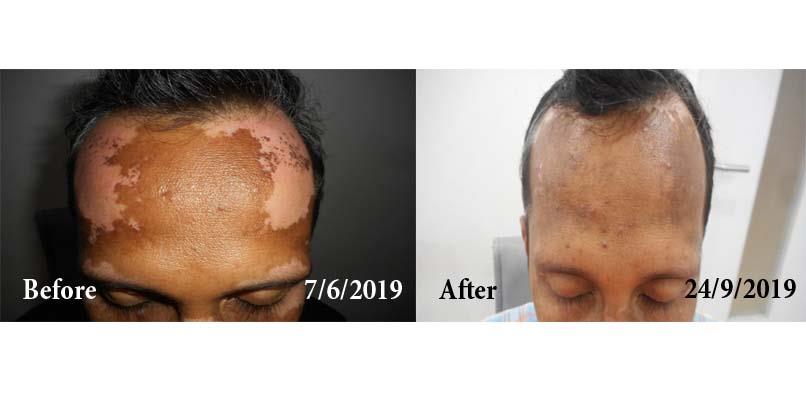
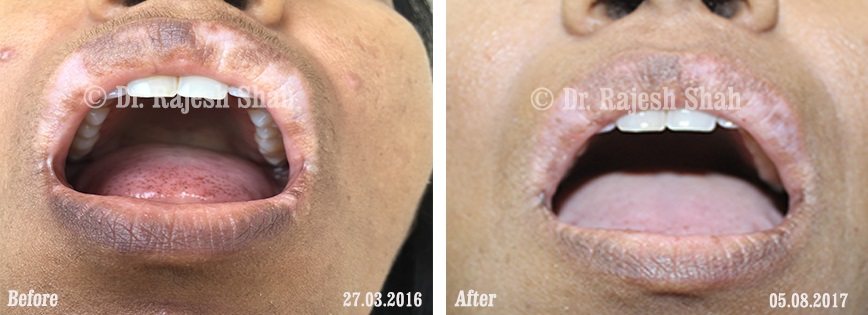
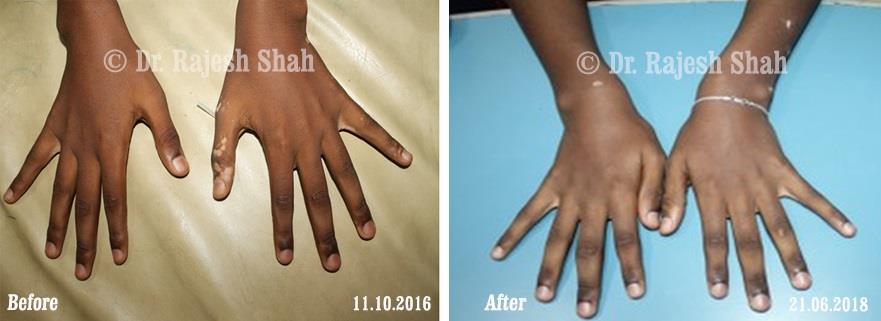
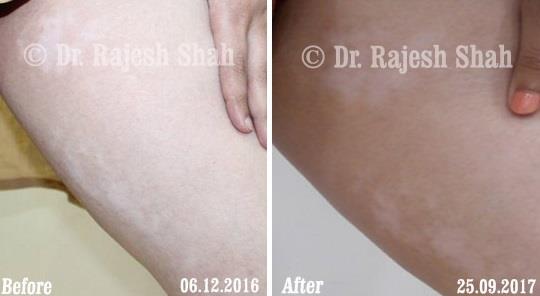
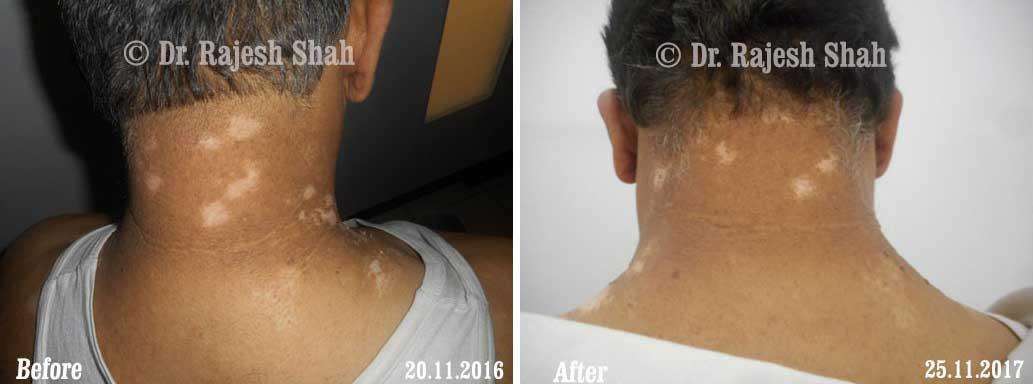
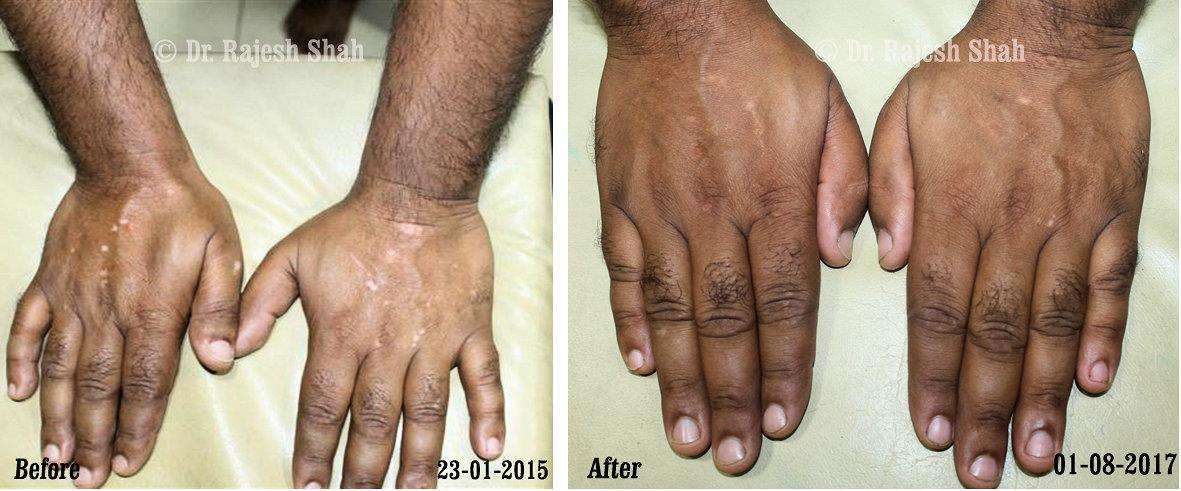
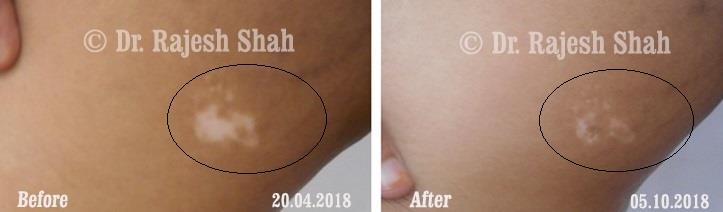
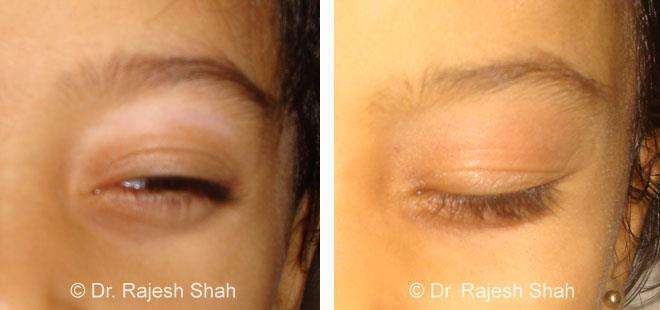
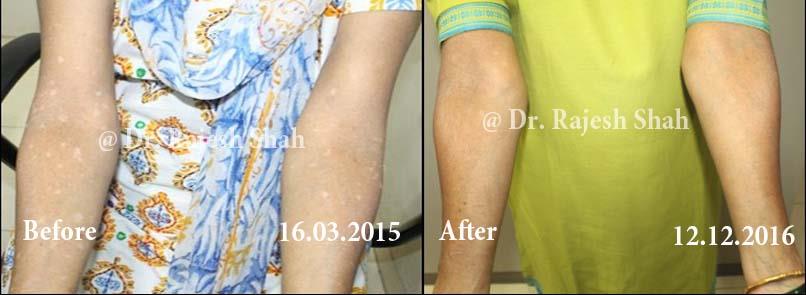
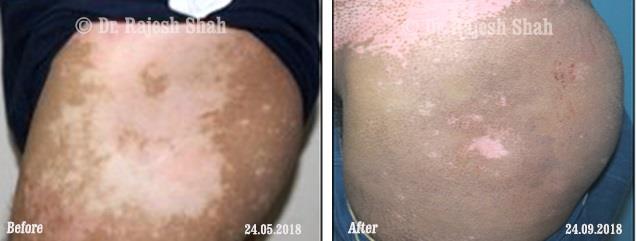
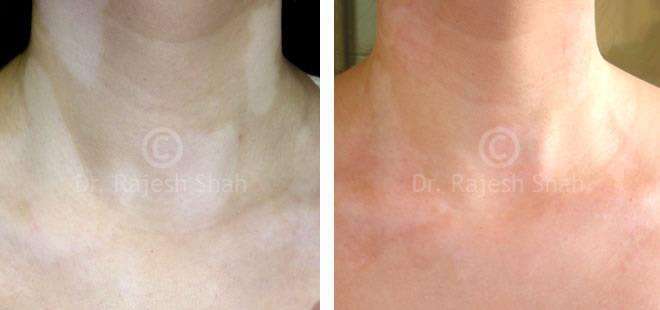
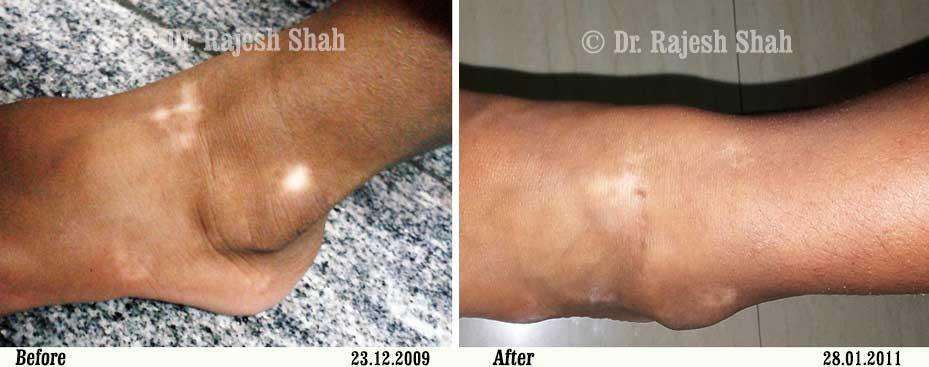
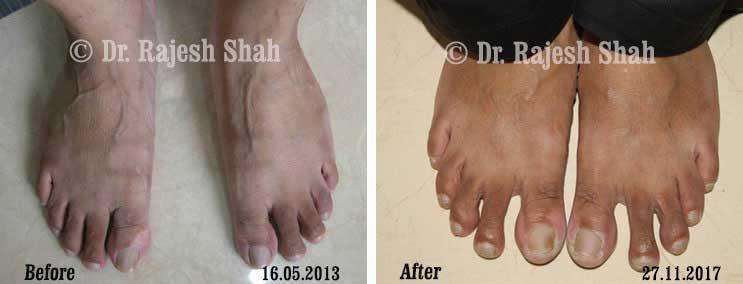
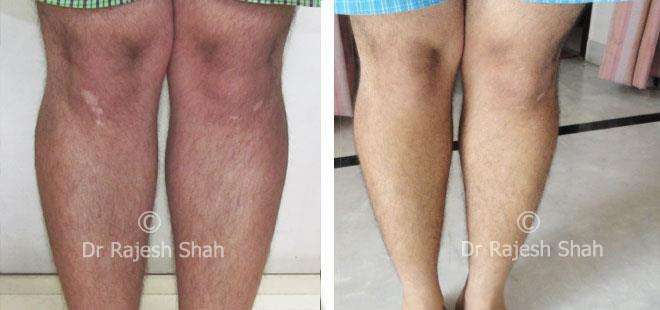
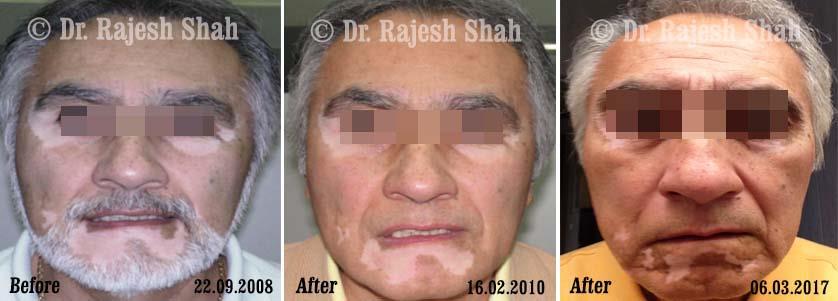
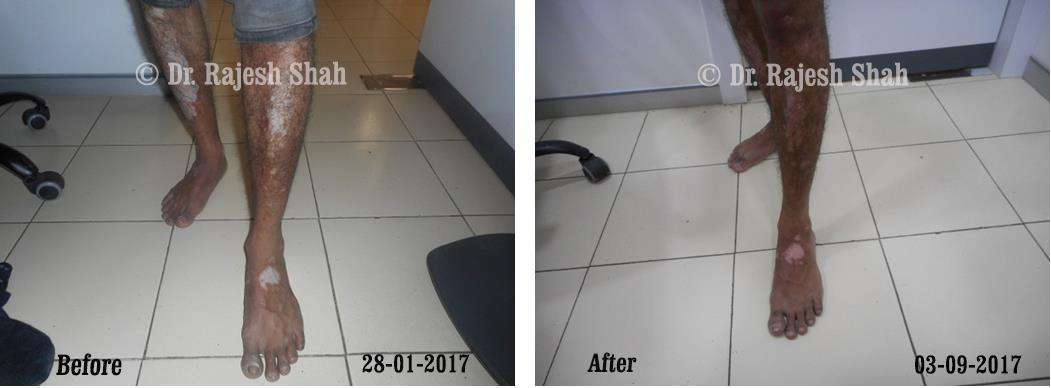
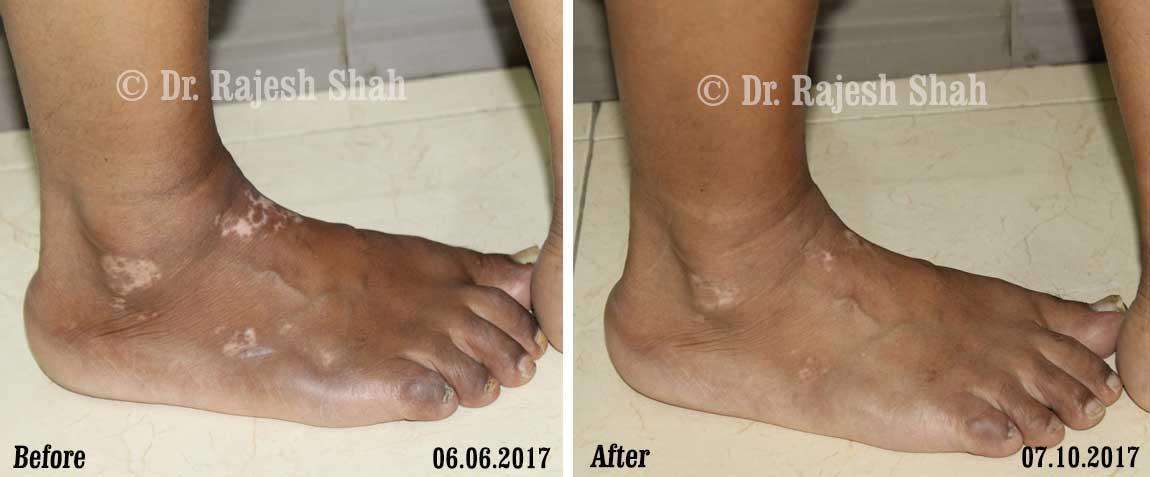
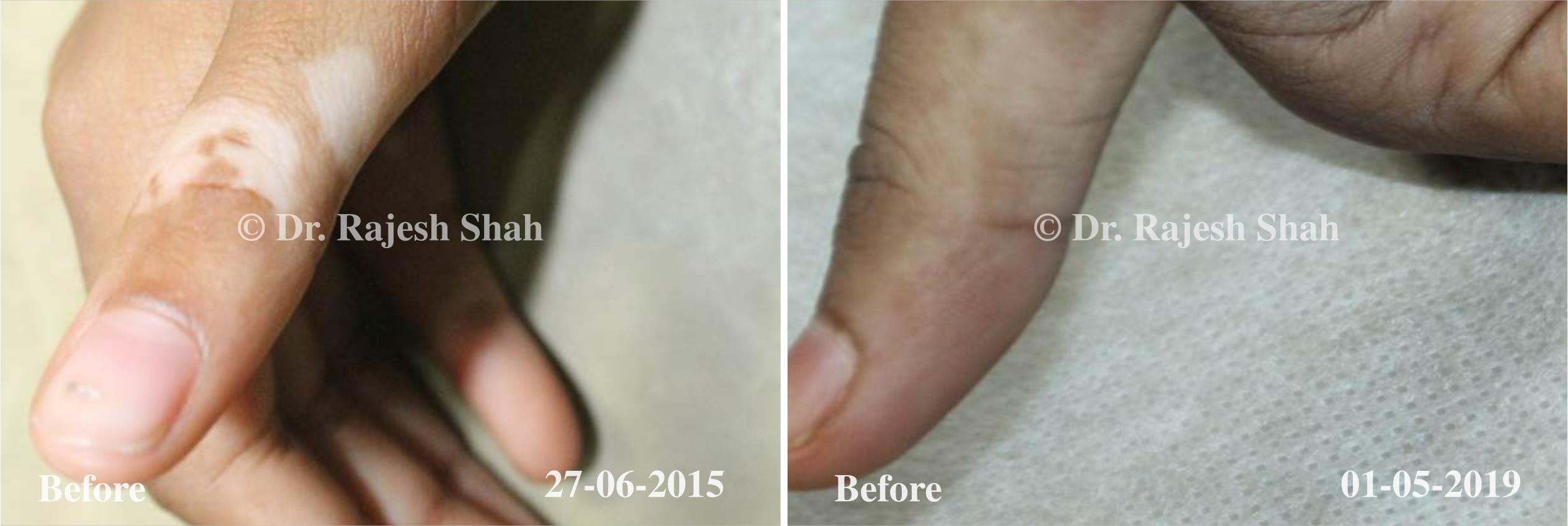
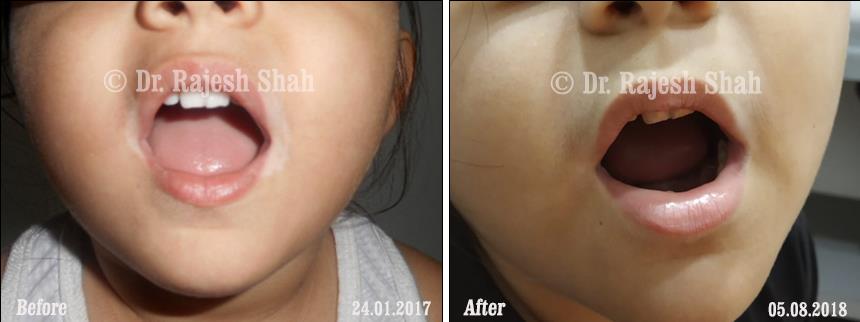
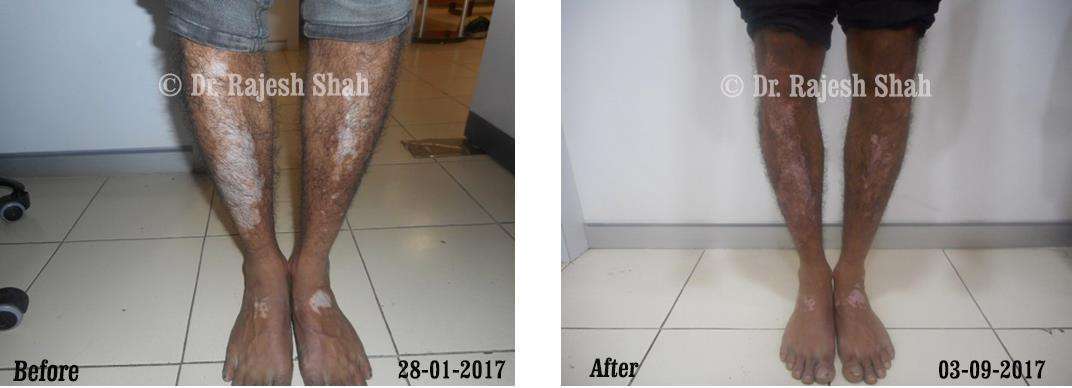
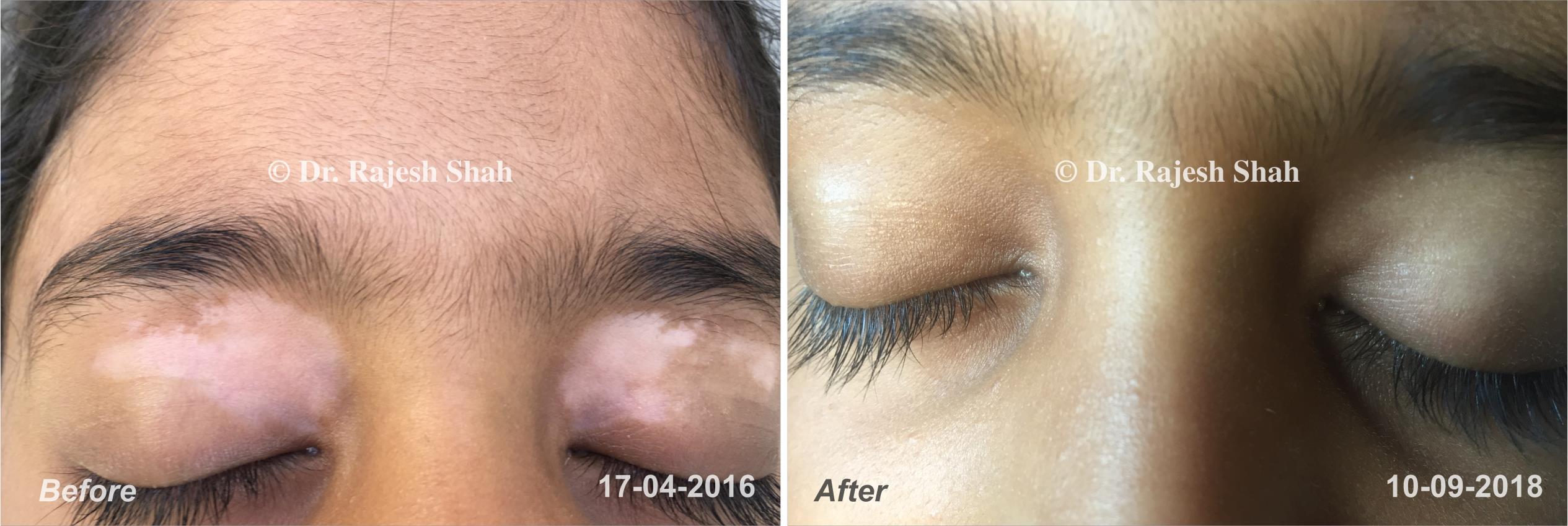
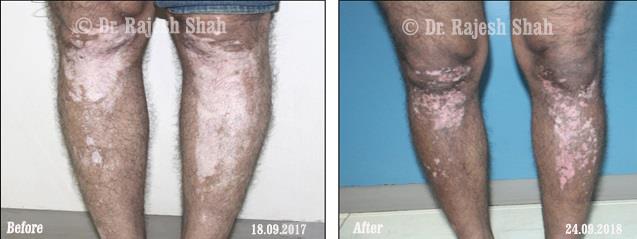
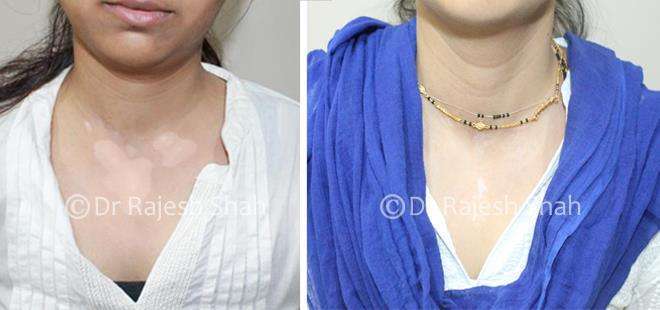
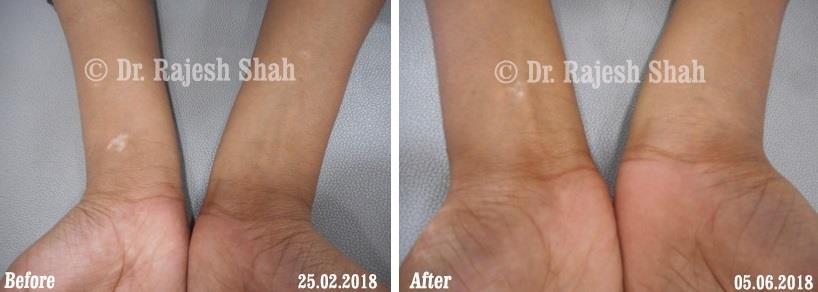
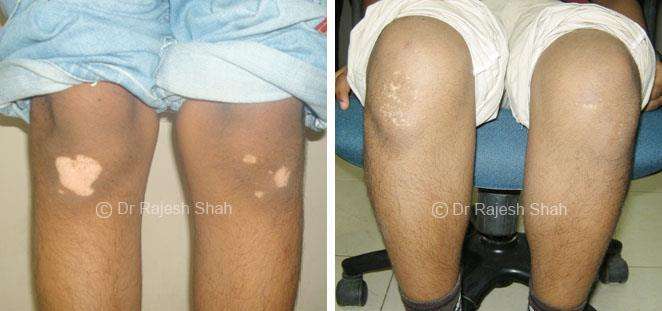
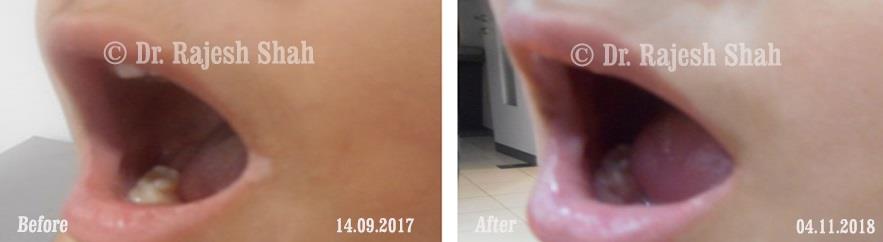
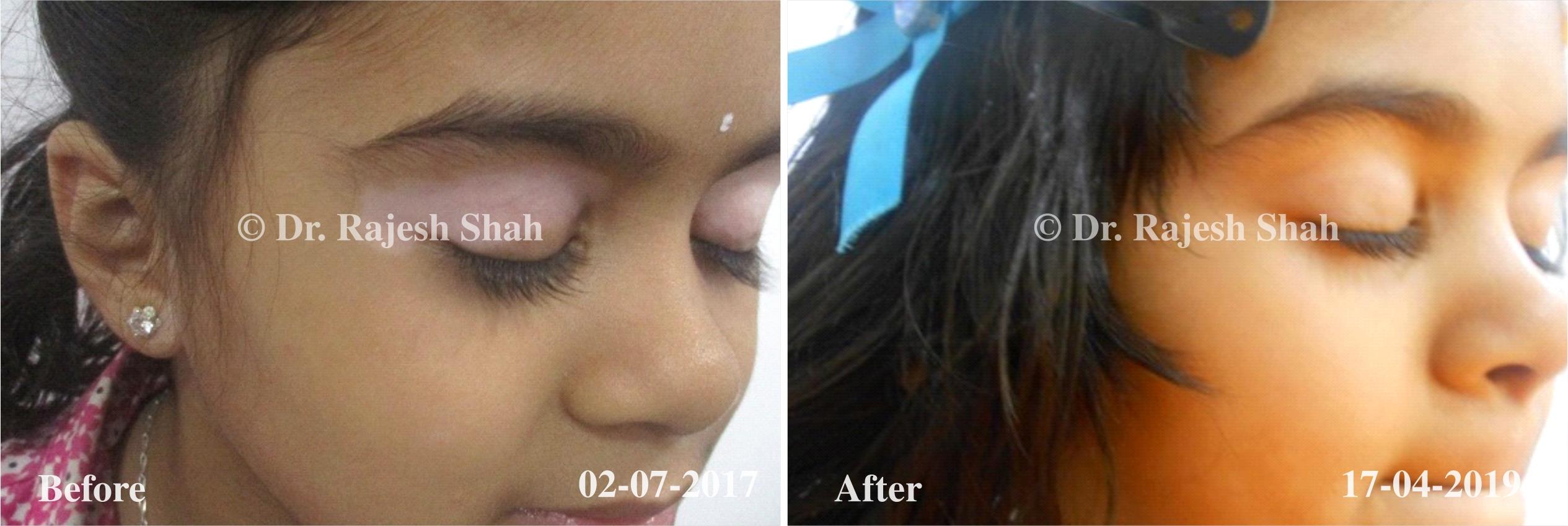
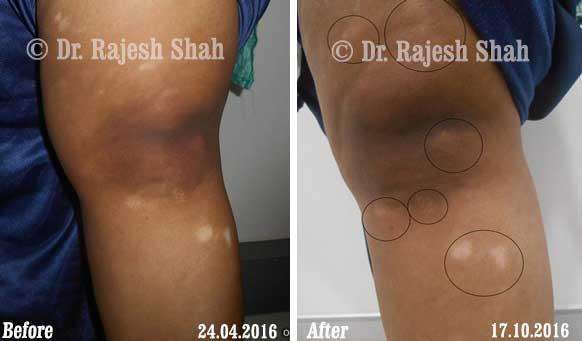
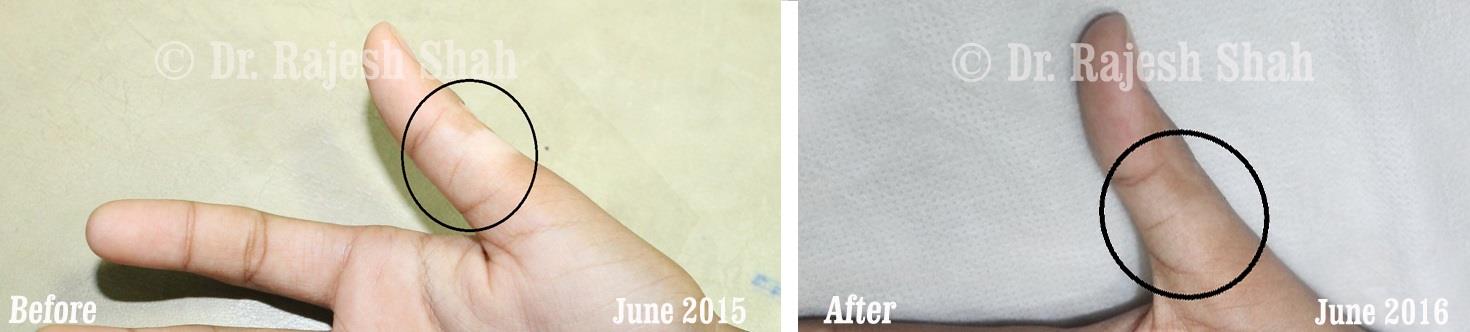
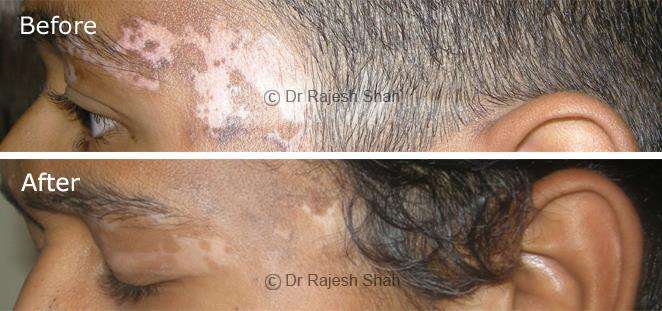
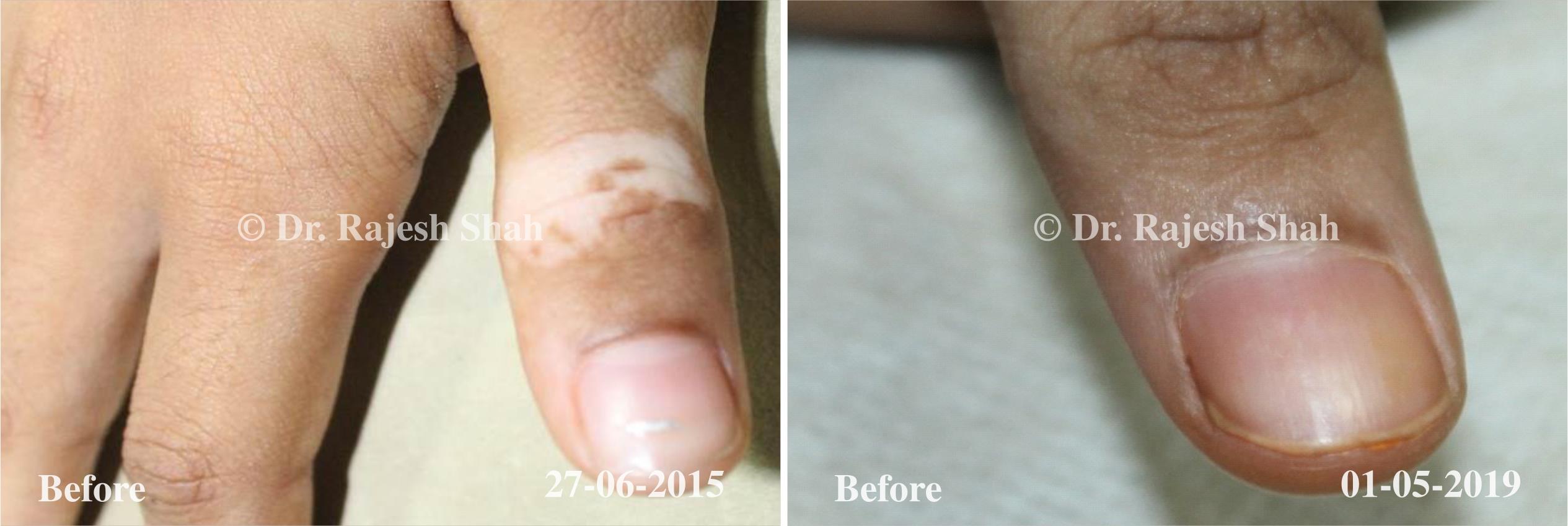
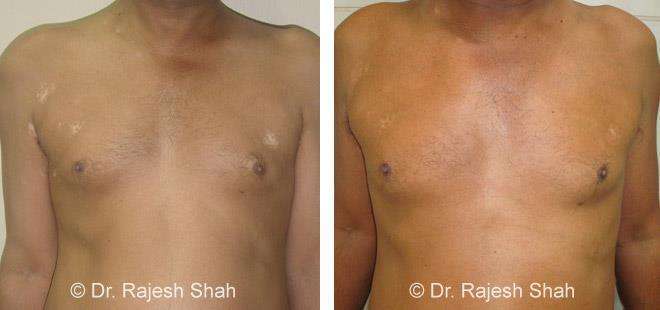
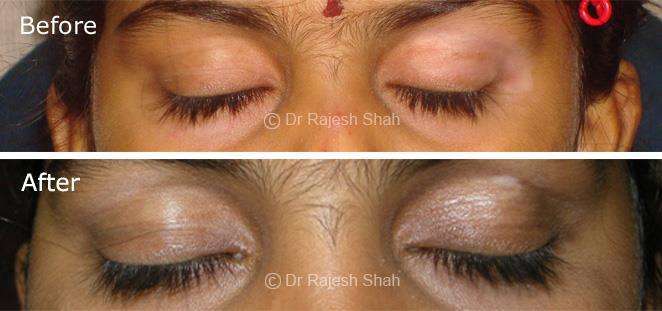
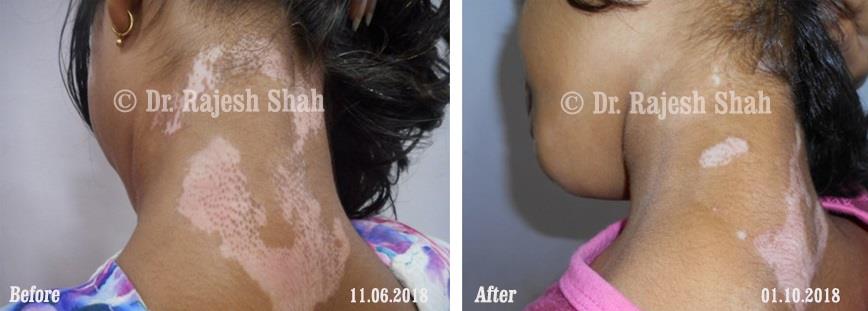
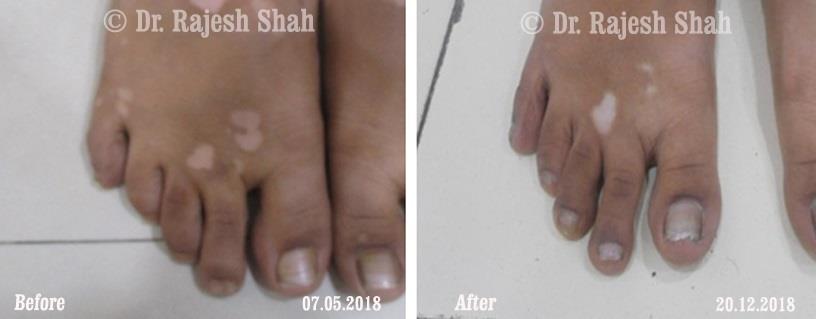
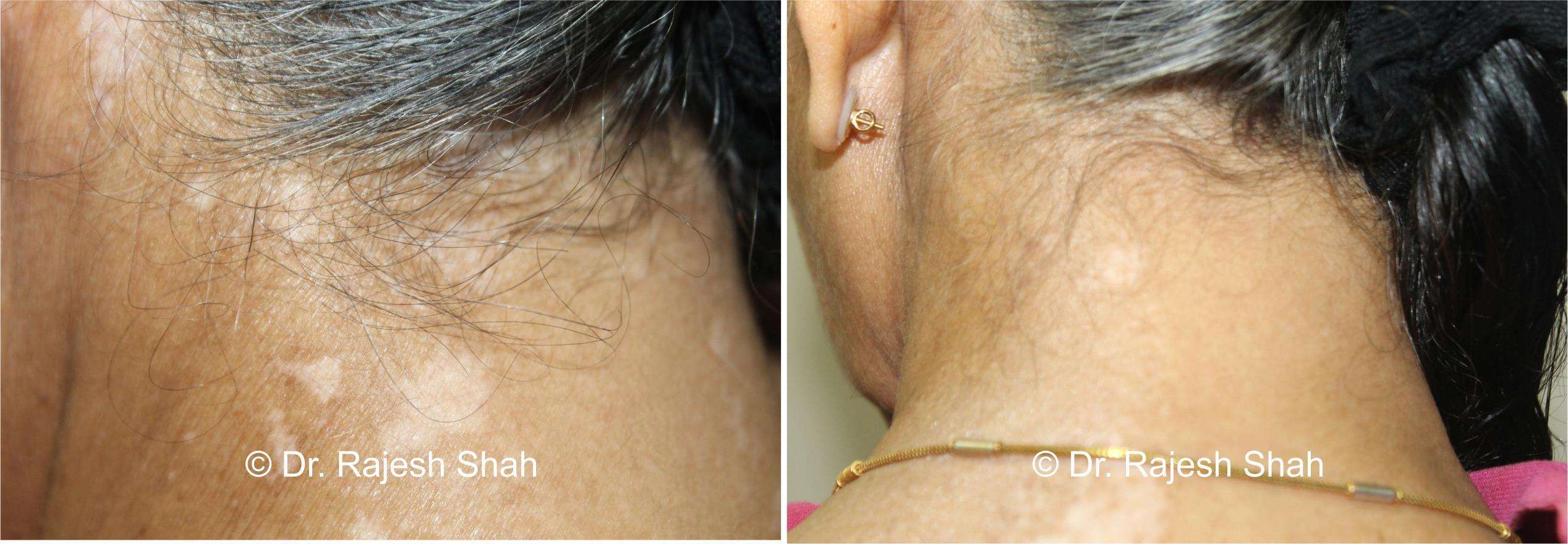
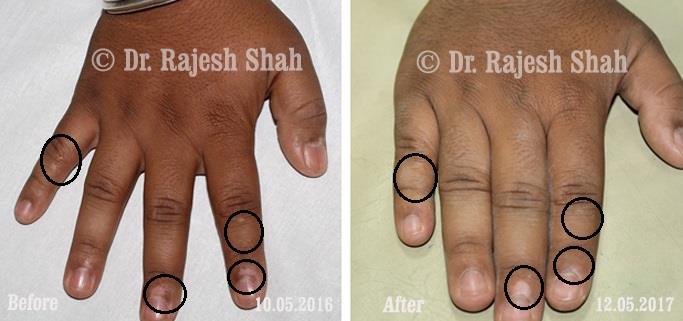
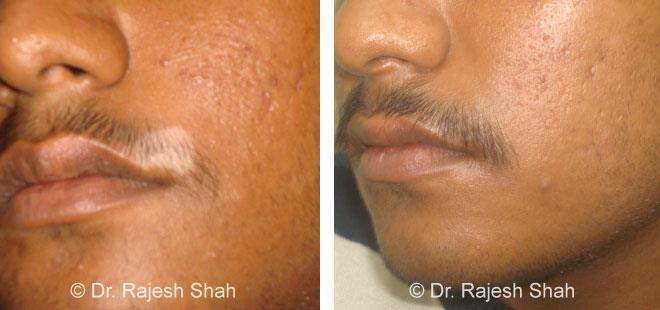
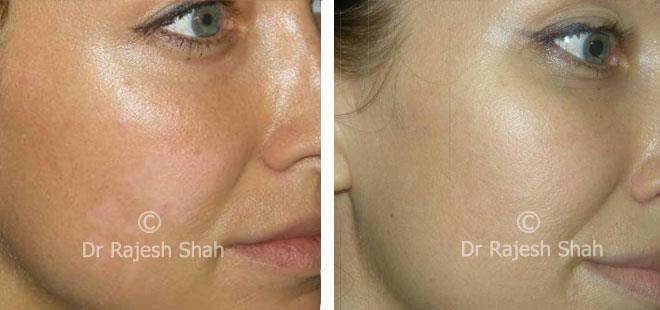
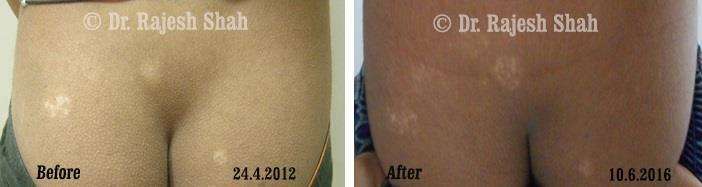
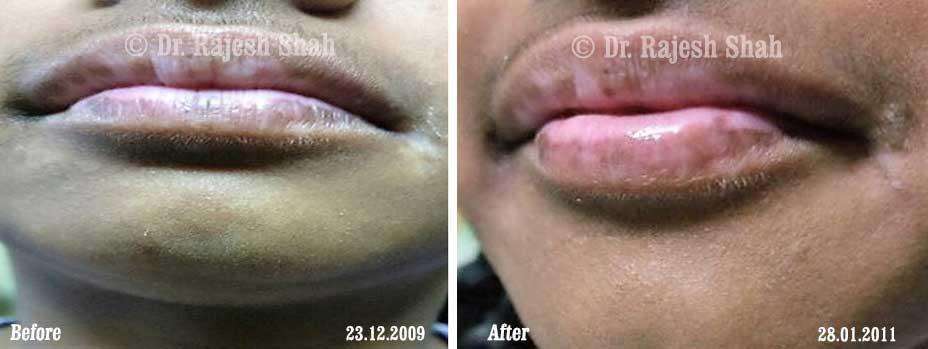
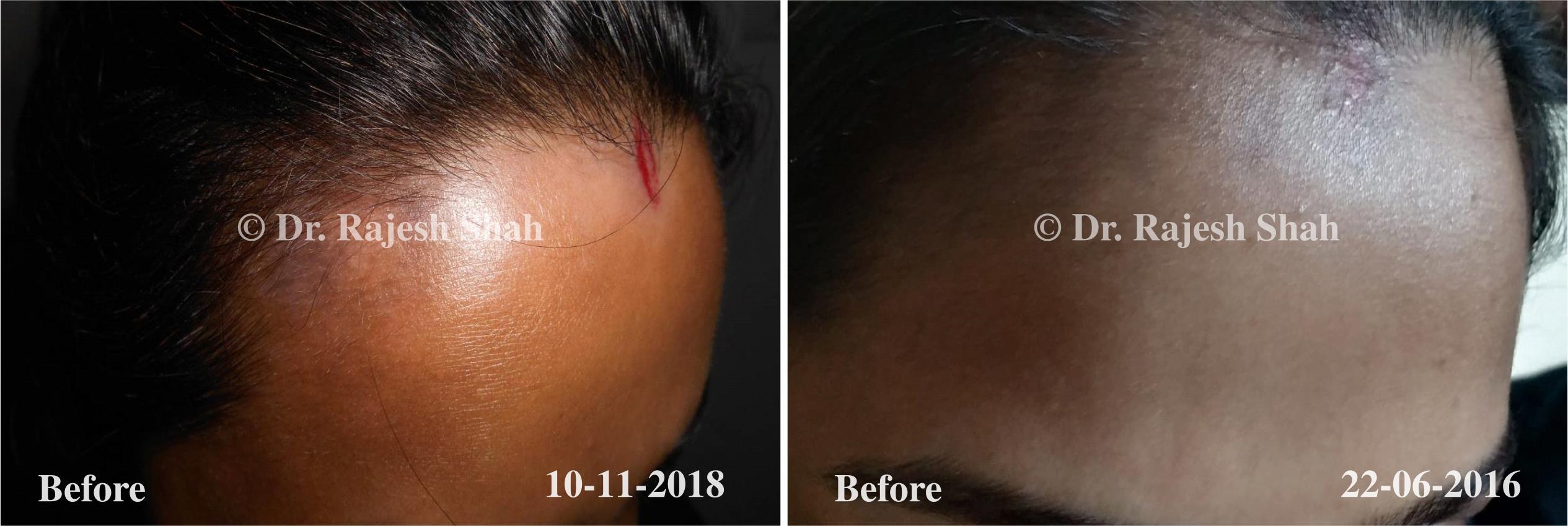
FAQ on Vitiligo
Expert Answers to Common Questions
Vitiligo is a complex autoimmune condition in which the immune system attacks melanocytes, the cells that produce skin pigment (melanin). Genetic, immunological, and hormonal factors are involved. Triggers such as emotional stress, chemical exposure, metabolic disorders (like diabetes or thyroid issues), and environmental factors may also influence its onset or progression.
Vitiligo usually starts as light or white patches on the skin due to loss of pigmentation. These may remain localized or gradually spread. Some individuals may experience mild itching or skin sensitivity before patches appear.
Homeopathic medicines are prescribed in highly diluted (potentised) doses based on individual assessment. The approach aims to support immune balance and may help stimulate melanocyte activity, as suggested in laboratory research by Dr. Rajesh Shah. However, the exact biological mechanism is not fully understood.
Vitiligo is not life-threatening and usually remains mild to moderate. A smaller proportion of patients may develop extensive depigmentation, which can have cosmetic and psychological effects.
Homeopathic treatment may support repigmentation in mild cases and help with partial recovery or stabilization in moderate cases. In extensive or long-standing vitiligo, outcomes may be limited and vary between individuals.
Some patients may notice changes within 2 to 3 months, but treatment often needs to continue longer. Duration depends on disease extent, age, duration, immune status, and individual response.
Mild cases may achieve significant or complete repigmentation. Moderate cases may show partial improvement and good control. Extensive vitiligo may not respond fully. It is not medically or ethically appropriate to claim that all cases are completely curable.
Vitiligo may have a genetic predisposition. Family history can increase risk, but many patients have no affected relatives. Having vitiligo does not guarantee children will develop it, though susceptibility may be higher.
Some experimental and clinical studies have explored homeopathy in the treatment of vitiligo. Research by Dr. Rajesh Shah demonstrated stimulation of melanocyte activity in laboratory models. One such study is indexed on PubMed:
Larger clinical studies are still needed for broader validation.
Vitiligo progression is unpredictable. It may remain localized or gradually spread. Genetic background, immune activity, and environmental triggers influence its pattern and extent.
Several topical treatments exist in conventional medicine. At Life Force, treatment emphasizes internal, individualized homeopathic medicines rather than relying mainly on external creams.
Supportive measures include stress management, managing associated conditions (such as thyroid disorders or diabetes), avoiding chemical exposure, and maintaining a healthy lifestyle with regular medical follow-up.









Related Diseases

Ask Dr. Rajesh Shah
Dr. Rajesh Shah, MD (Homeopathy), is a renowned Mumbai-based homeopath, recognized for treating patients from 180 countries, including celebrities and underprivileged individuals.
Contact Us